
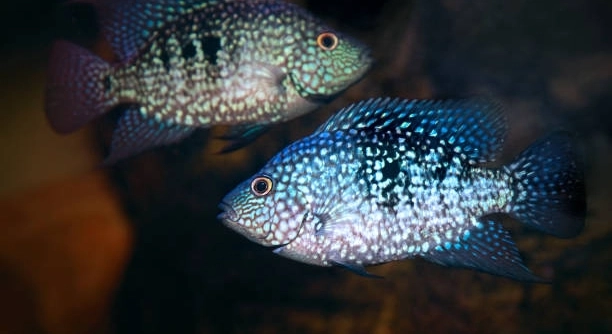
Caring for a Jack Dempsey involves more than feeding and decor, as water quality quietly shapes health, color, and behavior, often causing subtle problems that are easy to overlook until stress becomes visible over time.
Poor water conditions harm Jack Dempsey cichlids by disrupting osmoregulation, irritating gills, and weakening immune responses. Elevated ammonia, nitrite, or improper pH levels create chronic stress, leading to reduced appetite, color loss, behavioral changes, and increased disease susceptibility over time.
Recognizing these warning signs early helps protect your fish, improve tank stability, and restore a calm, healthy environment for longevity.
Faded Color and Dull Appearance
One of the earliest signs water quality is affecting a Jack Dempsey is a gradual loss of color. These fish are known for deep blues, greens, and strong contrast, yet poor water slowly washes those tones away. Elevated ammonia and nitrites irritate the skin and gills, forcing the fish to conserve energy rather than display color. Over time, scales appear dull, patterns blur, and the body may look dusty or uneven. I often notice this change before any obvious illness appears. Inconsistent pH and high nitrate levels also interfere with natural pigmentation, especially during growth or recovery periods. Without stable, clean water, the fish remains in a constant state of stress. This stress reduces normal hormone function, which directly affects coloration. Fading color is not cosmetic alone, it reflects internal imbalance that should never be ignored. Early correction prevents long term damage and supports a stable, healthier tank environment overall.
When color fades, it usually happens slowly, making it easy to dismiss at first. However, consistent dullness is rarely random. It reflects ongoing exposure to poor parameters that steadily weaken the fish, even if it continues eating and swimming normally. Prompt water testing helps prevent decline and long term stress.
A healthy Jack Dempsey displays strong coloration when water conditions remain stable. Regular water changes, reliable filtration, and proper stocking reduce waste buildup that dulls appearance. I have found that testing weekly helps catch shifts before damage occurs. Keeping nitrates low and pH consistent allows the fish to relax, feed confidently, and recover natural vibrancy. Color improvement often appears within weeks once conditions stabilize. While diet supports pigmentation, it cannot compensate for polluted water. Clean water remains the foundation for visual health. Addressing this early prevents more serious complications and supports steady, predictable behavior long term in captive aquarium environments.
Erratic Behavior and Stress Signs
Behavior often shifts quickly when water quality declines. A Jack Dempsey may hide more, dart suddenly, or hover near the surface. These changes signal discomfort and oxygen stress, even before visible physical damage develops within the tank environment. I tend to notice this during feeding and routine maintenance sessions periods.
Stress related behavior is closely tied to unstable parameters such as ammonia spikes, low oxygen, and temperature swings. When these conditions persist, the fish remains alert and defensive instead of calm and territorial. I have seen pacing along the glass, rapid gill movement, and sudden aggression become daily patterns. Poor water interferes with normal respiration, making every movement require more effort. This constant strain weakens the immune system and increases sensitivity to minor changes. Over time, appetite drops and interactions become unpredictable. Maintaining stable temperature, adequate aeration, and consistent water chemistry reduces these reactions significantly. Simple habits like siphoning debris, avoiding overfeeding, and spacing water changes evenly help restore balance. Once the environment stabilizes, behavior gradually normalizes. The fish becomes more confident, less reactive, and easier to observe. Behavioral recovery is often the clearest sign that water quality improvements are working effectively. I usually see the biggest improvement after several weeks of consistency. Sudden fixes rarely last. Stability builds trust in the environment and supports natural routines. Clear behavior changes confirm that proper water management remains one of the most effective care practices available. It directly influences health, appearance, and behavior more than any single decorative choice within home aquariums.
Clamped Fins and Lethargy
Clamped fins often appear when water conditions decline, signaling discomfort and stress. Instead of fully extending fins, the fish keeps them tight against the body, reducing movement. This posture conserves energy but also indicates irritation, weakness, and prolonged exposure to unstable or polluted water over time without proper corrective maintenance.
When fins remain clamped for extended periods, overall activity usually declines as well. The fish may rest near the bottom, avoid interaction, and show limited interest in food. I have noticed this behavior often follows missed water changes or overfeeding. Waste buildup increases toxins that irritate fin tissue and muscles. Poor circulation and low oxygen levels add further strain. Over time, muscle tone weakens and movement becomes sluggish. This state leaves the fish vulnerable to secondary infections. Addressing water parameters promptly allows fins to relax and mobility to return steadily with consistent care and improved filtration practices applied over weeks.
Stable water conditions reverse lethargy by reducing constant physiological stress. Regular testing identifies ammonia, nitrite, and nitrate trends before damage escalates. I rely on smaller, frequent water changes rather than infrequent large ones. This approach keeps chemistry predictable. Adequate filtration and gentle flow support oxygen exchange without exhausting the fish. Feeding controlled portions limits waste accumulation. Once the environment stabilizes, fins extend naturally and swimming becomes smoother. These changes confirm that behavior closely reflects water quality. Long term consistency matters more than quick fixes for lasting improvement and supports predictable recovery patterns in captive aquarium conditions over extended care periods.
Gill Irritation and Rapid Breathing
Rapid breathing is a clear response to gill irritation caused by poor water quality. The fish may pump its gills quickly or remain near the surface where oxygen is higher. I usually associate this with ammonia presence or low dissolved oxygen. Inflamed gill tissue reduces oxygen uptake, forcing faster respiration. Prolonged exposure leads to exhaustion, reduced appetite, and increased vulnerability to stress related illness, especially when conditions remain unstable for extended periods without corrective action.
Healthy gills appear smooth and evenly colored, while damaged gills may darken or swell. Poor water exposes delicate tissue to toxins that burn and inflame surfaces designed for gas exchange. I have seen rapid breathing continue even at rest when parameters stay unchecked. Consistent maintenance reduces this strain significantly. Using dechlorinated water, maintaining proper temperature, and ensuring surface agitation all improve oxygen availability. Avoid overcrowding to limit waste production. Once water stabilizes, breathing slows and activity normalizes. Gill recovery takes time, but steady conditions support healing. Monitoring behavior daily helps catch setbacks early and prevents further respiratory stress. I find patience essential during recovery, as sudden adjustments often prolong irritation rather than resolving underlying stability issues within established aquarium systems over time for lasting balance.
Loss of Appetite
Loss of appetite often follows declining water quality, even when food remains unchanged. The fish may ignore pellets, spit food out, or eat slowly. I usually see this after parameter swings. Toxins disrupt digestion and create nausea-like stress that suppresses feeding behavior over time without visible external warning signs present.
When appetite drops, weight loss and weakness soon follow. I respond by testing water immediately instead of changing food. Clean water restores hunger faster than supplements. Small water changes, reduced feeding, and waste control ease digestive stress and help normal feeding return within days once stability is consistently maintained again.
Cloudy Eyes and Skin Irritation
Cloudy eyes and skin irritation often develop when water contains lingering waste or improper pH. The surface of the eyes may appear hazy, while the body shows excess slime or patchy discoloration. I have noticed this after skipped maintenance. Poor water weakens protective barriers, allowing irritation to persist. Elevated nitrates and dissolved organics contribute to this reaction. Improving filtration, increasing water change frequency, and vacuuming debris reduce exposure. Symptoms fade gradually as tissue heals. Stable conditions prevent recurring irritation and support stronger natural defenses over time. I find patience essential during recovery to avoid sudden chemical shifts and further stress.
Frequent Illness or Infections
Frequent illness often signals long term water problems rather than random weakness. Repeated infections, fin damage, or slow healing point to immune strain. I focus on consistency instead of medication. Clean, stable water strengthens resistance and reduces outbreaks more effectively than repeated treatments alone over extended care periods in aquariums.
FAQ
How often should I change the water for a Jack Dempsey?
Regular water changes are essential for maintaining stable conditions. I typically change 25 to 30 percent of the water once a week. In heavily stocked tanks or during recovery from poor conditions, smaller changes twice weekly work better. This prevents sudden shifts while steadily lowering waste. Consistency matters more than large, infrequent changes. Skipping weeks often leads to visible stress signs.
What water parameters are most important for Jack Dempseys?
Ammonia and nitrite should always remain at zero. Nitrate should stay as low as possible, ideally below 20 ppm. pH stability is equally important. Jack Dempseys tolerate a range, but sudden changes cause stress. I focus on stability rather than chasing exact numbers. Stable parameters reduce behavioral and health problems long term.
Can poor water quality cause aggression changes?
Yes, behavior often shifts when water quality declines. I have seen normally calm fish become defensive or unpredictable. Stress from toxins and low oxygen puts the fish on constant alert. Once water stabilizes, aggression often reduces. Proper space, clean water, and predictable routines support balanced behavior more effectively than isolation alone.
Does cloudy water always mean something is wrong?
Cloudy water usually signals excess waste, bacterial blooms, or overfeeding. While it may clear on its own, it often indicates an imbalance. I treat cloudiness as an early warning. Testing parameters and reducing feeding helps identify the cause before fish health declines. Clear water usually returns with proper filtration and maintenance.
How does overfeeding affect water quality?
Overfeeding is one of the fastest ways to degrade water. Uneaten food breaks down into ammonia, stressing the fish. I feed small portions that are consumed within a minute. Reduced feeding during stress periods helps stabilize water faster than adding chemicals. Controlled feeding supports digestion and cleaner conditions overall.
Can tap water harm my Jack Dempsey?
Tap water can be safe if treated properly. Chlorine and chloramine damage gills and beneficial bacteria. I always use a conditioner before adding water. Matching temperature also matters. Sudden cold or warm water shocks the fish and disrupts stability. Proper preparation prevents unnecessary stress during water changes.
Why does my fish gasp at the surface?
Surface gasping usually indicates low oxygen or gill irritation. This often follows waste buildup or poor circulation. I increase aeration and check ammonia immediately. Gasping rarely resolves without correcting water quality. Improving oxygen exchange helps, but removing toxins remains the priority for recovery.
How long does it take for a Jack Dempsey to recover from poor water?
Recovery time depends on severity and consistency. Minor stress signs improve within days once water stabilizes. More serious issues like gill irritation or lethargy take weeks. I avoid rapid fixes and focus on steady improvement. Patience and routine maintenance support lasting recovery.
Are water additives necessary for healthy tanks?
Most tanks do not need frequent additives beyond conditioner. Clean water, proper filtration, and regular changes do more than bottled solutions. I rely on testing rather than guessing. Additives sometimes mask problems instead of fixing them. Stable care habits produce better long term results.
How can I prevent water issues from returning?
Prevention relies on routine. I test weekly, change water consistently, and avoid overcrowding. Feeding controlled portions and cleaning debris keeps waste manageable. Once a schedule is established, issues become rare. Healthy water supports predictable behavior, strong color, and steady appetite over time.
Water quality remains one of the most influential factors in a Jack Dempsey’s overall health, yet it is often underestimated. Many visible problems begin quietly, showing through small behavioral or physical changes long before serious illness develops. I have learned that these early signs are rarely random. They reflect how closely the fish responds to its environment. When water conditions decline, stress builds internally even if the tank looks clean at first glance. Addressing water issues early reduces the need for intervention later. Stable parameters support natural behavior, steady growth, and proper immune function. Clean water allows the fish to focus energy on normal activity instead of survival. This balance is what keeps the tank predictable and manageable over time. Paying attention to subtle changes creates better outcomes than reacting once damage becomes obvious.
Consistency matters more than perfection when maintaining a healthy aquarium. Chasing exact numbers often leads to sudden shifts that create more stress than stability. I focus on routines that are easy to maintain long term. Regular testing, controlled feeding, and scheduled water changes prevent most issues before they start. Skipped maintenance tends to show up weeks later through color loss, lethargy, or appetite changes. These signs usually point back to water conditions rather than disease. Correcting the environment often resolves multiple problems at once. Filtration, aeration, and stocking levels all work together to support water quality. When one element is neglected, balance is lost. Maintaining consistency builds a stable system where the fish can thrive without constant adjustment.
Understanding how water affects a Jack Dempsey changes how problems are approached. Instead of treating symptoms in isolation, it becomes easier to identify the underlying cause. Clean water supports healing, reduces stress, and prevents recurring issues. I have found that patience is just as important as action. Improvements happen gradually when conditions remain stable. Rushed fixes often lead to setbacks. Observing behavior daily provides valuable feedback about what is working. A calm, active fish with strong color and appetite usually reflects a healthy environment. Water quality does not just influence survival, it shapes quality of life. By prioritizing stability and routine care, long term health becomes easier to maintain. This approach reduces guesswork and creates a tank that feels balanced rather than fragile.

Hello,
If you enjoy the content that we create, please consider saying a "Thank You!" by leaving a tip.
Every little bit helps us continue crafting quality advice that supports the health, happiness, and well-being of pets around the world, for pets of all shapes, sizes, and species.
We really appreciate the kindness and support that you show us!