
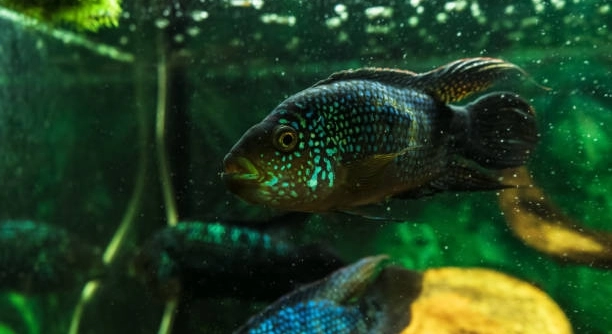
Keeping Jack Dempseys healthy can feel overwhelming when small care habits create daily tension for both fish and keeper. Stress often builds quietly through routine choices that seem harmless at first but gradually disrupt balance.
The primary causes of stress in Jack Dempseys arise from improper tank conditions, unstable water parameters, poor diet management, and inconsistent social environments. These mistakes interfere with natural behaviors, weaken immune response, and increase susceptibility to disease over time significantly.
Learning how these everyday errors affect behavior and health helps create a calmer tank and a more confident care routine.
Poor Tank Setup
I learned early that Jack Dempseys react strongly to their surroundings, especially when tank size, layout, and filtration are overlooked. Cramped tanks limit movement and increase tension, while weak filtration allows waste to build quickly. Decorations placed without thought can remove hiding areas, leaving the fish exposed and alert. Lighting that is too bright or left on too long also disrupts rest patterns. When these factors combine, stress becomes constant rather than occasional. Over time, this pressure shows through faded colors, aggressive behavior, and reduced appetite. A proper setup supports natural instincts, encourages calm movement, and reduces daily strain. Creating enough space, stable flow, and visual breaks helps the fish feel secure and allows normal behavior to return. I found consistency in setup maintenance prevents sudden changes that often unsettle sensitive fish and lead to long recovery periods where stress symptoms linger and disrupt feeding routines for weeks at times.
Even small setup flaws stack together faster than expected. I noticed behavior shift within days when structure or filtration slipped, proving environment stability matters more than frequent changes or constant adjustments. This awareness reshaped how carefully I plan and monitor the tank daily without reacting emotionally to minor issues appearing.
Tank setup stress often goes unnoticed because it develops slowly. Jack Dempseys rely on predictable spaces to establish comfort and control. When hiding spots disappear or flow shifts constantly, vigilance replaces rest. I have seen fish patrol nonstop, chase reflections, or hover rigidly near corners. These behaviors signal ongoing pressure rather than personality. Stable layouts allow exploration without threat and help regulate aggression. Choosing appropriate tank mates, securing decorations, and maintaining consistent lighting cycles further reduce tension. Addressing setup issues early prevents compounded stress and supports healthier growth, coloration, and feeding patterns over time while improving overall tank stability consistently.
Inconsistent Care Habits
Inconsistent care routines add another layer of stress that Jack Dempseys struggle to adjust to. Feeding times, water changes, and maintenance schedules that shift often create uncertainty and reactive behavior. I learned this through missed feedings and delayed cleaning periods which immediately affected appetite and tank balance in visible ways.
Jack Dempseys respond best when daily and weekly care follows a steady rhythm. Irregular feeding can lead to heightened aggression or food guarding, while skipped water changes allow parameters to drift. I noticed stress intensify when nitrate levels crept upward even slightly. Sudden corrections made the situation worse by forcing rapid adjustment. Consistency reduces the need for constant adaptation and supports internal balance. Feeding the same amounts at similar times helps regulate digestion and behavior. Scheduled maintenance keeps water chemistry stable and predictable. Observation during routine care also helps catch early warning signs, such as clamped fins or withdrawn movement. These signs are easy to miss when care feels rushed. Establishing a simple schedule removes guesswork and lowers pressure for both keeper and fish. Over time, predictable care builds resilience, improves coloration, and supports long term health without unnecessary intervention. I prefer writing reminders and keeping tools nearby so tasks feel manageable. This approach prevents lapses, reduces reactive decisions, and keeps the environment steady. Calm routines create trust and allow Jack Dempseys to display confident, stable behavior daily. Over time, this consistency lowers visible stress responses and supports a healthier, more balanced tank overall without frequent corrective measures or setbacks.
Unstable Water Parameters
Unstable water parameters place constant pressure on Jack Dempseys and often trigger stress responses quickly. Sudden shifts in temperature, pH, or hardness disrupt internal balance and weaken natural defenses. I noticed even small fluctuations caused hiding, color loss, and heightened aggression within short periods of sustained environmental instability overall daily.
Jack Dempseys rely on stable water chemistry to regulate breathing, digestion, and immune function. When parameters swing, their bodies work harder to adapt, leading to exhaustion over time. I learned that inconsistent water changes and untreated tap water were major contributors. Testing water weekly revealed patterns I had previously ignored. Gradual adjustments are far less stressful than sudden corrections. Maintaining steady temperature and pH allows normal behavior to return. Stable water supports appetite, reduces aggression, and lowers disease risk, making consistency more effective than constant fixing over long-term care routines and daily maintenance habits that protect overall fish health consistently.
Stress from unstable water often appears before visible illness develops. I observed fin clamping, rapid gill movement, and restless swimming during periods of imbalance. These signs are easy to dismiss without regular testing. Reliable heaters, calibrated tools, and preconditioned water reduce risk significantly. Avoiding large water changes prevents shock and supports gradual adaptation. Once stability improved, behavior softened and feeding normalized. Clear routines around testing and preparation create predictability. This steady approach minimizes stress accumulation and supports long-term resilience in Jack Dempseys kept in home aquariums where environmental control directly influences health outcomes daily and overall behavioral stability over time.
Improper Diet Choices
Improper diet choices quietly contribute to stress by affecting digestion and behavior. Overfeeding, poor quality pellets, or excessive treats disrupt nutrient balance. I noticed bloating and aggression increase when variety lacked structure. Jack Dempseys need protein-rich foods offered in controlled portions. Consistent feeding reduces competition and supports stable energy levels, preventing stress tied to hunger spikes or digestive discomfort during daily feeding routines over extended care periods that shape long-term health outcomes and behavior patterns.
Feeding mistakes often stem from good intentions rather than neglect. I once offered frequent snacks, assuming it reduced aggression, but it created instability instead. Uneaten food degraded water quality and increased tension. Jack Dempseys thrive on a predictable schedule with measured portions. High-quality pellets, supplemented with occasional frozen foods, meet nutritional needs without excess. Skipping fasting days can strain digestion and reduce appetite regulation. Observing feeding behavior helps refine portions and timing. When diet improved, waste decreased and activity became calmer. A structured approach supports growth, coloration, and internal balance while lowering stress related to competition, digestion, and environmental strain. This consistency also simplifies maintenance and reinforces predictable routines for both fish and keeper across daily care and long-term aquarium management practices without unnecessary adjustments.
Aggressive Tank Mates
Housing Jack Dempseys with incompatible fish increases stress through constant territorial pressure. Fin nipping, chasing, and forced isolation interrupt feeding and rest. I noticed stress rise quickly when calmer species were added without barriers, leading to defensive behavior and continuous alertness throughout the day for them in shared community tanks.
Jack Dempseys establish dominance naturally, but incompatible tank mates force nonstop conflict. I learned that similar sized, assertive species work better than passive fish. Providing visual breaks and space reduces confrontations. Removing problem pairings early prevents long term stress patterns from becoming normal behavior inside confined aquarium environments over time.
Lack of Hiding Spaces
Without adequate hiding spaces, Jack Dempseys remain exposed and alert, which increases stress steadily. Caves, rocks, and structured decor allow retreat and rest. I noticed calmer movement once shelters were added strategically. Fish that cannot withdraw often display aggression or freeze behavior. Hiding areas support territorial boundaries and reduce visual tension. Placement matters, as overcrowded decor can restrict swimming. Balanced layouts offer both shelter and open areas. When hiding options are limited, stress builds quietly and affects feeding patterns, color intensity, and immune strength over time in home aquariums for long term health stability and behavioral balance overall daily life.
Overhandling and Excessive Interference
Frequent netting, rearranging decor, or unnecessary tank interference disrupts routine and increases stress. I learned restraint matters. Jack Dempseys adapt better when observation replaces constant adjustment. Limiting interaction to essential care preserves predictability, allowing natural behavior and recovery between maintenance sessions without added pressure or confusion during normal care cycles.
How can I tell if my Jack Dempsey is stressed?
Stress often shows through behavior before physical symptoms appear. I usually notice hiding for long periods, rapid breathing, clamped fins, or sudden aggression. Color fading is another common sign. Appetite changes matter too. A fish that ignores food or eats aggressively may be reacting to pressure. These signals often point to environmental or routine issues rather than illness. Paying attention to daily behavior patterns makes it easier to spot stress early and correct it before health declines.
Can stress really make Jack Dempseys sick?
Yes, prolonged stress weakens the immune system. When a Jack Dempsey is under constant pressure, its body struggles to fight off common bacteria and parasites. I have seen minor issues escalate quickly when stress remained unaddressed. Stable conditions help the fish maintain natural defenses. Reducing stress lowers the risk of infections, fin damage, and digestive problems that often follow long periods of imbalance.
How long does it take for a stressed Jack Dempsey to recover?
Recovery time depends on how long the stress lasted and what caused it. In my experience, mild stress improves within days once conditions stabilize. Long-term stress can take weeks to fully resolve. Behavior usually normalizes before color and appetite. Consistency matters most during recovery. Avoid making multiple changes at once, as this can slow progress and restart the stress cycle.
Does tank size really affect stress levels?
Tank size plays a major role in stress management. Jack Dempseys need enough space to establish territory and move freely. I noticed calmer behavior immediately after upgrading tank size. Limited space increases aggression and forces constant interaction. A larger tank allows separation, reduces visual tension, and supports more stable water conditions. Space supports both physical and mental balance.
Is stress more common in younger or older Jack Dempseys?
Stress can affect all ages, but younger fish often react faster to environmental changes. Older Jack Dempseys may show slower responses but take longer to recover. I find juveniles display stress through frantic movement, while adults become withdrawn or territorial. Age influences how stress appears, but stable care benefits every stage equally. Routine and predictability reduce strain regardless of age.
Can frequent cleaning reduce stress instead of causing it?
Cleaning helps only when done consistently and gently. Overcleaning or deep cleaning too often disrupts beneficial bacteria and water stability. I learned that smaller, regular water changes are less stressful than large, infrequent ones. Avoid scrubbing decor excessively or removing everything at once. Maintenance should support stability, not reset the environment repeatedly.
Do Jack Dempseys get used to stressful conditions over time?
They may appear to adapt, but stress still affects them internally. I once assumed aggressive behavior was just personality, but it improved after correcting conditions. Fish can survive under stress, but health and lifespan often suffer. True comfort shows through relaxed movement, steady feeding, and consistent color. These signs indicate balance, not forced adaptation.
Can stress change a Jack Dempsey’s personality permanently?
Extended stress can reinforce aggressive or withdrawn behavior patterns. I noticed habits formed during stressful periods sometimes lingered. However, behavior often improves once stability returns. Patience is important. Giving the fish time to relearn calm responses helps reverse negative patterns. Stability encourages natural behavior to resurface gradually.
Is lighting a major stress factor for Jack Dempseys?
Lighting affects stress more than many expect. Harsh or prolonged lighting disrupts rest cycles. I reduced stress by shortening light duration and avoiding sudden on and off changes. Soft, consistent lighting supports normal activity and rest. Darkness is important for recovery. Proper lighting balances visibility with comfort.
How can I reduce stress without changing everything at once?
Focus on one issue at a time. I start with water stability, then address environment and routine. Small adjustments prevent overload. Observing changes after each fix helps identify what matters most. This slow approach avoids new stress triggers and builds confidence. Consistent care often solves more than constant modification.
Final Thoughts
Caring for Jack Dempseys becomes far less stressful once the focus shifts from fixing problems to preventing them. Most stress related issues do not come from a single mistake but from small habits that build over time. Tank setup, water stability, diet, tank mates, and routines all work together. When one area slips, the others often follow. I have learned that slowing down and observing daily behavior provides clearer answers than reacting quickly to visible changes. Stress signs are usually subtle at first, which makes consistency more valuable than constant adjustment. A calm environment allows Jack Dempseys to display natural behavior without pressure. When conditions remain stable, health concerns appear less often and are easier to manage when they do arise.
What stands out most is how strongly Jack Dempseys respond to predictability. They seem to thrive when their environment follows a steady pattern. Feeding at similar times, maintaining water quality gradually, and limiting unnecessary changes all reduce tension. I noticed that once routines became stable, aggression decreased and overall behavior softened. This reinforced the idea that stress is not always dramatic. It can exist quietly and still affect long term health. Preventing stress does not require perfection. It requires awareness and restraint. Small improvements made consistently are far more effective than frequent major changes. Stability gives the fish time to adjust and recover naturally.
Long term success with Jack Dempseys depends on patience and realistic expectations. Stress management is an ongoing process, not a one time fix. There will always be moments when adjustments are needed, but those moments become easier to handle with experience. I now approach care decisions with more intention and less urgency. This shift reduced stress for both the fish and myself. When the environment supports balance, Jack Dempseys reward that effort with stronger color, steady appetite, and confident movement. These signs confirm that calm care creates better outcomes than constant intervention. Over time, this approach leads to a healthier tank and a more rewarding experience overall.

Hello,
If you enjoy the content that we create, please consider saying a "Thank You!" by leaving a tip.
Every little bit helps us continue crafting quality advice that supports the health, happiness, and well-being of pets around the world, for pets of all shapes, sizes, and species.
We really appreciate the kindness and support that you show us!