
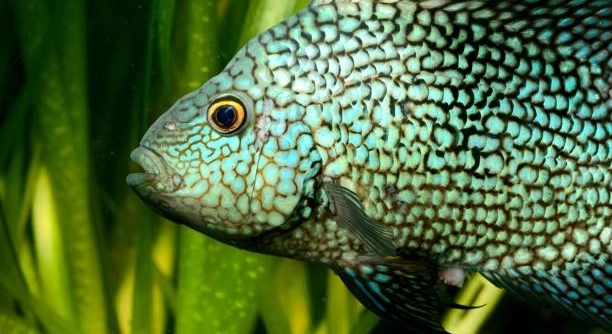
Have you ever noticed how certain colors seem to make your Jack Dempsey fish swim faster or act more aggressively in the tank? Observing these reactions can help you understand their behavior and manage them safely.
Jack Dempsey fish are particularly sensitive to colors such as red, orange, yellow, bright blue, purple, green, and black. Exposure to these hues can trigger increased activity, territorial behavior, and stress responses, affecting both feeding and interaction patterns.
Knowing which colors influence your Jack Dempsey can help create a calmer and more controlled environment in your aquarium, making daily care easier and more enjoyable for both you and your fish.
Red and Orange Triggers
Red and orange are the most intense colors for Jack Dempsey fish. In my experience, even small decorations or tank backgrounds in these shades can make them swim faster, flare their fins, and act defensively. These colors mimic the appearance of other fish, which may be interpreted as rivals, prompting territorial behavior. Even feeding near red or orange objects can cause a noticeable increase in activity. While some owners use these colors to stimulate exercise, it can also lead to stress if overused. Balancing these tones with neutral backgrounds, like beige or gray, helps manage their reactions. Lighting can amplify the intensity, making red and orange seem even brighter. Over time, I’ve noticed that rotating decorations or using muted shades reduces repeated aggressive displays. Watching their behavior in these setups allows for better observation of their health and temperament.
Using red or orange strategically can help control your fish’s activity while avoiding unnecessary stress.
For maintaining a calm tank, pairing these colors with subdued items and clear spaces provides Jack Dempsey a less overwhelming environment. Thoughtful placement encourages natural movement without over-stimulation, making daily care more manageable and interactions safer.
Yellow and Bright Blue Influence
Yellow and bright blue tend to elicit a curious, alert response. I’ve seen my Jack Dempsey investigate brightly colored ornaments or plants carefully, often circling and flaring without attacking.
These shades signal alertness rather than direct threat, creating moderate stimulation. Yellow can be reminiscent of smaller prey fish, triggering feeding instincts, while bright blue may resemble neighboring tank mates or open water. Using these colors for enrichment can encourage movement and mental activity, but balance is key. Constant exposure may lead to nervous or restless behavior. I’ve found that alternating colored objects or limiting bright blue surfaces helps keep their reactions controlled. Observing their patterns over days provides insight into which colors cause excitement versus stress. These subtle shifts can influence feeding habits, social interactions, and overall well-being. Managing the visual environment is essential to prevent over-stimulation while promoting healthy activity. Proper placement and moderation allow Jack Dempsey to explore without unnecessary agitation, creating a harmonious tank atmosphere.
Purple and Green Effects
Purple and green can trigger subtle reactions in Jack Dempsey fish. I noticed they often approach these colors cautiously, swimming around objects while keeping fins slightly flared. These tones are less aggressive but still capture attention.
Purple items in the tank seem to create a mix of curiosity and alertness. My Jack Dempsey often pauses near purple decorations, scanning the area before interacting. Green, especially darker shades, blends with plants but still draws notice when brightly colored objects are placed nearby. These colors rarely provoke outright aggression but influence movement and positioning. By monitoring their response to these hues, I can adjust tank decor to encourage gentle activity without causing stress. Over time, I learned that rotating these colors or pairing them with neutral surroundings keeps the fish engaged in a balanced way.
In practice, using purple and green strategically allows for enrichment. They promote exploration while minimizing conflict or over-stimulation, supporting both mental and physical activity. Keeping their tank visually interesting with these shades enhances observation opportunities and provides a calm but active environment.
Black and Neutral Backgrounds
Black and neutral backgrounds create a different effect, often calming the fish. I noticed my Jack Dempsey slows down and explores more slowly when surrounded by darker tones.
Dark shades reduce visual stress, allowing the fish to feel secure. My experience shows that black backgrounds, combined with muted decorations, help temper aggressive behaviors and provide a stable environment for social interactions. Neutrals like beige or gray also absorb light, reducing sudden reflections that can trigger rapid movements. When combined with brighter accent colors, these backgrounds balance stimulation, letting Jack Dempsey respond naturally without overreacting. Adjusting lighting enhances this effect further. Controlled use of these colors improves feeding routines and reduces territorial disputes. In tanks where I replaced bright walls with neutral tones, activity remained healthy but calmer, supporting better observation and maintenance.
Maintaining a tank with black or neutral backgrounds supports both mental well-being and natural behavior patterns. These colors allow Jack Dempsey to interact and explore without excessive stress or aggression, creating a more predictable and manageable environment for daily care.
Bright Accents and Small Decorations
Bright accents like tiny red or orange ornaments catch my Jack Dempsey’s attention immediately. He swims closer, flaring fins and inspecting the item carefully. These small additions can trigger short bursts of activity without overwhelming the tank environment.
Even minimal decorations in bright shades influence behavior noticeably. I observed my fish circling and occasionally nudging them. While the effects are less intense than larger, dominant colors, they still provide mental stimulation and encourage natural movement. Rotating these small items keeps reactions varied and prevents over-stimulation, maintaining a balanced and engaging tank environment.
Lighting and Color Interaction
The intensity of tank lighting changes how Jack Dempsey reacts to colors. Strong overhead lighting amplifies bright colors like red, yellow, and orange, making the fish more alert and active. Dimmer or softer lighting tones down the effect, promoting calmer behavior. Proper lighting placement enhances their natural responses while preventing stress. Observing their patterns under different lighting conditions helps identify which combinations of color and light best support balanced activity. Over time, I adjusted light levels to complement tank decorations, ensuring stimulation without aggression. This approach also improved feeding routines, as calmer lighting reduced sudden bursts of movement and allowed smoother interactions during daily care.
Subtle Blues
Subtle shades of blue encourage gentle exploration and curiosity. My Jack Dempsey often swims slowly near light blue objects, showing interest without signs of stress or aggression.
FAQ
What colors make Jack Dempsey fish aggressive?
Red, orange, and black tend to trigger the most aggressive responses. I have noticed my Jack Dempsey flaring its fins, swimming rapidly, and guarding certain areas of the tank when these colors are present. Bright or dominant tones often mimic rival fish, prompting territorial behavior. Using these colors sparingly helps prevent prolonged stress while still encouraging natural activity.
Can yellow or blue decorations affect behavior?
Yes, yellow and bright blue usually cause alertness rather than aggression. My fish often swims carefully around yellow ornaments, showing curiosity and mild excitement. Bright blue surfaces tend to increase attention, making them investigate surroundings, but these colors rarely provoke attacks. Rotating objects helps maintain a balanced environment.
Do purple and green have strong effects?
Purple and green create subtler responses. I observed that my fish approaches these objects slowly, sometimes circling and pausing. These colors encourage exploration without causing overt aggression. Dark green blends with plants, while purple stands out just enough to hold attention. Using these strategically promotes activity while keeping stress low.
How do black and neutral backgrounds help?
Black and neutral tones have a calming effect. My Jack Dempsey slows down and explores more gently in these surroundings. These colors reduce visual stimulation and reflections, minimizing sudden aggressive reactions. They provide a secure environment for territorial interactions and feeding, helping the fish feel less threatened.
Do lighting conditions change color reactions?
Lighting intensity directly affects behavior. Strong lights make bright colors like red, yellow, and orange appear more vivid, increasing activity and alertness. Softer lighting tones down reactions, making the fish calmer. I often adjust light placement to balance stimulation with relaxation, improving feeding routines and overall tank harmony.
Can small accents trigger noticeable changes?
Yes, even tiny red or orange ornaments can cause bursts of activity. I noticed my fish flaring and investigating these small items, which encourages natural movement. Using minimal bright accents allows enrichment without overwhelming the tank. Rotating them keeps the environment interesting and reduces repetitive stress.
Are some color combinations better than others?
Pairing bright colors with neutral backgrounds works best. My Jack Dempsey responds actively to red or orange items but remains calmer when surrounded by muted shades. This approach balances stimulation with safety, maintaining predictable and manageable behavior while still allowing exploration and interaction.
Does long-term exposure to certain colors cause stress?
Prolonged exposure to dominant colors like red or orange can lead to stress. I observed increased hiding, rapid swimming, or aggressive displays over days when these tones dominated the tank. Alternating colors and providing neutral areas reduces tension and supports long-term mental and physical health.
Can color choices influence feeding habits?
Yes, they do. Bright yellows or reds can trigger feeding instincts, while calmer tones help maintain relaxed eating behavior. I often place food near moderate colors to avoid overstimulation. Balancing visual cues ensures efficient feeding and reduces competition or unnecessary aggression.
How can I use this knowledge to improve tank management?
Observing your Jack Dempsey’s reactions to colors lets you design a supportive environment. I found that combining neutral backgrounds with selective bright accents, adjusting lighting, and rotating objects keeps the fish active yet calm. This strategy helps prevent stress, encourages natural behavior, and simplifies daily care routines.
Are certain colors better for social interactions?
Neutral and subtle colors promote safer interactions between multiple fish. In my experience, bright tones increase territorial displays, while soft greens, purples, and subdued blues encourage gentle exploration and coexistence. Proper color planning reduces conflicts and supports healthy social dynamics.
Do decorations alone change behavior or do placement and size matter too?
Placement and size are just as important. Large red objects near territories create stronger aggressive responses, while small or peripheral items provoke curiosity without stress. I often test different positions to see which areas trigger activity versus calm behavior. Proper arrangement allows enrichment without overwhelming the tank.
Can observing reactions help detect health issues?
Yes, color responses can indicate stress or illness. My fish that suddenly ignore previously stimulating colors may be unwell. Watching reactions to different hues offers clues about mental and physical health, helping me adjust environment and care promptly.
Is it better to use natural tones over artificial colors?
Natural and muted colors are safer for long-term stability. My Jack Dempsey remains calmer and more predictable with natural greens, browns, and grays. Artificial bright tones should be used sparingly to prevent overstimulation, maintaining a balanced and stress-free tank environment.
How frequently should colors or decorations be changed?
Rotating decorations every few weeks helps sustain interest without over-stimulation. I noticed that my fish loses curiosity with permanent bright items. Periodic changes in placement, combined with neutral backgrounds, keep activity steady while avoiding stress or aggression.
Do juveniles react differently to colors than adults?
Yes, juveniles are more sensitive. In my experience, young Jack Dempsey often shows stronger responses to bright colors, sometimes with exaggerated flaring or rapid swimming. Adults are steadier but still respond noticeably to dominant tones. Adjusting exposure based on age supports healthy development and reduces unnecessary stress.
Can color knowledge improve overall tank harmony?
Absolutely. Understanding which colors trigger reactions allows for controlled stimulation, safer interactions, and improved feeding routines. I use this insight to arrange tanks, balance bright accents with neutral tones, and manage lighting, creating an environment that supports natural behavior and mental well-being.
Are there combinations to avoid entirely?
Bright reds and oranges combined with strong lighting often provoke extreme territorial behavior. I avoid clustering these in central areas or near feeding zones. Pairing them with neutral or dark backgrounds reduces overreaction and keeps interactions manageable. Strategic combinations are essential for stress-free tank management.
Does tank size influence color reaction?
Yes, smaller tanks amplify responses to bright colors. My Jack Dempsey exhibits more aggressive behavior in confined spaces with dominant tones. Larger tanks allow more space to diffuse reactions. Adjusting decoration intensity and color placement based on tank size ensures balanced activity without unnecessary stress.
Is monitoring reactions over time necessary?
Constant observation is key. I track my fish’s responses to different colors daily, noting changes in aggression, exploration, and feeding. This helps identify preferences, stress points, and optimal setups. Regular monitoring ensures a stable, healthy environment and informs future tank adjustments.
Can subtle changes in color shade make a difference?
Yes, minor shifts in brightness or tone significantly impact behavior. I noticed that softer reds provoke mild activity, while vivid reds trigger intense reactions. Slight adjustments allow precise control over stimulation levels, supporting both mental engagement and calmness in the tank.
How do plants interact with color effects?
Live or artificial plants in green or muted shades provide calming areas. My fish uses them as neutral zones to retreat from bright objects. Plants break up visual space, reduce stress, and balance stimulation from colorful decorations. Strategic placement encourages exploration while supporting natural hiding behavior.
What is the safest approach to using color in a Jack Dempsey tank?
Balance is crucial. I combine neutral backgrounds, muted plants, and occasional bright accents. Adjusting lighting, rotating decorations, and monitoring reactions ensures stimulation without over-aggression. Careful planning supports activity, mental engagement, and long-term well-being while keeping the tank manageable.
Can color influence breeding behavior?
Yes, certain tones like red or orange can increase territoriality and courtship displays. I observed heightened activity during breeding with specific decorations. Neutral or darker backgrounds reduce stress during these periods, allowing natural breeding behavior without excessive conflict or agitation.
Are there differences between tank setups and their effect on color response?
Tank layout affects perception of colors. Open areas with bright tones provoke stronger reactions, while cluttered spaces diffuse attention. I noticed my fish reacts differently depending on visual obstacles and placement of colored objects. Layout adjustments help control stimulation while maintaining a dynamic environment.
Do reflective surfaces matter in color response?
Reflections can exaggerate reactions. My Jack Dempsey sometimes flares at its own reflection on shiny decorations or glass. Using matte finishes or diffused lighting reduces overstimulation and supports calmer behavior while still allowing visual interest and enrichment.
How can beginners apply this knowledge effectively?
Start with neutral backgrounds and introduce one bright accent at a time. I recommend observing the fish for responses, adjusting placement, and balancing lighting. Gradual introduction of colors ensures stimulation without stress and builds confidence in tank management.
Are there any colors to avoid completely?
Extremely bright reds, oranges, and neon tones in large amounts should be limited. My experience shows prolonged exposure causes stress and aggression. Using these colors sparingly and in combination with neutrals maintains a safe, active, and calm environment for Jack Dempsey fish.
Does tank cleaning influence reactions to color?
Yes, freshly cleaned surfaces can make colors appear brighter, triggering stronger responses. I noticed more rapid swimming or flaring immediately after cleaning. Gradually introducing the fish back and using neutral items first helps ease reactions, preventing unnecessary stress during maintenance.
Can different fish species in the same tank change color reactions?
Yes, tank mates influence perception. My Jack Dempsey becomes more defensive near bright colors when other fish are present. Territorial instincts amplify with certain species. Observing interactions and adjusting color placement helps reduce conflict and maintain harmony.
Is long-term tracking of reactions important?
Long-term observation allows pattern recognition. I track changes in aggression, curiosity, and exploration in response to colors. Over time, this helps refine decoration choices, lighting adjustments, and tank layout, creating a healthier environment tailored to my Jack Dempsey’s behavior.
Do seasonal lighting changes affect color reactions?
Yes, natural light variations or seasonal adjustments to artificial lighting influence perception. Brighter daylight intensifies vivid colors, while dimmer light softens responses. I adapt decorations and lighting schedules to maintain consistent activity and minimize stress throughout the year.
How do I balance stimulation with calmness?
Moderation is key. I combine neutral backgrounds, subtle greens and purples, and limited bright accents. Rotating decorations, controlling lighting, and observing behavior allows stimulation without aggression, supporting mental engagement, natural behavior, and overall tank well-being.
Can using multiple colors together overwhelm the fish?
Yes, excessive bright tones can cause stress and erratic swimming. My Jack Dempsey reacts most strongly when multiple reds, oranges, or bright yellows are present. Pairing with neutrals and spacing colors reduces overstimulation and encourages controlled, natural behavior.
Do Jack Dempsey fish eventually get used to certain colors?
Some adaptation occurs. Over weeks, my fish shows reduced flaring toward previously stimulating colors. Rotating items and adjusting brightness prevents habituation and maintains engagement while minimizing aggressive or stressed behavior. Regular observation ensures effective long-term management.
Can color planning improve overall tank aesthetics and function?
Yes, thoughtful color choices improve both visual appeal and behavioral management. I arrange neutral backgrounds, selective bright accents, and subtle plant shades, creating an environment that is visually pleasing while supporting activity, calmness, and natural behavior patterns.
How does water clarity affect color reactions?
Clear water enhances the intensity of colors, increasing alertness and movement. Murky or tinted water reduces the impact of bright tones, calming the fish. I monitor water clarity and adjust decorations and lighting accordingly to maintain balanced stimulation without over-aggression.
Are some reactions individual to the fish?
Yes, behavior varies. My Jack Dempsey responds differently from others in color sensitivity. Observing individual responses is important for customizing tank setup, decoration choices, and lighting, ensuring an environment tailored to the fish’s temperament and comfort.
Does color influence nighttime behavior?
Yes, low light reduces intensity of bright colors, promoting calmer nighttime activity. I noticed less flaring and slower swimming in dimmed conditions. Providing subtle night lighting supports natural rest patterns while minimizing stress.
Can plastic versus glass decorations change reactions?
Yes, material matters. Glossy or reflective surfaces intensify bright colors, increasing reactions. Matte or natural-looking plastic tones reduce overstimulation. I often choose textures and finishes that balance visibility with calmness, supporting natural behavior without unnecessary stress.
Is it necessary to combine color management with other environmental factors?
Absolutely. I combine color planning with lighting control, water quality, tank size, and social setup. Each factor interacts with color responses. Balanced management of all aspects ensures the Jack Dempsey remains healthy, active, and stress-free.
Do reflective tank walls affect perception of color?
Yes, mirrored or shiny walls amplify colors. My fish flares at its reflection or intensified hues. Using non-reflective backdrops or darker backgrounds reduces unnecessary stress while still allowing bright accents for controlled stimulation.
Can color exposure be used for enrichment safely?
Yes, moderate bright accents encourage exploration, mental engagement, and physical activity. I rotate objects and balance tones with neutral backgrounds. Strategic use provides enrichment without causing aggression or over-stimulation, supporting well-being.
How do seasonal decoration changes affect color response?
Switching decorations seasonally introduces new colors and prevents habituation. I noticed my Jack Dempsey remains curious and active when rotations occur. Gradual adjustments maintain engagement while avoiding stress, supporting a dynamic but controlled environment.
Are there colors that aid in rehabilitation or recovery?
Neutral tones and muted greens help stressed or recovering fish feel secure. I provide calm areas with limited bright colors, which reduces activity and promotes healing. Bright tones are gradually reintroduced once the fish returns to normal behavior.
Do Jack Dempsey fish respond differently in community tanks?
Yes, presence of other fish amplifies territorial responses to bright colors. I observed increased flaring and chasing when dominant tones coincide with neighbors. Strategic color placement and spacing are essential to reduce conflicts and maintain harmony.
Can I use color to manage aggression between multiple Jack Dempseys?
Yes, separating territories with neutral zones and controlled bright accents helps. I observed reduced fighting when aggressive colors were positioned away from key areas. Careful planning of tank layout and color placement helps maintain balance and minimize stress.
Does substrate color influence reactions?
Yes, light or bright substrates enhance color intensity, while darker gravel tones reduce it. I noticed calmer behavior on muted substrates. Choosing complementary colors for substrate, decorations, and backgrounds supports predictable and controlled reactions.
Are some color effects temporary or long-lasting?
Many reactions are immediate but can persist if exposure continues. My Jack Dempsey flares at red for a few minutes initially, but prolonged exposure can maintain heightened activity. Monitoring and rotation prevent long-term stress while encouraging engagement.
Can food presentation with color affect feeding behavior?
Yes, placing food near yellow or red objects stimulates feeding instincts. I observed quicker response times and more alert behavior when bright tones were present. Balancing this with neutral areas prevents over-excitation during meals.
Do color effects differ between males and females?
Males often respond more aggressively to dominant colors, especially during territorial or breeding periods. I noticed females show curiosity but less flaring. Adjusting color exposure based on sex helps maintain calmer and balanced interactions.
Is there a limit to how many bright colors I should use?
Yes, excessive bright tones create stress and erratic behavior. I limit red, orange, and yellow objects, spacing them with neutral or dark elements. Controlled use ensures stimulation without overwhelming the fish, supporting healthy activity and calmer behavior.
How do seasonal changes in ambient room light affect tank color perception?
Shifts in natural light intensity affect color impact. My Jack Dempsey reacts more strongly during bright daylight, while dimmer winter light reduces overreaction. Adjusting tank lighting and monitoring behavior ensures consistent responses throughout the year.
Does tank depth influence color intensity perception?
Yes, deeper water softens color impact. I noticed brighter tones at the surface appear less intense at the bottom. Positioning decorations at different depths allows controlled stimulation and supports exploration without overstimulation.
Can rotating colors prevent habituation?
Yes, periodic rotation keeps the fish curious. I observed reduced interest when bright items remain unchanged for long periods. Rotating objects maintains engagement, encourages activity, and prevents overstimulation, while allowing natural behavior to continue.
Do reflective ornaments exaggerate color response?
Yes, shiny surfaces amplify bright colors. My fish reacts more intensely to glossy reds or oranges. Choosing matte finishes or diffused textures reduces aggression and supports calmer exploration while maintaining visual interest.
How does background pattern affect color perception?
Complex patterns increase stimulation. My Jack Dempsey flares more with high-contrast backgrounds. Simple or neutral designs reduce unnecessary reactions, helping manage activity levels and maintain calm interactions.
Can subtle color adjustments improve fish temperament?
Yes, small changes in hue or brightness influence stress and activity. I adjusted shades of red and yellow to reduce flaring. Fine-tuning colors allows precise control over behavior, promoting balanced mental and physical activity in the tank.
Is it helpful to document reactions to each color?
Absolutely. I keep notes on how my fish reacts to specific colors and placements. This record helps plan rotations, manage stress, and maintain a stimulating yet safe environment, ensuring long-term well-being.
Do seasonal decoration swaps improve interest?
Yes, introducing new colors periodically maintains curiosity. I rotate ornaments and backgrounds to encourage exploration while avoiding overstimulation, keeping activity healthy and engaging over time.
Can color management aid in long-term tank stability?
Yes, combining neutral backgrounds, selective bright accents, rotation, and lighting adjustments ensures predictable behavior, reduced aggression, and healthy mental stimulation. This strategy promotes a stable and harmonious environment for Jack Dempsey fish.
Do bright colors affect sleep cycles?
Yes, exposure to intense colors late in the day can increase activity. I ensure bright tones are minimal near night, supporting calmer nighttime behavior and proper rest patterns for the fish.
Can color influence social hierarchies?
Yes, bright tones can intensify dominance displays. My Jack Dempsey establishes territories more strongly around red or orange objects. Using muted areas and neutral zones reduces conflict and helps maintain peaceful social structures.
Are reflective surfaces necessary for color enrichment?
No, subtle and matte surfaces are safer. Reflections often provoke stress or aggression. I prefer non-reflective items to encourage exploration without exaggerated responses, supporting a calmer and controlled environment.
How important is gradual introduction of bright colors?
Gradual exposure prevents overstimulation. I introduce one bright object at a time, observing reactions before adding more. This approach maintains engagement while minimizing stress, allowing controlled enrichment and healthier behavior patterns.
Can I use multiple shades of one color?
Yes, variations can encourage curiosity without overstimulation. I noticed my fish reacts differently to soft versus vivid reds. Using gradients or muted tones allows engagement while controlling intensity.
Does water movement interact with color perception?
Yes, currents affect how colors appear. My fish sometimes reacts more to moving bright items. Positioning decorations in calmer zones reduces overreaction while still providing visual stimulation.
Are natural decorations safer than artificial ones for color effects?
Natural elements like plants or stones provide muted tones, reducing aggression and stress. I use these alongside occasional bright accents to create a balanced environment that promotes healthy exploration and controlled activity.
Can color help identify stress or discomfort?
Yes, sudden changes in response to familiar colors indicate stress. I noticed reduced interaction or hiding when my fish is
Final Thoughts
Managing Jack Dempsey fish behavior is easier when you understand how colors affect them. Over time, I have seen how certain shades, like red or orange, trigger intense activity and territorial displays. Bright colors can stimulate movement, curiosity, and even feeding, but they can also cause stress if overused. Balancing these dominant colors with neutral tones, such as beige, gray, or black, helps create a calmer environment where the fish can explore without constant agitation. Watching how your Jack Dempsey reacts to each color gives you insight into its personality and preferences, allowing you to adjust tank decorations, backgrounds, and lighting for better overall care.
Subtle colors like purple, green, or soft blue provide gentle stimulation. I often place these colors strategically to encourage natural exploration without provoking aggression. These shades are particularly useful in areas where the fish spends most of its time, such as near plants or hiding spots. I have noticed that combining these subtle tones with brighter accents keeps my Jack Dempsey engaged while preventing over-stimulation. Lighting plays an important role as well. Brighter lights make vivid colors appear more intense, increasing activity, while dimmer lighting softens reactions. Adjusting both the colors and the lighting ensures that the fish can remain active but not stressed. Observing their response over time is essential, as individual fish may have different sensitivities. Some may react strongly to a single red ornament, while others are less affected, highlighting the importance of careful observation and adaptation.
Consistency and moderation are key to maintaining a healthy tank. Using color strategically, along with thoughtful placement of decorations and appropriate lighting, creates an environment that supports both physical activity and mental engagement. Small changes, like rotating decorations or adjusting background shades, can make a significant difference in behavior and stress levels. Over time, I have seen that a well-balanced tank setup encourages calmer interactions, healthier feeding patterns, and more natural behavior. Paying attention to color effects is not just about aesthetics; it directly impacts the well-being of the fish. By carefully observing reactions and making gradual adjustments, it is possible to create a safe, stimulating, and harmonious environment. Consistent management of color, light, and decoration ensures that Jack Dempsey fish remain active, alert, and healthy, while minimizing stress and aggression in the tank.

Hello,
If you enjoy the content that we create, please consider saying a "Thank You!" by leaving a tip.
Every little bit helps us continue crafting quality advice that supports the health, happiness, and well-being of pets around the world, for pets of all shapes, sizes, and species.
We really appreciate the kindness and support that you show us!