
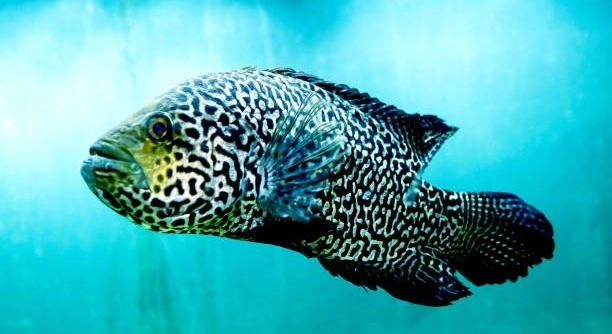
Jack Dempsey fish are colorful and lively additions to home aquariums. Many owners notice their fish react around feeding time, creating curiosity about whether these fish can actually predict when food will arrive.
Jack Dempsey fish do not have an innate ability to predict feeding times. Their behavior is influenced by routine and environmental cues, allowing them to associate certain signals, such as light changes or human presence, with impending feeding events.
Observing their habits can improve care and feeding practices, ensuring these fish stay healthy and active in their aquatic environment.
How Jack Dempsey Fish Learn Feeding Routines
Jack Dempsey fish are smart and observant. Over time, they start recognizing patterns in their environment. They notice when lights turn on or when someone approaches the tank. These cues signal that food is coming. Consistent feeding schedules help reinforce these associations. Repetition is key, as the fish learn to respond to certain stimuli rather than predicting feeding naturally. Their reactions, like swimming near the surface or following your movements, are linked to routine and conditioning. Changes in timing or environment can confuse them, slowing their recognition of feeding cues. Patience and consistency allow owners to observe clear patterns in behavior. These patterns are not instinctive predictions but learned responses. Keeping a regular feeding schedule ensures the fish remain active, healthy, and engaged. It also provides owners with a better understanding of their fish’s needs and behavior, making tank care smoother and more predictable.
Consistency in feeding schedules helps maintain healthy behavior and reduces stress in Jack Dempsey fish.
Regular observation allows you to notice subtle changes in their behavior, making it easier to adjust care. By watching their movements and reactions closely, you can identify if they are comfortable with the current feeding schedule or if adjustments are needed. For example, a sudden lack of interest at feeding time could indicate stress, illness, or tank issues. This approach ensures that care is tailored to the fish rather than following generic routines. Over time, these observations help owners develop a better understanding of individual fish personalities and preferences. Understanding these details supports healthier fish and a calmer, more engaging aquarium environment overall. Adjustments in feeding, tank setup, or interaction can significantly improve their well-being, allowing Jack Dempsey fish to thrive consistently.
Signs Your Fish Are Responding to Feeding Cues
Common signs include swimming near the top of the tank or following movements of people nearby.
Jack Dempsey fish often show predictable responses once they associate certain cues with feeding. They may become more active or swim in patterns that indicate anticipation. Some may hover near hiding spots, waiting for food to appear. Over time, these behaviors become more consistent, reflecting learned associations rather than natural instincts. While some fish respond more quickly than others, patience and repetition help reinforce these patterns. Owners can also observe changes in body language, such as flaring fins or increased movement, which signal excitement or recognition of feeding times. Adjusting feeding routines slightly can help determine how sensitive your fish are to cues. Watching these subtle behaviors helps maintain a healthier aquarium by addressing their needs accurately. Predictable responses can improve tank management and ensure the fish remain active, reducing stress and promoting overall wellness. Understanding these behavioral signs allows you to create a feeding environment that supports both health and engagement, making interactions with your fish more rewarding.
Conditioning Jack Dempsey Fish
Jack Dempsey fish respond well to consistent routines. Using the same feeding time and method each day helps them recognize cues. They may start swimming toward the feeding area as soon as they notice the pattern.
Repetition is the main factor in conditioning these fish. They don’t predict feeding on their own, but they learn to associate actions, sounds, or movements with food. Approaching the tank, tapping gently, or turning on the lights at the same time daily can train them to react. Over time, these behaviors become more consistent, showing that conditioning, not instinct, drives their responses.
Patience is essential. Some fish may take longer to recognize cues, while others respond quickly. Avoid sudden changes in schedule, as this can confuse them and reduce their responsiveness. Consistent care ensures they remain active, healthy, and engaged, making feeding time smoother and less stressful for both the fish and owner.
Environmental Factors Affecting Behavior
Tank setup and surroundings play a big role in how fish react to feeding cues.
Lighting, decorations, and hiding spots influence Jack Dempsey fish behavior. Bright lights may make them more cautious, while familiar environments help them feel safe. Water temperature and quality also affect activity levels. A stable, comfortable tank allows fish to notice and respond to feeding routines more reliably.
Placement of the feeding area matters too. Fish are more likely to recognize cues if food is consistently offered in the same spot. Avoid overcrowding or sudden changes in decor, which can distract them from routines. Observing how your fish interact with their environment provides insight into their behavior and helps maintain consistent feeding responses. Adjusting environmental factors thoughtfully improves their well-being and reinforces learned feeding patterns naturally.
Recognizing Feeding Signals
Jack Dempsey fish notice small changes in their environment, like movement near the tank or light shifts. These signals help them anticipate feeding time.
Over time, they may associate these cues with food, swimming toward the area or becoming more active. Consistency reinforces their responses and builds predictable behavior patterns.
Timing and Routine
Maintaining a regular feeding schedule is important for conditioning. Feeding at the same time daily helps the fish associate specific cues with food. Irregular timing can confuse them and reduce responsiveness. A predictable routine supports healthy behavior and allows the fish to remain active and alert.
Observing Individual Differences
Each Jack Dempsey fish reacts differently to cues. Some respond quickly, while others take longer to recognize feeding signals. Tracking these differences ensures care meets their individual needs.
FAQ
Can Jack Dempsey fish really tell when it’s feeding time?
Jack Dempsey fish cannot naturally predict feeding times. What they do is learn patterns from their environment. They notice signals like lights turning on, shadows near the tank, or someone approaching. Over repeated exposure, they associate these cues with food and respond accordingly, which can make it seem like they are predicting feeding times. This is a learned behavior rather than instinctive foresight. Consistent routines help strengthen this association, making their reactions more reliable and noticeable.
How long does it take for them to learn feeding cues?
Learning feeding cues depends on the fish and the consistency of the routine. Some Jack Dempsey fish start reacting within a few days, while others may take a few weeks. Regular timing, the same feeding method, and repeated cues such as tapping the tank or turning on lights help them make the connection faster. Avoid sudden changes in schedule, as this can slow the process or confuse them. Patience and observation are key to ensuring they adapt successfully.
What are the signs that a fish recognizes feeding time?
Common signs include swimming toward the top of the tank, following movement near the tank, or hovering around the feeding area. Some may show increased activity or even slight fin flaring when they notice cues. They often become alert or move in patterns that suggest anticipation. These behaviors indicate that they have learned to associate environmental signals with feeding and are responding to them predictably.
Does the type of food affect how quickly they respond?
Yes, Jack Dempsey fish often respond more quickly to preferred foods. Live or fresh food tends to trigger stronger reactions than pellets or flakes. Using the same type of food consistently during training can reinforce feeding cues. Changing food frequently may slow recognition of cues, as the fish may hesitate to respond to new options. Observing their preferences helps maintain consistent feeding behaviors and keeps them engaged during feeding times.
Can environmental changes disrupt their learned behavior?
Significant changes in the tank environment, such as rearranging decorations, changing water temperature, or altering light patterns, can confuse fish and reduce their responsiveness to feeding cues. Maintaining a stable and familiar environment helps reinforce learned associations. Minor changes, like slight adjustments in decorations, usually do not interfere, but it’s best to introduce any changes gradually. Stability allows the fish to focus on routine cues rather than adjusting to new surroundings constantly.
Is it harmful if they become too dependent on feeding cues?
No, it’s not harmful as long as their diet is balanced and they receive proper nutrition. Recognizing feeding cues is part of their learning and does not negatively impact health. However, overfeeding or irregular schedules can create stress or health issues. Maintaining portion control and consistent timing ensures that their anticipation remains a positive aspect of behavior without causing harm.
Can Jack Dempsey fish learn cues from multiple people feeding them?
Yes, they can learn cues from different individuals as long as the signals are consistent. If multiple people feed the fish using similar movements, sounds, or timing, the fish can associate all these signals with food. Conflicting cues may slow the learning process, but with repetition and consistency from each caregiver, fish can respond predictably to multiple people. Observing how they react to each person helps ensure everyone in the household supports the feeding routine effectively.
Do younger fish learn feeding cues faster than adults?
Younger Jack Dempsey fish often adapt quicker to feeding routines because they are more active and exploratory. Adult fish can learn too, but they may require more repetition to form consistent associations. Patience is essential for both age groups. Regular, predictable feeding and consistent cues help all fish learn at their own pace, ensuring reliable behavior over time.
Are there risks if feeding is inconsistent?
Inconsistent feeding can cause stress, reduce responsiveness, and even lead to health problems. Fish may become anxious or less active if they cannot predict food availability. Consistent schedules allow them to anticipate feeding, stay active, and maintain normal behavior. Observing reactions during feeding helps ensure timing and cues remain effective and supports overall well-being.
Can other fish in the tank influence learning feeding cues?
Yes, tankmates can affect how Jack Dempsey fish respond. Competitive or more active fish may trigger earlier reactions or distract them. Peaceful cohabitants make it easier to observe learned behavior. Monitoring interactions ensures all fish respond appropriately to feeding cues without stress or interference.
Jack Dempsey fish are fascinating to observe because of their intelligence and responsiveness. While they cannot naturally predict feeding times, their ability to learn patterns and associate environmental cues with food is impressive. Over time, consistent routines help them recognize when feeding is coming, whether it’s a particular time of day, the approach of a person near the tank, or changes in lighting. This learned behavior can make it seem as though they are predicting their meals, but it is really a reflection of their memory and conditioning. For anyone caring for these fish, understanding this distinction is important. It allows owners to provide a more predictable environment that supports healthy behavior and reduces stress. The more consistent the cues and feeding schedule, the stronger the association becomes, and the more reliably the fish will respond to signals.
Maintaining a stable environment is just as important as the feeding schedule itself. Jack Dempsey fish are sensitive to changes in tank setup, lighting, and water conditions, and sudden disruptions can interfere with their learned routines. Consistency in their surroundings, combined with regular feeding practices, helps reinforce their behavior while keeping them active and alert. Observing their reactions closely can also provide insight into individual differences among the fish. Some respond quickly to cues, while others take longer to learn and may need extra patience. By paying attention to these differences, owners can adjust care to meet the specific needs of each fish. This approach not only supports their ability to recognize feeding cues but also contributes to overall well-being, including reduced stress, better health, and more engaging interactions during feeding times.
Finally, understanding the behavior of Jack Dempsey fish encourages better tank management and strengthens the relationship between the fish and their owner. Feeding cues, consistency, and environmental stability are all tools that help fish respond predictably while maintaining healthy habits. Recognizing these learned behaviors allows for more thoughtful care, ensuring that the fish remain active, well-fed, and comfortable in their habitat. Patience and observation are key components of successful care, and over time, these efforts result in a smoother and more enjoyable experience. Whether the goal is to maintain a healthy tank or simply enjoy watching the fish’s behavior, providing consistency and understanding their learning patterns creates a positive environment for Jack Dempsey fish to thrive. By paying attention to cues, adjusting routines as needed, and maintaining stable conditions, owners can support their fish in a way that promotes long-term health and activity.

Hello,
If you enjoy the content that we create, please consider saying a "Thank You!" by leaving a tip.
Every little bit helps us continue crafting quality advice that supports the health, happiness, and well-being of pets around the world, for pets of all shapes, sizes, and species.
We really appreciate the kindness and support that you show us!