
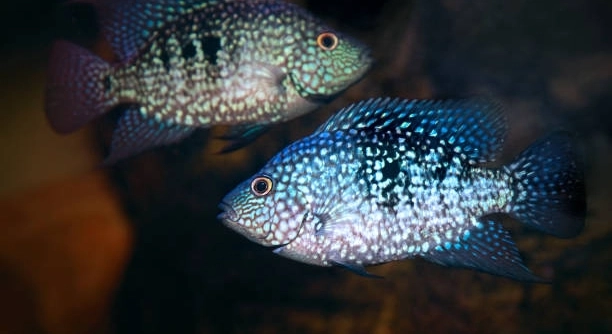
Have you ever noticed small white spots appearing on your Jack Dempsey fish while watching it swim in the tank? These spots can appear suddenly or gradually, sometimes causing concern about your fish’s overall health.
White spots on Jack Dempsey fish are most commonly caused by parasitic infections, bacterial or fungal issues, poor water quality, or stress. Identifying the specific cause is crucial for effective treatment and maintaining the fish’s health.
Understanding the different factors behind these spots will help you take better care of your Jack Dempsey and prevent future health problems.
Ich Parasite Infection
Ich, also known as white spot disease, is a common parasite that affects Jack Dempsey fish. It appears as tiny white dots scattered across the fish’s body and fins. The parasite attaches to the skin, gills, and fins, causing irritation and discomfort. Infected fish often scratch against decorations or the tank walls in an attempt to relieve the itch. Stress, sudden changes in water temperature, and poor water quality can make fish more vulnerable to ich. Left untreated, it can spread quickly throughout the tank and lead to serious health complications. Early detection and treatment are key to managing this parasite. Medications specifically designed for ich are effective, but maintaining stable water conditions is equally important. Regular tank cleaning, monitoring temperature, and quarantining new fish can prevent outbreaks. Observing your Jack Dempsey daily helps you notice changes early and take action before the parasite spreads.
Ich infection causes white spots due to parasite attachment, leading to irritation, stress, and potential spreading in the aquarium environment.
Treating ich requires raising the water temperature slightly while using anti-parasitic medication. Fish should be observed closely for any worsening signs. Even after spots disappear, continuing treatment ensures the parasite is fully eradicated. Consistent tank maintenance and monitoring are essential to prevent recurrence.
Fungal Infections
Fungal infections can appear as white, cotton-like patches on the skin, fins, or gills. These infections often occur after injuries or stress.
Fungal growth thrives in poor water conditions and weakened fish. Even small scrapes can develop into noticeable white patches over time. Treating fungal infections involves removing affected areas from the tank and applying antifungal medication. Water quality must be improved to stop further spread. Maintaining clean tanks, proper filtration, and stable temperature helps prevent fungal growth.
Fish with fungal infections may show sluggish behavior or reduced appetite. Overcrowding increases risk, as does mixing fish from different tanks without quarantine. Treatment can be lengthy, requiring daily observation and care. Keeping a balanced diet strengthens the fish’s immune system and supports healing. Removing decaying food and debris reduces spores in the water, limiting further infection. Observing gill movement and swimming patterns helps detect early signs before the fungus spreads extensively. Consistency in treatment and water management is vital for recovery. Prevention is always easier than treatment, so focusing on tank hygiene ensures healthier Jack Dempsey fish over time.
Poor Water Quality
Poor water quality often leads to white spots on Jack Dempsey fish. High levels of ammonia, nitrites, or nitrates weaken their immune system, making them more prone to infections. Regular water testing is essential to keep conditions safe and stable.
When water conditions are neglected, fish experience stress, which can trigger skin issues and visible spots. Dirty tanks, overfeeding, and infrequent water changes contribute to a harmful environment. Keeping the pH balanced and monitoring hardness and temperature ensures the fish remain healthy. A proper filtration system removes waste efficiently and maintains oxygen levels. Tank maintenance routines, like partial water changes and gravel cleaning, reduce the accumulation of harmful substances. White spots caused by poor water quality can be prevented by observing daily fish behavior and promptly addressing any unusual changes. Healthy water directly supports stronger immune systems and prevents secondary infections from developing.
Addressing poor water quality requires immediate action. Regularly testing ammonia, nitrite, and nitrate levels is crucial. Changing 20-30% of the water weekly prevents harmful buildup. Avoid overstocking tanks and feed in moderation to reduce waste. Upgrading filtration and performing routine maintenance reduces stress on your Jack Dempsey fish. When water parameters stabilize, fish begin to recover, and white spots caused by environmental stress often diminish. Consistency in water management is key to long-term health, preventing recurring issues, and keeping your aquarium clean and safe for all fish.
Stress and Overcrowding
Stress and overcrowding are common causes of white spots. Fish under constant pressure become more vulnerable to disease and skin irritations, which appear as small white patches.
High stocking density increases competition for food, oxygen, and territory. Jack Dempsey fish may become aggressive or hide frequently, leading to injuries. Stress lowers immunity, making them prone to parasites and bacterial infections. Tank enrichment, proper space allocation, and observing behavioral changes help reduce stress. Overcrowded tanks also make maintaining water quality harder, indirectly promoting disease development.
Preventing stress involves providing adequate tank size, hiding spots, and consistent routines. Avoid sudden changes in lighting or water temperature. Introducing new fish gradually allows them to acclimate. Separating aggressive individuals and monitoring social interactions reduces conflicts. Even small adjustments in feeding schedules, temperature stability, and tank decorations contribute to calmer, healthier fish. Recognizing early signs of stress like rapid gill movement or erratic swimming ensures timely intervention. A stress-free environment improves immunity, reduces white spots, and supports natural behavior, ultimately promoting overall well-being and longevity of your Jack Dempsey fish.
Nutritional Deficiencies
A lack of essential vitamins and minerals can cause white spots on Jack Dempsey fish. Poor diet weakens the immune system, making the fish more vulnerable to infections and skin problems.
Providing a varied diet including high-quality pellets, frozen foods, and occasional live feed helps prevent deficiencies. Balanced nutrition supports healthy skin, scales, and overall immunity.
Bacterial Infections
Bacterial infections often appear as small white patches or cloudy spots on the skin and fins. These infections develop when fish are exposed to unsanitary water or injuries. Prompt treatment with antibacterial medication is necessary to stop the infection from spreading.
Bacteria thrive in stressful or contaminated environments, and infected fish may become lethargic or lose appetite. Maintaining clean water, proper tank filtration, and good nutrition reduces the risk. Quarantining new fish and removing injured individuals prevents cross-contamination. Monitoring fish daily ensures early detection, allowing treatment to be effective before permanent damage occurs.
Salt Imbalance
Improper salt levels in the aquarium can contribute to white spots. Maintaining correct salinity is essential for Jack Dempsey fish health and stress reduction.
FAQ
What causes white spots on Jack Dempsey fish?
White spots can appear due to parasites like ich, fungal or bacterial infections, poor water quality, stress, overcrowding, nutritional deficiencies, or salt imbalances. Each factor weakens the fish’s immune system and can make skin or fin abnormalities more noticeable.
How can I tell if my fish has ich?
Ich usually looks like tiny white dots spread over the body, fins, and gills. Infected fish may scratch against decorations or swim erratically. Early detection is important because the parasite spreads quickly in tanks.
Can stress really cause white spots?
Yes, stress lowers the fish’s immunity, making it more susceptible to infections that show as white spots. Common stress factors include overcrowding, aggressive tankmates, sudden temperature changes, and poor water conditions.
How do I treat fungal infections?
Fungal infections appear as cotton-like white patches. Treatment involves antifungal medication, removing affected areas if possible, and improving water quality. Consistent observation and proper nutrition help the fish recover faster.
Is poor water quality dangerous for Jack Dempsey fish?
Poor water quality can be very harmful. High ammonia, nitrite, or nitrate levels weaken immunity and can lead to skin issues, including white spots. Regular water testing, partial water changes, and proper filtration are essential for prevention.
Can dietary deficiencies cause white spots?
Yes, lacking essential vitamins and minerals can make Jack Dempsey fish prone to infections. A varied diet with high-quality pellets, frozen foods, and occasional live feed keeps their immune system strong and skin healthy.
How do I prevent white spots from recurring?
Prevention involves keeping the tank clean, maintaining stable water parameters, reducing stress, providing a balanced diet, and quarantining new fish. Proper tank management reduces the risk of parasites, bacteria, and fungal infections.
Are medications necessary for all white spots?
Not always. If white spots result from poor water quality or stress, improving tank conditions may be enough. Parasites, fungal, or bacterial causes usually require specific medications. Accurate identification is key before treatment.
Can salt treatment help?
Salt baths or mild salinity adjustments can reduce stress and help treat certain infections, but levels must be monitored carefully. Too much salt can harm freshwater fish, so follow recommended guidelines.
How long does it take for white spots to disappear?
The recovery period depends on the cause. Parasites may require a week or more of treatment, fungal infections can take several weeks, and spots caused by stress or poor water quality may fade within days after conditions improve.
Should I isolate affected fish?
Yes, isolating sick fish prevents spread to others. Quarantine tanks are especially useful for treating parasites, bacteria, or fungal infections. Keeping infected fish separate allows precise dosing of medication without harming other tankmates.
Can overcrowding make white spots worse?
Overcrowding increases stress, reduces oxygen, and can lead to injuries, all of which make fish more susceptible to white spots. Ensuring proper tank size and limiting the number of fish helps maintain health and reduce disease risk.
What signs indicate a serious problem?
Lethargy, rapid gill movement, loss of appetite, frayed fins, or spreading white spots are warning signs. Immediate attention to water quality, isolation, or treatment is necessary to prevent worsening conditions.
How often should I check water quality?
Daily observation of fish behavior and weekly testing of ammonia, nitrite, nitrate, pH, and temperature keeps the tank safe. Consistent monitoring allows early intervention before white spots develop or worsen.
Are all white spots treatable?
Most white spots are treatable if the cause is identified early. Parasites, fungal, and bacterial infections respond well to proper medication, while environmental or dietary causes improve with changes to care routines. Prevention is the most reliable approach.
Can stress from tankmates cause white spots?
Aggressive or territorial fish can stress Jack Dempsey fish, lowering immunity and increasing vulnerability to infections that appear as white spots. Observing interactions and separating aggressive individuals reduces stress and promotes healing.
Does temperature change affect white spots?
Sudden drops or spikes in temperature stress fish and make them more susceptible to parasites like ich. Keeping temperature stable within recommended ranges supports immune function and helps prevent spot development.
How do I know if my fish is recovering?
Recovery signs include reduced scratching, healthy appetite, smooth skin, and gradual fading of white spots. Continuous observation ensures the fish responds to treatment and that water conditions remain supportive.
Can I mix treatments?
Combining medications should be done carefully. Some treatments interact negatively, stressing fish further. Following dosage instructions and consulting care guides ensures safe and effective recovery.
Is quarantine necessary for new fish?
Yes, quarantining new fish for two to three weeks helps detect parasites or infections before adding them to the main tank. This practice prevents outbreaks and protects established fish from white spots.
What daily routines help prevent white spots?
Feeding balanced meals, checking water quality, observing fish behavior, removing waste, and maintaining equipment daily supports immunity. Consistency reduces stress, minimizes infections, and keeps Jack Dempsey fish healthy.
How can I support healing after treatment?
Maintain clean water, offer a high-quality diet, reduce stress, and monitor progress. Providing a stable environment allows fish to recover fully and prevents recurrence of white spots.
White spots on Jack Dempsey fish are more common than many people realize, and they often signal an underlying health issue. These spots can be caused by parasites, bacterial or fungal infections, poor water quality, stress, nutritional deficiencies, or imbalances in the tank environment. Understanding the cause is important because treatment depends on it. For example, parasitic infections like ich require medication, while spots from poor water quality may improve simply by cleaning the tank and maintaining proper water conditions. Paying attention to your fish daily helps detect problems early, which makes treatment more effective and reduces the risk of serious complications.
Maintaining a stable and healthy tank environment is one of the most important steps in preventing white spots. Regular water testing for ammonia, nitrite, nitrate, pH, and temperature ensures that your Jack Dempsey fish are not exposed to harmful conditions. Overcrowding should be avoided, and aggressive tankmates should be monitored to reduce stress. Providing a balanced diet with high-quality pellets, frozen foods, and occasional live feed strengthens the immune system and supports healthy skin and scales. Consistency in feeding schedules, tank cleaning, and observation also plays a big role in keeping fish healthy. By combining good water management with proper nutrition, the likelihood of white spots appearing can be greatly reduced.
Even when white spots appear, recovery is often possible if the issue is addressed promptly. Quarantining affected fish, applying appropriate medications when necessary, and maintaining clean water all contribute to healing. Stress reduction is equally important; giving fish space, hiding areas, and a stable routine allows their immune system to recover and prevents future outbreaks. While some causes of white spots may require more time to resolve, consistent care and careful observation generally lead to positive outcomes. By understanding these factors and implementing simple, daily care practices, your Jack Dempsey fish can remain healthy, vibrant, and free from recurring white spots.

Hello,
If you enjoy the content that we create, please consider saying a "Thank You!" by leaving a tip.
Every little bit helps us continue crafting quality advice that supports the health, happiness, and well-being of pets around the world, for pets of all shapes, sizes, and species.
We really appreciate the kindness and support that you show us!