
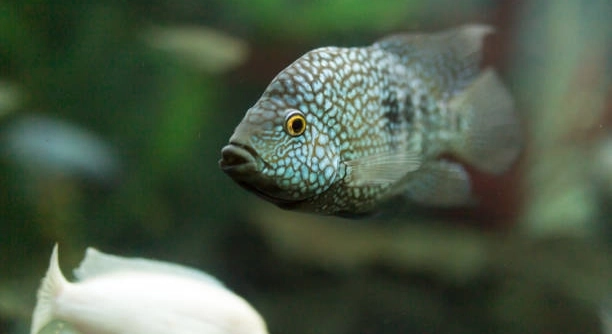
Have you ever noticed your Jack Dempsey fish acting calmer or more alert as lights change throughout the day inside your home aquarium setting where subtle lighting often shapes daily behavior and overall comfort levels.
Jack Dempsey fish respond to room lighting through measurable changes in behavior, coloration, and stress levels. Stable, moderate lighting supports natural activity patterns, while sudden or intense light exposure may disrupt circadian rhythms and elevate physiological stress responses in captivity.
Lighting choices affect mood, feeding habits, and health, and learning these details helps create a calmer aquarium environment for them.
How Room Lighting Influences Jack Dempsey Behavior
Jack Dempsey fish are sensitive to changes around their tank, and room lighting plays a steady role in their daily rhythm. When lights in the room shift from bright to dim, these fish often adjust swimming patterns, resting periods, and feeding interest. I have noticed calmer behavior when lighting remains consistent throughout the day. Sudden brightness can cause quick darting or hiding, while very dark rooms may reduce activity. This response connects to how light influences their internal clock and sense of safety. In natural habitats, light changes gradually, not abruptly. Replicating that slow transition indoors helps reduce unnecessary stress. Room lighting also affects how tank colors appear, which may alter how the fish perceives its surroundings. Keeping a predictable lighting routine supports stable behavior, clearer coloration, and a more relaxed presence within the aquarium over time for long term comfort and stability within a shared living space at home.
Consistent room lighting helps Jack Dempsey fish feel secure and behave more naturally. Balanced brightness reduces sudden stress reactions and supports regular feeding and resting patterns. Small adjustments, like using lamps instead of overhead lights, can create a calmer aquarium atmosphere during evening hours and daily routines at home settings.
Lighting outside the tank matters just as much as the aquarium light itself. Sunlight from windows, televisions, and ceiling fixtures all contribute to the overall brightness fish experience. When these sources clash with tank lighting schedules, confusion can occur. I find that closing curtains during peak sun hours helps maintain balance. Timers paired with steady room light reduce sharp contrasts. The goal is not darkness, but consistency. Stable lighting conditions allow Jack Dempsey fish to display natural color, confidence, and predictable behavior without unnecessary disturbances across different seasons, especially in shared living spaces where routines often change slightly over time.
Creating Balanced Lighting at Home
Creating balanced lighting at home starts with awareness of your daily habits. Turning lights on and off at similar times helps fish settle into a reliable pattern. Soft ambient light supports calm behavior, especially in rooms with frequent movement or noise during evenings, mornings, and shared family activities at home.
Room lighting does not need to be complex to support Jack Dempsey fish health. The focus should remain on avoiding sharp changes and overly bright conditions. I prefer using warm bulbs rather than harsh white light, as this feels less intrusive in the evening. Placing the aquarium away from direct window glare also helps. When natural light fades, gradual indoor lighting keeps the environment predictable. Tank lights should follow a steady schedule that aligns with room use. If the room stays active late, dimmer lighting prevents overstimulation. Quiet consistency encourages steady swimming, confident feeding, and reduced hiding. Over time, this balance supports stronger coloration and lower stress responses. Lighting choices may seem minor, but they influence how safe fish feel in their space. A thoughtful setup creates comfort for both the fish and the person caring for them. I have learned that patience matters when adjusting light routines at home. Small changes should be observed over several days. This allows behavior to settle naturally. With time, lighting becomes part of a stable environment that supports long term health and calmer daily interactions for both fish wellbeing and personal peace in shared living spaces indoors throughout the year ahead calmly together.
Signs of Lighting Related Stress
Jack Dempsey fish often show stress through quick movements, faded color, or extended hiding when room lighting feels overwhelming. I notice these signs most after sudden light changes. Persistent pacing or refusal to eat can also appear, signaling discomfort caused by inconsistent brightness levels in shared living spaces indoors daily.
Behavioral changes become clearer when lighting problems last for several days. Increased aggression, glass surfing, or rapid breathing may develop as the fish struggles to adjust. I have learned that these reactions are not random. They reflect environmental pressure rather than personality shifts. When lights remain too bright late at night, resting cycles are interrupted. When rooms stay dark for long periods, activity slows excessively. Observing patterns over time helps separate normal temperament from light related stress. Consistency usually brings visible improvement within a week. This awareness supports better care decisions and calmer daily observation at home environments over time.
Adjusting lighting should be gradual to avoid worsening stress responses. I prefer changing brightness in small steps rather than all at once. Using dimmers or secondary lamps helps control intensity. Closing curtains before turning on room lights prevents sharp contrast. Tank placement also matters. Areas with constant foot traffic and frequent light switches increase stimulation. Quiet corners offer more stability. Matching room lighting with the aquarium schedule reduces confusion. These simple steps support recovery, restore normal feeding, and encourage confident swimming without forcing sudden adaptation over time for healthier behavior patterns and long term comfort indoors for captive fish daily.
Seasonal and Environmental Lighting Factors
Seasonal light changes inside the home can influence aquarium conditions more than expected. Shorter days often mean longer artificial lighting use. I notice this shift affects evening behavior most. Fish may remain alert longer, delaying rest. Adjusting timers during seasonal transitions helps maintain balance and prevents extended exposure to artificial brightness during months with reduced natural daylight indoors which supports steadier routines and reduces unnecessary stress responses over time for captive fish at home daily.
Temperature, noise, and lighting work together to shape how Jack Dempsey fish feel each day. Lighting often amplifies other stressors rather than acting alone. I have seen brighter rooms worsen reactions during loud activity or sudden movement nearby. Evening television light can flicker across the tank, adding stimulation. Softening room light helps buffer these effects. Using consistent lighting creates a predictable backdrop that allows fish to cope better with unavoidable household activity. Observation is key. Small changes should be tested slowly. Tracking behavior before and after adjustments reveals what works best. Over time, this approach builds a calmer environment that supports stable health, natural color, and steady interaction patterns within a shared living space where lighting consistency quietly influences daily comfort and long term wellbeing.
Tank Placement and Light Exposure
Tank placement influences how much room lighting reaches the aquarium throughout the day. I learned that positioning near windows increases glare and uneven brightness. Indirect light offers stability and prevents sudden exposure when curtains open or lights switch on during normal household movement in busy homes with active daily routines.
Artificial room lighting should support the aquarium schedule rather than compete with it. I prefer steady lamps instead of overhead lights. This keeps brightness even and reduces shadows. Consistent exposure helps fish feel secure and avoids overstimulation during evenings when activity continues inside shared living spaces at home daily settings.
Using Timers and Light Control
Timers create reliable lighting patterns that support Jack Dempsey comfort. I rely on them to avoid forgotten lights or late night brightness. Setting fixed on and off times supports rest cycles. Room lighting should follow a similar rhythm. When household lights stay on late, dimmer options help reduce impact. I avoid sudden darkness by switching lights gradually. This approach keeps the environment predictable. Over time, fish respond with calmer swimming, steady feeding, and improved color. Light control tools reduce guesswork and help maintain consistency even when daily routines change slightly without added stress or confusion for them indoors each day.
Observing and Adjusting Over Time
Observation guides lighting adjustments better than assumptions. I watch behavior closely after changes. Reduced hiding and steady appetite signal comfort. If stress signs return, I reassess room light sources. Patience matters, since small adjustments need time to show results within shared living spaces over several calm days at home daily.
FAQ
Do Jack Dempsey fish need very bright room lighting?
No, they do not need very bright lighting outside the tank. I have noticed that moderate, consistent light is enough to support their daily behavior. Extremely bright lights can cause stress, rapid swimming, or hiding, especially when the light changes suddenly during normal household activity. Balanced, indirect lighting keeps them calmer.
Can dim room lighting improve their color?
Yes, dim or controlled lighting can help maintain natural coloration. I have seen their colors appear clearer and more vibrant when the room light does not compete with the aquarium lighting. Too much external brightness can wash out their natural hues and make them appear dull or stressed, even if tank conditions are perfect.
How quickly do they react to changes in room light?
Jack Dempsey fish respond within minutes to sudden lighting changes. I have observed quick darting, hiding, or freezing when lights switch on abruptly. Gradual adjustments are key. Using dimmers, curtains, or timers reduces sudden shifts, helping them adapt more smoothly without triggering stress or prolonged hiding in the tank.
Does the time of day matter for room lighting?
Yes, time of day is important. I try to align room lighting with the aquarium light schedule. Bright lights in the evening can interfere with their resting cycle, while very dark rooms during the day may reduce activity. Keeping a predictable routine helps them stay active, feed normally, and rest at the right times indoors.
Will natural sunlight affect them negatively?
Direct sunlight can create glare and uneven brightness. I have seen fish become more skittish near windows with direct sun. Indirect natural light is fine, but strong rays may overheat the tank or cause stress. Using blinds or repositioning the aquarium can reduce the impact while still letting in gentle daylight.
Are timers necessary for managing room light?
Timers are very helpful for consistency. I rely on them to match the aquarium lighting schedule with the room lights. They prevent accidental overexposure and maintain predictable patterns. Predictable lighting reduces stress, supports feeding routines, and helps fish show natural color without constant monitoring.
Can Jack Dempsey fish adapt to a constantly bright room?
They can adapt over time, but it may increase stress initially. I have observed more hiding and slower feeding during bright periods. Gradually dimming lights or introducing shaded areas in the tank helps them adjust without prolonged discomfort, creating a more stable environment indoors.
Do night lights affect them?
Yes, night lights can interfere with rest cycles. I prefer soft, low-intensity lights if illumination is needed at night. Strong night lighting can prevent them from resting, which may lead to long-term stress or reduced appetite. Gradual transitions to darkness are more effective than sudden changes.
Should I adjust lighting during household activities?
Yes, I often lower room lights during noisy or busy periods. Sudden movement or bright light can combine to overstimulate them. Soft, steady lighting reduces stress and prevents hiding or frantic swimming. Consistency, even during active times, improves overall behavior and comfort.
How do I know if lighting is right?
Observe their behavior, color, and feeding patterns. Calm swimming, steady appetite, and bright coloration indicate proper light balance. I have learned to watch for excessive hiding, darting, or fading color, which often signal too much or inconsistent room lighting. Small adjustments and patience usually solve these issues over several days.
Can seasonal changes in daylight affect them?
Yes, seasonal changes can affect lighting conditions indoors. Shorter daylight hours may increase reliance on artificial light, while longer days may create extra brightness. I adjust timers and curtains to maintain stable conditions year-round. Predictable light patterns prevent stress and maintain steady activity, feeding, and coloration throughout the seasons.
Is it necessary to monitor both tank and room light?
Absolutely. I learned that tank light alone is not enough. Room lighting contributes significantly to their perception of the environment. Keeping both consistent and balanced ensures calmer behavior, normal feeding, and long-term health for Jack Dempsey fish in a shared living space indoors.
How long does it take for them to adjust to new lighting?
Adjustment usually takes a few days to a week. I make small, gradual changes rather than abrupt shifts. Observing their reaction daily helps me decide if further tweaks are needed. Patience is important, as sudden changes can worsen stress instead of improving comfort.
Can lighting affect aggression?
Yes, lighting influences aggression. I have noticed brighter or fluctuating lights can increase territorial behavior. Stable, moderate light reduces sudden agitation, supporting calmer interactions within the tank, especially in multi-fish setups. Predictable lighting promotes natural social patterns without triggering unnecessary conflicts.
Are there tools that help control room lighting?
Yes, dimmers, timers, and curtains are very useful. I use these tools to create predictable routines and prevent abrupt light changes. Soft, indirect lighting in combination with aquarium lights helps maintain consistent behavior and supports natural activity patterns throughout the day for Jack Dempsey fish indoors.
Does their stress from lighting impact health long-term?
Yes, prolonged stress from poor lighting can reduce appetite, weaken the immune system, and affect color. I have seen improvements when room lighting is adjusted properly. Consistent, moderate light supports normal feeding, regular activity, and overall long-term health for Jack Dempsey fish indoors.
Is it better to adjust room lights or tank lights first?
I usually adjust room lighting first because it has the larger impact on overall perception. Tank lights can then be fine-tuned to match the environment. Coordinating both helps prevent sudden contrasts and ensures a calm, balanced atmosphere for them.
How often should I reevaluate lighting setup?
Reevaluation every few months or with seasonal changes works well. I check behavior, color, and feeding patterns. Minor adjustments prevent stress and support predictable routines. Lighting conditions indoors are not static, so occasional reassessment ensures continued comfort and wellbeing for Jack Dempsey fish.
Can Jack Dempsey fish thrive in rooms with low natural light?
Yes, they can thrive with controlled artificial lighting. I supplement with moderate, consistent aquarium and room lights. Predictable, indirect lighting supports normal behavior and coloration even in rooms lacking sufficient natural light. Proper planning prevents stress and maintains healthy routines indoors.
Do they respond differently to colored lights?
Colored lighting can alter perception but does not replace stability. I prefer neutral or soft white lights because colored lights sometimes cause unusual hiding or reduced activity. Predictable, moderate lighting is more important than color for long-term comfort and natural behavior indoors.
How to combine room and tank lighting effectively?
Set both on similar schedules, use dimmers if needed, and avoid direct glare from outside sources. I create soft, even illumination that supports feeding, resting, and normal swimming. Coordinated lighting reduces stress and ensures Jack Dempsey fish remain calm, healthy, and vibrant indoors daily.
Can inconsistent room lighting cause long-term behavioral changes?
Yes, inconsistent lighting may increase chronic stress, reduce appetite, and encourage hiding. I have observed this when lights fluctuate daily. Maintaining steady, predictable lighting patterns helps prevent these issues and supports natural behavior, feeding routines, and stable health indoors over time for Jack Dempsey fish.
Jack Dempsey fish respond to their environment more than most people realize. Room lighting plays a key role in how they feel, move, and interact within the aquarium. I have noticed that small changes in lighting can lead to visible differences in behavior, even when the tank itself is properly maintained. When room lights are consistent and moderate, fish seem calmer, swim more steadily, and display their natural colors clearly. Sudden brightness or harsh shadows often cause hiding, quick darting, or reduced feeding, which can be stressful over time. Maintaining a predictable routine for room lighting, alongside the aquarium lights, helps the fish feel more secure and reduces unnecessary stress that may affect long-term health. Observing their reactions daily provides valuable insight into how well the lighting setup is working.
The placement of the tank within the room also affects how lighting impacts Jack Dempsey fish. I have found that tanks near windows with direct sunlight can create glare or uneven light, which often unsettles the fish. Similarly, rooms with frequent light changes from lamps, ceiling lights, or screens may disturb their natural rhythm. Using indirect light, dimmers, or curtains helps create a smoother and more stable environment. Timers are especially helpful in maintaining consistent lighting schedules, which allows fish to adjust naturally and follow a routine that mimics their natural day-night cycles. Gradual adjustments work better than abrupt changes, as fish can quickly become stressed if exposed to sudden shifts in brightness. Small adjustments over a few days often bring noticeable improvements in swimming behavior, appetite, and color.
Long-term health and well-being are strongly influenced by consistent room lighting. I have seen how poor lighting, combined with other stress factors like noise or temperature fluctuations, can cause chronic hiding, aggression, or reduced appetite. By keeping the environment predictable, Jack Dempsey fish remain active, confident, and vibrant in color. Observing behavior carefully helps identify when lighting may need adjusting. Simple steps, such as positioning the tank away from strong light sources, using soft ambient lighting, and following a steady schedule with timers, can make a significant difference in their comfort. Over time, these practices create a stable and calm environment that supports natural behavior, steady feeding, and overall long-term health, allowing both the fish and the person caring for them to enjoy a balanced and stress-free aquarium environment indoors.

Hello,
If you enjoy the content that we create, please consider saying a "Thank You!" by leaving a tip.
Every little bit helps us continue crafting quality advice that supports the health, happiness, and well-being of pets around the world, for pets of all shapes, sizes, and species.
We really appreciate the kindness and support that you show us!