
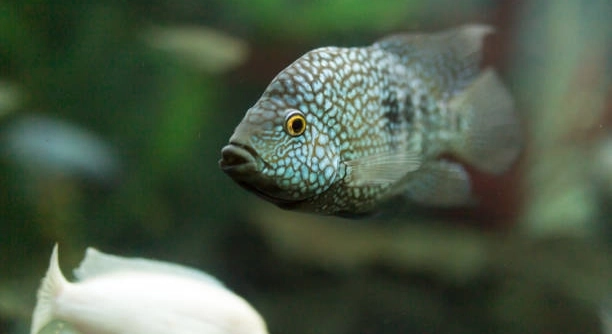
Caring for a Jack Dempsey fish means paying attention to small changes in behavior, color, and movement, since these signs often reflect how comfortable and secure the fish feels inside its aquarium environment daily routine.
Jack Dempsey fish feel unsafe due to environmental stressors such as inadequate tank size, aggressive tank mates, poor water quality, and insufficient hiding spaces, all of which disrupt normal behavior, elevate stress levels, and negatively affect long-term health and stability.
Recognizing these signals early allows owners to improve tank conditions and support a calmer, healthier life for their fish overall.
Hiding and Reduced Activity
I noticed that when a Jack Dempsey fish does not feel safe, it often spends long periods hiding behind rocks, plants, or tank decorations. This behavior usually replaces its natural curiosity and bold swimming patterns. Instead of exploring the tank, the fish stays still and avoids open spaces. Prolonged hiding can also reduce feeding activity, leading to weight loss over time. Stress hormones increase when the fish constantly feels threatened, which weakens its immune system. Factors like bright lighting, sudden movements near the tank, or a lack of secure shelters can contribute to this response. Providing caves, driftwood, and dimmer lighting helps restore confidence. When the environment feels predictable and calm, the fish gradually resumes normal movement and shows stronger interest in its surroundings again. This change often worries owners because the shift happens quietly and develops over days rather than appearing as a sudden problem inside the aquarium environment.
Hiding is not a personality trait but a response to stress. When safety improves, activity returns. Consistent observation helps catch this pattern early before health issues progress further. Small daily notes about movement, feeding, and posture make changes easier to recognize and address quickly in home aquariums settings today regularly.
When I adjusted my tank setup, I saw how sensitive this species can be to its surroundings. Even small changes matter. Rearranging decorations too often can remove familiar shelter. Keeping a stable layout helps the fish memorize safe zones. Gentle filtration also plays a role, since strong currents increase anxiety. Regular feeding schedules create predictability and reduce stress responses. Over time, the fish becomes more visible and confident. This improvement usually signals that its environment finally feels secure enough to support natural behavior without constant alertness. Patience and steady care allow these changes to last over longer periods of time.
Aggression and Color Changes
A stressed Jack Dempsey may show darker coloring or sudden aggression. These shifts indicate discomfort rather than dominance. Visual cues often appear before serious health decline becomes noticeable. Monitoring color consistency helps link behavior changes to environmental stressors early within the aquarium setting over time consistently for better awareness overall.
I learned that aggression in this species is often misunderstood. While Jack Dempsey fish are naturally assertive, excessive chasing, fin nipping, or flaring usually points to feeling unsafe. Tank mates that are too active or similar in size can increase tension. Limited space forces constant visual contact, which raises stress levels. Color changes also offer valuable insight. A darker body tone often appears when the fish feels threatened or overwhelmed. Poor water quality amplifies this reaction, as toxins irritate the skin and gills. Maintaining stable temperature, proper filtration, and routine water changes reduces this strain. Providing visual barriers breaks lines of sight and allows rest periods. When these adjustments are made, aggression softens and coloration stabilizes. Observing these shifts helps confirm that safety has been restored. Over time, behavior becomes more controlled, feeding improves, and the fish displays a calmer presence within the tank. This stability supports long-term health and reduces the risk of injury. Consistency matters most, since repeated disruptions can restart stress responses and undo progress made through careful environmental management. Quiet surroundings, controlled lighting, and appropriate tank mates reinforce a sense of safety over extended periods of time within home aquariums consistently when maintained properly long-term care.
Loss of Appetite
When a Jack Dempsey feels unsafe, eating habits often change quickly. Food may be ignored, spit out, or eaten very slowly. Stress reduces appetite and affects digestion. This pattern can appear within days and usually worsens if environmental conditions remain unstable without timely adjustments from consistent daily care routines maintained.
I noticed that refusal to eat is rarely about food quality alone. Tank stress plays a larger role. Loud rooms, tapping on glass, or frequent tank changes interrupt feeding comfort. Aggressive tank mates hovering during meals increase fear. Over time, skipped meals weaken energy levels and immune response. This makes recovery slower once conditions improve. Offering food at the same time daily builds predictability. Removing distractions during feeding also helps. Once safety improves, appetite usually returns gradually, showing the fish is regaining stability and comfort in its environment again with patience and consistent observation over several weeks at home tanks.
Long periods without proper eating can lead to visible weight loss and dull coloration. I have learned to watch body shape closely rather than relying on appetite alone. Sunken bellies signal prolonged stress. Addressing safety issues early prevents this decline. Improving hiding spots, adjusting lighting, and stabilizing water parameters support feeding recovery. Hand feeding is unnecessary and may increase stress. A calm setting matters more. Once trust rebuilds, normal feeding behavior supports growth, color vibrancy, and overall resilience within the aquarium over time when conditions remain stable and predictable daily for sensitive species like this fish in captivity settings long-term.
Rapid Breathing and Clamped Fins
Rapid breathing and tightly clamped fins are physical stress responses. Gill movement may appear faster even at rest. Fins stay close to the body instead of extended. These signs often appear together when the fish feels exposed or overwhelmed by surroundings or tank dynamics. I noticed this most after rearranging tanks or adding new fish suddenly without gradual transitions, which increased tension and reduced comfort levels significantly over short periods of time indoors often quickly.
Breathing rate reflects oxygen demand and stress load. Poor water quality, high ammonia, or low oxygen intensify this reaction. Strong currents can also force constant effort, increasing fatigue. Fin clamping reduces surface exposure and is linked to defensive posture. I found that correcting water parameters brought visible relief within days. Slower breathing and relaxed fins signaled improvement. Testing water weekly helps prevent recurrence. Gentle aeration and proper filtration maintain balance. When these signs persist, ignoring them leads to chronic stress. Early correction supports calmer behavior, better immunity, and a healthier aquarium environment long term. Consistency in maintenance routines reduces sudden shifts that trigger these physical responses in sensitive Jack Dempsey fish kept in enclosed home aquarium systems over extended care periods consistently managed daily well.
Erratic Swimming
Erratic swimming often appears when a Jack Dempsey feels unsafe inside the tank. Sudden darting, pacing, or spinning replaces smooth movement. This behavior reflects heightened alertness and confusion. It usually worsens after loud noises, sudden lighting changes, or aggressive encounters that remove any sense of control from the fish daily.
Constant movement drains energy and increases stress over time. I noticed this pattern after tank disruptions. Restlessness prevents proper feeding and recovery. Stabilizing the environment helps slow movement. Once the fish feels secure again, swimming becomes steady, controlled, and predictable, showing reduced stress and improved comfort levels within the tank.
Pale or Faded Coloration
Pale or faded coloration is another clear sign of insecurity. Stress hormones affect pigment cells, causing colors to dull or appear washed out. I have seen this happen when water parameters drift or hiding spots feel limited. Poor diet can worsen the effect, but safety issues usually trigger the change first. Consistent water quality, proper nutrition, and reduced visual stress help restore color gradually. As the fish relaxes, natural blues and speckling return. This process takes time, but steady improvement signals that environmental conditions are becoming supportive and stable again for long term health and visible confidence in captivity settings.
Frequent Glass Surfing
Repeated glass surfing often means the fish feels exposed. Swimming back and forth along the glass shows unease. I noticed this when tanks lacked cover or reflection increased. Adding background film and plants reduces reflections, helping the fish settle and remain calmer during daily activity periods inside the aquarium environment.
FAQ
How long does it take for a Jack Dempsey fish to feel safe again after changes?
The adjustment period depends on how disruptive the change was. Small adjustments like adding plants may take a few days. Larger changes, such as new tank mates or major rearranging, can take several weeks. I have found that stability matters more than speed. Avoid making repeated changes during this time. Keep lighting, feeding schedules, and maintenance routines consistent. The fish usually shows improvement through calmer swimming, better appetite, and relaxed fins before full confidence returns.
Can tank size affect how safe a Jack Dempsey feels?
Yes, tank size plays a major role in perceived safety. Limited space increases stress by reducing escape routes and increasing constant visibility. I noticed more hiding and aggression in smaller tanks. Larger tanks allow territory definition and rest areas. Adequate space reduces tension and supports natural movement. This species benefits from room to retreat when overwhelmed, which directly supports long-term comfort and health.
Do tank mates influence stress levels?
Tank mates have a strong impact on behavior. Fast, aggressive, or similarly sized fish often cause ongoing stress. Even peaceful fish can create tension if space is limited. I learned that visual barriers help reduce this issue. When tank mates are well matched in temperament and size, stress signs decrease. Careful selection prevents repeated confrontations and supports a calmer environment overall.
Does lighting affect a Jack Dempsey’s sense of safety?
Lighting has a noticeable effect. Bright or sudden lighting increases alert behavior and hiding. I observed calmer behavior after reducing brightness and using gradual light timers. Dimmer lighting mimics natural conditions and reduces exposure stress. Providing shaded areas allows the fish to regulate comfort. Balanced lighting supports normal activity without overstimulation.
How important are hiding spots?
Hiding spots are essential, not optional. Caves, rocks, and driftwood provide security zones. Without them, the fish feels constantly exposed. I noticed immediate improvement after adding structured shelters. These areas reduce stress hormones and allow rest. Multiple hiding spots prevent competition and promote confidence over time.
Can poor water quality make a fish feel unsafe even if behavior seems normal at first?
Yes, water quality issues often cause delayed behavioral changes. Elevated ammonia or unstable temperature slowly increase stress. I learned to test water regularly rather than relying on appearance alone. By the time behavior changes, stress has already affected the body. Stable parameters support both physical health and emotional balance.
Is aggression always a sign of feeling unsafe?
Not always, but excessive aggression usually is. Normal assertiveness looks controlled. Stress-driven aggression appears constant and reactive. I noticed that correcting environmental issues reduced aggression without separating fish. This confirmed that safety, not temperament, was the underlying issue in most cases.
Can frequent tank maintenance increase stress?
Yes, over-maintenance can be disruptive. Frequent deep cleaning removes familiar cues and scents. I now space out major cleanings and avoid moving decorations unnecessarily. Gentle, routine maintenance supports stability. Predictable environments help the fish feel secure over time.
Does feeding method affect stress levels?
Feeding itself can be stressful if rushed or competitive. Dropping food suddenly or allowing tank mates to crowd increases fear. I feed slowly and at consistent times. This routine builds predictability. Calm feeding supports appetite and reduces defensive behavior during meals.
What is the earliest sign that a Jack Dempsey feels unsafe?
Subtle changes appear first. Reduced activity, slight color dulling, or hesitation during feeding often come before obvious stress signs. I pay attention to small shifts rather than waiting for severe symptoms. Early recognition makes correction easier and prevents long-term strain.
Can stress become permanent if ignored?
Prolonged stress causes lasting health effects. Immune suppression, slowed growth, and recurring illness can develop. I learned that ignoring early signs leads to harder recovery later. Addressing safety concerns early preserves resilience and supports long-term stability.
Is consistency more important than perfection?
Yes, consistency matters more. Perfect conditions that constantly change cause stress. Stable, predictable care builds trust. I focus on maintaining steady routines rather than frequent adjustments. This approach supports calm behavior and overall well-being over time.
Final Thoughts
Caring for a Jack Dempsey fish requires attention to details that are easy to overlook. Behavior, movement, color, and feeding patterns often communicate more than visible illness. I have learned that safety is not about one single factor but a combination of stable conditions working together. When the tank feels predictable, the fish responds with calmer movement and stronger presence. Sudden changes, even small ones, can disrupt that balance. This species reacts quickly to stress, and those reactions may appear subtle at first. Paying attention early helps prevent long-term strain. Creating a secure environment does not require constant adjustments, but it does require consistency. Stable water quality, proper space, and reliable routines form the foundation of comfort. Over time, these basics shape how the fish behaves and how resilient it becomes. Safety supports both physical health and emotional stability within the aquarium.
I also found that patience plays a major role in long-term success. Improvements rarely happen overnight. When conditions are corrected, the fish often needs time to trust the environment again. During this period, restraint matters. Avoiding unnecessary changes allows the fish to settle. Observing quietly instead of reacting to every small shift helps reveal real progress. I noticed that once safety is restored, behaviors improve in a steady, natural way. Swimming becomes smoother, appetite strengthens, and color gradually deepens. These changes confirm that the environment is supportive. The goal is not perfection but reliability. A calm tank with predictable patterns allows the fish to relax and behave naturally. This steady approach reduces stress and supports healthier outcomes over time.
Understanding safety from the fish perspective changes how care decisions are made. What feels minor to an owner may feel overwhelming inside the tank. Noise, lighting, and constant activity around the aquarium all matter. I now view the tank as a controlled space where stability is more important than visual variety. When the fish feels secure, it does not need to hide or defend itself constantly. This leads to fewer health concerns and a more rewarding experience overall. Consistent care builds trust between owner and fish. That trust shows through behavior and long-term well-being. Focusing on safety creates a healthier environment that benefits both the fish and the person caring for it.

Hello,
If you enjoy the content that we create, please consider saying a "Thank You!" by leaving a tip.
Every little bit helps us continue crafting quality advice that supports the health, happiness, and well-being of pets around the world, for pets of all shapes, sizes, and species.
We really appreciate the kindness and support that you show us!