
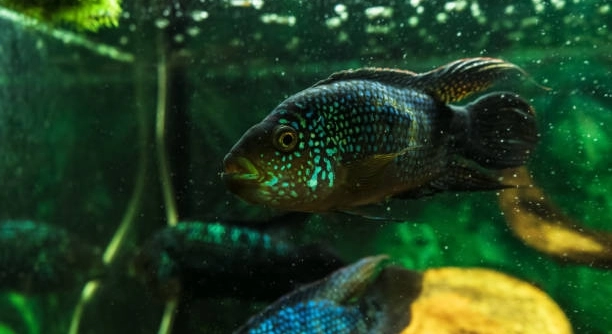
When Dempsey fish first hatch, their early days can feel delicate and uncertain for any aquarist watching closely. Understanding these initial stages helps create calmer expectations and better preparation for proper care from the beginning.
Newly hatched Dempsey fry remain attached to surfaces, relying on their yolk sacs for nutrition while developing mobility. During this period, parental guarding increases, water stability is critical, and external feeding should be delayed until free swimming begins naturally consistently.
Knowing what unfolds during hatching makes it easier to support growth, reduce stress, and encourage healthy development long term successfully.
The First Days After Hatching
When Dempsey fry first emerge, their behavior remains limited and tightly linked to survival instincts. I notice they stay clustered near the spawning site, barely moving except for subtle wiggles. At this stage, stability matters more than intervention. Lighting should stay soft, water flow gentle, and tank activity minimal. Sudden changes can cause stress or loss. Clean water supports development, but aggressive cleaning should wait. Parents often relocate fry to shallow pits, which is normal and protective. I find it helpful to observe without interfering. These early days are about protection, patience, and consistency. Every small adjustment influences growth, strength, and survival rates. Maintaining steady temperature, consistent filtration, and calm surroundings allows the fry to progress naturally until they are ready for the next stage. This careful approach reduces unnecessary losses and gives me confidence that I am supporting healthy development during a very fragile period for young fish early.
During these first days, feeding is unnecessary and can create water issues. The fry survive on yolk sacs, and adding food too early often causes waste buildup and instability. I prefer waiting until free swimming begins to avoid harming water quality and overall fry health during this sensitive stage early.
Parental behavior becomes more noticeable once eggs hatch. Both adults usually guard the area closely and react strongly to perceived threats. I have learned to respect this instinct and keep my hands out of the tank. Removing parents too soon can lead to losses, while leaving them can improve survival. However, not all pairs behave predictably. Some may become overly aggressive or stressed. Watching their interactions helps guide decisions. Providing hiding areas and visual barriers reduces tension. Balanced observation allows me to step in only when absolutely necessary for fry safety. This measured approach keeps conditions stable and minimizes interference.
Tank Conditions and Early Care
Stable tank conditions play a major role in early survival. Temperature consistency, gentle filtration, and low noise levels help reduce stress and support proper development during the earliest stages. I aim for small adjustments only, avoiding sudden changes that could disrupt fragile biological balance in the tank during early care.
As the fry develop, their needs slowly change, and my role becomes more active but still controlled. Once free swimming begins, feeding schedules matter. I start with very fine foods, offering small amounts and watching water clarity closely. Overfeeding leads to rapid decline, so restraint is essential. Regular observation helps detect problems early, such as weak swimmers or uneven growth. Water changes should be frequent but minimal, preserving beneficial bacteria. I siphon carefully to avoid removing fry. Lighting can increase slightly to support visibility during feeding, but moderation remains important. Parents may continue guarding, though aggression can shift. If tension rises, separation may be necessary. Every tank is different, and flexibility supports better outcomes. By staying consistent and attentive, I create an environment where young Dempsey fish can grow stronger, healthier, and more resilient over time. This stage requires patience and routine. I keep notes, track changes, and resist rushing progress. Small successes appear gradually. Healthy fry show steady movement, improved coordination, and balanced growth. By respecting their pace and maintaining calm habits, long term stability becomes easier to achieve. This consistency reduces losses and supports predictable development within a controlled home aquarium environment over the following weeks with care.
Feeding Adjustments as Fry Grow
Once free swimming begins, feeding becomes necessary but must remain controlled. I introduce powdered or liquid fry food in very small amounts, focusing on frequency rather than volume. Clean water matters more than rapid growth, so restraint supports survival and steadier development during this stage for young fish overall health.
As days pass, fry begin showing stronger movement and improved coordination. I slowly adjust feeding size while maintaining consistency. Uneaten food is removed quickly to protect water quality. Multiple small feedings reduce waste and stress. I avoid variety early, sticking to proven foods. Sudden changes often cause setbacks. Observation guides adjustments, not assumptions. Growth rates differ, and weaker fry may lag behind. Stable conditions allow them time to catch up. Patience remains important, especially when progress feels slow. Rushing growth often leads to avoidable losses later in home aquariums where control and consistency matter most during early fry development stages.
Separation may become necessary as fry grow and parental behavior shifts. I watch for excessive aggression or reduced guarding. If adults begin chasing fry, intervention prevents losses. A separate grow out tank should match original water parameters closely. Sudden differences cause shock. Gentle filtration and shallow depth support feeding efficiency. I move fry carefully using containers, never nets. Stress reduction remains the priority. After separation, feeding and cleaning routines become easier to manage. This step supports even growth and reduces unpredictable risks over time for the developing fry during continued care in controlled tank environments within home aquarium setups long.
Monitoring Health and Development
Daily observation helps catch problems early. I look for consistent swimming, clear eyes, and steady feeding responses. Uneven growth can happen, but sudden weakness signals trouble. Removing waste promptly keeps conditions stable. I avoid drastic changes, relying on small corrections. This steady approach builds confidence and prevents avoidable stress during sensitive growth periods for young fish kept in home tanks where stability supports long term health outcomes for developing Dempsey fry over time safely consistently.
Tracking development over weeks provides useful patterns. I note feeding behavior, size differences, and activity levels. Consistent records make adjustments clearer and reduce guesswork. Minor losses can occur, even with careful care, and accepting this helps maintain perspective. Water testing remains routine, not reactive. Cleanliness, patience, and observation work together. As fry mature, spacing becomes important to prevent competition. Gradual thinning may be required. I prefer moving stronger individuals first, giving smaller fry time. This balanced method supports healthier groups and steadier outcomes without unnecessary intervention or constant changes. Over time, this approach reduces stress, improves survival rates, and creates predictable results within controlled aquarium systems at home while maintaining realistic expectations and manageable routines for daily care during early growth stages of fry development.
Managing Space as Fry Develop
As fry gain size, tank space becomes more important for balanced growth. Crowding leads to uneven feeding and increased stress. I monitor density closely and remove weaker individuals when needed. This allows remaining fry to access food evenly and develop stronger swimming ability over time without constant disruption or panic.
I avoid frequent rearranging of decorations during this phase. Stable surroundings help fry feel secure and focus on feeding. When changes are required, I adjust slowly and observe behavior afterward. Calm environments reduce losses and support predictable development as growth continues steadily over the following weeks in captivity safely consistently.
Maintaining Water Quality With Growth
Water maintenance becomes more demanding as feeding increases. I rely on small, frequent water changes rather than large cleanings. This keeps parameters stable while removing waste. Siphoning gently prevents fry loss. Filters should remain clean but not sterile. Beneficial bacteria support balance. I test water regularly and respond early to ammonia spikes. Consistency matters more than perfection. When routines stay predictable, fry adjust better and show stronger appetites, improved activity, and steadier growth without sudden setbacks caused by overcorrection or rushed maintenance decisions. This approach reduces stress and improves survival rates long term for developing fish under home aquarium conditions.
Behavioral Changes Over Time
As fry mature, behavior becomes more defined and social spacing matters. I watch for bullying during feeding and separate individuals when necessary. Providing visual breaks helps reduce tension. These small adjustments support calmer tanks and healthier growth patterns as juveniles continue developing over time with consistent care routines in captivity.
FAQ
How long do Dempsey fish fry stay attached after hatching?
After hatching, Dempsey fry usually remain attached to surfaces for several days. During this time, they rely fully on their yolk sacs for nutrition and do not require feeding. I notice very limited movement, mostly small wiggles. This stage is normal and should not cause concern. Stable water conditions and minimal disturbance are most important here. Any attempt to feed or relocate fry too early often leads to losses. Waiting patiently allows them to develop strength before free swimming begins.
When should feeding begin for newly hatched Dempsey fry?
Feeding should only begin once the fry are clearly free swimming. I wait until they leave the spawning site and move as a group. Starting food earlier usually causes water quality problems. Once ready, very fine fry food works best. I feed small amounts several times a day rather than one large feeding. This method keeps waste low and supports steady growth without overwhelming their digestive systems.
Is it better to leave the parents with the fry?
In many cases, leaving the parents improves fry survival. Dempsey parents often guard, relocate, and protect their young effectively. I prefer observing behavior before making changes. If parents remain calm and attentive, I leave them in place. However, if aggression increases or guarding stops, separation may become necessary. Each pair behaves differently, so watching closely helps guide the best decision for fry safety.
What tank conditions are most important during early growth?
Stable temperature, gentle filtration, and clean water matter most. I avoid strong currents and sudden changes. Small, frequent water changes work better than large ones. Lighting should remain moderate, especially during early stages. Fry respond best to predictable conditions. Sudden shifts in temperature or water chemistry often cause stress and slow development. Consistency supports healthier, stronger growth over time.
How often should water changes be done for fry tanks?
I perform small water changes several times a week, sometimes daily if feeding increases. Removing waste without disturbing fry takes patience. I siphon carefully and avoid deep cleaning. Clean water supports growth, but overcleaning removes beneficial bacteria. Balance is key. Monitoring water parameters helps decide timing rather than following a strict schedule.
Why do some fry grow faster than others?
Uneven growth is common among Dempsey fry. Differences in feeding access, strength, and genetics all play roles. I notice stronger fry often reach food first. Providing multiple feeding spots helps reduce this gap. Over time, slower fry may catch up if conditions remain stable. Immediate separation is not always needed unless competition becomes severe.
When should fry be moved to a grow out tank?
Fry can be moved once they are stronger swimmers and feeding confidently. I wait until they handle gentle movement without stress. The grow out tank should closely match original water conditions. Sudden differences cause shock. Moving fry carefully using containers instead of nets reduces injury. This step often makes feeding and cleaning easier long term.
What signs indicate poor health in fry?
Warning signs include weak swimming, isolation from the group, lack of feeding response, or cloudy eyes. Sudden changes usually signal water issues. I respond with small adjustments rather than drastic changes. Early action often prevents losses. Daily observation helps catch these issues before they worsen.
How can overcrowding affect development?
Overcrowding increases stress and uneven growth. Fry may compete aggressively for food, leading to size gaps. I monitor density closely as they grow. Reducing numbers gradually improves feeding access and water quality. Space supports calmer behavior and steadier development.
Do Dempsey fry need special lighting?
Bright lighting is unnecessary and can increase stress. I use moderate lighting that allows visibility during feeding without overwhelming them. Gradual adjustments work better than sudden changes. Calm lighting conditions support feeding routines and reduce panic responses during early development stages.
How long does it take for fry to look like juveniles?
Development speed varies, but noticeable changes occur over several weeks. Fry gradually gain color, stronger fins, and improved coordination. I focus less on timelines and more on behavior and health. Steady progress matters more than rapid growth.
Caring for Dempsey fry from the moment they hatch requires patience, restraint, and consistency. Over time, I have learned that doing less often leads to better results. Stable water, predictable routines, and careful observation create a foundation that supports steady growth. Fry respond best when conditions remain calm and changes happen slowly. Rushing feeding, cleaning, or separation usually creates more problems than it solves. Each stage builds on the last, and skipping steps often leads to setbacks. By focusing on fundamentals like water quality, spacing, and feeding control, long term outcomes become more reliable. Losses can still occur, even with proper care, and accepting this reality helps maintain perspective. The goal is not perfection, but balance. When that balance is achieved, fry development becomes more consistent and manageable within a home aquarium.
As the fry mature, flexibility becomes just as important as routine. Not every group develops at the same pace, and adjustments should reflect what is actually happening in the tank. Observation provides better guidance than strict timelines. I pay attention to behavior, feeding response, and movement rather than size alone. Small changes made early often prevent larger issues later. Separating fry, adjusting feeding schedules, or modifying tank space should always be done with care. Sudden changes tend to increase stress and slow progress. Keeping notes has helped me identify patterns and avoid repeating mistakes. Over time, this approach builds confidence and reduces unnecessary intervention. Consistency does not mean rigidity. It means responding calmly and deliberately as conditions evolve.
Raising Dempsey fry is a process that rewards patience and attentiveness. The early stages can feel slow, but steady progress becomes more noticeable with time. Healthy fry show improved coordination, balanced growth, and calmer behavior. These signs confirm that the environment is working. I remind myself that development is gradual and uneven by nature. Comparing fry to ideal growth charts often leads to frustration. Focusing instead on stability and overall health creates better outcomes. Long term success comes from maintaining realistic expectations and steady habits. With careful care, fry transition into strong juveniles capable of thriving under continued proper conditions. This steady, thoughtful approach supports healthier fish and a more predictable experience overall.

Hello,
If you enjoy the content that we create, please consider saying a "Thank You!" by leaving a tip.
Every little bit helps us continue crafting quality advice that supports the health, happiness, and well-being of pets around the world, for pets of all shapes, sizes, and species.
We really appreciate the kindness and support that you show us!