
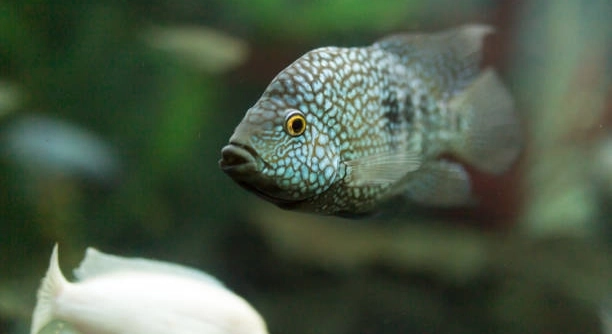
Have you ever noticed your Jack Dempsey fish swimming cautiously when you approach the tank? These colorful cichlids can show a wide range of behaviors, from curious interaction to clear avoidance of human presence. Their reactions are often subtle.
Jack Dempsey fish generally avoid direct human contact, especially if they are not accustomed to handling. This behavior is influenced by their natural instincts, territorial nature, and stress response, which makes them maintain distance from potential threats or disturbances.
Understanding how your fish perceives its environment can improve care and interaction. Observing their natural behaviors will help you create a comfortable, stress-free space for them.
How Jack Dempsey Fish React to Humans
Jack Dempsey fish are naturally cautious around humans, especially when they sense sudden movements near their tank. They may retreat to hiding spots or stay near decorations to feel secure. Over time, some may become familiar with regular activity and reduce their initial fear. Their reactions are often subtle, such as slowing their swimming or pausing to observe. Lighting, tank size, and presence of other fish can influence their comfort level. Maintaining a consistent environment helps them feel safe and reduces unnecessary stress. Feeding routines also play a role, as predictable interactions can make them slightly more approachable. Avoid tapping on the glass or sudden hand movements, as these actions trigger defensive behaviors. For aquarists, patience is key. Regular observation without forcing interaction allows Jack Dempseys to gradually adapt to human presence while keeping their natural instincts intact and their stress levels low, promoting healthier overall behavior.
Consistency in interaction helps Jack Dempsey fish gradually tolerate human presence. Avoiding sudden movements is crucial for their comfort and safety.
Introducing enrichment items like plants, rocks, and caves improves their sense of security. Observing their patterns and respecting boundaries allows them to explore the tank confidently. With time, they may occasionally come closer during feeding, though full trust is rare. Proper care, environment, and gentle interaction can make a noticeable difference in how these fish respond to humans, creating a calmer, more balanced tank atmosphere.
Signs of Stress and Avoidance
Stress in Jack Dempsey fish can manifest through hiding, erratic swimming, or loss of color. Recognizing these signs early helps prevent long-term health issues.
Prolonged exposure to perceived threats can cause chronic stress, leading to weakened immune systems and reduced appetite. Avoid overcrowding and maintain clean, well-oxygenated water to minimize tension. Sudden environmental changes, such as temperature fluctuations or loud noises, often trigger avoidance behaviors. Observing body language like flared fins or rapid movements helps identify discomfort. By understanding these signals, caretakers can adjust handling and interaction approaches. Regular monitoring of tank conditions and fish behavior ensures that Jack Dempsey fish remain healthy and maintain their natural curiosity without undue fear. Adjustments in tank layout, feeding times, and gentle, predictable interaction can gradually build a more comfortable setting for them. This approach reduces stress-related behaviors and promotes a more stable, engaging environment that respects their instinctual boundaries while allowing occasional observation and interaction.
Interaction Tips for Jack Dempsey Fish
Regular, gentle observation helps Jack Dempsey fish become more comfortable with human presence. Avoid sudden movements near the tank and maintain a predictable routine to reduce stress. Feeding at consistent times encourages recognition without forcing interaction.
Providing hiding spots like caves or dense plants gives Jack Dempsey fish a sense of security. They feel safer when they can retreat if startled, which reduces stress and aggressive behavior. Using slow, steady hand movements during feeding prevents them from associating humans with danger. Over time, some fish may swim closer during feeding, showing cautious familiarity. Patience and consistency are key, as forcing interaction can increase fear and trigger avoidance. Observing their responses helps you adjust tank conditions and handling practices. Maintaining clean water and proper tank size complements these interaction strategies.
When introducing new tank mates or decorations, allow time for Jack Dempsey fish to adjust. Avoid sudden changes that may startle them. Gentle, predictable routines foster trust and encourage calmer behavior. Over time, you may notice them exploring more openly and showing curiosity around familiar human presence. This slow acclimation helps reduce stress and supports their natural instincts, promoting a healthier, more balanced tank environment. Consistency, patience, and careful observation are essential for managing interactions successfully.
Feeding and Human Contact
Jack Dempsey fish respond best to regular feeding schedules and familiar routines. Predictable patterns create comfort and reduce stress during human interaction.
Feeding techniques directly influence how Jack Dempsey fish perceive humans. Offering food at the same time each day helps them recognize that human presence is not threatening. Using feeding tools or fingers cautiously allows them to associate humans with positive experiences without fear. Avoid overfeeding, as excess food can degrade water quality and increase stress. Observing their behavior during feeding provides insight into their comfort levels. Adjusting feeding methods to match their reactions encourages more natural, confident behavior. Maintaining a calm environment during these times enhances their trust and minimizes defensive reactions.
Over time, Jack Dempsey fish can learn to associate human presence with food, though their cautious nature remains. Consistent routines combined with a secure tank setup allow them to explore and interact with minimal stress. Sudden movements or tapping on the glass can undo progress, so predictability is crucial. Enrichment like plants, caves, and hiding areas during feeding encourages natural foraging behaviors and reduces fear. Careful attention to water quality, diet, and gentle handling supports both their physical health and mental well-being. Gradual acclimation fosters a more balanced relationship between humans and Jack Dempsey fish, enhancing overall tank harmony.
Common Behavioral Patterns
Jack Dempsey fish often patrol their territory, especially around plants or rocks. They may display brief aggression toward other fish but usually retreat from humans. Consistent observation helps you understand their normal activity levels.
They often hide when stressed or startled. Recognizing these patterns allows for adjustments in tank setup or human interaction, ensuring they feel secure.
Gradual Acclimation Techniques
Introducing Jack Dempsey fish to human presence slowly improves comfort. Start by spending time near the tank without sudden movements. Over several days, try feeding them gently by hand or using tools. Avoid reaching in abruptly, as this can trigger defensive behavior. Gradual acclimation reduces stress, allowing them to associate humans with neutral or positive experiences. Providing stable water conditions, hiding spots, and consistent feeding routines supports this process. Observing responses carefully ensures you do not push them too quickly, maintaining a safe, calm environment. Over time, some fish may swim closer during feeding, showing cautious familiarity and reduced avoidance.
Tank Environment Considerations
Plants, rocks, and caves create secure areas for Jack Dempsey fish. These additions reduce stress and promote natural behaviors.
FAQ
Do Jack Dempsey fish ever enjoy human contact?
Jack Dempsey fish are naturally cautious and territorial, so full enjoyment of human contact is uncommon. They may become familiar with your presence over time, especially during feeding, but their instinct is to stay alert. Gentle, consistent interaction can reduce fear, but they rarely seek out physical contact.
How can I tell if my Jack Dempsey is stressed by humans?
Signs of stress include hiding for long periods, rapid swimming, flared fins, loss of color, or refusing food. Sudden movements near the tank or tapping on the glass often trigger these reactions. Monitoring these behaviors helps you adjust your handling and tank setup.
Can feeding by hand help them tolerate humans?
Yes, slow and careful hand feeding can build familiarity. Start by offering food using a tool or your fingers without sudden movements. Avoid reaching too far or moving quickly, as this can cause fear. Over time, they may associate human presence with positive experiences.
What tank setup makes them feel safe around humans?
Providing hiding spots like rocks, caves, and dense plants is essential. Adequate space, consistent water quality, and a stable environment reduce stress. When they feel secure in their territory, Jack Dempsey fish are more likely to observe humans without retreating constantly.
How long does it take for them to get used to me?
Acclimation varies. Some fish may show slight familiarity within a few weeks of consistent routines, while others take several months. Patience is key. Avoid forcing interaction and respect their natural instincts to reduce stress and encourage cautious comfort.
Should I ever try to touch my Jack Dempsey fish?
Physical contact is not recommended. They are sensitive to handling and may become stressed or aggressive. Focus on gentle observation and feeding routines to build trust. Let them approach on their own terms rather than forcing contact.
Do tankmates affect their interaction with humans?
Yes, other fish can influence behavior. Aggressive or active tankmates may increase stress and avoidance. Maintaining compatible species and sufficient space helps Jack Dempsey fish feel secure and more tolerant of human presence.
Can their behavior change with age?
Older fish may be more territorial and cautious. Younger Jack Dempseys might be slightly more curious, but natural instincts remain. Consistent care, feeding, and environmental stability influence how comfortable they become around humans over time.
Is it normal for them to always hide when I approach?
Yes, hiding is a natural response. It does not necessarily indicate illness. Consistent, non-threatening presence and stable conditions encourage them to explore and reduce prolonged hiding. Respecting their boundaries helps them adapt without stress.
Can I improve interaction with enrichment?
Yes, adding plants, rocks, and caves encourages natural behaviors and reduces stress. Introducing slow changes and occasional visual enrichment allows Jack Dempsey fish to observe humans without feeling threatened, improving tolerance gradually.
Are there any signs they trust me?
Subtle behaviors indicate comfort: swimming closer during feeding, observing calmly, or pausing near your hand. These signs show cautious trust. Trust develops slowly, and respecting their instincts is essential to maintain a positive relationship.
What mistakes commonly make them avoid humans?
Sudden movements, tapping the glass, overcrowding, inconsistent feeding, or drastic environmental changes increase avoidance. Avoid these actions to encourage calm behavior. Gradual routines, gentle feeding, and secure hiding spots foster a more relaxed interaction over time.
How does water quality affect their behavior?
Poor water quality increases stress, making them more likely to hide or act aggressively. Maintaining proper filtration, temperature, and cleanliness is crucial. Healthy conditions allow Jack Dempsey fish to explore more freely and reduce avoidance of human presence.
Can I encourage them to interact more visually without touching?
Yes, positioning yourself quietly near the tank during feeding or enrichment encourages observation. Avoid sudden gestures or shadows, and let them become familiar with your presence. Visual recognition without physical contact is the safest way to improve interaction.
What is the best way to feed multiple Jack Dempsey fish without stress?
Use slow, distributed feeding to prevent competition. Provide food in different areas of the tank so each fish can eat safely. Consistent timing and gentle approaches minimize stress and reduce fear of human presence during feeding sessions.
How often should I observe them for changes in behavior?
Daily observation helps detect early signs of stress or health issues. Noting patterns in hiding, swimming, and feeding behavior allows you to adjust the environment or interaction methods, ensuring their well-being and comfort with humans over time.
Are some Jack Dempsey fish naturally more tolerant of humans?
Yes, individual temperament varies. Some may show curiosity and reduced avoidance sooner, while others remain cautious. Regardless of temperament, consistent routines, patience, and a secure environment support healthier, more confident behavior over time.
Can they be trained to associate humans with feeding?
They can learn to expect food at specific times, which encourages calm observation of humans. Training should be gradual, avoiding sudden movements. Repeated, gentle interactions help them link human presence with positive experiences while respecting their natural instincts.
Is it okay to rearrange the tank to encourage interaction?
Minor changes can be helpful, but sudden or drastic rearrangements increase stress. Introduce new decorations slowly and maintain hiding areas. Gradual adjustments allow Jack Dempsey fish to explore confidently without retreating excessively, promoting calmer behavior around humans.
Do Jack Dempsey fish recognize the same human over time?
They can become familiar with a regular presence, especially during feeding. Recognition is subtle, often through observation and routine patterns rather than active engagement. Predictable human behavior supports cautious familiarity and reduces avoidance over time.
How can I ensure their long-term comfort with human presence?
Maintain stable water conditions, consistent feeding routines, secure hiding spots, and gentle observation. Avoid forcing interaction. Regular monitoring of behavior and gradual acclimation techniques help Jack Dempsey fish stay comfortable and reduce stress, fostering a calm, balanced tank environment.
Final Thoughts
Jack Dempsey fish are naturally cautious and territorial, which makes them careful around humans. They often prefer to observe from a distance rather than interact directly. Understanding their instincts is key to keeping them comfortable in an aquarium setting. These fish rely on a sense of security in their environment to feel safe, so providing hiding spots like caves, rocks, and dense plants is essential. When they have safe areas to retreat to, they are less likely to become stressed or show defensive behavior. Even small adjustments to the tank layout or routine can make a noticeable difference in their comfort levels.
Consistency in daily care plays a major role in reducing avoidance behavior. Feeding at the same time each day helps Jack Dempsey fish associate human presence with a positive experience. Gradual acclimation, such as spending quiet time near the tank without sudden movements, allows them to become familiar with your presence. Over time, some fish may swim closer during feeding, indicating cautious trust. However, physical contact is rarely welcomed, and forcing interaction can increase stress. Patience is important, as each fish develops tolerance at its own pace. Observing subtle cues, such as changes in swimming patterns or hiding habits, helps determine their comfort level and guides how you approach interaction.
Maintaining proper tank conditions is equally important for long-term well-being. Clean, well-filtered water, stable temperature, and appropriate tankmates reduce stress and create a stable environment. Jack Dempsey fish respond best when their surroundings are predictable and secure. Providing enrichment, such as plants and hiding areas, encourages natural behaviors and prevents boredom while supporting their confidence in the presence of humans. By respecting their instincts, creating a consistent routine, and monitoring behavior closely, caretakers can foster a calmer, healthier tank environment. While these fish may never actively seek human interaction, gentle observation, proper care, and patience allow for a more balanced and stress-free experience for both the fish and the person caring for them.
Would you like me to continue with the next header following the same style and word count guidance?

Hello,
If you enjoy the content that we create, please consider saying a "Thank You!" by leaving a tip.
Every little bit helps us continue crafting quality advice that supports the health, happiness, and well-being of pets around the world, for pets of all shapes, sizes, and species.
We really appreciate the kindness and support that you show us!