
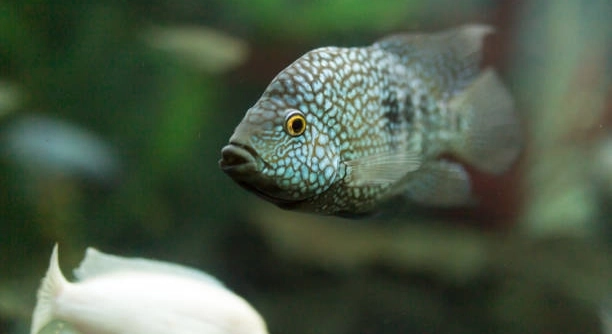
Have you ever wondered how to properly raise a Jack Dempsey fry into a healthy adult? Watching them grow can be rewarding, but it requires care, proper feeding, and attention to their tank environment to ensure success.
Successfully transitioning Jack Dempsey fry to adults involves controlled feeding schedules, maintaining stable water conditions, and monitoring growth. Providing appropriate tank space, regular water changes, and gradual introduction of adult food ensures their development into healthy, robust adult fish.
Understanding these key steps will help you nurture your fry effectively and avoid common problems during their early growth stages. Careful attention makes a lasting difference in their survival and well-being.
Preparing the Tank for Fry
Before introducing your Jack Dempsey fry, it is essential to prepare the tank carefully. A small, shallow tank works best initially, around 10 to 20 gallons, depending on the number of fry. Use a sponge filter to avoid sucking in the tiny fish, and keep water conditions stable. The temperature should remain around 78 to 82°F, and a pH of 6.5 to 7.5 is ideal. Decorate with smooth rocks or gentle plants to give fry hiding spaces. Avoid strong currents, as fry are fragile swimmers. Daily monitoring of water quality is crucial, including ammonia, nitrite, and nitrate levels. Partial water changes help maintain cleanliness and prevent stress, which can stunt growth or lead to disease. Consistency in the environment makes the fry feel secure and encourages normal development. Feeding schedules should start with frequent, small meals to ensure steady growth without polluting the water.
Careful tank preparation ensures the fry have a safe, stable space to grow and develop healthily.
Providing the proper tank setup reduces stress, encourages healthy swimming patterns, and supports their early growth. Attention to water quality, gentle filtration, and consistent temperature is vital to avoid early mortality. Hiding spots help fry feel secure and reduce aggression. Maintaining these conditions establishes a strong foundation for the fry’s long-term survival, helping them transition smoothly into juvenile and eventually adult stages. Small, frequent feedings complement the tank setup, ensuring nutrition without compromising water quality. Monitoring the environment daily helps identify issues before they become serious. Overcrowding must be avoided, as it can lead to stunted growth and increased aggression. By paying attention to these details, the fry remain active, healthy, and ready to adapt to larger tanks as they mature. Preparing the tank properly is the first critical step in raising strong, resilient adult Jack Dempseys.
Feeding Strategies for Healthy Growth
Feeding the fry correctly is key to their survival. Begin with finely crushed flakes or specialized fry food.
As fry grow, gradually increase the size of food and frequency of feeding. Small meals multiple times a day support steady growth and prevent water pollution. Live foods like baby brine shrimp can enhance nutrition and encourage natural hunting behavior. It is important to observe how much the fry consume at each feeding and remove uneaten food promptly. Overfeeding can cause water quality issues, while underfeeding may stunt growth. A balanced diet that includes protein and vitamins promotes stronger immune systems, vibrant colors, and proper development of fins and body structure. Transitioning slowly to adult food as fry reach a certain size avoids digestive problems. Recording feeding routines and growth rates helps ensure each fish is developing properly and allows for adjustments as needed.
Consistent, well-planned feeding improves survival rates, supports healthy growth, and lays the foundation for strong adult fish. Proper diet management keeps fry active and minimizes potential health issues, making later stages easier to handle. Gradual changes in diet and portion sizes prevent stress and digestive problems while encouraging natural behaviors like foraging. Feeding live foods occasionally boosts immunity and adds variety, while routine observation ensures all fry are eating adequately. Tracking growth patterns alongside feeding practices allows adjustments to maintain steady development. Balanced nutrition also strengthens coloration and fin growth, preparing the fry for social interactions in larger tanks. Over time, a structured feeding strategy contributes directly to their overall health, vitality, and readiness for adulthood.
Water Quality Maintenance
Maintaining clean water is crucial for Jack Dempsey fry. Frequent water changes, proper filtration, and monitoring of ammonia, nitrite, and nitrate levels prevent stress and disease. Stable water parameters support growth and reduce mortality in the early stages.
Daily observation of water clarity and chemical levels helps identify problems early. A sponge filter works well without disturbing fry, and partial water changes of 20-30% every two to three days keep conditions stable. Temperature should remain consistent, and adding dechlorinated water avoids chemical shocks. Avoid overcrowding, as too many fry can quickly deteriorate water quality. Proper maintenance creates a safe environment for feeding, growth, and activity, reducing stress and promoting strong immune systems.
Over time, a routine cleaning schedule ensures the tank remains a healthy environment. Testing water weekly with simple kits allows early intervention if ammonia or nitrite spikes occur. Avoid sudden temperature changes, as fry are sensitive and can easily become stressed. Aeration and gentle water flow maintain oxygen levels, supporting metabolism and energy. Healthy water encourages normal feeding, growth, and activity patterns, making fry more resilient. With consistent attention, fry transition smoothly toward juvenile stages without major setbacks.
Gradual Introduction to Adult Diet
Introducing adult food gradually reduces digestive problems and prepares fry for later growth. Start with softened flakes or small pellets, increasing size as they grow.
Mixing adult food with fry-specific meals ensures proper nutrition while avoiding overloading the digestive system. Observe which fry adapt quickly and which need longer periods to adjust. Provide protein-rich options like frozen or live foods alongside flakes to stimulate natural feeding instincts. Slowly reducing fry food while increasing adult food helps fry digest more efficiently. Monitor growth and behavior closely during this phase to identify any health concerns. Gradual transitions improve survival and long-term health, making the shift smoother for both the fry and the tank environment.
Maintaining a balanced diet during this transition is essential for robust adult fish. Start by replacing one feeding of fry food with softened adult flakes, then gradually increase the ratio over several weeks. Protein sources such as live brine shrimp or finely chopped bloodworms complement adult flakes and improve coloration. Avoid sudden changes in diet, which can stress the fry and cause digestive issues. Record feeding responses and adjust portions to prevent overfeeding or underfeeding. This approach supports healthy growth, strengthens immunity, and prepares the fish for social interaction with other adult Jack Dempseys in larger tanks.
Monitoring Growth and Behavior
Regularly observing Jack Dempsey fry helps track growth and detect early signs of illness or stress. Note any changes in size, coloration, or swimming patterns. Early detection allows for quick intervention to prevent serious health issues.
Behavioral observation is key during the transition phase. Fry that hide excessively, refuse food, or show sluggish movement may be stressed or unwell. Compare their behavior to healthy fry and adjust feeding, tank conditions, or water parameters accordingly. Monitoring daily ensures problems are addressed promptly, supporting healthy development and increasing the chances of survival to adulthood.
Managing Tank Space
As fry grow, provide sufficient space to reduce overcrowding and aggression. Larger juveniles need more room to swim freely and develop normally. Proper tank size prevents stunted growth, fin damage, and stress-related health problems, supporting overall well-being.
Social Interaction and Aggression
Introduce fry gradually to avoid fights. Observing interactions allows separation of aggressive individuals and ensures all fry can grow safely. Balanced groupings reduce stress and improve survival rates in the tank.
FAQ
How often should I feed Jack Dempsey fry?
Fry should be fed small amounts multiple times a day. Start with four to six feedings of finely crushed flakes, powdered fry food, or live foods like baby brine shrimp. Monitor consumption carefully and remove uneaten food to maintain water quality. As they grow, reduce feeding frequency while increasing portion size gradually.
When should I start introducing adult food?
Begin introducing adult food once fry reach about one inch in length or roughly four to six weeks old. Start slowly by mixing softened flakes or small pellets with their regular fry food. Gradually increase adult food while reducing fry-specific meals over several weeks to prevent digestive stress.
What water parameters are best for fry growth?
Maintain water temperature between 78 to 82°F, pH between 6.5 and 7.5, and low ammonia, nitrite, and nitrate levels. Use a sponge filter to prevent fry from being sucked in, and perform partial water changes of 20-30% every few days. Consistency is key, as fry are very sensitive to sudden changes in water conditions.
How do I prevent overcrowding?
Move larger fry to a bigger tank or separate into smaller groups once they grow. Overcrowding causes stress, aggression, and stunted growth. Ensure each fish has enough space to swim freely and maintain proper distance from others. Monitor behavior and separate any aggressive individuals promptly to avoid injuries.
Can live food improve fry growth?
Yes, live food such as baby brine shrimp or microworms encourages natural hunting behavior, improves nutrition, and enhances coloration. Introduce live food alongside flakes or powdered fry food, and offer it occasionally rather than daily to prevent overfeeding and water contamination. It helps fry develop faster and healthier.
How do I handle sudden changes in water conditions?
Avoid sudden temperature swings or chemical changes. If adjustments are necessary, make them gradually over several hours or days. Adding dechlorinated water carefully and checking parameters frequently helps fry adapt. Rapid changes can stress fry, stunt growth, or cause disease outbreaks.
What are common signs of stress in fry?
Stress indicators include hiding excessively, refusing food, slow swimming, clamped fins, or pale coloration. These behaviors often result from poor water quality, overcrowding, or sudden environmental changes. Identifying stress early allows adjustments in feeding, tank conditions, or separation of aggressive fry to prevent health problems.
How long does it take for fry to reach adulthood?
Jack Dempsey fry typically reach juvenile stages in about 2-3 months and full adulthood in 8-12 months, depending on feeding, water quality, and tank conditions. Providing stable conditions, adequate space, and proper nutrition accelerates healthy growth while reducing mortality.
Can fry survive without live food?
Yes, fry can grow on high-quality powdered or crushed flakes, but including live food occasionally improves nutrition, stimulates natural behaviors, and enhances overall health. A combination of both ensures balanced growth and stronger immune systems, preparing fry for adult life.
How do I manage aggressive behavior as fry grow?
Separate aggressive fry or provide additional hiding spaces to reduce conflict. Monitor interactions regularly and maintain proper tank density. Balanced groupings and adequate space help minimize stress and injuries, supporting all fry in reaching adulthood safely.
What is the best tank size for growing fry?
Start with 10-20 gallons for small fry, depending on numbers. As they grow, move to larger tanks of 30 gallons or more to prevent overcrowding. Adequate space supports swimming, growth, and social behavior while reducing stress and aggression.
How important is water testing for fry?
Water testing is essential. Regular checks for ammonia, nitrite, nitrate, and pH prevent harmful spikes and maintain a safe environment. Consistent monitoring helps detect problems early, ensuring fry remain healthy and grow efficiently into adults.
Are hiding spots necessary in the fry tank?
Yes, hiding spots reduce stress and aggression. Plants, smooth rocks, or gentle decorations provide shelter for timid fry. Hiding spaces promote natural behaviors and protect weaker fish from being bullied, increasing survival rates.
Can I mix fry from different batches?
Mixing fry should be done cautiously. Size differences can lead to aggression and competition for food. Monitor interactions closely and separate any fry showing signs of bullying to ensure all fish grow safely.
How do I transition fry to larger tanks?
Gradually acclimate fry to larger tanks by slowly introducing them over hours, maintaining water parameters. Provide sufficient space, hiding spots, and proper filtration. Larger tanks reduce overcrowding, improve swimming behavior, and prepare fry for adult life.
How often should water be changed?
Partial water changes of 20-30% every two to three days maintain clean conditions. Frequent changes prevent buildup of toxins and support healthy growth. Always use dechlorinated water at similar temperature to avoid shocking fry.
How can I track growth effectively?
Measure fry weekly or observe size differences visually. Record weight or length if possible. Tracking growth identifies slow developers, feeding issues, or health problems early, allowing intervention before serious issues arise.
What should I do if fry stop eating?
Check water quality, stress factors, and feeding practices. Provide live foods or high-quality flakes to stimulate appetite. Remove uneaten food promptly, and adjust feeding frequency to prevent overfeeding or poor nutrition. Prompt action prevents growth delays and potential illness.
Can fry survive with minimal monitoring?
Minimal monitoring increases risks of disease, stress, and mortality. Regular checks on water, feeding, behavior, and growth are essential. Daily attention ensures a higher survival rate and smooth transition to adult Jack Dempseys, keeping them healthy and robust.
How do I prevent disease outbreaks?
Maintain clean water, provide proper nutrition, avoid overcrowding, and monitor fry behavior. Quarantine new fish or live food if possible. Early detection of illness allows isolation and treatment, preventing spread and supporting a healthy tank.
How can I encourage vibrant coloration in fry?
A balanced diet including protein-rich foods, occasional live food, and proper lighting promotes coloration. Healthy water conditions and reduced stress also enhance natural pigments, resulting in more vibrant, visually appealing adult fish.
How long should I keep fry separate from adult fish?
Keep fry isolated until they reach at least 2-3 inches in length or show strong swimming and social behaviors. This prevents bullying and competition, allowing all fry to grow safely before integrating with adults.
What is the best filtration for a fry tank?
Sponge filters are ideal because they provide gentle filtration without sucking in fry. They also promote beneficial bacteria growth, supporting water quality. Avoid strong currents, which can stress or injure small fry.
How can I reduce mortality in the first month?
Provide stable water, frequent small feedings, hiding spots, and proper tank size. Avoid sudden changes in temperature or water chemistry, and monitor closely for signs of stress or illness. Early attention greatly improves survival rates.
Is lighting important for fry development?
Yes, moderate lighting helps maintain natural day-night cycles and encourages feeding. Avoid overly bright lights that may stress fry. Consistent lighting supports activity, feeding behavior, and growth without causing stress or aggression.
Can I use adult tank decorations for fry?
Only if decorations are smooth and have no sharp edges. Fry are delicate and can be injured easily. Plants, rocks, and hiding spaces should be carefully selected to create a safe environment.
How do I know when fry are ready for community tanks?
Fry should be healthy, strong swimmers, about 3-4 inches, and able to compete for food without being bullied. Observe social behavior and ensure water conditions match the community tank. Gradual acclimation prevents stress and injuries during transfer.
What is the ideal temperature range for growing fry?
Maintain 78-82°F consistently. Temperatures outside this range can slow growth, cause stress, or increase susceptibility to disease. Consistency is more important than minor variations.
How do I maintain a stress-free environment?
Provide hiding spots, stable water parameters, adequate space, and consistent feeding. Avoid overcrowding, sudden changes, and aggressive tankmates. Low-stress conditions improve growth, immunity, and overall survival.
Can I keep other species with fry?
It is best to avoid tankmates until fry are larger. Smaller species may be eaten, and larger fish can stress or injure fry. Focus on raising fry in a controlled environment for safety and growth.
How important is pH stability for fry?
pH stability is critical. Sudden shifts can harm delicate fry, affecting growth, immune response, and survival. Monitor regularly and adjust slowly when needed. Consistent pH ensures proper development and overall health.
What signs indicate fry are ready for adult care?
Healthy coloration, strong swimming, regular feeding, and size over 2-3 inches indicate readiness. Fry should tolerate slightly stronger currents and show social behavior typical of juveniles before moving to adult tanks.
How do I prevent fin damage?
Provide smooth decorations, avoid overcrowding, and monitor aggressive behavior. Proper diet and water quality also support strong fin growth. Early intervention prevents injuries that can lead to infections.
How much space does each fry need as it grows?
As fry reach juvenile stages, provide at least 1-2 gallons per fish initially, increasing with growth. Adequate space reduces aggression, allows normal swimming, and supports healthy development.
Can stress affect coloration and growth?
Yes, stressed fry may show pale coloration, slower growth, or reduced activity. Maintaining stable conditions, proper feeding, hiding spots, and minimal aggression helps fry develop vibrantly and grow at a healthy rate.
How often should I check for disease?
Daily observation is recommended. Look for unusual swimming, spots, clamped fins, or lethargy. Early detection allows intervention before disease spreads, keeping fry healthy and supporting survival.
What live foods are safest for fry?
Baby brine shrimp, microworms, and newly hatched daphnia are safe and nutritious. Avoid larger or contaminated live foods that can introduce parasites or stress fry. Rotate live foods occasionally for balanced nutrition.
How do I balance feeding and water quality?
Feed small portions frequently, remove uneaten food promptly, and perform regular water changes. Overfeeding leads to ammonia spikes, while underfeeding slows growth. Consistent observation keeps both nutrition and water quality balanced.
What should I do if fry grow too slowly?
Check water quality, feeding practices, and tank conditions. Ensure proper nutrition and reduce stress from overcrowding or aggression. Addressing these factors improves growth rates and prepares fry for successful adulthood.
Is it okay to skip water changes for a day?
Occasional short delays are generally okay, but consistency matters. Skipping water changes regularly can lead to ammonia spikes, stress, disease, and slowed growth. Daily or every-other-day monitoring is best for healthy fry.
How long can fry survive in the same tank without upgrades?
Only until they reach a size where swimming and social interactions are restricted. Overcrowding slows growth, increases aggression, and raises disease risks. Upgrading tank size is essential for continued healthy development.
How do I introduce fry to slightly stronger currents?
Increase flow gradually over several days, monitoring swimming ability. Strong currents too early can exhaust fry or cause injuries. Gradual adaptation improves strength and prepares them for adult tank conditions.
What are the most important factors for survival to adulthood?
Stable water parameters, proper feeding, adequate space, hiding spots, low stress, and careful monitoring. Attention to these elements ensures healthy growth, reduced mortality, and successful transition into adult Jack Dempseys.
How do I prevent bullying among fry?
Separate aggressive individuals, provide hiding spots, maintain proper density, and observe social behavior regularly. Balanced groupings reduce stress and allow weaker fry to feed and grow safely.
Can fry adapt to different water hardness levels?
Gradual acclimation is required. Sudden changes in hardness can stress fry, affecting growth and health. Slowly adjust water parameters while monitoring behavior and feeding to ensure adaptation.
How can I tell if fry are stressed from temperature?
Signs include rapid gill movement, hiding, lethargy, or erratic swimming. Consistently maintain ideal temperature ranges and avoid sudden fluctuations to reduce stress and support normal growth.
What is the best way to separate fry by size?
Use nets or small containers within the tank to isolate larger fry from smaller ones. Size separation reduces aggression, ensures equal access to food, and prevents injuries during growth phases.
How long should fry be observed daily?
A few minutes daily is sufficient to check feeding, swimming, and interactions. Consistent observation allows early detection of issues and quick intervention to maintain healthy development.
How do I maintain a balanced diet without overfeeding?
Offer small portions multiple times a day, monitor consumption, and remove leftovers promptly. Include a mix of flakes, pellets, and occasional live foods. Balance ensures proper growth while maintaining water quality.
Can fry live without hiding spots?
Hiding spots reduce stress and aggression. Without them, shy fry may be bullied or fail to feed properly, increasing mortality. Provide even simple shelters for safety and well-being.
What is the ideal number of fry per gallon?
Start with 1-2 gallons per small fry. Increase space as they grow to reduce stress, aggression, and stunted development. Proper density supports healthy growth and survival rates.
How do I know when fry are fully adapted to adult conditions?
They swim confidently, feed on adult food, tolerate water currents, and interact socially without excessive aggression. Size and coloration indicate readiness for adult tank integration.
What steps reduce mortality during the first month?
Provide stable water, proper feeding, hiding spots, and tank space. Monitor daily for stress, disease, or aggression. Addressing these factors early greatly improves survival rates.
How can I maintain consistent growth among all fry?
Feed evenly, maintain proper tank density, separate aggressive or slow-growing individuals, and monitor water quality. Balanced care ensures all fry develop at a similar rate.
Are there signs fry are ready to handle stronger water flow?
Healthy, strong swimming, confident movements, and ability to reach food indicate readiness. Gradual adaptation avoids stress and supports muscle development for adult life.
How do I avoid food competition among fry?
Feed small portions frequently, provide multiple feeding spots, and separate aggressive individuals if needed. This ensures all fry get adequate nutrition and reduces stress.
What is the most effective way to prevent early disease?
Maintain clean water, proper nutrition, hiding spots, stable conditions, and monitor daily for unusual behavior. Early detection and intervention are key to healthy fry.
How do I encourage natural hunting behavior?
Offer live foods occasionally, allow some foraging time, and avoid hand-feeding exclusively. This stimulates instincts and supports proper development of motor skills and feeding behavior.
Can fry recover from temporary stress?
Yes, if water quality is restored, hiding spots are provided, and feeding resumes properly. Early intervention improves recovery chances and prevents long-term growth or health issues.
How do I integrate fry into community tanks safely?
Gradually acclimate, match water conditions, provide hiding spots, and monitor interactions. Ensure fry are large enough to avoid being eaten or stressed by adult fish.
How do I prevent fin rot in growing fry?
Maintain clean water, provide proper nutrition, avoid overcrowding, and monitor for injuries or aggression. Early detection of fin damage allows treatment before infection sets in.
What is the best way to track feeding habits?
Observe which fry eat consistently and which lag behind. Record responses and adjust feeding schedules, portions, or types of food to ensure all fry receive adequate nutrition.
Can fry survive short power outages?
Yes, briefly, if oxygen levels remain sufficient. Avoid long outages by having battery backups or air pumps. Sudden lack of oxygen can stress or kill fry.
How do I reduce aggression when fry grow unevenly?
Separate larger, dominant fry from smaller, weaker ones. Provide hiding spots and monitor interactions to minimize injuries and stress, ensuring equal growth opportunities for all fry.
How important is consistency in feeding times?
Highly important. Regular feeding helps fry develop routine, improves growth, and reduces competition stress. Consistent schedules also make it easier to detect appetite changes.
How do I avoid overstocking the fry tank?
Move larger fry to bigger tanks, monitor growth, and maintain proper gallon-per-fish ratios. Adequate space reduces stress, aggression, and stunted growth.
How long should fry be observed after feeding?
A few minutes to ensure all are eating and no food is left uneaten. This prevents water contamination and helps identify fry that are struggling to feed.
Can fry grow in slightly acidic water?
Yes, as long as pH remains stable between 6.5 and 7.5. Sudden shifts should be avoided to prevent stress or health issues. Stability is more important than exact pH.
How do I manage uneaten food?
Remove leftovers promptly to prevent ammonia spikes. Uneaten food can pollute water, stress fry, and increase disease risk. Regular checks maintain safe conditions.
What tank temperature supports optimal fry growth?
78-82°F consistently. Minor fluctuations are acceptable, but sudden changes can slow growth, stress fry, or increase disease susceptibility. Stable temperature promotes strong development.
How can I improve fry survival in small tanks?
Maintain water quality, provide hiding spots, monitor density, feed properly, and observe daily. Attention to these factors compensates for limited space and supports healthy growth.
How do I reduce stress during water changes?
Change water gradually, match temperature, and avoid disturbing fry. Partial changes are safer than full tank replacements, keeping fry calm and reducing shock.
Can fry be left alone overnight?
Yes, if feeding is complete and water conditions are stable. Overnight periods without monitoring are acceptable, but daily observation is necessary for long-term health.
How do I know when fry need a larger tank?
Signs include crowded swimming, frequent aggression, stunted growth, or visible size differences. Upgrading ensures adequate space and supports healthy development into adults.
What is the best approach to introduce live foods?
Offer small portions a few times a week alongside flakes or powdered food. Observe consumption and remove leftovers promptly. Live food encourages natural behavior without compromising water quality.
How can I tell if fry are stressed from overcrowding?
Look for hiding, slow swimming, aggression, or refusal to eat. Adjust tank density, provide hiding spots, and separate fry if needed to restore calm and support growth.
Is it necessary to track growth individually?
Individual tracking helps identify slow growers, health issues, or aggressive behavior. It allows targeted intervention, ensuring all fry develop efficiently and reach adulthood safely.
How often should I clean the sponge filter?
Rinse gently every one to two weeks in dechlorinated water to remove debris. Avoid aggressive cleaning to preserve beneficial bacteria essential for water quality and fry health.
What is the role of hiding spots in reducing aggression?
H
Raising Jack Dempsey fry into healthy adult fish requires patience, consistency, and careful attention to details. Every stage of their growth has specific needs, from tiny fry to juvenile fish ready for adult food. Maintaining stable water conditions is one of the most important factors for their survival. Regular monitoring of temperature, pH, ammonia, nitrite, and nitrate levels keeps the fry in a safe environment. Partial water changes help prevent toxins from building up, and using a gentle sponge filter protects the fry from strong currents while supporting beneficial bacteria growth. A stable tank environment not only reduces stress but also encourages normal behavior and steady growth, giving the fry the best chance to thrive.
Feeding is another critical part of raising Jack Dempsey fry. In the early stages, small, frequent meals of powdered or crushed fry food provide necessary nutrition without polluting the water. Live foods such as baby brine shrimp can be added occasionally to stimulate natural hunting instincts and support stronger development. As the fry grow, transitioning gradually to adult food prevents digestive problems and allows them to adapt to new feeding routines. Watching how each fry responds to food helps identify slower growers or individuals that may be stressed or sick. Providing hiding spots and enough space in the tank reduces aggression and ensures all fry have equal access to food, which is essential for uniform growth. Consistent care and careful observation make a noticeable difference in the overall health and vitality of the fish.
Long-term success with Jack Dempsey fry depends on maintaining balance across all aspects of care. Monitoring growth, water quality, feeding, and social behavior must become part of a regular routine. Avoiding overcrowding, sudden changes in water conditions, or introducing strong currents too early prevents stress and health problems. Gradual adjustments, such as slowly increasing food size or moving fry to larger tanks, allow them to develop strong bodies and natural behavior patterns. Paying attention to even small details, like removing uneaten food or checking for fin damage, can prevent bigger issues down the line. With patience and a consistent approach, fry can grow into healthy, vibrant adults, making the effort of raising them both rewarding and successful. A steady, thoughtful routine is the key to helping Jack Dempsey fry reach adulthood safely.

Hello,
If you enjoy the content that we create, please consider saying a "Thank You!" by leaving a tip.
Every little bit helps us continue crafting quality advice that supports the health, happiness, and well-being of pets around the world, for pets of all shapes, sizes, and species.
We really appreciate the kindness and support that you show us!