
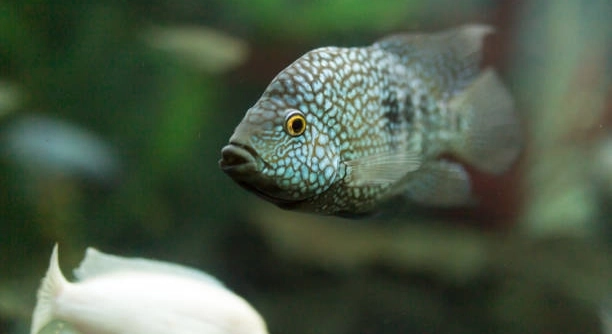
Have you ever spent time caring for older Dempsey fish and noticed their breeding process becoming more difficult as they age? Many aquarists face this challenge and often wonder why patterns change over time. Age can quietly affect fertility and behavior, making breeding older fish a delicate task.
Older Dempsey fish often encounter specific breeding challenges due to decreased fertility, slower reproductive cycles, increased territorial aggression, and heightened susceptibility to stress. Understanding these factors is crucial for maintaining healthy breeding practices and achieving consistent, successful reproduction.
Managing older fish for breeding requires careful observation, adjusted care routines, and awareness of environmental influences to support their health and reproductive success over time.
Age-Related Fertility Decline
As Dempsey fish get older, their fertility naturally decreases. Eggs may be fewer and less viable, and males may produce lower-quality sperm. This makes successful spawning harder, even if all other conditions are ideal. Regular monitoring of older fish is important to notice any subtle changes in behavior or appearance that could indicate reproductive issues. Adjusting feeding routines and water conditions can sometimes help, but age will always be a limiting factor. It’s common for older females to show slower egg development, and males may lose interest in courtship activities. Many breeders notice that older fish need extra space and a calm environment to encourage mating behaviors. Keeping the tank stable and stress-free is key, as older fish are more sensitive to changes in water parameters. Minor health issues can have a bigger impact on breeding success in aging Dempseys.
Fertility declines steadily after the fish reach middle age, affecting both egg production and sperm quality, which directly reduces spawning success.
Understanding these limitations allows you to plan breeding attempts more realistically. By timing breeding carefully, maintaining optimal tank conditions, and providing gentle care, older Dempseys can still reproduce, though outcomes may be less predictable than with younger fish. Adjusting expectations and supporting their health can make a noticeable difference in maintaining productive breeding cycles.
Increased Aggression
Older Dempsey fish often show stronger territorial behaviors. Conflicts can arise more frequently, leading to stress and reduced breeding success. Keeping tanks spacious and carefully separating aggressive individuals is necessary to prevent injuries and maintain a calm environment.
Aggression in older fish can be managed with proper tank layout, hiding spaces, and careful pairing. Providing enough territory helps reduce stress and encourages cooperation during spawning periods. Regular observation is critical to prevent fights from escalating. Overcrowding or introducing new fish without caution can increase tension, so it’s best to plan breeding setups carefully. Nutrition also affects aggression; well-fed fish tend to be calmer. Using neutral decorations, like rocks and plants, to break sight lines can help diffuse confrontations. Some breeders separate males and females until the appropriate breeding time to reduce continuous stress. Being attentive to subtle changes in posture, chasing, and color displays allows you to intervene early. Balancing aggression while maintaining natural behaviors is a delicate task with older Dempseys, but careful management supports healthier interactions and breeding potential.
Slower Reproductive Cycles
Older Dempsey fish take longer to prepare for spawning. Hormonal changes slow down egg maturation and reduce the frequency of courtship behaviors. Even when conditions are ideal, it may take weeks longer than expected for breeding activity to begin.
Slower reproductive cycles mean that patience is essential. Spawning may not occur on a predictable schedule, and older fish often need extra time between attempts. Observing changes in color, fin display, and nest-building activity can help identify when they are ready. Providing consistent temperature, clean water, and a balanced diet supports hormonal function and encourages reproductive activity, but age naturally limits speed and efficiency. Adjusting expectations helps reduce stress for both the fish and the caretaker.
During these slower cycles, it is helpful to avoid frequent disruptions in the tank. Moving decorations, changing water parameters drastically, or introducing new fish can further delay spawning. Older Dempseys respond better to stability and predictable routines. Offering high-quality protein and maintaining proper tank conditions can improve egg quality and male readiness, making the longer cycles more manageable. Consistency in care ensures that when the fish are ready, the chances of successful breeding are maximized.
Sensitivity to Environmental Stress
Older Dempseys react more strongly to changes in water quality or temperature. Even minor fluctuations can cause stress, reducing interest in breeding and affecting overall health. Maintaining stable conditions is crucial to support reproductive success.
Stress management requires careful monitoring of all environmental factors. Older fish are less resilient to sudden changes, such as pH swings, ammonia spikes, or drops in oxygen levels. Overcrowding, loud vibrations, and constant handling also contribute to stress. A quiet, well-maintained tank with regular water checks minimizes negative effects. Feeding schedules should remain consistent, as skipping or overfeeding can worsen sensitivity. Using gentle filtration and avoiding sudden lighting changes helps maintain a calm environment. Supporting immune health with proper nutrition reduces the risk of stress-related illness, which can further interfere with breeding attempts. Observing behavior closely allows timely interventions when stress signs appear, such as hiding, lethargy, or color fading. Balancing environmental stability with opportunities for natural behaviors ensures older Dempseys remain healthy and capable of reproducing.
Health-Related Breeding Issues
Older Dempsey fish are more prone to illnesses that can affect reproduction. Conditions like fin rot, internal parasites, or weakened immunity can reduce breeding success and egg viability. Regular health checks are essential.
Preventive care, including clean water, proper diet, and prompt treatment of illnesses, helps maintain reproductive ability. Even minor health issues can delay spawning or reduce egg quality, so vigilance is important.
Reduced Egg Viability
As female Dempseys age, the quality of eggs declines. Older eggs are more fragile and less likely to hatch successfully. Ensuring optimal water conditions and nutrition can slightly improve outcomes but cannot fully reverse age effects.
Pairing Challenges
Older males and females may not respond to each other’s courtship behaviors as actively. Mismatched energy levels and declining interest can make forming successful breeding pairs more difficult. Observing interactions carefully helps identify compatible pairs for the best chance of spawning.
FAQ
Why are my older Dempsey fish not spawning as often?
Older Dempseys naturally experience slower reproductive cycles and reduced fertility. Hormonal changes lower egg production in females and decrease sperm quality in males. Even with ideal water conditions and diet, they may require more time between breeding attempts. Patience and consistent care are key.
Can diet improve breeding success in older fish?
Yes, providing a high-quality diet rich in protein, vitamins, and essential fatty acids can help support reproductive health. Live foods like brine shrimp or bloodworms stimulate natural behaviors, while supplements such as spirulina or vitamins help maintain energy and egg quality. However, diet cannot fully reverse age-related declines.
How can I manage aggression in older Dempseys?
Aggression increases with age, especially in males defending territory. Providing hiding spaces, using neutral tank decorations, and separating highly aggressive individuals helps reduce stress. Avoid overcrowding and introduce breeding pairs gradually to prevent fights. Observation is essential to intervene before injuries occur.
Why are my older Dempsey eggs not hatching?
Reduced egg viability is common in older females. Eggs may be fewer, fragile, or poorly fertilized. Maintaining stable water temperature, clean conditions, and proper nutrition improves hatch rates, but age cannot be fully overcome. Timing breeding when both male and female are healthy increases success.
How long should I wait between breeding attempts?
Older fish need longer recovery periods between spawning. Depending on age and health, 6 to 12 weeks is recommended. Rushing breeding can stress fish, reduce fertility, and increase aggression. Monitor behavior, color changes, and nest-building to determine readiness rather than forcing frequent attempts.
Can older Dempseys adapt to breeding tanks?
Yes, but they are more sensitive to changes. Introduce older fish gradually to a new tank, maintain consistent water parameters, and reduce sudden disturbances. A stable, calm environment encourages natural courtship behaviors, reduces stress, and increases the likelihood of successful spawning.
What are signs of stress in older Dempseys?
Stress often appears as hiding, faded colors, lethargy, or reduced appetite. Aggressive chasing, fin clamping, and abnormal swimming patterns can also indicate stress. Maintaining clean water, consistent feeding schedules, and calm surroundings helps prevent stress and supports reproductive behavior.
Is it better to retire older Dempseys from breeding?
Sometimes, yes. If health issues, chronic stress, or persistent aggression reduce breeding success, retiring older fish may be the best option. They can still live a healthy life without breeding, and focusing on younger pairs may yield more predictable results.
How can I improve egg survival in older pairs?
Providing clean water, gentle filtration, and a calm tank with proper hiding spaces for fry helps maximize survival. Separating fry from adults reduces predation risk. Regularly monitoring water parameters and minimizing disturbances ensures that eggs and fry have the best chance of developing successfully.
Can older males still fertilize eggs effectively?
Fertilization capacity declines with age, but older males can still produce viable sperm. Ensuring optimal nutrition, reducing stress, and pairing with healthy females improves fertilization rates. Observe courtship behaviors and adjust pairings if interest or energy levels seem low.
Do older Dempseys require special water conditions?
Stable water conditions are critical. Older fish are more sensitive to temperature swings, pH fluctuations, and ammonia spikes. Maintaining consistent, clean, and well-oxygenated water supports health and reproductive success. Avoid sudden changes to prevent stress or health complications.
How do I know if a breeding attempt is worth trying with older fish?
Evaluate health, aggression levels, and energy before pairing. Both male and female should show normal color, appetite, and activity. Minor illnesses or behavioral changes can reduce success. Planning carefully and giving fish time to recover between attempts increases the chance of productive breeding.
Can supplements help older Dempseys breed?
Supplements like vitamins, minerals, and fatty acids support general health and egg quality. They cannot fully reverse age-related declines, but they improve stamina, immunity, and overall condition, helping older fish perform better during breeding attempts. Combine supplements with high-quality natural foods for best results.
How important is observation during breeding?
Observation is critical for older fish. Subtle changes in behavior, coloration, and nest-building can indicate readiness or stress. Promptly addressing aggression, illness, or environmental issues prevents failures and ensures healthier breeding outcomes. Keeping a close eye allows small adjustments to maximize success.
Are there signs that older fish should no longer be bred?
Yes. Chronic illness, severe aggression, faded colors, poor appetite, or repeated unsuccessful spawning attempts are indicators. Continuing to breed under these conditions can harm fish health. Focusing on care rather than reproduction allows older Dempseys to maintain quality of life while younger pairs take over breeding duties.
Final Thoughts
Breeding older Dempsey fish is a task that requires patience, careful observation, and realistic expectations. As fish age, their reproductive abilities naturally decline, making successful spawning less predictable. Factors such as slower reproductive cycles, reduced egg viability, and increased aggression all play a role in making the process more challenging. Understanding these changes allows breeders to adjust their approach and provide an environment that supports the fish rather than pushing them beyond their limits. Consistent care, stable water conditions, and proper nutrition are essential to maintaining health and encouraging natural breeding behaviors, even if the results are not as consistent as with younger fish. Recognizing that age brings limitations helps prevent unnecessary stress for both the fish and the caretaker.
Maintaining older Dempseys for breeding also involves managing their sensitivity to environmental stress. Older fish react more strongly to changes in water quality, temperature, and tank dynamics, which can directly impact their willingness and ability to reproduce. Providing a calm, well-maintained tank with proper hiding spaces, gentle filtration, and minimal disturbances is crucial. Regular monitoring of behavior and health is important because older fish may hide signs of illness or stress until the problem becomes serious. Pairing should be done carefully, considering energy levels, aggression, and compatibility. Even minor improvements in diet and environmental stability can make a noticeable difference in reproductive success. Supporting the overall health of older fish, rather than focusing solely on breeding, often leads to better outcomes when spawning attempts are made.
It is important to remember that not every attempt with older Dempseys will be successful, and this is normal. Age-related changes cannot be fully reversed, and sometimes retiring older fish from breeding is the best choice to preserve their well-being. Focusing on maintaining their quality of life, proper nutrition, and clean, stable conditions allows older fish to live comfortably while younger, more fertile pairs can take over breeding responsibilities. Patience, observation, and gentle care are the most effective tools for managing older Dempsey fish. By respecting their limits and providing consistent support, breeders can still experience successful outcomes while ensuring that the fish remain healthy and stress-free throughout their later years. Balancing realistic expectations with proper care creates an environment where older Dempseys can thrive even as their breeding potential naturally declines.

Hello,
If you enjoy the content that we create, please consider saying a "Thank You!" by leaving a tip.
Every little bit helps us continue crafting quality advice that supports the health, happiness, and well-being of pets around the world, for pets of all shapes, sizes, and species.
We really appreciate the kindness and support that you show us!