
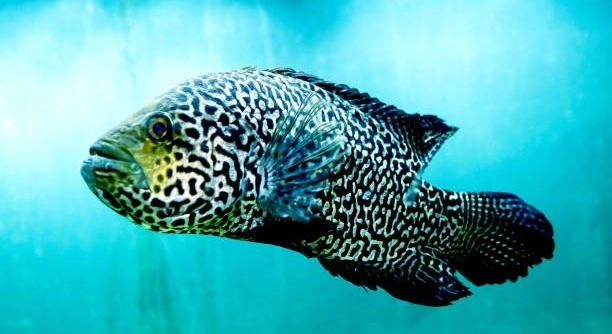
Do you ever notice your Dempsey fish gulping at the surface, seemingly struggling for air even though the water looks fine? Observing this behavior can be worrying, especially when you are unsure why it happens in a healthy tank.
Gulping air in Dempsey fish is commonly caused by low oxygen levels, poor water quality, improper temperature, stress, overcrowding, illness, or diet issues. Identifying and correcting these factors can help maintain the fish’s health and reduce surface gasping.
Learning the causes behind this behavior can help you care for your fish more effectively and prevent future health problems in your aquarium.
Low Oxygen Levels
When Dempsey fish gulp at the surface, one of the most common reasons is low oxygen in the tank. Water that is stagnant or overcrowded often has less dissolved oxygen, which makes it hard for fish to breathe normally. Even if the water looks clear, oxygen levels can drop quickly. This is especially true in tanks without adequate filtration or aeration. Using an air pump or adjusting the filter to increase water movement can help. Plants also play a role, as live plants release oxygen during photosynthesis, which benefits the fish. Poor circulation in the tank prevents oxygen from spreading evenly, leaving certain areas under-aerated. Monitoring the water with a dissolved oxygen test kit can provide insight into whether the fish are struggling due to low oxygen. Regular maintenance, like partial water changes, keeps oxygen levels stable and helps prevent surface gasping.
Adding an air stone or improving water flow can quickly relieve oxygen stress in Dempsey fish.
Keeping oxygen levels stable not only prevents gulping but also supports overall fish health. Consistent care, adequate filtration, and occasional water movement adjustments ensure that all areas of the tank remain well-oxygenated. By observing the fish’s behavior and noticing changes, you can respond before stress or illness develops. This attention to detail helps maintain a calm environment where your Dempsey fish can thrive, reducing the need for constant monitoring and worry.
Poor Water Quality
Dirty or unbalanced water can make Dempsey fish gasp at the surface. Waste buildup, leftover food, or high ammonia and nitrate levels reduce oxygen availability and irritate gills.
Maintaining clean water is essential for healthy fish. Frequent water testing helps identify high levels of toxins or pH imbalances. Partial water changes remove harmful compounds and keep the tank stable. Filtration systems play a key role in trapping debris and circulating water efficiently. Avoid overfeeding, as uneaten food quickly decomposes and affects water quality. Observing fish behavior can reveal early signs of stress from poor water conditions. Cloudy water or unusual odors are also indicators of an unhealthy environment. By keeping water clean, you ensure the fish breathe easily and remain active. Proper tank care prevents long-term health problems and reduces the need for medications or emergency interventions. Consistent attention to water quality creates a safe, comfortable environment where Dempsey fish can thrive naturally, maintaining both appearance and behavior.
Improper Temperature
Dempsey fish are sensitive to water temperature. Water that is too cold or too warm can stress them and make breathing difficult, causing them to gulp at the surface.
Maintaining a stable temperature between 74°F and 80°F is ideal for Dempsey fish. Sudden fluctuations, like those caused by unheated rooms or faulty heaters, create stress that affects their metabolism and oxygen intake. Temperature also influences water oxygen levels; warmer water holds less oxygen, making surface gulping more likely. Using a reliable heater and thermometer ensures the tank stays consistent. Gradual adjustments, rather than sudden changes, help the fish adapt without shock, reducing stress and supporting healthy breathing.
Temperature affects more than just comfort—it influences the fish’s immune system. Dempsey fish in unstable conditions are more susceptible to disease, which can worsen surface gasping. Proper monitoring and consistent heating create a safer environment and improve overall tank stability.
Stress and Overcrowding
Stress in Dempsey fish often comes from aggressive tank mates or overcrowded tanks. Stress weakens their ability to breathe efficiently.
Overcrowding reduces oxygen and increases competition for space, food, and territory. Dempsey fish are naturally territorial, and too many fish in one tank can trigger constant stress and surface gulping. Signs of stress include rapid gill movement, hiding, and loss of color. Adjusting the number of fish and creating hiding spots can reduce tension. Tank size should allow at least 55 gallons for a single Dempsey with ample decorations for separation.
Consistently monitoring fish behavior helps prevent long-term stress. Adding plants or rocks provides shelter, giving fish a sense of security and personal space. Reducing stress improves immune function, decreases aggressive interactions, and supports normal breathing. Managing tank population carefully ensures a calmer environment and prevents health issues caused by prolonged tension.
Illness
Illness can cause Dempsey fish to gasp at the surface. Bacterial, parasitic, or fungal infections often affect the gills, making breathing difficult.
Common signs include lethargy, clamped fins, and unusual spots or growths. Prompt treatment is necessary to prevent worsening conditions and restore normal breathing.
Diet Issues
Feeding Dempsey fish improper foods or overfeeding can lead to gulping at the surface. Excess food decomposes, affecting water quality, while nutrient deficiencies weaken their gills and metabolism.
Providing a balanced diet of high-quality pellets, occasional frozen foods, and live treats supports health. Portion control and feeding schedules prevent digestive stress, reducing surface gasping.
Overfeeding
Overfeeding leads to poor water quality and bloating, both of which can cause Dempsey fish to gasp for air.
Controlling portions and removing uneaten food helps maintain clean water and reduces respiratory stress. Consistent feeding habits improve overall fish health and prevent long-term issues.
FAQ
Why is my Dempsey fish gulping at the surface all the time?
Constant surface gulping usually indicates stress or low oxygen levels. Overcrowded tanks, poor water quality, or improper temperature can make breathing difficult. Checking water parameters and ensuring proper aeration often reduces surface gasping. Stress from aggressive tank mates or sudden changes can also cause this behavior.
Can poor water quality alone make Dempsey fish gulp air?
Yes. Ammonia, nitrite, or nitrate buildup irritates gills and lowers oxygen availability. Even minor water imbalances can trigger surface gulping. Regular water testing and partial water changes help maintain a safe environment for the fish.
How do I know if temperature is affecting my fish?
Dempsey fish thrive between 74°F and 80°F. Water too cold slows metabolism, while water too warm holds less oxygen. Using a thermometer and a reliable heater keeps the tank stable and reduces respiratory stress. Sudden temperature changes often lead to rapid gulping.
Can diet problems cause this behavior?
Yes, overfeeding or poor-quality food can contribute. Uneaten food decomposes and harms water quality, while nutrient deficiencies weaken gills. Feeding high-quality pellets, live food occasionally, and controlling portions reduces stress and keeps fish breathing normally.
Is stress a serious issue for Dempsey fish?
Stress can weaken their immune system, making them more prone to illness. Territorial disputes, overcrowding, or sudden environmental changes all contribute. Providing hiding spots, proper tank size, and compatible tank mates reduces stress and promotes normal behavior.
Could illness be the reason for gulping?
Diseases affecting gills, like bacterial or parasitic infections, can make Dempsey fish gasp at the surface. Other signs include lethargy, clamped fins, or unusual spots. Early detection and proper treatment improve recovery chances and prevent further complications.
What steps can I take immediately to help my fish?
Ensure proper aeration, maintain stable temperature, and check water parameters. Remove uneaten food, perform partial water changes, and monitor fish for stress or illness. Adjust tank mates or add hiding spots to reduce tension. Quick action often prevents long-term harm.
How often should I check water parameters?
Testing water weekly is ideal. Parameters like ammonia, nitrite, nitrate, pH, and temperature influence oxygen availability and fish health. Frequent monitoring ensures early detection of problems and reduces stress-related behaviors like surface gulping.
Can adding plants help my Dempsey fish breathe better?
Yes. Live plants increase oxygen levels during the day and provide hiding spots, which reduces stress. Properly chosen plants also improve water quality and overall tank balance, indirectly supporting healthy respiration.
Is it normal for Dempsey fish to gulp air occasionally?
Occasional surface gulping can happen, especially if oxygen levels temporarily drop. However, consistent or frequent gasping signals an underlying issue that needs attention, such as water quality, temperature, or stress factors.
How can I prevent this behavior in the future?
Maintain clean water, monitor temperature, avoid overfeeding, and ensure the tank is not overcrowded. Regular maintenance, proper diet, and observation of fish behavior reduce the chances of repeated surface gulping and keep Dempsey fish healthy.
Are there signs that indicate urgent attention is needed?
Rapid, continuous gulping, lethargy, clamped fins, or unusual spots indicate serious problems. Immediate testing of water quality, checking temperature, and inspecting for disease are necessary steps to prevent severe illness or death.
Does tank size affect surface gulping?
Yes, small or overcrowded tanks reduce oxygen and increase stress. Dempsey fish require at least 55 gallons for a single adult, with more space if multiple fish are present. Adequate room supports healthy breathing and reduces aggressive interactions.
Can I use medications if my fish is gulping air?
Medications are only necessary if illness is confirmed. Improper use can worsen water quality or harm healthy fish. Focus first on water conditions, diet, and stress reduction, and consult treatment guides for diagnosed infections.
How long does it take for Dempsey fish to recover from gasping issues?
Recovery time varies depending on the cause. Correcting water parameters or reducing stress can show improvement within hours to days. Illness-related recovery depends on treatment effectiveness. Consistent care ensures quicker and more complete recovery.
What equipment helps prevent surface gulping?
Air pumps, filters with strong circulation, heaters for stable temperature, and water testing kits all support healthy respiration. Proper tank setup reduces environmental stress and oxygen fluctuations, minimizing the chances of surface gasping.
Can I prevent gulping by adjusting feeding schedules?
Yes. Feeding smaller portions and avoiding overfeeding reduces waste buildup and water quality issues. Consistent schedules allow fish to digest food properly, reducing metabolic stress that can contribute to surface gulping.
Does water movement help my Dempsey fish breathe?
Moderate water movement increases oxygen distribution and prevents stagnant areas. Filters, air stones, or gentle currents ensure all parts of the tank remain well-aerated, helping fish breathe comfortably and reducing surface gasping.
Are all Dempsey fish equally prone to gulping air?
Individual fish may respond differently to stressors, water conditions, or diet. Some are more sensitive to oxygen changes or crowding. Observing each fish’s behavior helps identify specific needs and adjust care accordingly.
What is the long-term impact if surface gulping continues?
Persistent gasping indicates ongoing stress or poor conditions. Over time, this can weaken the immune system, reduce lifespan, and increase susceptibility to disease. Addressing underlying causes early protects the fish’s health and ensures a stable, thriving tank environment.
This FAQ covers most common concerns about Dempsey fish gulping air, from water quality to stress and diet, offering practical steps for prevention and care.
Dempsey fish gulping at the surface is often a sign that something in their environment needs attention. It can be caused by low oxygen, poor water quality, temperature fluctuations, stress, overcrowding, illness, or diet problems. Observing the fish closely is the first step in understanding the cause. Watching how often they surface, whether they seem lethargic, or if their color changes can give important clues. Keeping a regular schedule for tank maintenance, water testing, and feeding helps prevent many of the issues that lead to surface gasping. Even small adjustments, like adding an air stone or rearranging decorations for hiding spots, can make a noticeable difference in their comfort and breathing.
Maintaining a clean and stable environment is key to supporting Dempsey fish health. Water parameters like ammonia, nitrite, nitrate, and pH need to be monitored regularly. Using a reliable heater and thermometer ensures that the water stays in the proper temperature range. Overfeeding or providing low-quality food can negatively impact both water quality and the fish’s gill health. Portion control, high-quality pellets, and occasional live or frozen treats support nutrition and overall vitality. Stress should be minimized by avoiding overcrowding, choosing compatible tank mates, and providing sufficient hiding spaces. All of these factors work together to create an environment where the fish can breathe comfortably and behave naturally.
Even when Dempsey fish are healthy, occasional surface gulping may still occur, but frequent or prolonged gasping should not be ignored. Early attention can prevent long-term health problems, including weakened immunity and increased susceptibility to disease. Simple steps like partial water changes, checking temperature, improving aeration, and observing behavior consistently can greatly reduce the risk of recurring issues. Providing a stable, clean, and comfortable environment allows the fish to thrive and enjoy normal activity levels. Being proactive with care ensures your Dempsey fish remain active, colorful, and healthy over time, giving you the satisfaction of a well-maintained aquarium and fish that show natural, calm behavior.

Hello,
If you enjoy the content that we create, please consider saying a "Thank You!" by leaving a tip.
Every little bit helps us continue crafting quality advice that supports the health, happiness, and well-being of pets around the world, for pets of all shapes, sizes, and species.
We really appreciate the kindness and support that you show us!