
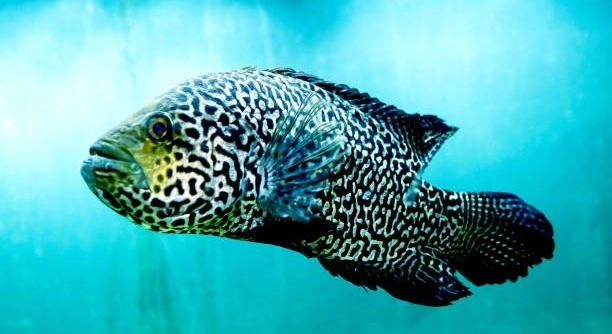
Jack Dempsey fish are known for their vibrant colors and energetic movements in aquariums. They are naturally alert and often react to changes in their environment with cautious attention. Their curious behavior is part of their instinctual nature.
When Jack Dempsey fish encounter something new, they approach slowly, often circling or pausing to observe it. They may flare their fins, tilt their bodies, or make brief investigative movements, displaying curiosity without immediate aggression or fear.
Observing these behaviors helps aquarists better understand their fish’s personalities and maintain a healthy, engaging aquarium environment.
How Jack Dempsey Fish Explore Their Tank
Jack Dempsey fish are naturally investigative. When something new appears in their tank, they often swim around it slowly, inspecting from multiple angles. Their eyes follow movements carefully, and they may circle objects before touching them with their mouths or fins. This behavior is not only about curiosity but also about assessing safety. They tend to approach items differently depending on the size, shape, and movement. Floating decorations, sudden additions, or changes in water flow often catch their attention first. Juvenile fish may be bolder, darting quickly toward new elements, while adults take a more measured approach. Observing their patterns can be rewarding, revealing subtle differences in personality between individual fish. They also respond to changes in lighting, shadows, or reflections, which can make them pause or adjust their swimming. Feeding areas are often explored thoroughly, even after the food is gone, as part of their natural investigation habits.
Their exploration is deliberate and careful, showing a balance between curiosity and caution in a familiar environment.
When Jack Dempsey fish explore, they rely on both vision and tactile feedback. They may nudge objects with their snouts, test corners of the tank, or hover nearby to monitor movement. This investigative pattern reduces stress by allowing them to understand surroundings without sudden exposure. Repeated exploration also strengthens recognition of the tank layout, helping them navigate efficiently while maintaining territorial awareness. Some fish may focus on one spot for extended periods, while others prefer continuous movement, suggesting individual differences in investigative style. Providing varied textures, hiding spots, and subtle water currents enhances their activity and promotes natural behaviors. Over time, these habits support mental stimulation and overall health, reducing boredom and stress-related behaviors. Observing this process can deepen the connection between the keeper and the fish, offering insight into their instinctual needs and behavioral cues.
Signs of Curiosity in Jack Dempsey Fish
Curiosity often shows through slow, deliberate movements, fin flaring, and head tilting.
Jack Dempsey fish demonstrate curiosity through multiple physical and behavioral signals. When investigating a new object or change in their environment, they may repeatedly circle it, pause to observe, or touch it lightly with their snouts. Flared fins indicate heightened alertness rather than aggression, and sudden stops or back-and-forth swimming suggest careful assessment. Changes in their swimming patterns, such as hovering near an area or shifting from normal routes, signal attentive examination. They may approach reflections, bubbles, or floating debris, showing interest in unusual stimuli. Juvenile fish often react more energetically, while mature fish display patience. Their behavior adapts over time as they learn which elements are safe. By offering structured environments with diverse objects and gentle water movement, owners can encourage natural curiosity, support exploration, and maintain mental stimulation. Watching these subtle behaviors provides valuable insights into their temperament, helping maintain a healthy and engaging tank.
Reactions to New Objects
Jack Dempsey fish often approach new objects cautiously, inspecting from different angles. They may hover nearby, circle slowly, or touch the item lightly with their snouts. Sudden movements can make them retreat briefly, then return once they feel safe.
Their response to new additions depends on their personality and previous experiences. Some fish investigate immediately, showing boldness, while others hang back, moving slowly and observing first. They often combine visual assessment with gentle physical contact, nudging or brushing objects to learn more. Even small changes in the tank, like new plants or decorations, can trigger repeated investigation. This pattern helps them understand their surroundings, ensuring they can navigate safely while identifying potential hiding spots or feeding areas.
Environmental factors influence reactions significantly. Lighting, water currents, and tank size can affect how quickly they explore. Fish may pause in shaded areas, circle objects multiple times, or test different angles before approaching fully. Repetition is common, as they may return repeatedly to assess changes. Over time, they often recognize familiar items, reducing cautious behavior, while completely new objects continue to draw attention. Careful observation of these behaviors provides insight into their temperament and comfort levels.
Interaction with Tank Mates
Curiosity is also expressed in interactions with other fish. Jack Dempsey fish may approach slowly, maintain eye contact, or display fin flares.
When exploring their social environment, Jack Dempsey fish balance curiosity with territorial instincts. They often swim near other fish without immediate aggression, observing movements and gauging reactions. Gentle nudges or brief swims alongside tank mates indicate investigative behavior rather than hostility. Over time, they learn social hierarchies, using observation to understand who is dominant or subordinate. Interactions vary based on age and size; juveniles tend to be bolder, while adults proceed cautiously. Social exploration contributes to mental stimulation, helping reduce stress and maintain natural behavior patterns.
These fish also respond to changes in group dynamics. Introducing new tank mates may trigger prolonged observation, repeated circling, or cautious approaches. They pay attention to movement patterns, feeding behavior, and reaction to environmental changes. Recognizing familiar and unfamiliar fish helps them adjust behavior appropriately. Encouraging social exploration while monitoring aggression ensures a balanced, healthy community tank. Watching these interactions provides valuable insight into individual personalities and group dynamics, allowing for adjustments that support overall well-being.
Response to Feeding Changes
Jack Dempsey fish quickly notice changes in feeding routines. They may swim near the feeding area, inspect new food types, or hover cautiously until they feel it is safe to eat.
They often test unfamiliar food by nibbling small pieces first. Sudden changes in timing or type can trigger repeated observation before full consumption.
Reaction to Water Movement
Strong currents or sudden changes in water flow draw their attention immediately. They adjust swimming patterns, exploring areas affected by movement while maintaining control over positioning in the tank. Their curiosity helps them adapt to environmental shifts, ensuring safety while investigating new water conditions.
Interaction with Reflections
Reflections in glass often catch their attention. Jack Dempsey fish may approach slowly, tilt their heads, and flare fins, investigating the mirrored image as if it were another fish.
FAQ
How do Jack Dempsey fish show curiosity?
Jack Dempsey fish display curiosity through slow, deliberate movements and careful observation. They may circle objects, pause frequently, or tilt their heads to examine something new. Flared fins often signal alertness rather than aggression. They may also lightly nudge objects with their snouts or hover near unfamiliar items to gather information safely.
Do they investigate new tank decorations immediately?
Responses vary by personality and age. Juveniles often approach new decorations quickly and energetically, while adults tend to observe from a distance first. They may circle, pause, or make short investigative movements before fully interacting. Repeated exploration is common, and over time, they recognize familiar objects, reducing cautious behavior.
How do Jack Dempsey fish interact with new tank mates?
They balance curiosity with territorial instincts. They often approach slowly, swim alongside, or maintain eye contact to assess reactions. Gentle nudges and brief swims near others indicate investigative behavior rather than aggression. Observation helps them understand social hierarchies and adjust behavior accordingly.
What is their response to feeding changes?
They notice changes in feeding routines quickly. When presented with new food, they often test small pieces first, hovering near the feeding area and approaching cautiously. Sudden changes in timing or type may trigger repeated observation before full consumption. Curiosity encourages them to adapt while ensuring safety.
How do they react to reflections in the tank?
Reflections can intrigue Jack Dempsey fish. They may swim toward glass, tilt their heads, and flare their fins to investigate. They often treat the reflection as another fish, testing boundaries and gauging reactions. Over time, they may recognize the reflection and reduce interaction, but initial responses are always cautious and investigative.
Do water currents affect their behavior?
Yes, Jack Dempsey fish respond immediately to changes in water movement. Strong currents or sudden shifts draw attention and prompt careful exploration. They adjust swimming patterns, circle affected areas, and hover near unusual flows. Curiosity helps them adapt safely while investigating new conditions and understanding the tank environment.
Is it normal for them to return repeatedly to the same object?
Yes, repeated investigation is typical. Returning to the same object allows them to reassess changes, confirm safety, or explore details missed earlier. It is part of their learning process, and repetition helps them become familiar with their surroundings, supporting both mental stimulation and comfort in the tank.
Can curiosity lead to aggressive behavior?
Curiosity itself is not aggressive, but it can sometimes escalate if the fish perceives a threat. Flared fins or cautious nudges are often investigative, but if another fish reacts defensively, minor skirmishes can occur. Observing interactions helps distinguish between genuine curiosity and early signs of territorial disputes.
Do they explore differently during day and night?
Yes, activity levels can change with light. During the day, they may actively investigate objects, other fish, or food. At night or in dim light, they often move more slowly, pausing frequently to assess surroundings. Curiosity remains, but their approach is more cautious, relying on both visual and tactile feedback.
How can owners encourage healthy curiosity?
Providing varied objects, subtle water currents, and gentle changes in the environment encourages exploration. Adding new decorations, rearranging existing items, or introducing mild stimuli stimulates their natural investigative behavior. Observing how they interact allows owners to understand preferences, mental engagement, and overall well-being.
What are signs that curiosity is excessive or stressful?
Excessive attention to one area, constant circling, or repeated flaring without settling may indicate stress rather than curiosity. Overly cautious or aggressive reactions toward familiar objects or tank mates can also signal discomfort. Maintaining a balanced environment helps ensure curiosity remains healthy and stimulating.
Do they learn from repeated exploration?
Yes, Jack Dempsey fish remember familiar objects, tank mates, and feeding routines. Repeated investigation helps them recognize safe areas, avoid hazards, and adapt to environmental changes. Learning from exploration reduces stress and supports natural behaviors, contributing to long-term mental and physical health.
How long do they typically investigate something new?
Investigation periods vary by individual. Juveniles may explore actively for several minutes, returning repeatedly. Adults often proceed more cautiously, taking longer to fully engage. Some objects are examined multiple times over several days, while others are assessed quickly and ignored afterward. Curiosity is ongoing but measured.
Can curiosity improve their overall health?
Yes, mental stimulation through exploration promotes activity, reduces boredom, and encourages natural behaviors. Engaging with new objects or changes keeps their mind active, supports healthy swimming patterns, and strengthens instincts, ultimately contributing to physical and emotional well-being in the aquarium.
Final Thoughts
Jack Dempsey fish are naturally curious and observant creatures. Their behavior often reflects a balance between caution and investigation. They explore new objects, water currents, reflections, and changes in their environment with careful attention. This curiosity is not random; it is part of their instinct to understand and adapt to their surroundings. Watching a Jack Dempsey approach a new decoration, hover near a reflection, or slowly circle an unfamiliar plant reveals how they process information and assess safety. Each movement is deliberate, showing that their curiosity is guided by both instinct and experience. Understanding these patterns can help aquarists provide an environment that meets the fish’s natural needs and encourages healthy behavior. Their cautious yet persistent exploration demonstrates intelligence and awareness, highlighting the importance of observing rather than interfering with their natural investigation process.
Providing a stimulating environment is essential to supporting their curiosity. Jack Dempsey fish benefit from varied objects, subtle water movement, and structured spaces that allow both exploration and retreat. Hiding spots, floating decorations, and changes in lighting or current provide opportunities for them to investigate safely. Introducing new elements gradually allows them to assess without stress, and repeated observation helps them become familiar with their surroundings. Tank mates, if compatible, add another layer of social investigation, as they learn to interact and gauge behavior without unnecessary aggression. Observing their reactions to feeding, reflections, or minor environmental changes helps owners recognize individual personality traits, learning tendencies, and social habits. This knowledge ensures that their aquarium remains engaging and mentally stimulating, supporting both physical and emotional well-being. A balanced environment allows them to express curiosity in a natural, controlled way while maintaining comfort and security.
Curiosity in Jack Dempsey fish is a sign of intelligence and engagement with their environment. Repeated exploration, attention to changes, and careful observation of new items all demonstrate an instinctive drive to understand their surroundings. While some behaviors may appear cautious or even slow, each action serves a purpose in assessing safety, learning about their habitat, and interacting with other fish. Supporting these behaviors requires patience and attention from the keeper, allowing natural investigation without causing stress or fear. Encouraging curiosity through thoughtful tank design and gentle environmental changes enhances their well-being, promoting healthy physical activity, mental stimulation, and overall contentment. Observing their habits over time provides insight into individual personalities and behavioral preferences, creating a deeper understanding of their needs. Ultimately, Jack Dempsey fish thrive in environments that respect their investigative nature, offering opportunities to explore, learn, and adapt safely while maintaining a stable and engaging habitat.

Hello,
If you enjoy the content that we create, please consider saying a "Thank You!" by leaving a tip.
Every little bit helps us continue crafting quality advice that supports the health, happiness, and well-being of pets around the world, for pets of all shapes, sizes, and species.
We really appreciate the kindness and support that you show us!