
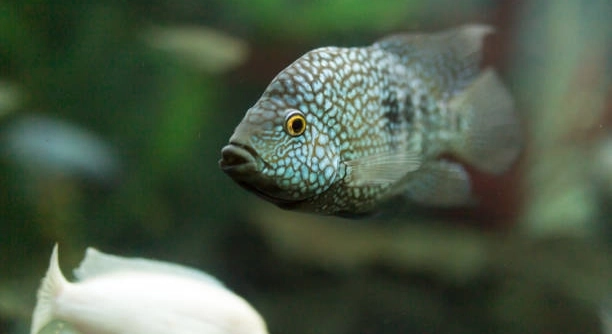
Have you ever admired a Jack Dempsey fish but felt unsure about handling it safely? These fish are lively and colorful, yet their behavior can make touching them risky if done at the wrong time or in the wrong way.
Touching a Jack Dempsey fish should be avoided during seven key situations: feeding, breeding, illness, aggression, tank cleaning, environmental stress, and when hiding. Limiting contact in these circumstances protects the fish’s health and reduces stress or potential injury.
Following these precautions helps maintain a healthy aquarium and keeps interactions safe. Understanding these moments allows you to care for your fish responsibly and confidently.
During Feeding Time
Jack Dempsey fish can become highly protective of their food. When they are eating, their aggression can increase, and touching them may provoke bites or stress. It is best to let them feed undisturbed, maintaining a calm environment in the tank. Interrupting them can cause unnecessary tension and reduce their appetite. Observing their feeding patterns from outside the tank allows you to understand their behavior without interfering. Avoid reaching into the water during this time, even with gentle movements, as sudden contact may startle the fish. Consistently letting them eat without interruption helps them remain healthy and reduces aggressive tendencies toward other fish or humans. Tank decorations should be arranged so they can access food easily without obstruction, minimizing the need for interaction during feeding. Timing your maintenance or water checks for outside feeding periods ensures the fish remain undisturbed while eating.
Touching them while eating can trigger stress and defensive behavior, which is harmful in both short and long term.
Providing a stable feeding routine creates a safer environment. Allowing them space during meals supports their natural instincts and prevents injury. Monitoring their diet without direct contact helps maintain overall health.
During Breeding
Jack Dempsey fish become extremely territorial when breeding, often guarding their eggs or fry aggressively. Any touch or intrusion into their space can provoke attacks or stress, leading to abandoned eggs or injury. Observing from a distance is crucial to allow them to complete their breeding process naturally. Tank layouts should provide hiding spots for the fry and reduce conflict between adults. Interacting with breeding pairs can disrupt their behavior and lower the chances of successful reproduction. Avoiding handling during this period ensures both adults and offspring remain safe and healthy.
Handling them during breeding risks aggression and loss of eggs.
Breeding periods require careful observation without interference. Male and female fish can react violently to intrusions, and stress can impact the survival of the fry. Providing sufficient space and shelter allows natural breeding behavior while preventing injuries. Tank decorations like caves or flat rocks give the fish secure areas to lay eggs. Minimizing disturbances such as touching or moving decorations ensures the pair stays calm. Consistent water quality, proper temperature, and nutrition are also critical factors for healthy reproduction. Respecting their space during this sensitive period promotes long-term health and increases the likelihood of successful hatching. Observing quietly and maintaining a stable environment helps the fish complete their breeding cycle safely.
When They Are Sick
Touching a Jack Dempsey fish during illness can worsen their condition. Handling increases stress, weakens the immune system, and can spread infection to other tank inhabitants. It is best to observe from outside and avoid direct contact until they recover.
Ill fish are more sensitive to water changes, temperature shifts, and handling. Any disturbance can slow healing or trigger secondary infections. Using nets or hands to move them should be avoided unless absolutely necessary, and only with sanitized equipment. Monitoring behavior, appetite, and physical changes from a distance helps ensure recovery without causing extra harm. Isolation in a quarantine tank can reduce stress and prevent the spread of disease.
Supporting a sick fish means minimizing interference and maintaining consistent care. Proper diet, clean water, and stable conditions aid recovery. Reducing handling allows the fish to focus energy on healing and limits unnecessary stress, helping them return to normal behavior faster.
During Aggressive Interactions
Jack Dempsey fish can display aggression toward tank mates or intruders. Touching them during fights may escalate attacks and increase the risk of injury. Avoid intervening physically and allow the fish to establish boundaries naturally. Observing from a distance ensures safety for both you and the fish.
Aggressive behavior can be triggered by limited space, territorial disputes, or competition for resources. Interference during these interactions often confuses the fish and prolongs conflict. Providing hiding spots and visual barriers can reduce tension and allow weaker fish to retreat safely. Separating overly aggressive individuals or rearranging the tank layout can also help. Patience and careful observation are essential to managing aggression without direct contact.
Managing aggression effectively requires understanding the fish’s natural behaviors and responding with environmental adjustments rather than physical interference. Ensuring each fish has sufficient space, hiding areas, and access to food reduces competition and limits stress. Using barriers or temporary separation during peak aggression helps maintain balance and prevents injury. Consistent observation allows you to track patterns and adjust the tank setup accordingly, keeping all fish safer. Avoiding touch during fights protects both the fish and yourself from harm while maintaining a stable tank environment.
During Tank Cleaning
Touching Jack Dempsey fish while cleaning the tank can cause stress and sudden defensive reactions. They may dart or strike at hands or nets. It is better to move decorations and clean around them without direct contact.
Keeping your movements slow and predictable reduces stress. Using tools like siphons or nets to adjust decorations prevents accidental handling. Allowing the fish to stay in a calm area during cleaning helps maintain stability. Minimizing interference supports their health and keeps the tank environment safe for all inhabitants.
When There Are Sudden Environmental Changes
Jack Dempsey fish react strongly to rapid changes in water temperature, pH, or clarity. Sudden disturbances can make them anxious or aggressive. Avoid touching them until conditions stabilize to prevent unnecessary stress or injury.
When They Are Hiding
Jack Dempsey fish often retreat to caves or plants when stressed or resting. Reaching into these hiding spots can startle them and trigger defensive behavior.
FAQ
Why should I avoid touching my Jack Dempsey fish during feeding?
Touching a Jack Dempsey fish while it is feeding can provoke aggressive behavior. These fish become highly protective of their food, and any interference can cause stress, bites, or disrupted feeding habits. Observing feeding from outside the tank is safer for both you and the fish.
Can touching them when sick worsen their condition?
Yes. Sick fish are sensitive, and handling them increases stress and weakens their immune system. Touching can also spread infection. Monitoring their health from outside the tank, maintaining clean water, and isolating them in a quarantine setup is more effective for recovery.
Is it safe to intervene during aggressive interactions?
Intervening physically is risky. Jack Dempsey fish use aggression to establish territory. Touching them during fights can escalate attacks or injure both fish and owner. It is better to rearrange the tank or provide hiding spots to reduce conflict naturally.
Why should I avoid touching them during breeding?
Breeding makes Jack Dempsey fish extremely territorial. Any disturbance can cause them to abandon eggs or fry and may trigger aggressive behavior. Providing shelter and observing from a distance ensures a higher chance of successful breeding and keeps both adults and offspring safe.
What risks come from touching them when hiding?
Hiding is a natural behavior for rest or stress management. Reaching into caves or plants can startle the fish, trigger defensive behavior, or cause injury. Allowing them to remain undisturbed supports their well-being and reduces unnecessary stress in the tank.
How do environmental changes affect their behavior?
Rapid changes in water temperature, pH, or clarity make Jack Dempsey fish anxious or defensive. During such changes, touching them can worsen stress or provoke erratic reactions. Allowing the water to stabilize before interacting is critical for their health.
Can handling during tank cleaning harm them?
Yes. Cleaning the tank can be stressful if fish are handled directly. Sudden movements or physical contact can trigger defensive strikes or panic swimming. Using tools, cleaning around them, and maintaining a calm approach minimizes stress and protects the fish.
How often should I touch my Jack Dempsey fish?
Regular handling is generally unnecessary and should be avoided unless required for medical treatment or relocation. Limiting contact reduces stress, preserves natural behavior, and prevents injuries. Observing behavior and maintaining proper tank conditions is more beneficial than frequent physical interaction.
What signs show they are stressed from handling?
Stress indicators include hiding, rapid gill movement, loss of appetite, frayed fins, and sudden aggressive behavior. Recognizing these signs early allows you to minimize handling and make environmental adjustments to help the fish recover quickly.
Are there alternatives to touching them for tank maintenance?
Yes. Tools like nets, siphons, and long-handled brushes allow cleaning and adjustments without direct contact. Rearranging decorations or feeding devices carefully also minimizes stress. Providing hiding spots ensures the fish feel secure during maintenance.
How can I reduce stress when interaction is necessary?
If touching is unavoidable, move slowly and calmly. Use clean, wet hands or sanitized tools. Avoid sudden movements or loud noises. Keeping water conditions stable before and after handling reduces stress and protects the fish’s health.
Do all Jack Dempsey fish react the same way to touch?
No. Individual temperament varies. Some fish tolerate mild contact better than others, while more territorial or aggressive individuals may react violently. Understanding your fish’s behavior and respecting their space is key to safe interactions.
Is there a long-term impact from repeated handling?
Repeated handling can cause chronic stress, suppressed immunity, and abnormal behavior. Minimizing touch promotes overall health, maintains natural behavior, and ensures longevity in your aquarium environment. Consistent care without unnecessary interference is best for their well-being.
Can touching affect their social dynamics in the tank?
Yes. Handling can disturb established hierarchies, trigger aggression, or cause territorial disputes. Avoiding touch helps maintain stability and reduces conflict among tank mates, creating a safer and calmer environment for all fish.
What precautions should I take if I must touch them?
Handle with wet hands or sanitized tools, move slowly, and ensure the fish are calm. Limit the duration of contact, avoid stressful periods like feeding or breeding, and monitor their response closely to prevent injury or stress.
How can I safely observe them without touching?
Use visual observation from outside the tank, noting feeding habits, health changes, and behavior. Adjust tank decorations and water conditions carefully without intrusion. Observation allows effective care while keeping the fish stress-free.
Does size or age affect their reaction to touch?
Yes. Juvenile fish are more sensitive and may be easily stressed. Larger adults can be stronger and more defensive. Adjust interaction practices based on size, temperament, and experience to reduce risk of harm.
What is the most important rule about touching Jack Dempsey fish?
Respect their space. Avoid handling unless absolutely necessary. Observing behavior, maintaining proper conditions, and limiting physical contact ensures safety, reduces stress, and promotes a healthy environment for the fish.
Can tank design influence the need for touching?
Absolutely. Providing hiding spaces, clear swim areas, and well-organized decorations reduces the need for intervention. A well-designed tank allows fish to exhibit natural behaviors without frequent human interference, keeping them healthier and calmer.
How does handling affect their feeding habits?
Frequent interference during feeding can make them aggressive, anxious, or reluctant to eat. Observing feeding without touch encourages natural eating behavior and ensures consistent nutrition, supporting overall health and reducing conflict with tank mates.
Is it ever safe to pick them up?
Only for essential reasons, such as medical treatment or relocation. Even then, use wet hands or nets, move slowly, and minimize contact duration. Unnecessary handling increases risk of stress, injury, and disease transmission.
What are the consequences of ignoring these guidelines?
Ignoring handling precautions can lead to stress, injury, disease, disrupted breeding, aggressive behavior, and shortened lifespan. Respecting their natural instincts and avoiding unnecessary touch ensures safety and promotes a healthy, thriving aquarium.
Can observing without touching still provide bonding?
Yes. Consistent, calm observation allows you to understand their behavior, anticipate needs, and maintain a strong connection without stress or harm. Watching them interact with the environment and each other helps build trust indirectly.
How do I know if handling caused harm?
Signs include frayed fins, bruising, unusual hiding, loss of appetite, or increased aggression. Immediate observation and care adjustments, such as isolating affected fish or improving tank conditions, help mitigate negative effects and promote recovery.
What equipment helps reduce the need for touching?
Long-handled nets, siphons, feeding tongs, and tank cleaning tools allow necessary maintenance without direct contact. Using these devices minimizes stress while maintaining cleanliness and fish health effectively.
Are there periods when touch is less risky?
Touch is least risky when the fish are calm, healthy, and not feeding, breeding, hiding, or experiencing environmental stress. Even then, interactions should be brief, careful, and intentional to avoid unnecessary harm.
Can repeated observation replace physical handling?
Yes. Observing behavior, diet, and tank conditions closely allows effective care without touching. Regular monitoring identifies issues early, reduces stress, and supports long-term health, making physical contact largely unnecessary.
How does handling influence overall tank harmony?
Touching disrupts social balance, can trigger aggression, and stresses fish. Avoiding unnecessary contact maintains stable interactions among tank mates, ensures territorial boundaries are respected, and promotes a calmer, healthier environment.
Is there a safe way to move them between tanks?
Use a net or container with water from the original tank. Avoid direct handling, move slowly, and acclimate them gradually to reduce stress, temperature shock, and potential injury during transfer.
How important is timing when interaction is unavoidable?
Timing is critical. Avoid feeding, breeding, illness, or high-stress periods. Selecting calm periods for necessary handling minimizes stress, ensures safety, and maintains the fish’s health and natural behavior.
What are the long-term benefits of minimal contact?
Minimal contact reduces stress, prevents aggression, maintains social structure, supports immune health, and promotes natural behavior. Limiting touch ensures a safe and thriving aquarium environment for Jack Dempsey fish over time.
How can I maintain a healthy tank without touching the fish?
Regular water testing, filtration, feeding routines, and observation from outside the tank maintain health. Cleaning equipment and decorations carefully without direct contact ensures stability and reduces risk of stress or injury to the fish.
Do Jack Dempsey fish recognize their owners without touch?
Yes. They can recognize movement and presence outside the tank. Calm observation and consistent routines allow them to feel secure without physical interaction, fostering trust indirectly while keeping stress low.
What is the overall guideline for handling Jack Dempsey fish?
Handle only when necessary, respect their space, use appropriate tools, and monitor their response. Minimal interference promotes health, reduces stress, maintains natural behavior, and ensures a safe, stable tank environment.
How does water quality impact the need for touching?
Stable water quality reduces stress and illness, decreasing the need for intervention. Consistent parameters make the fish calmer, healthier, and less likely to react defensively if touched. Proper maintenance minimizes both handling and risk.
Can handling affect breeding success?
Yes. Interference during breeding often leads to abandoned eggs, aggressive behavior, or stress in both adults and fry. Observing from a distance ensures a higher chance of successful reproduction and healthier offspring.
How can I prevent accidental contact?
Organize tank layout, provide hiding spots, use tools for cleaning, and move slowly around the tank. Avoid sudden hand movements or reaching into the water unnecessarily, which reduces accidental stress or injury.
Are there specific tools to safely handle them if required?
Long-handled nets, soft mesh nets, siphons, or containers allow safe movement without direct hand contact. Using sanitized tools helps prevent disease transfer and minimizes stress during necessary interactions.
What is the best practice for monitoring health without touching?
Observe swimming patterns, appetite, gill movement, coloration, and interactions with tank mates. Regular monitoring helps detect illness, stress, or aggression early, reducing the need for physical contact while maintaining overall health.
Does frequent handling affect their lifespan?
Yes. Excessive handling causes chronic stress, suppressed immunity, and abnormal behavior, potentially shortening lifespan. Minimal contact, proper tank conditions, and careful observation support long-term health and longevity.
How do hiding spaces influence handling needs?
Caves, plants, and decorations provide security, reducing the fish’s need for human contact. Safe hiding areas allow them to rest, avoid aggression, and feel secure, minimizing stress and the necessity for touching.
Is there a safe way to inspect for injury?
Visual inspection from outside the tank is safest. Only use gentle tools for minimal contact if necessary, ensuring the fish remains calm and stress-free during checks.
Can improper handling spread disease?
Yes. Touching sick fish or contaminated equipment can transmit pathogens to healthy tank mates. Use separate, sanitized tools for quarantine tanks and avoid unnecessary contact to prevent outbreaks.
How do I know if touch is unavoidable?
Touch is unavoidable for medical treatment, relocation, or emergency situations. Even then, use proper techniques, move slowly, and minimize contact duration to reduce stress and prevent injury.
What is the safest way to acclimate a fish to a new tank?
Use a container with water from the original tank, float it to match temperatures, and gradually mix new water. Avoid direct handling, reduce sudden changes, and allow the fish to adjust naturally.
Can touching impact feeding hierarchy?
Yes. Interference during feeding can create competition, increase aggression, or stress subordinate fish. Observing without touch helps maintain established hierarchy and ensures a calmer feeding environment.
How does stress from handling manifest in behavior?
Stress may cause hiding, rapid gill movement, erratic swimming, loss of appetite, or aggression. Early recognition allows adjustments to reduce contact and stabilize the environment.
What is the overall takeaway about touching Jack Dempsey fish?
Limit handling to necessary situations, respect their space, and maintain stable conditions. Observing from outside ensures safety, reduces stress, promotes health, and supports natural behavior in the aquarium environment.
How do I balance care and minimal contact?
Use tools, stable routines, visual observation, and careful environmental adjustments. Proper care without touching maintains health, reduces stress, and preserves the fish’s natural behavior effectively.
Can frequent observation replace handling for health checks?
Yes. Monitoring appetite, swimming, color, and interactions provides essential information. Observation minimizes stress while allowing early detection of issues, eliminating the need for unnecessary physical contact.
What is the final rule for interaction?
Respect their space, minimize touch, and use indirect observation whenever possible. Only intervene when necessary, always prioritizing the fish’s health, safety, and natural behavior.
How do I reduce stress when interaction is unavoidable?
Move slowly, use wet hands or sanitized tools, and limit contact duration. Avoid feeding, breeding, or high-stress periods. Calm handling supports safety and reduces negative effects.
Are there signs that handling was successful without harm?
Yes. Calm swimming, normal appetite, and regular interaction with tank mates indicate minimal stress. Fish resume natural behavior quickly when handled carefully and briefly.
How does tank layout minimize the need for touching?
Hiding areas, open swim space, and organized decorations reduce human interference. Fish feel secure, maintain natural behavior, and experience less stress, limiting the need for direct contact.
Can touching influence long-term behavior?
Repeated interference can make fish skittish, aggressive, or stressed. Minimal contact promotes confidence, stability, and normal social behavior, supporting long-term well-being.
What is the key principle for Jack Dempsey fish care?
Observe calmly, respect space, avoid unnecessary touch, and maintain stable water and tank conditions. Prioritizing minimal interference ensures health, safety, and natural behavior.
How do I handle emergencies without causing stress?
Use nets, containers, or gentle tools. Move slowly, keep contact brief, and avoid unnecessary handling during feeding, breeding, or hiding to minimize stress.
What role does consistent routine play in handling?
Stable feeding, cleaning, and observation routines reduce stress and aggression. Predictable schedules minimize the need for sudden contact, keeping fish calmer and healthier.
How can I teach family members safe interaction?
Demonstrate calm observation, minimal touch, and proper tool use. Emphasize respecting the fish’s space to prevent accidental stress or injury.
Does water temperature impact handling risk?
Yes. Fish are more sensitive during sudden temperature changes. Avoid touching until conditions stabilize to prevent stress, shock, or defensive reactions.
How do I maintain health while minimizing contact?
Monitor behavior, maintain clean water, provide hiding spots, feed consistently, and use tools for tank adjustments. Observation replaces unnecessary physical interaction.
What is the safest approach for moving or quarantining fish?
Use containers or nets with water from the original tank. Avoid direct hand contact, move slowly, and acclimate them gradually to reduce stress.
Can handling affect social balance in a community tank?
Yes. Interference may trigger aggression, disrupt hierarchies, or increase stress. Minimal contact helps maintain stable social interactions and a calm environment.
How do I know if my fish are comfortable with minimal touch?
Calm swimming, normal feeding, resting behavior, and interaction with tank mates indicate comfort. Observing these signs confirms effective care without unnecessary handling.
How do I safely check for injury or illness?
Visual inspection from outside the tank is safest. Only use tools if necessary, minimizing contact and monitoring for signs of stress or injury.
What is the overall guideline for handling Jack Dempsey fish?
Respect space, limit touch, use tools for necessary interactions, and observe behavior carefully. Minimal interference promotes health, reduces stress, and maintains natural behavior.
How can proper tank setup reduce handling needs?
Providing hiding spots, swimming space, and organized decorations reduces disturbance. Fish feel secure, minimizing stress and the need for direct contact, supporting overall health.
Is there ever a time when touching is completely safe?
Only during essential medical or relocation tasks with proper technique. Even then, minimize duration, move slowly, and ensure conditions are stable. Regular handling remains unnecessary.
How can I monitor growth and health without touching?
Observe size, color, swimming patterns, and feeding habits. Tracking these indicators from outside the tank allows early detection of issues while keeping fish stress-free.
Can improper handling cause long-term damage?
Yes. Excessive or rough handling can lead to stress, injury, suppressed immunity, and abnormal behavior. Minimal contact preserves health, behavior, and lifespan.
How does minimal contact benefit breeding success?
Reduced stress during breeding ensures adults guard eggs, fry survive, and reproductive behaviors remain natural, improving long-term reproductive outcomes.
What is the safest overall approach for interaction?
Limit touch to essential tasks, use tools, observe carefully, and maintain stable tank conditions. Prioritizing minimal interference ensures safety, health, and natural behavior for Jack Dempsey fish.
How do I combine care and observation safely?
Use calm, consistent routines, indirect observation, and proper tools when necessary. This approach allows effective care while reducing stress and preserving the fish’s natural behavior.
How important is patience when handling or observing?
Patience prevents accidental stress or injury. Moving slowly, waiting for fish to adjust, and avoiding abrupt interactions ensures safety and promotes well-being.
What is the single most important rule for touching Jack Dempsey fish?
Respect their space at all times. Avoid unnecessary contact and handle only when essential using proper techniques.
How can I maintain trust with minimal touch?
Calm observation, consistent routines, and predictable feeding support trust and familiarity without causing stress, building a positive environment indirectly.
Are there signs my interventions are harmful?
Frayed fins, hiding, loss of appetite, aggression, or erratic swimming indicate stress or injury from handling. Immediate adjustments reduce further harm.
How does minimal touch influence long-term behavior?
Fish remain calmer, display natural behavior, and interact appropriately with tank mates. Limiting handling preserves social balance, confidence, and overall health.
What is the role of environment in reducing touch?
Stable water, hiding spots, swimming space, and organized tank layouts reduce interference. A supportive environment minimizes stress and the need for direct handling.
Can I safely interact during feeding?
No. Feeding is a sensitive period. Observing without touching prevents aggression, stress, and feeding disruptions. Interaction should wait until calm periods.
What is the overall principle for safe Jack Dempsey fish care?
Observe quietly, respect space, minimize touch, maintain stable conditions, and use tools when necessary. Prioritizing these practices ensures health, safety, and natural behavior.
How do I reduce stress if handling is necessary?
Move slowly, use wet hands or sanitized tools, limit duration, and avoid feeding
Jack Dempsey fish are striking and lively, but they require careful handling to stay healthy and stress-free. These fish are naturally territorial and sensitive to changes in their environment, which means that even well-intentioned contact can lead to unintended consequences. Touching them during feeding, breeding, illness, aggression, hiding, or sudden environmental changes can trigger defensive behavior, stress, or injury. Avoiding unnecessary contact allows the fish to maintain their natural behavior while reducing the risk of harm to themselves or the aquarium setup. Observing them from outside the tank provides valuable insights into their behavior, diet, and health without causing stress or altering their environment. Simple precautions, such as using tools for maintenance, creating hiding spots, and maintaining stable water conditions, make a significant difference in their overall well-being.
Maintaining a calm and stable environment is key to keeping Jack Dempsey fish safe and healthy. Consistent water quality, proper nutrition, and predictable feeding schedules help minimize stress and prevent illness. When interaction is unavoidable, such as during relocation, medical treatment, or emergency situations, it is important to handle them carefully. Using wet hands or sanitized nets, moving slowly, and limiting the duration of contact reduces stress and lowers the risk of injury. Even minor disturbances during sensitive periods, like breeding or feeding, can affect their behavior, so timing and patience are critical. Observing their reactions carefully during any necessary handling allows you to adjust your approach and avoid negative consequences. By minimizing contact and creating a supportive environment, you ensure that the fish can exhibit natural behaviors and remain healthier over the long term.
Understanding the needs of Jack Dempsey fish goes beyond simply avoiding touch. Tank design, decoration placement, and proper care routines all play a role in reducing the need for physical interaction. Providing adequate hiding spots, open swimming space, and organized layouts supports their sense of security and reduces stress. Monitoring their behavior, such as changes in appetite, color, or activity level, allows you to detect issues early without direct contact. Limiting handling encourages natural social interactions, reduces aggression, and promotes stable hierarchies among tank mates. Over time, this approach supports longevity, overall health, and a calmer environment for both the fish and the caretaker. Following these principles ensures that Jack Dempsey fish can thrive in captivity while maintaining their vibrant colors and unique behaviors. Prioritizing observation, care, and minimal interference creates a balanced and safe aquarium environment for everyone involved.

Hello,
If you enjoy the content that we create, please consider saying a "Thank You!" by leaving a tip.
Every little bit helps us continue crafting quality advice that supports the health, happiness, and well-being of pets around the world, for pets of all shapes, sizes, and species.
We really appreciate the kindness and support that you show us!