
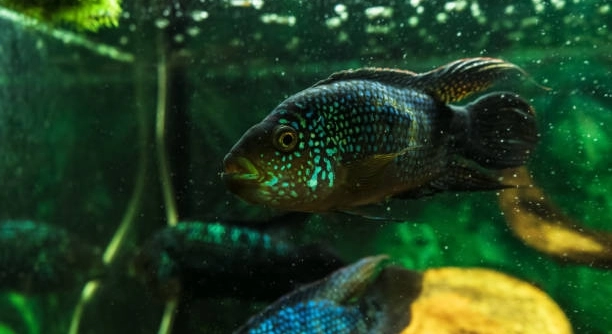
Jack Dempsey cichlids are known for their vibrant colors and bold personalities, making them a popular choice among aquarium enthusiasts. Providing the right substrate is essential to maintain a healthy, comfortable environment for these fish.
Choosing the best substrate for Jack Dempsey tanks involves balancing aesthetics, water chemistry, and the fish’s natural behaviors. Sand, gravel, and specialized soils can support proper filtration, reduce stress, and promote a natural, engaging habitat.
Selecting the correct substrate ensures your Jack Dempsey thrives while keeping your tank visually appealing and easy to maintain.
Sand Substrates for Jack Dempsey Tanks
Sand is a natural choice for Jack Dempsey tanks because it closely mimics their natural habitat. Fine sand allows these fish to dig and sift comfortably without harming their mouths. It is also easy to clean, as debris tends to sit on top rather than settling in. Using sand can help reduce stress, especially for younger or more timid fish. Lighter-colored sand can make the fish’s colors appear brighter, enhancing the overall look of the aquarium. Avoid very coarse sand, as it may trap waste and encourage harmful bacteria growth. Regular stirring or gentle vacuuming helps maintain water quality and prevents compacted areas that could harbor anaerobic bacteria. Sand also works well with live plants, allowing roots to anchor naturally. It is versatile and supports different tank setups, whether you are creating a simple display or a heavily planted habitat. Overall, sand provides both functionality and visual appeal.
Sand substrates offer a realistic, low-maintenance option for Jack Dempsey tanks, encouraging natural behaviors and maintaining a healthy environment.
For Jack Dempseys, sand supports digging, sifting, and comfortable movement. It enhances tank aesthetics and pairs well with planted setups. Regular cleaning ensures water quality and prevents debris buildup.
Gravel Substrates for Durability and Appearance
Gravel is a durable option that comes in many sizes and colors, making it easy to match tank décor.
Gravel provides stability for plants and decorations, and it prevents rapid compaction compared to sand, which can make cleaning simpler in larger tanks. Selecting smooth, rounded gravel reduces the risk of mouth injuries while allowing fish to dig or move it around. Gravel also aids in beneficial bacteria colonization, which helps maintain healthy water conditions. Unlike sand, gravel does not easily cloud water when disturbed. It is available in natural and vibrant tones, letting you highlight the colors of Jack Dempseys. When setting up a gravel substrate, it’s important to rinse it thoroughly to remove dust or debris that could affect water clarity. For planted tanks, mixing fine gravel with nutrient-rich layers ensures root growth. Gravel offers a long-lasting solution, balancing practicality with aesthetics for your aquarium setup. Its versatility makes it suitable for various tank designs and maintenance routines.
Choosing gravel creates a stable, visually appealing environment for Jack Dempseys while supporting their natural behaviors and tank health.
Gravel supports rooting, provides bacterial surfaces, and is easy to maintain. Its durability and visual variety make it a practical choice for diverse tank setups, enhancing both functionality and the fish’s comfort.
Aquarium Soil for Planted Tanks
Aquarium soil improves plant growth and stabilizes water parameters, creating a more natural habitat for Jack Dempseys.
This substrate is nutrient-rich, supporting root development for live plants. It slowly releases essential minerals, helping maintain stable pH and hardness levels, which Jack Dempseys prefer. Soil also enhances water clarity by reducing dissolved substances that may cloud the tank. Combining soil with a thin sand or gravel layer on top prevents fish from disturbing it too much. Proper preparation, including rinsing and soaking, minimizes initial cloudiness. Soil substrates work best in planted tanks where the fish can dig without displacing large amounts, creating a dynamic but controlled environment. It also encourages natural foraging behavior, allowing Jack Dempseys to interact with the substrate safely.
Soil supports robust plant growth, balances water chemistry, and promotes natural behaviors, making it ideal for a planted Jack Dempsey tank.
Using soil with a protective top layer keeps plants anchored while allowing fish to explore. It balances nutrient supply, water quality, and fish comfort.
Crushed Coral for Hard Water Support
Crushed coral raises water hardness and stabilizes pH, which benefits Jack Dempseys in soft water regions.
It gradually releases calcium and carbonate, maintaining stable conditions that prevent pH swings. Crushed coral is long-lasting, resists compaction, and provides a textured surface for digging and sifting. It can be mixed with sand or gravel to improve aesthetics and usability. This substrate also encourages the growth of beneficial bacteria, supporting a balanced ecosystem. While it is not ideal for heavily planted tanks, it works well in setups focused on cichlids. Proper rinsing before use reduces dust and prevents clouding. Using crushed coral allows tank owners to simulate natural environments where Jack Dempseys thrive, ensuring healthier, more active fish.
Crushed coral creates a stable, mineral-rich substrate, supporting pH balance and natural digging behaviors while maintaining overall tank health.
This substrate is durable, easy to maintain, and compatible with mixed sand or gravel layers. It supports water stability, encourages natural fish activity, and helps beneficial bacteria colonize effectively.
Bare Bottom Tanks
Bare bottom tanks are easy to clean and prevent debris buildup, keeping water quality high for Jack Dempseys.
This setup reduces hiding spots for waste, allowing for more efficient filtration and maintenance. Fish behavior remains natural, but the tank looks cleaner and more spacious, ideal for observing their activity.
River Rocks
River rocks offer a natural look while providing stable surfaces for Jack Dempseys to explore. They come in various sizes and shapes, giving texture to the tank floor.
Unlike fine substrates, river rocks reduce compaction and encourage foraging. They are durable, easy to rinse, and can be arranged to create caves or hiding spots. Rocks also support beneficial bacteria colonization, improving water quality. Mixing river rocks with sand or gravel enhances both function and visual appeal. Proper placement prevents gaps where fish could get trapped, making them safe and practical for active cichlids.
Slate and Flat Stones
Flat stones can create layered areas and caves, allowing Jack Dempseys to claim territories and feel secure.
FAQ
What is the best substrate for Jack Dempseys?
The best substrate depends on your tank setup and goals. Sand is excellent for natural digging and sifting behaviors, while gravel provides durability and stability. Aquarium soil is ideal for planted tanks, supporting root growth and maintaining stable water chemistry. Crushed coral benefits hard water setups, keeping pH stable. Bare bottom tanks make cleaning simple, and river rocks or flat stones add texture and hiding spaces. Many owners use layered approaches, such as sand over soil or gravel mixed with crushed coral, to balance aesthetics, functionality, and fish comfort. Consider the fish’s natural behaviors and your maintenance preferences when selecting a substrate.
Can Jack Dempseys live without substrate?
Yes, bare bottom tanks are a viable option. They make cleaning easier, reduce debris buildup, and allow for better water circulation. Jack Dempseys will still display digging and territorial behaviors, but the tank will have a more minimal appearance. Bare tanks can be combined with decorations like slate, driftwood, or rocks to provide hiding spots and visual interest. This setup is practical for breeders or owners focused on monitoring fish health and maintaining stable water parameters.
How often should substrates be cleaned?
Cleaning frequency depends on the type of substrate and tank load. Sand and gravel may need gentle vacuuming every two to three weeks, while bare bottom tanks can be wiped or siphoned weekly. Crushed coral and soil require careful cleaning to avoid disturbing beneficial bacteria. River rocks and flat stones should be rinsed when debris accumulates. Regular cleaning prevents waste buildup, maintains water clarity, and reduces harmful bacteria. Monitoring fish behavior and water parameters can help determine the best cleaning schedule.
Is it safe for Jack Dempseys to dig in the substrate?
Yes, digging is natural and healthy. Sand and soft gravel are safest for their mouths. Aquarium soil allows for plant interaction, while river rocks or flat stones give them space to explore without risk of injury. Avoid sharp or coarse substrates that can damage their mouths or fins. Providing appropriate substrates supports natural behavior, reduces stress, and can enhance the tank’s overall dynamic. Observing your fish during digging ensures they are not getting trapped or hurting themselves.
Can substrates affect water chemistry?
Absolutely. Aquarium soil releases nutrients that support plants and buffer water, while crushed coral increases hardness and stabilizes pH. Sand and gravel are mostly neutral but can trap debris that affects water quality. Monitoring water parameters regularly ensures the substrate contributes positively to the tank environment. Adjusting substrate layers can help maintain balance, especially in planted or cichlid-focused tanks. Proper preparation, including rinsing and soaking, reduces initial cloudiness and helps maintain long-term stability.
Should I mix substrates in one tank?
Yes, mixing substrates can provide the best of both worlds. Sand over soil supports plants while giving Jack Dempseys digging areas. Gravel with crushed coral can enhance water hardness and improve aesthetics. Layered substrates can also reduce cleaning challenges while maintaining natural behaviors. When mixing, ensure layers are stable and won’t easily shift, preventing trapped waste or fish injury. This approach allows customization for both fish comfort and visual appeal.
Do substrates impact plant growth?
Yes. Aquarium soil is the most effective, supplying nutrients and anchoring roots. Sand or fine gravel on top can protect soil from being disturbed. Bare bottom tanks or hard substrates like crushed coral limit plant options but can support floating or potted plants. Choosing the right substrate ensures plants thrive, which in turn improves water quality and provides shelter for Jack Dempseys.
Can I switch substrates after setting up the tank?
Switching substrates is possible but requires care. Gradually moving fish or using temporary tanks reduces stress. Remove old substrate carefully to avoid disturbing beneficial bacteria. Rinse and prepare the new substrate properly. Mixing old and new substrate temporarily can help maintain stability in water chemistry. This process can improve aesthetics, plant growth, or water conditions, but should be done methodically to protect fish health.
Do certain substrates encourage aggression in Jack Dempseys?
Substrate itself doesn’t directly cause aggression, but it can influence territory formation. Rocks, caves, and flat stones allow the fish to claim spaces, which may increase defensive behavior. Sand or soft substrates reduce conflict by allowing more movement and creating open spaces. Observing fish interactions and providing ample hiding spots helps balance aggression and ensures a healthier tank environment.
How do I prevent substrate from clouding the water?
Rinse sand, gravel, or crushed coral thoroughly before adding to the tank. Soak aquarium soil to reduce dust. Avoid disturbing fine substrates too aggressively during cleaning. Layering substrates, such as covering soil with sand, also reduces cloudiness. Regular maintenance, careful water changes, and using filters effectively help maintain clear water and a healthy habitat for Jack Dempseys.
This FAQ addresses common concerns about substrates, helping you create a balanced and functional environment for Jack Dempseys.
Selecting the right substrate for a Jack Dempsey tank is more than just an aesthetic choice. It directly impacts the fish’s health, behavior, and comfort. Each substrate type has unique qualities that affect water chemistry, ease of maintenance, and how the fish interact with their environment. Sand allows for natural digging and sifting, making it a favorite for those who want to replicate the fish’s natural habitat. Gravel is durable and provides stability for decorations and plants. Aquarium soil supports root growth and nutrient distribution for live plants, while crushed coral is ideal for tanks needing harder water and stable pH levels. River rocks and flat stones offer texture and hiding spots, adding depth and variation to the tank. Bare bottom tanks simplify cleaning while still supporting basic natural behaviors. Understanding these differences helps tank owners choose a substrate that balances functionality, aesthetics, and the fish’s well-being.
Maintenance and water quality should also guide your choice. Some substrates, like sand and gravel, are easier to rinse and vacuum, while soil and crushed coral require careful preparation to prevent cloudiness or rapid changes in water parameters. Mixed substrates, such as sand over soil or gravel with crushed coral, can offer multiple benefits in one tank, providing both visual appeal and practical advantages. Hiding spots created by rocks or slate allow Jack Dempseys to claim territories, reducing stress and promoting natural behavior. Keeping an eye on water chemistry and performing regular cleaning ensures the substrate continues to support a healthy tank environment. The right substrate choice reduces unwanted algae growth, minimizes harmful bacteria buildup, and improves the overall aesthetics of the tank. It also affects plant growth, which contributes to oxygenation and water filtration, further supporting a thriving ecosystem.
Ultimately, choosing a substrate comes down to balancing personal preferences with the needs of the fish. Consider the type of tank setup, whether it is planted or focused solely on cichlids, and the behavior of your Jack Dempseys. A substrate that promotes natural behaviors, provides stability, and is easy to maintain will make caring for your fish simpler and more enjoyable. Layering different substrates or adding decorations like rocks, caves, and slate can enhance both functionality and appearance. Observing how the fish interact with the substrate can help identify what works best in your specific tank. By taking the time to select and maintain the appropriate substrate, you create a stable, healthy, and visually appealing environment for Jack Dempseys, supporting their long-term health and making your aquarium a more rewarding space to care for and enjoy.

Hello,
If you enjoy the content that we create, please consider saying a "Thank You!" by leaving a tip.
Every little bit helps us continue crafting quality advice that supports the health, happiness, and well-being of pets around the world, for pets of all shapes, sizes, and species.
We really appreciate the kindness and support that you show us!