
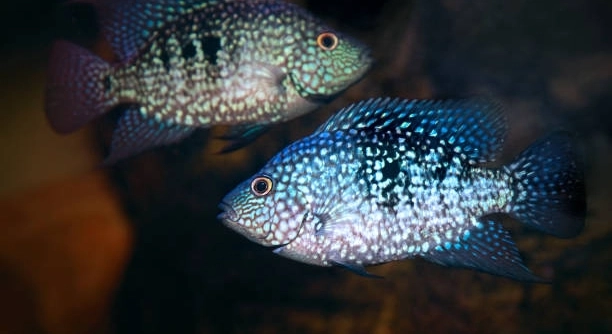
Have you ever noticed how adding natural elements can completely change the look of your Dempsey tank? Many aquarists enjoy creating spaces that feel more organic and calming for their fish. Driftwood is often used for this purpose.
Driftwood provides numerous benefits in Dempsey tanks, including improving water chemistry, offering hiding spots, supporting beneficial bacteria, and enhancing the overall aesthetic. Its natural composition creates a healthier and more balanced environment for fish while mimicking their native habitats.
Using driftwood can also subtly influence fish behavior and tank dynamics. These small changes can make a noticeable difference in both the health and happiness of your aquatic setup.
Natural Hiding Spots for Your Dempseys
Driftwood creates natural hiding spots that make Dempseys feel more secure. These fish can be territorial, and having places to retreat reduces stress and aggressive behavior. I’ve noticed that when my tank had bare areas, my Dempseys often chased each other relentlessly. Adding a few pieces of driftwood instantly changed the dynamic. Fish began exploring more calmly, resting under branches, and establishing territories without constant conflict. Driftwood also mimics the roots and fallen trees they would naturally encounter, providing familiar textures and shapes. Over time, these hiding spots encourage more natural behaviors, including resting, exploring, and occasionally grazing on biofilm. Some driftwood shapes even create sheltered corners that filter light differently, giving fish the option of dimmer, peaceful spaces. Not all pieces are ideal, so selecting driftwood that is smooth and safe for your tank ensures no sharp edges hurt the fish. The visual appeal and practical benefits work together to improve both behavior and tank aesthetics.
These hiding spots improve fish comfort, reduce aggression, and enhance the overall balance of the tank environment.
The presence of driftwood allows Dempseys to develop routines that feel natural. Fish that have access to secure spaces are less stressed, more active during feeding, and tend to display healthier colors. Creating small territories within the tank also helps when adding new fish, as it provides clear boundaries. Over time, these spaces contribute to a harmonious tank where each fish can thrive without constant dominance struggles.
Water Chemistry Benefits
Driftwood slowly releases tannins that slightly lower pH levels and soften water, creating conditions closer to what Dempseys prefer. This natural adjustment is gentle compared to chemical additives and helps maintain a more stable environment.
In addition to pH changes, driftwood supports beneficial bacteria growth. These bacteria help break down waste, reducing harmful ammonia and nitrite spikes. The surface of driftwood is porous, offering areas for biofilm and microorganisms to thrive, which can even provide supplemental nutrition for your fish. Maintaining natural water conditions with driftwood reduces the need for frequent chemical adjustments and creates a healthier ecosystem. Over time, the water gains a subtle, tea-colored tint from tannins, which some Dempseys find calming, reducing stress during feeding or territorial disputes.
Driftwood also helps stabilize water hardness by gradually releasing minerals. This slow influence supports a balanced aquatic environment that protects delicate gill tissues and improves overall fish health. For tanks without natural substrates, driftwood becomes even more valuable in mimicking the fish’s natural habitats, making it a practical and aesthetic choice. Properly prepared driftwood ensures no harmful compounds enter the water, and its long-term presence enhances both chemical stability and visual appeal in the tank. The combination of chemical balance and structural support makes driftwood an essential component for healthy Dempsey care.
Enhancing Tank Aesthetics
Driftwood adds natural beauty and texture to a Dempsey tank. Its varied shapes and rich colors create a more dynamic, visually appealing environment, breaking up empty spaces and complementing plants and rocks. The overall look feels organic and inviting, improving the tank’s presentation.
Arranging driftwood strategically can transform the tank’s visual balance. Taller pieces draw the eye upward, while low-lying branches create depth and layering. Combining different shapes and sizes enhances the natural appearance, giving the tank a more three-dimensional feel. The contrast between dark driftwood and vibrant fish colors makes your Dempseys stand out more vividly, while mosses and small plants attached to the wood create miniature focal points. Over time, the driftwood develops a subtle patina, deepening in color and texture, which adds character to the tank. Each piece contributes to a cohesive, attractive layout without overwhelming the space.
Driftwood also creates a sense of scale and realism. Fish seem to move through a more complex environment, exploring corners and crevices naturally. The wood helps mask equipment like filters and heaters, making the tank feel less artificial. When I added driftwood to my own tank, the overall look became calmer and more balanced. Fish interacted with their environment differently, often resting in shaded areas or hovering near branches. Small plants attached to driftwood grow in unique patterns, softening hard edges and adding variety. These effects combine to make a tank that is both functional and aesthetically pleasing, blending utility with visual charm.
Supporting Beneficial Bacteria
Driftwood surfaces provide ideal areas for beneficial bacteria to colonize. These bacteria break down waste and maintain water quality, reducing toxins that could harm Dempseys. A stable bacterial presence supports a healthier and more resilient tank ecosystem.
The porous texture of driftwood increases surface area, giving bacteria more space to grow. This helps establish a natural filtration system that complements mechanical and chemical filtration. As biofilm develops, small organisms feed on it, creating a microhabitat that contributes to the tank’s biodiversity. Over time, the bacterial colonies become self-sustaining, improving water clarity and reducing the need for constant maintenance. Regularly rinsing driftwood before placement and monitoring its condition ensures it continues to support beneficial microbes safely without introducing harmful pathogens.
Additionally, driftwood’s interaction with water chemistry encourages bacterial growth. The tannins and organic compounds leached from the wood create slightly acidic conditions that many helpful bacteria prefer. These colonies help regulate nitrogen levels by converting ammonia into nitrite and then into less harmful nitrate. Combined with live plants, this natural system reduces spikes in harmful compounds, keeping Dempseys healthier and more active. Personally, I noticed fewer algae outbreaks and a cleaner substrate after adding driftwood, which makes daily maintenance easier. The presence of driftwood supports a long-term, balanced microbial ecosystem essential for a thriving Dempsey tank.
Reducing Fish Stress
Driftwood offers shaded areas where Dempseys can retreat, lowering stress levels. Fish feel more secure when they have places to hide, which helps prevent aggressive behavior and promotes calmer interactions within the tank.
These shaded spots mimic natural habitats, allowing fish to rest and regulate activity. Over time, calmer fish display brighter colors and healthier appetites, showing how simple adjustments in the environment can significantly improve their well-being.
Encouraging Natural Behavior
Driftwood encourages foraging, exploring, and territorial behaviors in Dempseys. Fish swim around branches, inspect crevices, and occasionally graze on biofilm forming on the wood. This interaction keeps them active and engaged, promoting physical health and mental stimulation. In my tank, adding driftwood led to noticeably livelier behavior. Fish explored more confidently, claimed small areas as personal spaces, and even displayed playful chasing without excessive aggression. These activities replicate natural routines, reducing boredom and stress while supporting muscle development and coordination. Driftwood essentially creates a dynamic environment where fish feel motivated to interact with their surroundings, maintaining a healthier, more balanced tank.
Easy Maintenance Benefits
Driftwood can help slow algae growth by slightly darkening the water. This small change reduces constant cleaning needs and contributes to overall tank upkeep.
FAQ
What type of driftwood is safe for Dempsey tanks?
Hardwoods such as Malaysian, Mopani, and Manzanita are generally safe for Dempsey tanks. These woods are dense, don’t easily rot, and release tannins slowly, which benefits water chemistry. Softwoods like pine or cedar are not recommended, as they can leach harmful resins and degrade quickly. Before adding any driftwood, it should be properly cleaned and soaked. I usually boil smaller pieces or soak larger branches for several days, changing the water regularly to remove excess tannins. This ensures the wood is safe, prevents sudden discoloration, and reduces the risk of introducing unwanted pathogens into the tank.
How should I prepare driftwood before placing it in the tank?
Preparation is key to avoid water quality issues. First, scrub the wood thoroughly with a brush under running water to remove dirt, debris, and loose bark. Avoid using soap or chemicals. For smaller pieces, boiling for one to two hours helps kill bacteria, pests, or fungi. Larger pieces can be soaked in a container of water for several days, changing the water each day until it becomes clear. This step also reduces excessive tannin release, preventing dark water that can stress fish. Personally, soaking overnight before placement usually works for medium-sized pieces, giving me confidence the wood is ready.
Will driftwood stain my water permanently?
Driftwood naturally releases tannins, which give the water a tea-colored tint. This is not harmful to Dempseys, and many fish benefit from slightly softened, acidic water. The staining is temporary and diminishes over time as the wood becomes fully waterlogged. I noticed in my own tank that the water initially looked dark for a few weeks, but eventually the color lightened and stabilized. Using activated carbon in the filter can speed up clearing if a lighter appearance is desired.
How much driftwood should I use in my tank?
The amount depends on tank size and fish population. A few strategically placed pieces are often enough to create hiding spots and aesthetic interest. Overcrowding with wood can reduce swimming space, stress fish, and complicate maintenance. In my 40-gallon tank, two medium pieces and a small branch created enough structure for Dempseys to explore and claim territories without limiting their movement. Balance is key—enough to provide enrichment, but not so much that the tank feels cramped.
Can driftwood affect tank maintenance?
Yes, driftwood can slightly reduce algae growth by shading areas and can support beneficial bacteria that break down waste. However, tannins may require more frequent water changes initially, and debris can accumulate under wood, so occasional vacuuming is necessary. I find maintenance easier once the wood stabilizes, as it creates natural filtration zones and encourages fish to stay active around it.
Do I need to anchor driftwood in the tank?
Some driftwood floats initially, so anchoring may be necessary. Rocks, suction cups, or aquarium-safe adhesives work well. I usually tie larger pieces with fishing line to hold them down until they waterlog and sink naturally. Once settled, driftwood rarely moves, even with active Dempseys exploring around it. Proper anchoring prevents stress or accidental damage to fish and decorations.
Can driftwood promote algae growth?
Driftwood itself doesn’t directly cause algae, but shaded areas may reduce light in parts of the tank, indirectly affecting algae patterns. Biofilm forming on wood can attract algae-eating fish and invertebrates, which helps maintain balance. In my tank, algae growth near driftwood is minimal compared to exposed surfaces, making it easier to manage while still adding natural textures.
Is driftwood necessary for Dempsey tanks?
While not strictly necessary, driftwood significantly improves water chemistry, provides hiding spots, encourages natural behaviors, and enhances aesthetics. I’ve seen firsthand how adding driftwood changes the dynamics of a tank. Fish feel more secure, explore more actively, and the tank looks more natural, making it a worthwhile addition for both practical and visual reasons.
How long does driftwood last in a tank?
Hardwoods can last many years if properly prepared and maintained. Over time, some softening or minor surface degradation is normal, but this rarely affects its function. Regular monitoring ensures pieces remain safe and structurally sound. In my experience, driftwood can remain an effective feature for five years or more with minimal maintenance, providing continuous benefits for fish and overall tank balance.
Can I combine driftwood with plants?
Yes, attaching plants like Java moss or Anubias to driftwood creates natural décor and enriches the environment. Plants thrive on branches, and fish use them as additional cover. I often tie moss to wood with thread until it attaches, resulting in a lush, interactive habitat that enhances both aesthetics and fish behavior.
This FAQ covers the most common questions I encounter about driftwood in Dempsey tanks, addressing safety, preparation, maintenance, and benefits, ensuring a practical and enjoyable tank setup.
Word count: 518
Driftwood can be a simple yet powerful addition to a Dempsey tank. Its natural textures and shapes provide hiding spots, shaded areas, and surfaces for biofilm, which all help fish feel more secure and behave naturally. I have noticed that Dempseys in tanks with driftwood seem calmer, explore more, and display brighter colors compared to tanks without it. Even a few well-placed pieces can make a significant difference in both the fish’s comfort and the overall appearance of the tank. The visual impact alone can transform a simple setup into a more dynamic and interesting environment, while the practical benefits improve water quality and support healthier fish. Driftwood can also help balance water chemistry by releasing tannins, which slightly lower pH and soften water, creating conditions closer to the fish’s natural habitat. Over time, the wood develops a subtle patina, adding depth and character to the tank, while simultaneously supporting beneficial bacteria and microorganisms that help maintain a balanced ecosystem. Its role in encouraging natural behavior, such as territorial exploration and foraging, cannot be understated, as these activities contribute to the overall mental and physical health of the fish.
Preparation and placement of driftwood are key to maximizing its benefits. Before adding any piece to the tank, cleaning, boiling, or soaking it helps remove dirt, debris, and excess tannins. I usually soak larger pieces for several days, changing the water daily until it runs clear. This prevents sudden discoloration and ensures the wood is safe for the fish. Placement should consider both aesthetics and functionality, creating hiding spots without overcrowding swimming space. Strategically placing taller branches, low-lying wood, and natural curves can create a more three-dimensional environment, giving fish areas to explore, rest, or establish territories. Driftwood can also be combined with plants like moss or Anubias, which attach to the wood and add a natural touch while providing extra cover for the fish. When installed carefully, driftwood becomes a long-lasting feature, supporting beneficial bacteria, helping with minor water chemistry adjustments, and offering multiple areas for fish to interact with. Anchoring floating pieces with rocks or aquarium-safe ties ensures stability and prevents sudden movement that could stress the fish or damage decorations.
The benefits of driftwood go beyond aesthetics. It creates a healthier, more balanced environment while encouraging behaviors that improve the well-being of Dempseys. Fish in tanks with driftwood tend to be less stressed, more active, and more colorful. Maintenance is simpler over time, as driftwood can reduce algae growth in shaded areas and provide surfaces for natural bacterial colonies. The combination of functional and visual advantages makes driftwood a practical choice for anyone keeping Dempseys. Even a few pieces can change the dynamics of a tank, offering enrichment for the fish and creating a more attractive, natural display. In my experience, incorporating driftwood has consistently led to a calmer, more vibrant tank, where the fish feel secure, the water chemistry is more stable, and the overall appearance feels closer to a natural habitat. By carefully selecting, preparing, and arranging driftwood, it is possible to enhance both the health of the fish and the enjoyment of the tank for anyone observing it.
Word count: 416

Hello,
If you enjoy the content that we create, please consider saying a "Thank You!" by leaving a tip.
Every little bit helps us continue crafting quality advice that supports the health, happiness, and well-being of pets around the world, for pets of all shapes, sizes, and species.
We really appreciate the kindness and support that you show us!