
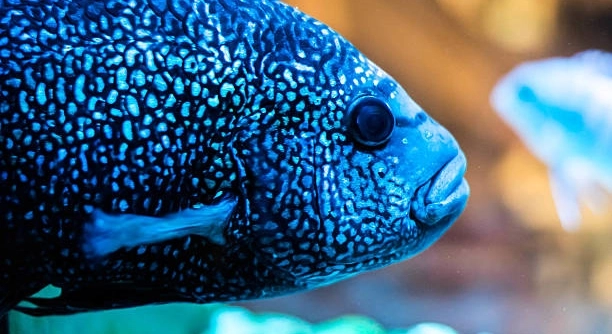
Have you ever noticed that your Jack Dempsey fish spends most of its time swimming in the middle or near the top of the tank? This can be surprising for owners expecting them to stay low near the substrate.
Jack Dempsey fish often avoid the bottom due to water quality, stress, or territorial behavior. Maintaining stable temperature, proper pH, and providing adequate hiding spaces can help encourage natural resting behavior and reduce anxiety in the aquarium environment.
Observing these habits can help you better care for your fish and create a more balanced, comfortable tank for them to enjoy daily.
Common Reasons Your Jack Dempsey Avoids the Bottom
One major reason your Jack Dempsey avoids the bottom is stress caused by sudden changes in the tank. They are sensitive to water temperature shifts, strong currents, and loud noises around the aquarium. Even small disturbances can make them feel unsafe and push them to swim higher. Another factor is water quality. If the tank has high ammonia or nitrite levels, the fish instinctively stay away from the substrate to avoid harmful contact. Tank setup also matters—lack of hiding spots or overcrowding can make the bottom feel exposed. Providing plants, rocks, or caves can give them a sense of security. Sometimes, aggression from other fish discourages them from settling at the bottom. Lastly, feeding habits influence behavior. If food is mostly offered at the surface, Jack Dempseys may learn to spend more time swimming upward, reinforcing their avoidance of the bottom over time.
Stress and poor water conditions are often behind bottom avoidance, along with territorial pressures from other fish.
Observing your fish’s tank behavior closely helps identify patterns and adjust the environment. Making small changes, like adding shelters or adjusting water quality, can gradually encourage them to explore lower areas safely. Consistency in feeding and gentle handling also plays a key role in reducing stress.
Water Conditions and Tank Setup
Maintaining stable water conditions is essential for encouraging bottom activity.
Temperature, pH, and cleanliness directly affect a Jack Dempsey’s comfort. These fish prefer slightly warm water, around 75–80°F, with neutral to slightly alkaline pH. Inconsistent temperatures or dirty water can make the bottom uninviting. Proper filtration and regular water changes help keep ammonia and nitrite low, creating a safer bottom environment. Tank size is equally important. A cramped aquarium limits swimming space and increases stress, while a larger tank allows them to claim territory and explore freely. Substrate choice also matters; sand or smooth gravel is preferred as rough surfaces can irritate their skin. Adding decorations like rocks, driftwood, or caves provides hiding spots and mimics their natural habitat, reducing fear of predators. Observing their response to different setups lets you fine-tune the environment. Gradual changes are better than sudden adjustments, ensuring the fish feel secure while encouraging them to spend more time near the bottom naturally.
Feeding Habits and Their Impact
Jack Dempseys often swim higher if food is mostly offered at the surface. They quickly learn where meals come from and may avoid the bottom entirely. Feeding location directly influences their movement patterns and comfort level within the tank environment.
Consistently dropping food at the bottom encourages natural foraging behavior. Using sinking pellets or occasional live food near the substrate helps them explore lower areas. Overfeeding at the surface can reinforce top-level activity, so portion control is important. Watching how they respond to different feeding methods allows gradual adjustments to create a more balanced routine. Feeding at multiple levels also reduces competition among tank mates and makes the entire environment feel safer.
In addition, some Jack Dempseys prefer moving around to chase food rather than staying still. Mixing feeding styles—surface, mid-level, and bottom—stimulates natural instincts and helps them feel confident exploring the whole tank. Over time, this can reduce anxiety and encourage bottom-dwelling habits, improving both health and comfort.
Tank Mates and Social Behavior
Aggressive or dominant tank mates can push Jack Dempseys away from the bottom. They often avoid areas where they feel threatened or outnumbered, preferring mid-level swimming for safety.
Choosing compatible tank mates is crucial to reduce stress and territorial disputes. Smaller or more passive fish can coexist without forcing Jack Dempseys upward. Avoid overcrowding, as limited space increases competition for hiding spots and resources, leading to avoidance of certain areas. Observing interactions daily helps identify tension points. Rearranging decorations or adding extra caves can provide secure spaces for all fish. Social hierarchy within the tank strongly influences movement patterns. A well-planned tank ensures each fish has its own territory and minimizes conflict, encouraging natural behaviors and reducing stress-induced avoidance of the bottom.
Lighting and Its Effect
Bright or harsh lighting can make the bottom of the tank feel exposed. Jack Dempseys may stay higher where they feel safer and can control their surroundings more easily. Adjusting light intensity helps them feel comfortable exploring lower areas.
Using dimmer lights or providing shaded spots near the substrate encourages natural bottom activity. Plants, rocks, or floating decorations reduce glare and create safe zones. Gradual light adjustments prevent sudden stress, allowing your fish to adapt without fear.
Health and Disease Considerations
Illness or discomfort can make Jack Dempseys avoid the bottom. Swim bladder issues, infections, or skin irritation often cause them to remain mid-level or near the surface. Early detection is key. Monitoring for unusual swimming patterns or lethargy can prevent long-term problems.
Substrate and Bottom Comfort
Rough, sharp, or unfamiliar substrate can discourage bottom exploration. Smooth sand or fine gravel improves comfort and encourages natural behavior. Regular cleaning prevents debris buildup, making the bottom safer and more inviting for Jack Dempseys to rest and forage.
FAQ
Why does my Jack Dempsey stay in the middle of the tank all the time?
Jack Dempseys often stay in the middle of the tank due to feeling unsafe at the bottom. Stress, water conditions, or aggressive tank mates can make the lower levels seem risky. They naturally choose areas where they can see surroundings and retreat if needed. Adjusting hiding spots, checking water quality, and providing smooth substrate can encourage them to explore lower areas gradually.
Can poor water quality make my Jack Dempsey avoid the bottom?
Yes, water with high ammonia, nitrite, or fluctuating pH can make the bottom uncomfortable or even harmful. Fish instinctively avoid areas that feel dangerous. Maintaining clean water through filtration, regular changes, and testing ensures the substrate is safe and inviting. Proper temperature and stable pH levels also support comfort.
Do Jack Dempseys need hiding places at the bottom?
Absolutely. Without caves, plants, or rocks near the substrate, the bottom can feel exposed. Jack Dempseys need secure spots to rest and hide from tank mates. Adding multiple shelters allows them to explore the lower tank safely and reduces stress-related avoidance behavior.
Will feeding at the bottom encourage them to stay there?
Feeding sinking pellets or live foods at the substrate can train Jack Dempseys to spend more time near the bottom. Consistently offering meals at different levels encourages natural foraging behavior. Overfeeding at the surface reinforces mid-tank swimming, so portion control and mixed feeding locations are effective strategies.
Does lighting affect their bottom activity?
Yes. Bright or direct lighting can make the bottom feel exposed, so Jack Dempseys may stay in mid or upper tank levels. Using dim lights or shaded areas helps them feel safe, especially when combined with plants or floating decorations. Gradual adjustments prevent stress.
Can tank mates influence bottom avoidance?
Tank mates play a big role in movement patterns. Aggressive or dominant fish can force Jack Dempseys to avoid the bottom. Choosing compatible, peaceful species and avoiding overcrowding helps them feel secure. Adding extra hiding spots also reduces competition and encourages exploration of the lower tank.
Are health issues a reason for bottom avoidance?
Yes. Swim bladder problems, infections, or skin irritation may make it uncomfortable to stay near the substrate. Watch for erratic swimming, lethargy, or surface staying behavior. Early detection and proper treatment improve comfort and encourage natural movement throughout the tank.
Does substrate type matter for Jack Dempseys?
It does. Rough, sharp, or unfamiliar substrate can make the bottom feel unsafe. Smooth sand or fine gravel is ideal, reducing irritation and encouraging bottom exploration. Regular cleaning of the substrate keeps it free from harmful debris, making the tank more inviting.
How long does it take for Jack Dempseys to explore the bottom?
It depends on the fish and environment. Some may adjust within days if water conditions, hiding spots, and feeding practices are optimized. Others may take weeks to feel safe. Patience, gradual changes, and observation are key to encouraging natural bottom behavior.
Can stress from handling affect their bottom activity?
Yes. Rough handling or sudden movements around the tank can make Jack Dempseys anxious. Stress causes them to avoid exposed areas, including the bottom. Gentle interaction, minimal disturbance, and predictable routines help them feel safe and more willing to explore lower areas over time.
What is the role of tank size in bottom avoidance?
Smaller tanks can make the bottom feel crowded or exposed. Adequate space allows Jack Dempseys to claim territory and explore freely. A larger tank with proper hiding spots and decor encourages them to use all levels, including the substrate, without feeling threatened or stressed.
Can temperature fluctuations affect their preference?
Yes. Jack Dempseys prefer stable temperatures around 75–80°F. Sudden changes can make them avoid the bottom. Keeping water consistent with a reliable heater and thermometer ensures comfort and reduces stress-induced avoidance behaviors.
Is it normal for young Jack Dempseys to avoid the bottom?
Young fish may stay higher as they learn the tank environment. They feel safer in open spaces with a clear view. Over time, with proper water conditions, hiding spots, and gradual exposure to the substrate, juveniles usually begin exploring lower areas more confidently.
How often should I adjust the tank to encourage bottom activity?
Frequent, sudden changes can increase stress. Small, gradual adjustments to decor, lighting, and feeding location are better. Monitoring behavior allows you to see if they feel safe. Patience and consistent care encourage Jack Dempseys to explore the bottom naturally without anxiety.
Can seasonal changes affect their bottom swimming?
Yes. Changes in room temperature, lighting, or routine can influence behavior. Seasonal adjustments may require monitoring water temperature and light levels to maintain a comfortable environment, helping them feel secure enough to spend time at the bottom.
Does overstocking the tank cause bottom avoidance?
Overcrowding increases competition and stress. Jack Dempseys may stay mid-level to avoid conflict. Ensuring appropriate tank size, compatible species, and sufficient hiding spots encourages natural territorial behavior and makes the substrate safer for resting and exploration.
What signs show they are starting to use the bottom more?
Look for increased resting near the substrate, foraging at the bottom, and occasional hiding in caves. Gradual comfort with movement and reduced mid-level anxiety indicate they are adapting and finding the bottom a safe and appealing space.
Can decorations alone make a difference?
Yes. Rocks, plants, and caves reduce exposure and provide security. Strategic placement creates safe zones and mimics natural habitat, encouraging Jack Dempseys to explore and spend time at the bottom while feeling protected from stress or aggression.
How does feeding frequency affect their bottom activity?
Consistent feeding schedules prevent stress and encourage routine behavior. Balanced, small meals at multiple levels stimulate natural exploration. Avoiding overfeeding at the surface reduces preference for mid-tank swimming and helps them develop comfort near the substrate.
Should I worry if they never go to the bottom?
Not always. Some fish have personal habits or preferences. However, ensuring proper water conditions, hiding spots, compatible tank mates, and feeding practices helps create an environment that encourages natural bottom activity while maintaining overall health.
Can introducing new hiding spots change behavior quickly?
Yes. Adding caves, plants, or rocks gives them immediate options to feel secure. This can lead to gradual exploration of the bottom, especially if paired with sinking food and stable water conditions, helping them develop confidence over time.
Are Jack Dempseys naturally mid-level swimmers?
They are semi-aggressive cichlids and often patrol mid-levels for territory. While they can inhabit the bottom, environmental factors, tank mates, and comfort influence where they spend most of their time. Proper care ensures they feel safe enough to explore all levels.
Does water current influence bottom avoidance?
Strong currents can make the bottom less appealing. Jack Dempseys may avoid areas with high flow to conserve energy or reduce stress. Adjusting filtration flow or creating calm zones near the substrate encourages natural resting and bottom activity.
How can I gradually encourage bottom exploration?
Introduce small hiding spots, offer sinking food, reduce bright lighting, and monitor tank mates. Make adjustments slowly and observe behavior. Patience and consistent care allow Jack Dempseys to feel safe exploring the bottom over time without adding unnecessary stress.
Can sudden tank rearrangements cause prolonged avoidance?
Yes. Large changes can make the bottom feel unfamiliar and unsafe. Gradual decoration changes, slow introduction of new elements, and stable water conditions prevent long-term avoidance and support natural exploration of all tank levels.
Is it normal for older Jack Dempseys to change levels?
Yes. Age, size, and experience can affect movement patterns. Older fish may prefer resting in mid-levels or shaded areas. Providing comfortable substrate, hiding spots, and consistent water quality supports health and encourages occasional bottom activity even in mature fish.
Do live plants help bottom activity?
Live plants provide shade, hiding spots, and security. Jack Dempseys feel more confident exploring near the substrate when plants offer protection from view, reduce stress, and mimic natural environments, promoting natural resting and foraging behavior at the bottom.
Can temperature differences between top and bottom affect behavior?
Yes. Uneven heating can make the bottom colder, pushing Jack Dempseys upward. Using heaters and proper circulation ensures uniform temperature, making the bottom more comfortable for resting and reducing avoidance behaviors.
What role does tank shape play?
Tall tanks may make the bottom feel more exposed, while wider tanks provide space for hiding and exploration. Tank shape, combined with decorations and hiding spots, influences comfort and encourages bottom-dwelling habits.
Does water hardness matter for bottom comfort?
Water hardness affects overall health and comfort. Jack Dempseys prefer moderately hard water. Inconsistent hardness can stress them and discourage bottom activity. Maintaining stable water chemistry supports natural behavior and substrate exploration.
How long should I monitor changes in behavior after adjustments?
Observe daily for at least two to four weeks after changes. Gradual adaptation takes time, and monitoring allows you to identify which adjustments encourage bottom exploration effectively. Patience ensures changes do not stress the fish.
Can bottom avoidance indicate long-term stress?
Persistent avoidance may indicate ongoing stress or unsuitable conditions. Reviewing water quality, tank mates, hiding spots, and feeding habits can help address the root causes and improve overall comfort and natural behavior.
Are Jack Dempseys more active at certain times of day?
Yes. They often explore during feeding or when the tank is calm. Observing daily patterns helps plan feeding and adjustments to encourage bottom activity, aligning with their natural rhythm.
Do seasonal water changes influence bottom preference?
Seasonal temperature shifts or light changes can affect behavior. Adjusting heaters, lighting, and monitoring water chemistry helps maintain comfort and encourages Jack Dempseys to explore lower tank levels consistently.
Is bottom avoidance always a problem?
Not necessarily. Some Jack Dempseys naturally prefer mid-levels. The key is ensuring their environment supports health, comfort, and security while gradually encouraging natural bottom behavior without forcing change.
Can adding multiple hiding spots make a difference faster?
Yes. Providing several secure zones reduces competition, stress, and exposure, helping them feel confident using the substrate. Multiple shelters encourage exploration, resting, and natural foraging at the bottom over time.
Does the type of food influence their swimming level?
Surface-only food keeps them higher. Sinking pellets or occasional live food at the bottom encourages natural foraging, making the lower levels more appealing. Mixing feeding locations balances activity across all tank levels.
How does tank maintenance affect behavior?
Clean, well-maintained tanks reduce stress and make the bottom safer. Regular water changes, substrate cleaning, and filter maintenance ensure the tank is inviting, encouraging Jack Dempseys to explore lower areas naturally.
Are Jack Dempseys territorial at the bottom?
Yes. Territorial behavior can make them avoid or claim areas. Providing multiple shelters and adequate space allows them to establish territory without stress, encouraging exploration and natural use of the bottom.
Does tank depth influence bottom avoidance?
Deep tanks may make the bottom feel more intimidating. Wider tanks with shallow areas or added hiding spots reduce exposure, helping Jack Dempseys feel safe enough to spend time at the substrate.
Can lighting cycles affect bottom activity?
Regular day-night cycles help them feel secure. Abrupt changes can cause stress and avoidance. Gradual adjustments in lighting, combined with hiding spots, encourage natural exploration of all tank levels, including the bottom.
What is the most effective combination to encourage bottom activity?
Stable water quality, smooth substrate, dimmed or shaded lighting, sinking food, adequate hiding spots, compatible tank mates, and proper tank size collectively create a safe, comfortable environment that promotes natural bottom exploration and reduces stress-induced avoidance behaviors.
How do I know if adjustments are working?
Look for increased resting, foraging, and hiding near the substrate, along with calmer mid-level behavior. Gradual changes indicate comfort, while persistent avoidance signals the need for further observation and adjustment.
Is it possible for some Jack Dempseys to never use the bottom?
Yes, individual personality and habits play a role. Ensuring proper care, safety, and comfort allows the fish to thrive even if bottom activity remains minimal. Focus on overall health and well-being rather than forcing behavior.
How do I balance bottom activity with social behavior?
Providing multiple hiding spots, sufficient space, and compatible tank mates ensures Jack Dempseys can explore the bottom without conflict. Observing interactions and adjusting the environment encourages natural territorial and social behavior while supporting substrate exploration.
Can seasonal changes in feeding affect bottom use?
Yes. Seasonal feeding adjustments can encourage foraging at different levels. Offering sinking food or live treats near the bottom during these periods stimulates natural behavior and keeps the fish comfortable across all tank levels.
Are all Jack Dempseys equally likely to avoid the bottom?
No. Individual personality, age, and past experiences influence behavior. While most benefit from environmental adjustments, some may prefer mid-levels consistently. Focus on creating a safe, balanced habitat that supports exploration without forcing change.
Does tank temperature consistency matter more than absolute warmth?
Yes. Sudden drops or spikes can stress fish and make them avoid the bottom. Maintaining a stable, appropriate temperature is more important than the exact number, supporting comfort and natural movement.
Can rearranging hiding spots too often cause setbacks?
Frequent changes can increase anxiety and prolong bottom avoidance. Gradual adjustments with observation allow Jack Dempseys to adapt safely and explore the substrate naturally over time.
Is bottom avoidance linked to age or size?
Younger fish may avoid the bottom for safety, while older or larger fish may prefer mid-levels due to confidence or territorial instincts. Providing proper care and environment supports natural exploration across all life stages.
Do Jack Dempseys use the bottom more at night?
Some may feel safer near the substrate when the tank is quiet or dimly lit. Observing nocturnal activity helps adjust lighting and hiding spots to encourage comfortable bottom use at all times.
Can sudden loud noises affect bottom exploration?
Yes. Jack Dempseys are sensitive to vibrations and loud sounds, which can make the bottom feel unsafe. Minimizing sudden disturbances encourages natural movement and reduces stress-induced avoidance behaviors.
Are certain tank decorations more effective than others?
Caves, plants, and driftwood are most effective. They reduce exposure, provide security, and mimic natural habitats, helping Jack Dempseys feel safe exploring the bottom without fear of attack or stress.
How long before I see consistent bottom activity?
With stable water, proper hiding spots, appropriate tank mates, and mixed feeding, noticeable changes can occur within days to weeks. Patience and observation ensure sustainable, stress-free adaptation.
Is it necessary to combine multiple strategies?
Yes. Water quality, hiding spots, feeding location, tank mates, lighting, and substrate type all influence behavior. Combining these strategies creates a safe environment, encouraging Jack Dempseys to use the bottom naturally while maintaining overall health.
Can Jack Dempseys be retrained to explore the bottom?
Yes. Gradual introduction of hiding spots, sinking food, dimmed lighting, and reduced stress encourages exploration. Consistency, patience, and careful observation are key to successful adaptation and long-term comfort at the bottom.
Does the shape of hiding spots matter?
Yes. Caves with rounded edges and plants with soft leaves reduce stress and irritation. Secure, comfortable hiding spots encourage Jack Dempseys to use the bottom while minimizing avoidance behavior.
Is bottom avoidance reversible?
Most of the time, yes. With proper water conditions, hiding spots, compatible tank mates, and feeding strategies, Jack Dempseys can gradually explore and feel safe near the substrate. Consistency and patience are essential for success.
Can seasonal temperature drops discourage bottom use?
Yes. Cooler water near the substrate may feel uncomfortable. Maintaining stable temperatures with a heater and circulation ensures comfort and encourages natural bottom activity.
Are Jack Dempseys less likely to avoid the bottom in larger tanks?
Generally, yes. More space allows them to claim territory, reduce stress, and explore safely. Proper tank size combined with hiding spots encourages natural bottom-dwelling behavior.
Does diet variety influence bottom exploration?
Yes. Offering sinking pellets, live food, and occasional treats at different levels stimulates natural foraging, encouraging Jack Dempseys to explore the bottom regularly rather than staying only at mid-levels.
How does age influence comfort with the bottom?
Young fish may avoid the bottom for safety. Mature fish may claim territory or avoid competition. Gradual environmental adjustments support natural exploration at all ages.
Can tank shape discourage bottom use?
Tall, narrow tanks may feel exposed. Wider tanks with hiding spots reduce exposure, making the bottom more inviting and safe for resting and foraging.
Do seasonal light changes affect bottom activity?
Yes. Abrupt or strong light can make the bottom feel exposed. Gradual changes or dimmed lighting help Jack Dempseys feel secure and encourage exploration of lower tank levels.
Is bottom avoidance a sign of long-term stress?
Persistent avoidance can indicate stress from water conditions, tank mates, or environmental factors. Addressing these issues helps improve comfort and encourages natural bottom exploration.
How do I know my adjustments are effective?
Look for resting, foraging, and hiding near the substrate. Gradual adaptation and reduced anxiety indicate positive changes and increased comfort with the bottom environment.
Are some fish naturally less likely to use the bottom?
Yes. Individual personality, age, and experience influence behavior. Proper care ensures health and safety even if bottom activity remains minimal.
Can adding multiple hiding spots speed up adaptation?
Yes. Multiple secure zones reduce stress and encourage confidence in exploring the substrate. Gradually, this leads to more natural bottom-dwelling behavior.
Do Jack Dempseys need a mix of food types for bottom exploration?
Yes. Surface-only food reinforces mid-level swimming. Sinking or live foods near the bottom encourage foraging and substrate activity, supporting balanced movement across the tank.
Does tank maintenance influence bottom use?
Regular cleaning, water changes, and substrate upkeep reduce stress and make the bottom safe, encouraging natural exploration and resting behavior.
Is bottom avoidance permanent?
Not usually. With proper care, hiding spots, feeding strategies, and compatible tank mates, Jack Dempseys can gradually feel safe exploring the bottom.
Can territorial behavior affect bottom activity?
Yes. Providing multiple hiding spots and adequate space allows them to establish territory and reduces conflict, encouraging natural exploration of the substrate.
Does tank depth influence bottom comfort?
Deeper tanks may feel intimidating. Wider tanks with secure zones reduce exposure and encourage bottom use, making resting and foraging safer.
Do day-night cycles affect bottom exploration?
Yes. Consistent cycles and gradual light changes help Jack Dempseys feel secure, supporting natural use of the substrate
Final Thoughts
Jack Dempsey fish are unique in their behavior, and their tendency to avoid the bottom of the tank is influenced by a combination of factors. Stress, water quality, tank setup, and the presence of other fish all play a role in where they feel comfortable swimming. Unlike some cichlids that naturally spend most of their time near the substrate, Jack Dempseys often prefer mid-levels or upper areas when they feel exposed or unsafe. Understanding their preferences is the first step in creating an environment where they feel secure. By observing your fish closely, you can notice patterns in their behavior and identify areas that may need attention, such as water temperature, pH levels, or lighting conditions. Adjustments made gradually can encourage natural exploration without causing additional stress.
The tank environment itself has a major impact on their comfort. Hiding spots, smooth substrate, and decorations can make a big difference in encouraging bottom activity. Rocks, caves, and plants provide safe areas for resting or hiding from more aggressive tank mates. Sinking food or live treats at the bottom also stimulates natural foraging behavior, helping them become more familiar with the substrate. Tank size matters as well; larger tanks allow fish to claim territory, reduce stress, and explore freely. Additionally, consistent maintenance, including cleaning the substrate and monitoring water quality, ensures that the bottom of the tank is safe and appealing. A stable, well-arranged tank gives Jack Dempseys confidence to use all levels, including the bottom, while reducing anxiety and aggressive interactions.
Patience is essential when encouraging bottom exploration. Each fish has its own personality, and some may take longer to feel comfortable near the substrate. Gradual changes, careful observation, and consistency in feeding, lighting, and hiding spots create an environment that supports natural behavior. It is important to balance multiple factors at once, such as tank mates, water quality, and feeding locations, to achieve the best results. Even if a Jack Dempsey prefers mid-levels, providing a safe and well-structured environment ensures overall health and well-being. Ultimately, the goal is to create a tank where your fish feels secure and confident in all areas, including the bottom. Consistent care, understanding, and attention to detail make it possible for Jack Dempseys to thrive and display natural behaviors in a comfortable, safe habitat.

Hello,
If you enjoy the content that we create, please consider saying a "Thank You!" by leaving a tip.
Every little bit helps us continue crafting quality advice that supports the health, happiness, and well-being of pets around the world, for pets of all shapes, sizes, and species.
We really appreciate the kindness and support that you show us!