
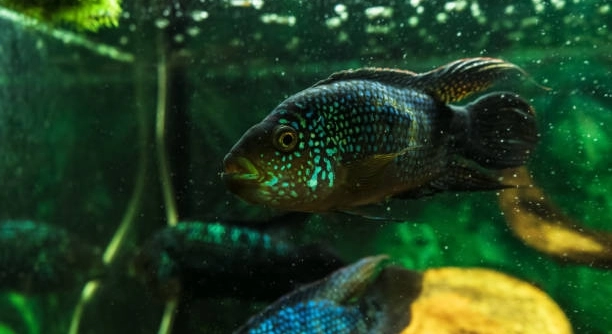
Jack Dempsey fish are known for their bold colors and active behavior. Many aquarists enjoy their presence, but caring for them requires attention. Temperature is a crucial factor that directly affects their health and overall well-being in aquariums.
Jack Dempsey fish can live without heaters only if the water temperature remains consistently between 72 and 86 degrees Fahrenheit. Exposure to cooler or fluctuating temperatures can cause stress, weaken their immune system, and increase susceptibility to disease.
Providing a stable and suitable environment ensures these fish thrive. Proper tank management and consistent conditions support their long-term health and vibrant appearance.
Understanding Jack Dempsey Fish Temperature Needs
Jack Dempsey fish thrive in warm water that mimics their natural habitat. Their ideal temperature range is between 75 and 82 degrees Fahrenheit, where they remain active and healthy. Sudden drops in temperature can stress them, causing lethargy or reduced appetite. Without a heater, maintaining this temperature depends heavily on the room’s climate and seasonal changes. In cooler regions, the water can drop below safe levels, making the fish vulnerable to illness. Consistency is key. They can tolerate minor fluctuations for short periods, but prolonged exposure to temperatures below 72 degrees can stunt growth and compromise immune function. Using a reliable thermometer helps track the tank’s temperature. Placement of the aquarium also matters; avoiding cold drafts or direct sunlight can reduce sudden temperature swings. Proper filtration and aeration support stable conditions, helping the fish maintain a natural rhythm. Even without a heater, careful monitoring ensures they stay healthy throughout the year.
Regular temperature checks prevent unexpected problems and keep the tank safe. Stability matters more than equipment alone.
Creating a suitable environment without a heater requires patience and observation. Adjusting water placement, adding insulation around the tank, or keeping the room consistently warm can reduce temperature fluctuations. Some aquarists rely on ambient room temperature in mild climates to keep the water stable, while others use small adjustments, like tank covers, to retain warmth. Even minor changes can affect behavior, feeding, and overall health. Observing your fish daily allows you to spot early signs of stress, such as clamped fins or unusual hiding. Maintaining proper water quality and ensuring sufficient oxygenation complements temperature management. Plants, rocks, and decorations can also help regulate microenvironments within the tank. By combining careful observation, strategic tank placement, and stable room conditions, Jack Dempsey fish can survive without heaters. However, extra attention is required to avoid temperature drops during colder months.
Alternatives to Heaters for Stability
Natural methods can help maintain warmth in the aquarium. Room insulation, covering the tank, and choosing a stable location reduce sudden drops.
For those avoiding heaters, it is possible to sustain a healthy environment through careful planning. Placing the tank in a room that stays consistently warm reduces temperature swings. Using insulating materials around the aquarium, such as foam panels or blankets over the back and sides, retains heat naturally. Maintaining consistent lighting schedules also provides subtle warmth. Aquatic plants can moderate microclimates and buffer slight temperature changes. Avoiding cold drafts from windows or air vents prevents sudden drops. Regular water changes should use pre-warmed water to avoid shocking the fish. Monitoring daily ensures that any shifts in behavior or appetite are noticed early. While these methods require diligence, they can successfully maintain Jack Dempsey fish in regions where mild temperatures are consistent year-round. Adapting the environment thoughtfully allows the fish to remain active, healthy, and vibrant without relying on electric heaters.
If heaters are not an option, small adjustments and careful observation ensure a safe and stable tank environment.
Signs Your Jack Dempsey Fish Is Uncomfortable
Changes in behavior often indicate stress from temperature issues. Lethargy, reduced appetite, and hiding more than usual are common signs. Fins may clench or fade in color, and unusual swimming patterns can appear. Recognizing these behaviors early helps prevent serious health problems.
Monitoring your Jack Dempsey daily allows you to notice subtle changes that might indicate discomfort. Cold water slows metabolism, making fish less active and more prone to disease. Stress can manifest as aggression toward tank mates or excessive resting near the bottom. Observing eating habits is also important; a decrease in appetite may signal the water is too cold. Maintaining a stable environment, adjusting room temperature, and minimizing sudden changes can reduce these stress indicators. Quick intervention can restore comfort before illness develops.
Behavioral changes are often the first sign of environmental stress. Temperature instability can make them sluggish, less interactive, or prone to hiding. Regular checks of water conditions and observing reactions to feeding and movement help maintain their well-being. Consistent routines and small environmental adjustments create a calmer, healthier aquarium where Jack Dempsey fish remain active, colorful, and resilient even without heaters in stable climates.
Maintaining Water Quality Without a Heater
Consistent water conditions prevent illness even when the tank lacks a heater. Regular testing for pH, ammonia, and nitrites keeps fish safe.
Without a heater, maintaining water quality requires careful observation and timely adjustments. Temperature drops can reduce the effectiveness of biological filtration, causing waste buildup and higher ammonia levels. Frequent water testing ensures that parameters remain within safe ranges. Partial water changes using water at a similar temperature help stabilize conditions and reduce stress. Overfeeding should be avoided, as uneaten food decomposes and affects water quality. Using high-quality filtration and aeration supports oxygen levels, especially in cooler water. Plants also contribute to water stability by absorbing nutrients. Combining these practices ensures Jack Dempsey fish thrive even in a non-heated tank.
Maintaining clean water without a heater demands diligence. Checking chemical levels, avoiding overfeeding, and performing partial water changes regularly prevent sudden environmental shifts, keeping the fish healthy and active. Filtration, aeration, and plants provide additional support, reducing the risks caused by temperature fluctuations.
Tank Placement for Temperature Stability
Placing the tank in a warm, draft-free room helps maintain consistent water temperatures. Avoid windows, vents, or exterior walls where cold air can enter. Stability in the surrounding environment is essential for Jack Dempsey fish to remain healthy.
Keeping the tank away from direct sunlight prevents overheating during the day. A central location inside the house or on an insulated surface reduces sudden temperature swings. Even small adjustments, like adding a tank cover or foam backing, can help retain heat. Observing how the tank reacts throughout the day ensures that the fish stay comfortable without relying on a heater.
Feeding Considerations in Cooler Water
In cooler water, Jack Dempsey fish digest food more slowly. Adjusting feeding amounts prevents overfeeding and reduces waste buildup. A smaller, more frequent feeding schedule helps maintain their health and water quality.
Signs of Illness from Cold Stress
Cold stress weakens the immune system. Watch for faded colors, clamped fins, or unusual lethargy, which can indicate health issues early.
FAQ
Can Jack Dempsey fish survive in a room without a heater?
Yes, they can survive if the room temperature remains stable and warm enough. Ideally, water should stay between 72 and 86 degrees Fahrenheit. Sudden drops in temperature or prolonged exposure to cooler water can cause stress, weaken their immune system, and make them more prone to disease. Observing the fish daily helps ensure they remain active and healthy without a heater.
What are the risks of keeping them without a heater?
The main risks involve temperature fluctuations and cold stress. When water drops below their preferred range, metabolism slows, and the fish become lethargic. Appetite may decrease, and behavior such as hiding or aggression can appear. Long-term exposure to cooler water can stunt growth and compromise overall health, increasing susceptibility to infections.
How can I tell if my Jack Dempsey is stressed from cold water?
Signs include clamped fins, faded coloration, unusual hiding, and sluggish movement. The fish may eat less or show erratic swimming patterns. Monitoring these behaviors daily is important. Quick adjustments, like moving the tank to a warmer location or insulating it, can help reduce stress and restore normal activity.
Are there natural ways to keep water warm without a heater?
Yes, placing the tank in a consistently warm room is the most effective method. Adding insulation around the back and sides of the tank helps retain heat. Avoiding cold drafts, using covers, and maintaining stable lighting schedules can subtly increase water temperature. Plants can also create microclimates that help buffer slight temperature changes.
Do I need to change feeding routines in cooler water?
Yes, in cooler water, digestion slows. Feeding smaller amounts more frequently prevents uneaten food from decomposing and affecting water quality. Monitor their appetite and adjust portions accordingly. Overfeeding in cold water can quickly lead to waste accumulation and ammonia spikes, which adds stress to the fish and compromises tank conditions.
How often should I check water parameters without a heater?
Daily monitoring is recommended. Temperature, pH, ammonia, nitrite, and nitrate levels should be checked regularly. Partial water changes using water at a similar temperature prevent sudden shocks. Consistent testing helps detect problems early and keeps the fish healthy even without artificial heating.
Can Jack Dempsey fish adapt to cooler temperatures over time?
They can tolerate minor fluctuations for short periods, but they do not adapt to prolonged cold. Their metabolism and immune function remain affected if temperatures drop consistently below the safe range. Even small drops over several days can cause stress, so maintaining stable, warm water is crucial for long-term health.
What equipment helps maintain stability without a heater?
Reliable filtration and aeration support oxygen levels and water circulation. Using a thermometer ensures precise temperature monitoring. Adding plants and decorations can create areas with more stable microenvironments. Insulating the tank and maintaining a draft-free location reduces sudden temperature swings. These methods together help sustain a safe environment for Jack Dempsey fish.
Is it worth keeping Jack Dempsey without a heater in cooler climates?
It can be challenging. While mild climates may allow survival, colder regions make it difficult to maintain stable water temperatures. Extra care, constant monitoring, and environmental adjustments are necessary. Using heaters is generally recommended for consistent health, but in the right conditions, careful observation can allow them to thrive without one.
What should I do if I notice signs of illness from cold stress?
Immediate steps include relocating the tank to a warmer area, insulating it, and stabilizing the water temperature. Reduce stress by limiting disturbances and checking water quality. Monitor feeding habits and behavior closely. If symptoms persist, consult a veterinarian or aquatic specialist for guidance on treating temperature-related illness.
Can partial heaters or heating alternatives work?
Yes, using a small, adjustable heater or localized heating pads can help maintain minimal warmth without fully relying on electric heaters. These alternatives provide stability during colder periods, especially at night or in cooler seasons. Combining them with insulation and proper placement ensures the water stays within a safe range.
How do plants help in a non-heated tank?
Plants create microclimates and slightly buffer temperature changes. They absorb nutrients, improve oxygen levels, and contribute to overall tank stability. Strategically placing plants near hiding spots helps fish feel secure and reduces stress during minor temperature fluctuations. This natural support complements other environmental measures for maintaining a healthy tank.
How often should I observe my Jack Dempsey without a heater?
Daily observation is essential. Watch for changes in color, behavior, appetite, and movement. Even minor shifts can indicate stress or temperature issues. Regular checks allow prompt action, such as adjusting the tank location, adding insulation, or performing temperature-stable water changes. This ensures the fish remain healthy and active without artificial heating.
What’s the most important factor for survival without a heater?
Consistency is key. Stable, warm water conditions combined with proper feeding, water quality, and careful observation determine their health. Even without a heater, a well-monitored environment allows Jack Dempsey fish to thrive, as long as sudden temperature drops and prolonged cold exposure are avoided.
Final Thoughts
Jack Dempsey fish are resilient and can survive without heaters under the right conditions. The most important factor is maintaining stable water temperatures within their preferred range. Sudden fluctuations or prolonged exposure to cold water can cause stress, reduce appetite, and make them more vulnerable to disease. Observing their behavior daily helps detect early signs of discomfort, such as clamped fins, faded coloration, or lethargy. Simple environmental adjustments, like choosing a warm room, adding insulation around the tank, and avoiding drafts, can significantly reduce temperature swings. Even without a heater, careful planning and attention to these factors make it possible for the fish to remain healthy and active. While heaters are the easiest way to provide consistent warmth, non-heated setups can work for people in regions with mild, stable climates, or for aquarists willing to closely monitor conditions.
Feeding and water quality also play an essential role in keeping Jack Dempsey fish healthy without a heater. In cooler water, their metabolism slows, which affects digestion and energy levels. Feeding smaller, more frequent meals prevents uneaten food from decomposing and impacting water quality. Regular testing of pH, ammonia, nitrite, and nitrate levels is necessary to ensure the tank remains safe. Partial water changes using water at a similar temperature help stabilize the environment and reduce stress. Filtration and aeration further support stable conditions, keeping oxygen levels consistent even when the water is cooler. Plants and decorations contribute to microclimate stability, offering shelter and helping buffer slight temperature changes. By combining these approaches, it is possible to maintain a balanced, comfortable environment for Jack Dempsey fish without relying on a heater.
Finally, patience and observation are key to success. Jack Dempsey fish respond to subtle changes in their environment, so monitoring their behavior and the tank conditions is essential. Noticing even small signs of stress allows you to take corrective actions before issues escalate. Consistency in room temperature, feeding routines, water quality, and tank placement supports long-term health and vibrant colors. While non-heated setups require more attention than those with heaters, they can still be a viable option when managed carefully. Providing stable conditions, observing behavior, and adjusting the environment as needed ensures that Jack Dempsey fish remain active, healthy, and well-cared for, even without artificial heating.

Hello,
If you enjoy the content that we create, please consider saying a "Thank You!" by leaving a tip.
Every little bit helps us continue crafting quality advice that supports the health, happiness, and well-being of pets around the world, for pets of all shapes, sizes, and species.
We really appreciate the kindness and support that you show us!