
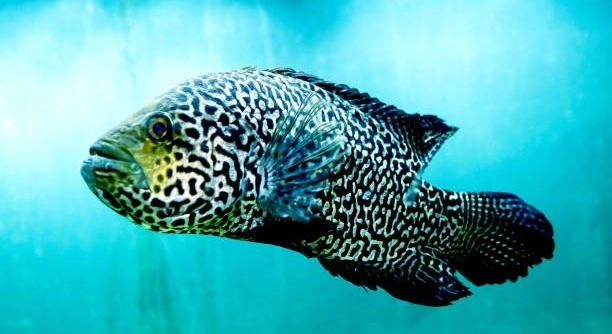
Is your Jack Dempsey fish spending most of its time hiding behind rocks or decor, leaving you worried about its comfort and behavior in the tank at home with little visible activity during observation periods?
Jack Dempsey fish hide constantly due to environmental stressors such as improper water parameters, insufficient tank space, aggressive tank mates, or inadequate shelter, which trigger a natural defensive response aimed at reducing perceived threats within their surroundings and overall security.
Recognizing these causes allows you to create a calmer habitat that supports confidence, visibility, and long-term health for your fish.
Tank Environment and Stress Levels
Jack Dempsey fish are sensitive to their surroundings, and even small changes can cause stress that leads to constant hiding. Water temperature, pH balance, and ammonia levels all play a role. When these factors drift outside safe ranges, the fish often retreats to protect itself. I have noticed that inconsistent maintenance, missed water changes, or overfeeding can quietly worsen conditions. Bright lighting and excessive noise near the tank may also add pressure. Together, these elements create an environment that feels unsafe, pushing the fish to remain hidden rather than active. This behavior is not stubbornness but a response shaped by instinct, where survival takes priority over curiosity, movement, or interaction within a space that no longer feels predictable or stable. Over time, prolonged stress can weaken immunity, making the fish more prone to illness and reinforcing the hiding pattern further. This cycle often continues until the environment becomes supportive again.
Hiding is often the first visible sign something is off, not a personality flaw. When conditions improve, most Jack Dempsey fish slowly resume normal swimming, feeding, and territorial behavior without forcing interaction or sudden changes. Patience and consistency matter more than constant adjustments during this recovery period for the fish.
Tank size also influences how secure a Jack Dempsey feels. These fish grow large and prefer defined territory. A cramped aquarium limits movement and increases tension, even when housed alone. Decorations matter as well. Caves, rocks, and driftwood provide visual breaks and resting spots that reduce exposure. I tend to arrange decor so hiding places feel intentional, not crowded. When shelter is balanced with open swimming space, the fish gains confidence. Over time, this layout encourages exploration while still offering retreat when needed. Proper spacing helps reduce stress behaviors and supports healthier daily activity patterns overall for long term stability.
Supporting Confidence and Visibility
Once the underlying stressors are addressed, behavioral improvement follows gradually. Stable water care, appropriate tank mates, and a predictable routine create a sense of safety that allows your Jack Dempsey to spend less time hiding and showing more confidence through visible movement, feeding, and interaction patterns within the tank environment.
Observation plays an important role in long-term success. I make a habit of watching subtle changes rather than expecting immediate results. Reduced hiding, steady appetite, and calm swimming indicate progress. Avoid rearranging the tank too often, as frequent changes can reset stress responses. Keep lighting moderate and provide a consistent day and night cycle. If tank mates are present, ensure compatibility and adequate space. Aggressive behavior, even minor chasing, can undo improvements quickly. Regular testing and scheduled maintenance keep conditions stable. When the environment remains predictable, a Jack Dempsey learns it is safe to be seen. This sense of security supports natural behavior, stronger coloration, and better overall health over time. I have found that consistency matters more than perfection. Small mistakes happen, but correcting them calmly prevents larger issues. Feeding at regular times and avoiding sudden movements near the glass also help. Over weeks, the fish becomes more visible and responsive. This steady approach builds trust and reduces hiding without pressure. With patience, the tank shifts into a calm space where natural behavior feels comfortable and sustainable long term for both the fish and the keeper, supporting balance, stability, and lasting confidence over time daily observation routines overall health.
Tank Mates and Aggression
Jack Dempsey fish are naturally territorial, and incompatible tank mates can quickly lead to hiding behavior. Fast swimmers, fin nippers, or overly aggressive species increase stress. Even subtle dominance displays may cause your fish to retreat consistently instead of defending space within shared aquariums over time with repeated exposure daily.
Choosing tank mates requires careful consideration of size, temperament, and space. Jack Dempsey fish often feel threatened by similar sized cichlids or constant movement nearby. I learned that peaceful fish still create pressure when overcrowding occurs. Providing enough territory reduces conflict and visual stress. Separating aggressive species or upgrading tank size often leads to noticeable improvement. When dominance struggles fade, the fish no longer feels the need to hide for safety. Balanced stocking allows natural behavior to return slowly and steadily without intervention over extended periods of stable care, observation, and consistent aquarium management practices at home tanks today overall.
Tank mate stress is not always obvious, which makes observation essential. Occasional chasing, blocking caves, or hovering near feeding areas can intimidate a Jack Dempsey. I pay attention to body language and feeding order. If my fish eats last or avoids open space, something is wrong. Rearranging decor rarely solves social tension long term. Removing the source of stress is more effective. Once pressure is gone, confidence improves, and hiding decreases naturally over time as the environment becomes calmer, predictable, and supportive for daily behavior, feeding, and resting patterns to remain stable long term overall health and visibility within tanks.
Lighting and Daily Routine
Lighting intensity and daily routines influence how safe a Jack Dempsey feels. Excessively bright lights or irregular schedules encourage hiding. I keep lighting moderate and consistent each day. Sudden changes startle fish and reinforce retreat behavior. Predictable feeding times and a steady light cycle help establish security and reduce unnecessary stress responses during normal activity hours, supporting comfort, visibility, and long term behavioral stability within the home aquarium environment daily routine care practices overall health.
Noise, movement, and placement of the aquarium also affect behavior. Tanks placed near televisions, doors, or heavy foot traffic increase anxiety. I noticed improvement after relocating my tank to a calmer area. Covering three sides of the aquarium can reduce exposure and help the fish feel enclosed. Consistency matters more than constant adjustments. Avoid tapping glass or sudden hand movements. Over time, the fish associates the environment with safety rather than threat. This familiarity encourages exploration and reduces reliance on hiding spots. Small adjustments, when maintained consistently, support visible confidence without forcing interaction, allowing natural behavior to develop gradually while minimizing stress, promoting health, stability, and long term comfort within the aquarium space daily care routines for both fish and keeper at home environments overall.
Water Quality and Maintenance
Poor water quality often causes Jack Dempsey fish to hide for long periods. Elevated ammonia, nitrites, or unstable pH create discomfort. I learned that even clear water can be harmful without regular testing. Consistent water changes and filtration help restore comfort and reduce defensive behavior over time gradually for stability.
Infrequent maintenance allows waste to build silently, stressing fish before symptoms appear. I stick to a schedule rather than reacting late. Stable conditions matter more than perfect numbers. When parameters remain steady, Jack Dempsey fish feel secure enough to leave shelter and behave normally again during daily tank routines today.
Feeding and Nutrition
Improper feeding routines can also encourage hiding. Overfeeding pollutes water, while underfeeding weakens confidence. I noticed hiding increased when meals were inconsistent. Jack Dempsey fish respond best to a balanced diet with protein rich pellets, occasional frozen foods, and controlled portions. Feeding at the same times each day creates predictability. Avoid dropping food suddenly or crowding the surface. When nutrition supports energy and strength, the fish becomes more active. Healthy digestion improves coloration, movement, and curiosity. With steady feeding habits, hiding fades as the fish associates feeding time with safety rather than competition or stress within the tank environment today.
Health Issues and Illness
Underlying health issues often lead to prolonged hiding. Parasites, infections, or internal problems drain energy and increase vulnerability. I always watch for clamped fins, color loss, or refusal to eat. Early treatment and isolation prevent worsening stress and help recovery before behavior becomes permanent in home aquariums long term stability.
FAQ
Why does my Jack Dempsey hide even when water parameters seem fine?
Water parameters can appear acceptable while other factors cause stress. Tank layout, lighting, noise, or nearby activity can make the fish feel exposed. I have seen hiding continue even with stable readings because the environment still felt unpredictable. Jack Dempsey fish rely on a sense of control over their space. If decor placement limits visibility or forces constant exposure, hiding becomes a coping response. Stability goes beyond numbers and includes surroundings, routine, and visual comfort.
How long does it take for a Jack Dempsey to stop hiding once issues are fixed?
Behavior changes rarely happen overnight. In my experience, improvement can take several days to a few weeks. The fish needs time to rebuild confidence and learn that conditions are safe. Sudden changes can slow progress. Consistency with lighting, feeding, and maintenance helps the fish adjust gradually. As stress decreases, short periods of visibility usually appear first before full confidence returns.
Is hiding normal for a new Jack Dempsey fish?
Yes, hiding is common during the adjustment period. A new tank, unfamiliar surroundings, and transport stress often cause retreat behavior. I usually expect hiding during the first one to two weeks. Providing caves and minimizing disturbance helps ease this transition. If hiding continues long after introduction, it may signal ongoing stress rather than normal adjustment.
Can a Jack Dempsey hide too much and become unhealthy?
Prolonged hiding can lead to health problems. Limited movement affects muscle tone, while reduced feeding weakens immunity. I watch closely when hiding becomes constant and paired with appetite loss. Addressing the cause early prevents long term decline. Once the environment supports confidence, activity levels usually improve, supporting better health overall.
Does tank size really matter if my Jack Dempsey is alone?
Tank size matters even without tank mates. Jack Dempsey fish establish territory and patrol space. In smaller tanks, they feel confined and alert. I noticed improved behavior after upgrading tank size, even without adding fish. More space reduces perceived threats and allows natural movement. This alone can significantly reduce hiding.
Should I add more hiding spots if my fish hides constantly?
Adding shelter helps, but balance is important. Too many tight spaces can trap the fish in hiding mode. I aim for a few well placed caves combined with open swimming areas. The goal is to offer choice, not force isolation. When hiding spots feel secure but not restrictive, confidence improves over time.
Can feeding habits influence hiding behavior?
Yes, feeding habits play a direct role. Irregular feeding or aggressive competition increases stress. I feed at consistent times and avoid startling movements. When meals are predictable and calm, the fish associates open space with safety. This reduces the urge to hide before and after feeding periods.
Is it normal for Jack Dempsey fish to hide more during certain times of day?
Some variation is normal. Jack Dempsey fish may rest more during low light periods. I notice increased activity during consistent daytime hours. Sudden schedule changes can disrupt this pattern. Keeping a steady light cycle helps regulate behavior. As routines stabilize, hiding becomes less frequent and more predictable.
Should I interact with my fish to reduce hiding?
Minimal interaction works best. Sudden movements or frequent tank interference can increase stress. I let the fish observe from a distance. Over time, calm presence helps build familiarity. As trust forms, the fish becomes more visible without forced interaction or disturbance.
Can illness cause hiding before other symptoms appear?
Yes, hiding often appears before physical signs. Subtle issues like parasites or internal stress reduce energy. I treat unexplained hiding seriously, especially when paired with color changes or appetite shifts. Early action improves recovery and prevents long term behavioral changes.
Final Thoughts
Understanding why a Jack Dempsey fish hides constantly comes down to recognizing stress and responding with patience rather than quick fixes. Hiding is not random behavior or a permanent trait. It reflects how the fish perceives its surroundings at that moment. When conditions feel unstable, unsafe, or overwhelming, retreat becomes the safest option. I have learned that improvement starts with consistency. Stable water quality, predictable routines, and thoughtful tank setup create an environment where the fish does not feel the need to stay hidden. Small details matter more than many people expect. Lighting, noise, feeding habits, and tank placement all influence daily comfort. When these factors work together, confidence develops naturally. The fish does not need to be forced into visibility. It simply needs time to realize that its environment no longer poses a threat.
Progress often happens gradually, and that is normal. There may be days when the fish appears more active, followed by periods of retreat. This does not mean conditions are failing. Adjustment takes time, especially for a species with strong territorial instincts. I remind myself to observe patterns rather than isolated moments. Regular maintenance, calm behavior around the tank, and minimal disruption allow the fish to relax at its own pace. Overcorrecting or constantly changing the setup can slow improvement. A steady approach builds trust and reduces stress responses. When the fish begins swimming openly, maintaining eye contact, and feeding confidently, it is a sign that the environment feels stable again. These changes may seem subtle, but they reflect meaningful improvement in overall well-being.
Caring for a Jack Dempsey fish requires attention, patience, and realistic expectations. Not every fish behaves the same way, even under similar conditions. What matters most is creating a balanced habitat that supports natural behavior rather than reacting to every short-term change. I have found that focusing on long term stability leads to better results than chasing perfection. When the tank remains predictable, the fish feels secure enough to be visible. Hiding becomes an occasional choice rather than a constant response. This balance supports health, confidence, and natural movement. Over time, the aquarium becomes a calm space rather than a source of stress. By addressing environmental, social, and routine-based factors together, you support lasting improvement and allow your Jack Dempsey fish to thrive comfortably within its home.

Hello,
If you enjoy the content that we create, please consider saying a "Thank You!" by leaving a tip.
Every little bit helps us continue crafting quality advice that supports the health, happiness, and well-being of pets around the world, for pets of all shapes, sizes, and species.
We really appreciate the kindness and support that you show us!