
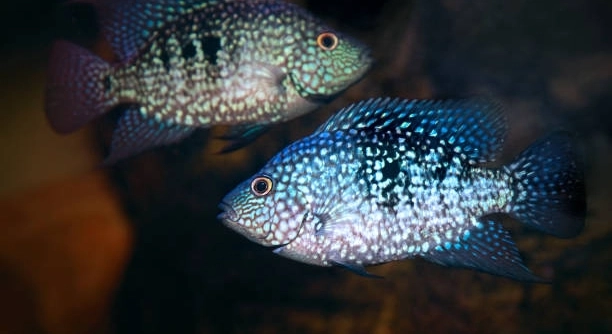
Have you ever noticed your Jack Dempsey fish staying still for long periods in the tank? Many owners find that their fish’s energy levels are closely tied to the foods they are given regularly.
Feeding Jack Dempsey fish a combination of high-protein, nutrient-dense foods increases their activity levels. Including live, frozen, and formulated diets supports metabolism, encourages natural behavior, and promotes overall health and responsiveness in these freshwater fish.
Choosing the right foods can make a visible difference, keeping your Jack Dempsey fish lively, alert, and engaged in its environment.
Live Foods to Boost Activity
Live foods are highly effective for stimulating Jack Dempsey fish. They trigger hunting instincts and provide essential nutrients that are often lacking in dry pellets. Popular options include bloodworms, brine shrimp, and daphnia. These foods are rich in protein and fats, which contribute to faster growth, stronger muscles, and improved energy. Feeding live foods also encourages movement and interaction within the tank, preventing lethargy. It is important to source these foods from reputable suppliers to avoid contamination or disease. Introducing live foods gradually helps the fish adapt without causing digestive upset. Rotating different types of live foods ensures a balanced diet. Many owners notice their Jack Dempsey becomes noticeably more active within days of adding live options, often swimming more confidently and responding to tank changes. This type of feeding mimics natural behavior, which is beneficial for mental and physical health. Overall, live foods are a reliable way to enhance activity consistently.
Live foods significantly improve metabolism and encourage natural behavior in Jack Dempsey fish, keeping them healthy and energetic in the tank environment.
Regularly offering a variety of live foods ensures that your Jack Dempsey receives balanced nutrition. Observing their response can guide portion sizes and feeding frequency. Overfeeding can lead to water quality issues, so moderation is essential. By combining different live options with occasional frozen alternatives, you maintain interest and prevent dietary monotony. Watching the fish actively hunt and feed reinforces that proper nutrition directly affects behavior, movement, and vitality.
Frozen and Prepared Options
Frozen foods are convenient and still provide high nutrition for Jack Dempsey fish. They are easy to store and maintain quality without compromising protein content.
Frozen foods like bloodworms, krill, and mysis shrimp help supplement live diets. They are less risky for introducing diseases and can be portioned precisely. Many fish owners alternate frozen with live foods to reduce stress and maintain consistent activity levels. Prepared foods, including high-quality pellets and flakes, provide essential vitamins and minerals. Feeding a mix of frozen and prepared options ensures nutritional balance, supports growth, and promotes energetic swimming patterns. These foods also reduce reliance on hunting instincts while still stimulating movement. Observing the fish as it eagerly accepts frozen or pellet food confirms that it receives sufficient energy. Incorporating these foods strategically throughout the week keeps Jack Dempsey fish alert, responsive, and consistently active, which benefits overall health and longevity. Frozen and prepared foods are practical, effective, and essential for maintaining a lively aquarium.
High-Protein Pellets
High-protein pellets are essential for Jack Dempsey fish to maintain energy and muscle development. These pellets are specially formulated to support growth and encourage activity, making them a reliable option for daily feeding.
Using high-protein pellets ensures consistent nutrition and energy throughout the day. They contain concentrated protein, vitamins, and minerals that support metabolism and stimulate movement. Feeding pellets alongside live or frozen foods creates a balanced diet. Jack Dempsey fish tend to respond well, showing more frequent swimming and interactive behavior. Proper portioning is important to avoid overfeeding, which can lead to water quality issues and sluggishness. By monitoring their response, you can adjust feeding amounts to maintain activity and health.
Pellets also offer convenience and stability for maintaining a feeding schedule. They do not spoil quickly, allowing you to control portion sizes accurately. Incorporating pellets with other food types provides variety, preventing the fish from becoming bored with their diet. Over time, Jack Dempsey fish exhibit stronger muscles, increased alertness, and more consistent energy, demonstrating that high-protein pellets are a key component of a practical and effective feeding strategy.
Vegetables and Plant-Based Foods
Vegetables and plant-based foods add fiber and essential nutrients to a Jack Dempsey’s diet. They support digestion while keeping fish active and healthy.
Leafy greens, peas, and zucchini are ideal options. Blanching or lightly steaming vegetables makes them easier to digest. These foods supply vitamins that aid in metabolism, supporting energy levels and movement. Combining plant-based options with protein sources ensures a balanced diet and prevents nutritional gaps. Regular feeding encourages consistent activity and promotes a natural swimming pattern.
Plant-based foods also help prevent digestive issues common in carnivorous fish. By including vegetables in the diet, you provide variety that maintains interest and encourages exploration in the tank. Jack Dempsey fish often show increased responsiveness and curiosity when offered fresh or lightly cooked vegetables. The fiber and micronutrients support long-term health, allowing the fish to remain active, agile, and vibrant. Maintaining this mix improves overall behavior, energy, and physical development.
Insects and Larvae
Insects and larvae provide high protein and essential nutrients for Jack Dempsey fish. Options like mealworms and black soldier fly larvae stimulate natural hunting behavior and keep the fish active and engaged in the tank.
Feeding insects occasionally adds variety and mimics the fish’s natural diet. These foods support muscle growth, energy levels, and overall vitality, contributing to consistent activity throughout the day.
Shrimp Varieties
Freshwater and brine shrimp are excellent for Jack Dempsey fish. They are nutrient-rich, easy to digest, and encourage swimming and hunting behavior. Regular feeding improves alertness, responsiveness, and energy levels, keeping the fish lively in the aquarium environment.
Worms
Worms, such as earthworms and bloodworms, are a strong protein source. They enhance activity and provide essential nutrients for growth and health.
FAQ
What is the best diet for Jack Dempsey fish to stay active?
A balanced diet combining high-protein pellets, live foods, frozen options, and plant-based foods is ideal. High-protein pellets provide essential nutrients consistently. Live foods, such as bloodworms or brine shrimp, trigger natural hunting instincts. Frozen foods add convenience while maintaining protein content, and vegetables supply fiber and vitamins for digestion and energy. Alternating these foods keeps Jack Dempsey fish engaged, prevents boredom, and supports growth, muscle development, and overall activity. Feeding in moderation ensures water quality is maintained and avoids lethargy caused by overfeeding.
How often should I feed my Jack Dempsey fish?
Feeding frequency depends on the fish’s size and age. Juveniles benefit from two to three smaller feedings daily, while adults do well with one or two feedings. Portion control is important to prevent overeating, which can reduce activity and degrade water quality. Monitoring how much the fish consumes within a few minutes helps determine the correct portion size. Providing a variety of food types across these feedings encourages consistent energy levels and movement. Maintaining a routine feeding schedule helps the fish anticipate meals, which naturally promotes activity and responsiveness throughout the day.
Can Jack Dempsey fish eat vegetables?
Yes, vegetables are a healthy supplement for Jack Dempsey fish. Leafy greens, peas, and zucchini are easy to digest and supply fiber, vitamins, and minerals. Blanching or lightly steaming vegetables before feeding makes them easier to eat. Plant-based foods aid digestion, prevent constipation, and support energy levels, contributing to overall activity. Including vegetables alongside protein sources ensures nutritional balance and variety, which keeps the fish engaged and encourages natural swimming patterns. Regular incorporation of plant-based foods helps maintain long-term health and keeps Jack Dempsey fish lively and alert in the tank.
Are live foods necessary for Jack Dempsey fish?
Live foods are not strictly necessary but are highly recommended for stimulating activity. They mimic natural prey, triggering hunting instincts and encouraging movement. Foods such as brine shrimp, daphnia, and bloodworms provide high-quality protein and fats, essential for metabolism, muscle development, and energy. Alternating live foods with frozen or pellet options ensures safety and nutritional balance. Many owners notice increased swimming, responsiveness, and overall vitality when live foods are included. Using live foods selectively prevents overreliance and maintains interest, keeping Jack Dempsey fish active and engaged while supporting both physical and mental health.
What are the risks of overfeeding?
Overfeeding can cause water quality issues and lead to lethargy in Jack Dempsey fish. Excess food decomposes, producing ammonia and other toxins that stress the fish. Overeating also contributes to obesity and digestive problems, reducing overall activity and slowing metabolism. Providing controlled portions and observing the fish’s consumption helps maintain health and activity. Rotating food types and limiting high-fat options prevents excessive calorie intake. Maintaining a clean tank with regular water changes complements a proper feeding schedule, ensuring Jack Dempsey fish remain energetic and responsive.
How do I introduce new foods safely?
Introduce new foods gradually to prevent digestive upset. Start with small portions and observe how the fish reacts. Combining new foods with familiar options helps the fish adapt without stress. For live or frozen foods, rinse or thaw properly to reduce contaminants. Monitoring behavior and energy levels ensures the fish responds well. Gradual introduction encourages acceptance, maintains activity, and ensures a balanced diet. This method also prevents waste and supports stable water quality while promoting long-term health.
Can Jack Dempsey fish eat worms regularly?
Worms, such as bloodworms or earthworms, can be offered regularly but in moderation. They provide high protein, support muscle development, and encourage active swimming. Feeding worms alongside other protein and plant-based foods ensures a balanced diet. Overfeeding worms alone may lead to nutritional imbalance and water quality issues. Combining worms with pellets, live, and vegetable options maintains variety, energy, and overall vitality. Observing the fish’s reaction helps determine how often worms should be included to promote consistent activity without compromising health.
Are frozen foods as effective as live foods?
Frozen foods are nearly as effective as live foods for activity and nutrition. They retain protein and essential nutrients while being safer and easier to store. Alternating frozen with live or pellet foods provides variety and supports consistent energy levels. Jack Dempsey fish respond well to frozen bloodworms, krill, or mysis shrimp, showing increased movement and alertness. Frozen foods reduce the risk of disease compared with live sources and can be portioned accurately. Incorporating frozen options alongside other foods maintains vitality, natural behavior, and long-term health without sacrificing convenience or effectiveness.
How can I tell if my Jack Dempsey fish is active enough?
Active Jack Dempsey fish swim consistently, respond to feeding, and explore their environment. Sluggish or resting behavior may indicate insufficient nutrition or water quality issues. Monitoring swimming patterns, appetite, and interaction with tankmates helps gauge activity levels. Adjusting diet with high-protein, live, frozen, and plant-based foods encourages movement. Consistent observation ensures the fish maintains energy, health, and natural behavior in the tank environment.
Final Thoughts
Keeping Jack Dempsey fish active is largely about providing the right foods and maintaining a consistent feeding routine. These fish are naturally energetic, but without proper nutrition, they can become sluggish and less responsive. Including a mix of high-protein pellets, live foods, frozen options, and plant-based foods ensures they receive all the essential nutrients they need. Each type of food serves a different purpose: pellets provide a reliable base, live foods stimulate natural hunting behavior, frozen foods offer convenience without sacrificing nutrition, and vegetables support digestion and overall health. By balancing these options, you can create a diet that keeps your fish energetic and healthy over the long term.
Observation is key to understanding your fish’s activity levels. Watching how they respond to different foods and adjusting portions accordingly can make a noticeable difference. Overfeeding can be as harmful as underfeeding, leading to sluggish behavior and poor water quality. It is important to offer moderate portions that your fish can consume within a few minutes. Rotating food types also helps maintain interest, prevents dietary monotony, and encourages consistent activity. You will likely notice improvements in swimming patterns, responsiveness to feeding, and overall alertness once a proper feeding routine is established. Healthy fish are more confident, explore their environment, and demonstrate the natural behaviors that make them interesting to watch.
A well-balanced diet combined with proper feeding practices contributes not only to activity but also to long-term health. Active Jack Dempsey fish are less prone to illness and develop stronger muscles, better metabolism, and a more vibrant appearance. Paying attention to nutrition, portion size, and variety can prevent common problems such as constipation, lethargy, and slow growth. Providing foods that stimulate movement and mimic natural diets creates a more engaging and stimulating environment. Ultimately, the key to keeping Jack Dempsey fish active is consistency and observation. By monitoring their behavior and adjusting feeding practices, you ensure they remain healthy, lively, and alert, making the aquarium a more dynamic and enjoyable space.

Hello,
If you enjoy the content that we create, please consider saying a "Thank You!" by leaving a tip.
Every little bit helps us continue crafting quality advice that supports the health, happiness, and well-being of pets around the world, for pets of all shapes, sizes, and species.
We really appreciate the kindness and support that you show us!