
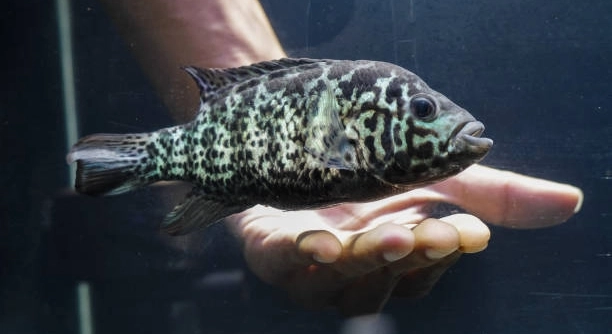
Are your Jack Dempsey fish acting restless in their new tank or hiding more than usual? Adjusting to a new environment can be stressful, and their behavior may indicate how well they are adapting to their surroundings.
Jack Dempsey fish demonstrate signs of settling in through consistent swimming patterns, regular feeding responses, and interactions with their environment. Observing these behaviors over time provides clear indicators of adaptation and overall comfort in their habitat.
Recognizing these signs early helps ensure your fish remain healthy and comfortable as they adjust to their new home.
Observing Their Swimming Patterns
When your Jack Dempsey fish is settling in, its swimming becomes more purposeful and steady. At first, it may dart around the tank or hide frequently. Over several days, you will notice smoother movements, exploration of open areas, and less erratic behavior. This shift shows growing comfort. Swimming near decorations or slowly patrolling the tank indicates they are starting to claim their territory. If your fish circles the tank or stays near the surface only, it may still be adjusting. Consistent patterns also show that the fish recognizes safe zones and feeding spots. Watching these changes closely can give you insight into how quickly they are acclimating. Maintaining clean water and stable conditions encourages calm swimming. Avoid overcrowding the tank as it may stress your Jack Dempsey, slowing adaptation. Patience is key, as each fish may settle at a different pace depending on its personality and tank conditions.
Over time, calmer and consistent swimming signals a fish is comfortable in its new environment and routine.
Steady exploration and predictable movement patterns are signs your Jack Dempsey is confident in its habitat. They gradually stop hiding, swim in open areas, and interact with tank features. Observing these behaviors over time confirms that your fish is adjusting and feeling secure.
Feeding Response and Appetite
A healthy Jack Dempsey shows interest in food and responds predictably to feeding times.
Tracking feeding behavior is a clear indicator of adjustment. A fish that eats eagerly or accepts food from your hand is displaying trust and comfort. Initially, some fish may refuse food, but gradual improvement reflects adaptation. Feeding should be consistent, with high-quality pellets or live food to stimulate appetite. Uneaten food should be removed promptly to maintain water quality, as poor conditions can affect appetite. Over a few weeks, a settled fish develops routine feeding habits, approaching familiar spots without hesitation. Observing how they compete or interact with tank mates during feeding also reveals confidence levels. Avoid sudden changes in diet to prevent stress. Providing a stable environment and observing subtle shifts in feeding response helps ensure your Jack Dempsey is acclimating properly and maintaining health.
Feeding behavior is one of the most reliable indicators that your fish is adapting well to its new surroundings. A steady appetite and willingness to explore food show growing comfort. Over time, consistent feeding habits reflect both trust and a healthy adjustment.
Interaction with Tank Decor
Settled Jack Dempsey fish explore decorations, rocks, and plants without hesitation. They may swim around caves or rest near hiding spots, showing comfort. Avoid frequent rearrangements, as stability helps them feel secure.
As your fish becomes familiar with its environment, it starts using tank features regularly. They may rest under plants, weave through rocks, or patrol the perimeter of caves. This behavior demonstrates confidence and a sense of territory. Initially, they might ignore decorations, but repeated exploration indicates growing curiosity and comfort. Observing how they interact with objects over time can reveal their level of adaptation and overall well-being. A stable tank layout supports these positive behaviors.
Familiarity with the tank allows your Jack Dempsey to establish favorite spots. They begin moving predictably around decorations, resting in preferred areas, and showing less hiding. This consistent interaction confirms they are comfortable in their environment.
Color and Physical Condition
Coloration in Jack Dempsey fish improves as they settle, appearing more vibrant and consistent across the body. Pale or dull colors often indicate stress or adjustment.
Healthy, settled fish show strong, rich colors and smooth scales without signs of stress. Bright coloration reflects proper acclimation, adequate nutrition, and a low-stress environment. Stress can cause fading, blotches, or unusual marks. Observing color changes alongside behavior provides a complete picture of adaptation. Regular monitoring and proper tank conditions support physical health. A fish that maintains vibrant colors and smooth scales is adjusting well to its habitat and displaying signs of comfort and well-being.
Monitoring physical condition goes beyond color alone. Check fins, eyes, and body for any irregularities. Settled fish hold fins upright, swim gracefully, and avoid rubbing against surfaces. Vibrancy in color often accompanies confident movement and regular feeding habits. Proper water parameters and nutrition are essential to maintain these traits. Consistent observation allows you to identify changes early, ensuring your Jack Dempsey remains healthy. Over time, these physical indicators reinforce that the fish is fully adapting to its new environment and thriving.
Interaction with Tank Mates
Settled Jack Dempsey fish show calm interactions with other tank inhabitants. They no longer hide constantly and maintain personal space while asserting mild territorial behavior.
Aggression is usually minimal once the fish adjusts. They may chase or display briefly, but it is controlled and predictable. Respecting their space and providing enough hiding spots reduces stress and promotes harmony in the tank.
Resting Habits
Jack Dempsey fish develop regular resting patterns when comfortable. They often pause near decorations, plants, or substrate and remain still for periods without sudden movements. Settled fish rest in familiar areas, signaling security.
Observing Breathing Patterns
Normal gill movement indicates relaxation and comfort. Rapid or labored breathing may signal stress or water quality issues. Monitoring respiration helps track the fish’s adaptation.
FAQ
How long does it take for a Jack Dempsey fish to settle in?
Most Jack Dempsey fish begin showing signs of comfort within two to four weeks. Initial hiding or erratic swimming is normal, but gradual exploration, consistent feeding, and interaction with tank features indicate they are adjusting. Individual personalities and tank conditions may speed up or slow down this process.
What are the first signs my Jack Dempsey is comfortable?
Early signs include steady swimming, curiosity around decorations, and a willingness to approach feeding areas. The fish may start resting in predictable spots rather than constantly hiding. Vibrant coloration and upright fins also indicate growing confidence. These behaviors usually develop gradually over the first few weeks in a new tank.
How can I encourage my Jack Dempsey to settle faster?
Provide a stable environment with consistent water conditions, temperature, and minimal disturbances. Add hiding spots like caves and plants to create safe zones. Avoid sudden changes in tank layout or lighting. Consistent feeding schedules help the fish associate its habitat with safety and nourishment. Over time, this builds trust and reduces stress.
Is it normal for my Jack Dempsey to hide a lot at first?
Yes, hiding is typical for new fish. It allows them to acclimate without feeling threatened. Over several days, you should notice gradual exploration. If hiding persists for weeks without other positive behaviors, it may indicate stress, illness, or unsuitable water conditions that need attention.
How can I tell if my Jack Dempsey is stressed?
Stress signs include faded color, rapid breathing, erratic swimming, clamped fins, or refusal to eat. Constant hiding and aggression beyond normal territory displays may also indicate discomfort. Monitoring these behaviors alongside water quality ensures you can address stress factors before they affect health.
Should I rearrange the tank to help my Jack Dempsey settle?
Frequent rearrangement can increase stress. Stability in tank layout allows the fish to learn safe areas and establish territory. Minimal changes, such as adding new plants gradually, are acceptable, but sudden large rearrangements may slow acclimation and trigger hiding or aggression.
What role does water quality play in settling?
Water quality is crucial. Parameters like pH, temperature, and ammonia levels affect stress and behavior. Clean, stable water encourages natural behaviors, healthy coloration, and proper feeding responses. Poor conditions may prevent the fish from settling and increase the risk of disease. Regular testing and maintenance are essential.
Can Jack Dempsey fish interact peacefully with other species while settling?
Once acclimated, Jack Dempseys can coexist with compatible species. Initially, they may display territorial behavior or mild aggression. Ensuring adequate space, hiding spots, and observing interactions helps maintain harmony. Introduce tank mates gradually to reduce stress and allow the fish to adjust comfortably.
How often should I monitor my Jack Dempsey during the settling period?
Daily observation is ideal during the first few weeks. Watch swimming patterns, feeding response, color, and interaction with tank features. This allows you to notice early signs of stress or illness and ensures the fish is adjusting to its new environment effectively.
What is the best way to feed a newly settled Jack Dempsey?
Feed small amounts consistently, using high-quality pellets or live food. Observe appetite and remove uneaten food promptly to maintain water quality. Consistent feeding schedules reinforce a sense of security and help establish routine behaviors in a new tank. Gradually, the fish will approach feeding areas confidently.
How can I tell if my Jack Dempsey is fully settled?
A fully settled fish swims predictably, explores its environment, rests in familiar spots, interacts calmly with tank mates, maintains vibrant coloration, and eats consistently. Its behavior appears confident, and any temporary hiding or stress responses become rare. Monitoring over several weeks confirms complete adjustment.
What should I do if my Jack Dempsey isn’t settling?
Check water quality, temperature, and tank layout first. Ensure sufficient hiding spots and minimal disturbances. Consider any aggressive tank mates that may be stressing the fish. Gradual observation and minor adjustments usually help, but prolonged stress may require professional advice or reassessment of tank conditions.
Jack Dempsey fish are fascinating pets, but their adaptation to a new tank can take time. Observing their behavior closely during the first few weeks is essential. Signs such as steady swimming, exploring decorations, interacting with tank mates calmly, and showing consistent feeding habits indicate that they are beginning to feel secure. It is normal for them to hide at first or show minor stress behaviors, but these usually diminish as the fish becomes familiar with its surroundings. Providing a stable environment with proper water conditions, hiding spots, and a predictable feeding routine supports this process and helps the fish adjust more smoothly.
Coloration and physical condition are also important indicators of how well your Jack Dempsey is settling in. Vibrant, consistent colors and smooth, upright fins demonstrate that the fish is healthy and comfortable. Dull colors, erratic movements, or labored breathing may indicate stress, illness, or poor water quality. Monitoring these aspects regularly allows you to address potential issues early and maintain the fish’s well-being. Interaction with tank features such as rocks, plants, and caves reflects their growing confidence and sense of territory. Gradually, they establish favorite resting spots and swim in a predictable manner, signaling a fully adjusted fish. Patience is crucial, as each fish has its own pace of acclimation, and rushing the process can cause unnecessary stress.
Taking time to observe and respond to your Jack Dempsey’s behaviors benefits both the fish and the tank’s overall environment. Maintaining stable conditions, consistent feeding, and minimal disturbances promotes confidence and reduces stress. Understanding their natural patterns and needs allows you to recognize when they are fully comfortable and when adjustments may be required. By following these practices, you can ensure that your Jack Dempsey thrives in its habitat, showing natural behaviors and healthy physical traits. Over time, your fish will display predictable movements, confidence in exploring its surroundings, and a vibrant appearance, confirming that it has successfully settled into its new home.

Hello,
If you enjoy the content that we create, please consider saying a "Thank You!" by leaving a tip.
Every little bit helps us continue crafting quality advice that supports the health, happiness, and well-being of pets around the world, for pets of all shapes, sizes, and species.
We really appreciate the kindness and support that you show us!