
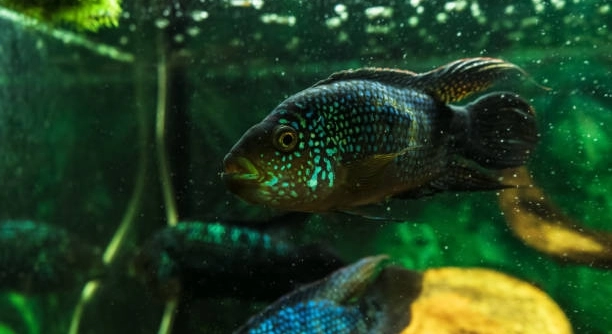
Jack Dempsey fish are popular for their striking colors and active nature. Moving them between tanks requires attention and care, as stress or injury can occur if the process is rushed or handled incorrectly.
Ensuring safety during Jack Dempsey fish transfers involves using proper containers, limiting handling, and maintaining consistent water conditions. These steps minimize stress, prevent physical harm, and support the fish’s overall health throughout the transfer process.
Knowing the right approach can make each transfer smoother and safer, helping your fish adjust comfortably to its new environment. Proper preparation benefits both the fish and the owner.
Preparing the Tank for Transfer
Before moving your Jack Dempsey, make sure the new tank is ready. Check the water temperature, pH levels, and filtration system. Remove any sharp decorations or objects that could injure the fish. Make sure the tank has enough hiding spots to reduce stress. Adding a few live plants can help the fish feel secure, but avoid overcrowding the tank. Clean the tank thoroughly but do not use harsh chemicals that could harm your fish. The water should match the original tank as closely as possible in temperature and pH. Gradual adjustments are safer than sudden changes. Take time to observe the tank for any irregularities in equipment or water clarity. Ensuring everything is stable before the transfer will reduce stress and prevent injuries. The more prepared the environment, the smoother the adaptation will be for your fish during and after the transfer.
A well-prepared tank reduces the risk of stress and injury. Matching water conditions and providing hiding spots help Jack Dempsey fish settle safely.
Proper tank preparation gives the fish a calm environment, allowing them to explore and adjust without fear. Observing behavior during the first hours helps you notice if anything is wrong. A safe, clean tank with consistent conditions prevents sudden shock and health problems. Even minor differences in water quality can make a big difference in how quickly the fish acclimates. Taking the time to adjust temperature and pH gradually, as well as adding familiar decorations, helps the fish feel at home. By preparing carefully, you can avoid unnecessary stress and ensure the transfer is successful. Monitoring the tank closely after the move is essential for their well-being.
Handling the Fish Safely
Use a soft net or a container to move the fish carefully. Avoid squeezing or dropping them.
When handling Jack Dempsey fish, always be gentle and deliberate. Minimize physical contact, as their scales and fins are sensitive. Avoid holding the fish directly with your hands whenever possible. Use a soft, fine-mesh net to scoop the fish or a small container filled with water from their current tank. Transport them in water from the original tank to reduce shock. Limit the time out of water to only a few minutes. Sudden movements can startle the fish, causing stress or injuries. If transferring multiple fish, move them one at a time to maintain control. Be patient and avoid rushing. Even a short transfer done carefully is safer than a quick, careless one. Using these precautions reduces the risk of stress-related health issues and helps the fish adapt to their new environment more smoothly.
Would you like me to continue the next headers in the same style and format?
Controlling Water Temperature
Maintaining the correct water temperature is critical during transfer. Jack Dempsey fish are sensitive to sudden changes, which can cause stress or illness. Keep the water consistent between the old and new tanks. Use a thermometer to monitor closely.
Gradually adjust the new tank’s temperature before moving the fish. Rapid changes in water temperature can shock their system, leading to weakened immunity or even death. Ideally, the temperature should stay within 78–82°F. Use a reliable heater and allow it to stabilize for several hours. Adding water slowly from the original tank can help balance temperature differences and reduce stress during the transfer process.
Monitor the fish during the first few hours after transfer. If they seem lethargic or show unusual behavior, double-check water temperature and conditions. Small adjustments may be needed, but avoid drastic changes. Keeping the environment stable helps the fish recover quickly and adapt safely.
Using Proper Containers
Choose containers that prevent injury and allow sufficient water for swimming. Avoid overcrowding, which increases stress and risk of physical harm.
Soft, clean containers are ideal for temporary holding during transfers. Plastic or glass tubs work well, provided they are smooth and free from sharp edges. Fill the container with water from the original tank to maintain familiar conditions. For larger fish, use deeper containers to allow vertical swimming, which reduces stress. Transport the container carefully, avoiding sudden movements or bumps.
If multiple fish are being transferred, separate them individually when possible. Crowding can trigger aggressive behavior, especially with Jack Dempsey fish. Ensure containers are covered or partially covered to prevent jumping, and handle each transfer slowly. Using proper containers minimizes risk and creates a calm, controlled process for both the fish and the owner.
Minimizing Stress
Reduce stress by keeping the environment calm during transfers. Limit loud noises, sudden movements, and bright lights around the tank. A quiet area helps Jack Dempsey fish remain calm and reduces the risk of injury or shock during handling.
Avoid handling the fish more than necessary. Stress can weaken their immune system and make them prone to illness. Use gentle, slow movements and allow the fish to acclimate gradually to new surroundings. Keeping stress levels low ensures a smoother adjustment and safer transfer process.
Checking Water Quality
Monitor water parameters before and after the transfer. Ensure ammonia, nitrite, and nitrate levels are safe. Regular testing helps prevent harmful conditions that could stress or injure the fish during and after the move. Proper water quality is essential for health and adaptation.
Acclimating the Fish
Introduce the fish slowly to the new tank water. Float the transport container for 15–20 minutes, allowing gradual temperature adjustment. This helps the fish adapt safely to their new environment without shock.
Observing Behavior
Watch for signs of stress or unusual behavior after transfer. Early detection allows prompt action to address potential issues and supports the fish’s recovery.
FAQ
How often should I transfer my Jack Dempsey fish?
Frequent transfers can cause unnecessary stress and increase the risk of illness. Only move the fish when necessary, such as for tank upgrades, water quality issues, or medical treatment. Limiting transfers helps maintain stable conditions and keeps the fish healthy.
What is the safest way to move multiple fish at once?
When transferring several Jack Dempsey fish, use separate containers if possible. Overcrowding increases aggression and stress. If space or equipment limits prevent separation, ensure the container is large enough, maintain proper water quality, and monitor behavior closely to prevent fights or injury.
Can I use a bucket instead of a specialized container?
Buckets can work if they are clean, smooth, and free of chemicals or sharp edges. Always rinse thoroughly with dechlorinated water. Fill with water from the original tank to maintain consistent conditions and reduce stress during transport.
How long can Jack Dempsey fish stay in a temporary container?
They should not remain in a temporary container for more than a few hours. Extended time increases stress and lowers water quality. If the transfer takes longer, add aeration, maintain stable temperature, and monitor water quality carefully.
Should I feed my fish before transferring them?
It is better to avoid feeding 12–24 hours before a move. Uneaten food can pollute the water, increasing ammonia levels and stress during transport. Fish are more comfortable moving in clean water without digestive strain.
What water conditions should I match during transfer?
Temperature, pH, and hardness should be as close to the original tank as possible. Sudden changes can shock the fish and weaken their immune system. Use a thermometer and test kits to verify conditions before and after the move.
How do I know if my Jack Dempsey is stressed?
Signs include rapid gill movement, hiding excessively, loss of appetite, or unusual swimming patterns. Stress weakens their immune system, making them prone to disease. Observing behavior immediately after the transfer helps identify issues early.
Is it necessary to quarantine the fish after transfer?
Quarantine is not always required for the same tank system, but it is useful if introducing them to a new tank with other fish. A separate tank for a few days allows observation for illness, aggression, or adaptation issues before full integration.
Can Jack Dempsey fish tolerate cooler water during transfer?
They are tropical fish and prefer temperatures between 78–82°F. Cooler water slows metabolism and can stress the fish. If minor fluctuations occur, acclimate them gradually to prevent shock and maintain proper health during the transfer process.
What is the best way to handle aggressive behavior during transfer?
Separate aggressive individuals into different containers when possible. Avoid sudden movements or tapping the tank. Calm, slow handling reduces stress and prevents injuries. After transfer, provide hiding spots in the new tank to help reduce territorial aggression.
Should I turn off lights during transfer?
Dimming or turning off lights can help reduce stress, as Jack Dempsey fish can become more anxious under bright lighting. A calmer environment during handling makes them easier to move safely.
How do I prevent injuries during transfer?
Use soft nets, smooth containers, and handle the fish gently. Avoid sudden jerks or squeezing. Make sure there are no sharp decorations or objects in the temporary container. Limiting physical contact prevents scale damage and fin tears.
How soon after transfer can I feed the fish?
Wait at least a few hours to allow the fish to acclimate. Stress and new water conditions can reduce appetite temporarily. Feeding too soon may cause digestive issues or water pollution, which can further stress the fish.
What should I do if water quality drops during transfer?
Monitor ammonia and nitrite levels, and perform partial water changes if necessary. Using water from the original tank helps maintain stability. Temporary aeration can improve oxygen levels and reduce stress until the fish are in a fully prepared tank.
How can I make future transfers easier?
Prepare containers, stabilize water parameters, and reduce stress before each transfer. Keeping tools ready and knowing proper techniques makes future moves smoother. Observing your fish’s behavior during previous transfers helps refine the process and ensures safety.
This FAQ provides practical advice for common issues during Jack Dempsey fish transfers. Following these tips minimizes stress, prevents injury, and ensures the fish remain healthy throughout the process, making transfers safer and more predictable.
Word count: 513
Transferring Jack Dempsey fish requires patience, preparation, and careful attention to detail. These fish are sensitive to sudden changes in their environment, so even small mistakes during a move can cause stress or injury. Ensuring the new tank is fully prepared before the transfer is one of the most important steps. This means checking water temperature, pH levels, and filtration to make sure the conditions match the original tank as closely as possible. Removing sharp decorations or objects that could harm the fish is also essential. Providing hiding spots or plants can help the fish feel more secure, giving them a sense of familiarity during the adjustment period. Taking the time to prepare the tank may feel like extra work, but it greatly reduces risks and makes the process smoother for both the fish and the owner.
Handling the fish safely is another critical factor in a successful transfer. Gentle, careful movements and minimal direct contact help protect their delicate fins and scales. Using soft nets or small containers with water from the original tank allows for a more controlled process and reduces stress. Avoid overcrowding when moving multiple fish, as this can lead to aggressive behavior or injuries. Maintaining consistent water conditions during the transfer is also crucial. Even small fluctuations in temperature, pH, or hardness can shock the fish and weaken their immune system. Monitoring the fish closely during and after the transfer helps detect signs of stress, unusual behavior, or illness, allowing prompt action if anything seems wrong. Taking these precautions ensures that your Jack Dempsey fish can adapt safely to its new home.
After the transfer, giving the fish time to acclimate is important for their long-term health. Avoid feeding immediately and allow the fish to explore their new environment gradually. Watching for signs of stress, such as hiding, rapid gill movement, or loss of appetite, helps identify potential problems early. Maintaining stable water quality and providing a calm environment with minimal noise or bright lights supports recovery and reduces stress. Regular observation during the first few days ensures that the fish adjust comfortably. Over time, careful transfers and proper acclimation contribute to healthier, happier Jack Dempsey fish. By following these steps, the process becomes manageable, safe, and less stressful, providing both the fish and the owner with a positive experience during each move.
Word count: 414

Hello,
If you enjoy the content that we create, please consider saying a "Thank You!" by leaving a tip.
Every little bit helps us continue crafting quality advice that supports the health, happiness, and well-being of pets around the world, for pets of all shapes, sizes, and species.
We really appreciate the kindness and support that you show us!