
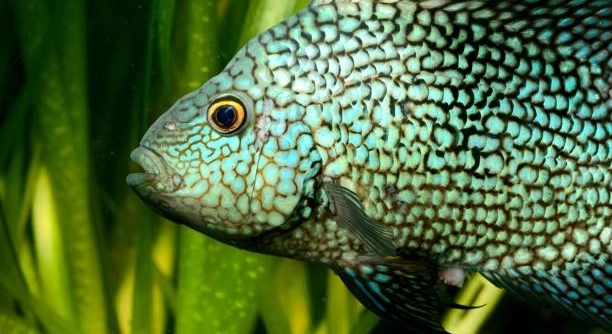
Have you ever wondered how your Jack Dempsey fish reacts to different sounds in the tank? Many fish owners enjoy experimenting with music to see if it changes their fish’s behavior or mood.
Current research shows that Jack Dempsey fish do not respond directly to music. They may react to vibrations or sudden environmental sounds, but there is no evidence they can perceive melodies or rhythms in a way that influences behavior.
Observing how your fish reacts to changes can help you create a healthier and calmer environment for them in your aquarium.
How Jack Dempsey Fish Sense Their Environment
Jack Dempsey fish rely heavily on their senses to navigate their tanks. Their lateral line system detects vibrations and movements in the water, helping them respond to potential threats or changes. Visual cues are also important; they notice sudden movements, changes in light, or objects introduced into their environment. While music produces sound waves, fish do not hear melodies like humans. Instead, they sense vibrations through water, which can trigger curiosity, caution, or stress. Many aquarists notice that Jack Dempseys may swim differently when speakers or other devices are near the tank, but these responses are linked to vibration rather than the musical tone itself. Temperature, water quality, and tank setup play a larger role in behavior than auditory stimuli. Observing these fish over time reveals that their reactions are mostly instinctive and environmental, not emotional or aesthetic.
Reactions to vibrations are subtle and inconsistent, often depending on each fish’s personality. Some may hide while others ignore the stimulus entirely.
Understanding these responses allows tank owners to create stable conditions. Adjusting water flow, adding hiding spots, and keeping equipment vibrations minimal ensures Jack Dempseys remain comfortable, reducing stress-related behavior. By focusing on their natural responses rather than assuming they enjoy music, owners can better meet their fish’s needs and maintain a healthier aquarium. Consistent observation and adjustments help maintain balance and harmony in the tank.
Creating a Calm Aquarium for Jack Dempseys
Reducing sudden noises can prevent stress for these fish. Gentle background vibrations are less likely to startle them.
A stable environment is crucial for Jack Dempsey fish. Sudden changes in light, water quality, or tank layout can cause stress and aggression. They thrive in tanks that mimic their natural habitats, with hiding spots, consistent temperature, and minimal disturbances. While some owners play music, it is not necessary for their well-being. Instead, monitoring water parameters, maintaining clean filters, and providing adequate space ensures healthier, calmer fish. Observation is key; noticing subtle changes in swimming, appetite, or color helps identify stress early. Enriching the tank with plants or rocks allows natural exploration and territorial behavior. These steps create an environment where Jack Dempseys can exhibit normal behavior without unnecessary stimulation. Over time, owners will see more confident and relaxed fish, which contributes to long-term health and a balanced aquarium ecosystem.
Signs of Stress in Jack Dempsey Fish
Stress in Jack Dempsey fish often shows through changes in behavior. They may hide more, swim erratically, or show less interest in food. Physical signs like faded colors or frayed fins can also appear when conditions are not ideal.
Maintaining stable water conditions is essential for reducing stress. Sudden changes in temperature, pH, or hardness can make these fish anxious. Overcrowding or aggressive tank mates also increase tension. Providing hiding spots, gentle filtration, and regular maintenance helps them feel secure. Observing daily behavior allows you to spot stress early and adjust the tank to meet their needs, keeping them healthy.
Behavioral changes can also appear after new additions to the tank. Jack Dempseys may become territorial or defensive when introduced to new fish or objects. Giving them time to acclimate reduces conflict. Consistent feeding schedules and minimal disturbances encourage normal activity. Over time, these practices create a calmer tank environment where Jack Dempseys show their natural colors and confident swimming patterns.
Music Alternatives for Aquarium Enrichment
Jack Dempsey fish respond better to environmental enrichment than to music. Adding plants, rocks, or tunnels provides stimulation without stress.
Environmental enrichment supports both mental and physical health in Jack Dempseys. Rearranging decorations occasionally, adding new hiding spots, or creating gentle water currents encourages exploration and natural behaviors. Feeding routines can also be varied with live or frozen foods to maintain interest. Unlike music, which they cannot truly perceive, these changes engage their instincts and keep them active. Consistent observation ensures enrichment does not become a source of stress, and gradual adjustments help them adapt comfortably to their surroundings.
Tank Setup for Jack Dempsey Fish
A proper tank setup is vital for Jack Dempseys to thrive. They need enough space, hiding spots, and stable water conditions. A tank of at least 55 gallons is recommended to allow swimming and territorial behavior.
Soft substrate and rocks help mimic their natural environment. Live or artificial plants provide shelter and reduce stress. Avoid overcrowding, as Jack Dempseys can be aggressive toward other fish. Regular water testing ensures optimal conditions, preventing sudden changes that may cause stress. Consistent lighting and gentle filtration also contribute to a healthy environment, promoting natural behaviors and well-being.
Observing Fish Behavior
Watching your fish closely reveals subtle changes in mood or health. Swimming patterns, appetite, and coloration indicate overall comfort.
The Impact of Sound and Vibration
Jack Dempsey fish are more sensitive to vibrations than specific sounds. Sudden loud noises can startle them, causing erratic swimming or hiding. Continuous low-level vibrations may be noticed but rarely affect behavior significantly. Tank equipment, water flow, or nearby movement produces more noticeable effects than music itself. Observing how they react to changes in their environment helps identify stress triggers. Adjusting the placement of filters, heaters, or speakers can reduce unnecessary vibrations. Providing a stable, calm environment ensures Jack Dempseys remain confident and active without being disturbed by minor external sounds.
Feeding and Activity Levels
Feeding routines influence both energy and behavior. Consistent schedules and varied diets help maintain activity and reduce stress.
FAQ
Do Jack Dempsey fish respond to music?
Jack Dempsey fish do not respond to music in the way humans do. They cannot perceive melodies or rhythms. However, they are sensitive to vibrations in the water, which music can sometimes create. These vibrations may cause brief curiosity or movement, but they do not indicate enjoyment or recognition of the music. Observed reactions are usually random and vary from fish to fish. Tank equipment or nearby movement often produces stronger effects than music.
Can vibrations from music stress Jack Dempsey fish?
Yes, strong or sudden vibrations can cause stress. Jack Dempseys are territorial and cautious, so unexpected disturbances make them swim erratically, hide, or display aggression. Continuous vibrations from large speakers or high volume music near the tank can disturb their comfort zone. It is better to focus on stable water conditions and environmental enrichment, which are more effective at keeping them calm and healthy.
What is the best way to keep Jack Dempsey fish calm?
Providing a stable environment is key. Maintain proper water parameters, including temperature, pH, and hardness. Add hiding spots with rocks, caves, or plants to allow them to feel secure. Avoid sudden changes in lighting or tank setup, and ensure the tank is spacious enough for swimming and territorial behavior. Gentle filtration and minimal vibrations create a calm atmosphere. Feeding on a consistent schedule also helps reduce stress, as it establishes a predictable routine that Jack Dempseys can rely on.
Do Jack Dempsey fish notice sounds outside the tank?
They may sense sounds as vibrations through water, but they do not interpret them as music or words. External noise can cause temporary reactions, like moving away from the tank walls or hiding. Loud household activity, speakers, or footsteps nearby can be more noticeable than background music. Observing how your fish react allows you to adjust their surroundings and minimize unnecessary stress.
Will Jack Dempseys interact more with owners if music is playing?
No, music does not increase interaction. These fish respond to movement, feeding routines, and tank changes more than sounds. Approaching the tank calmly, feeding consistently, or providing enrichment items encourages engagement. Reactions to music are usually coincidental and not a reliable form of interaction.
How can I safely enrich my Jack Dempsey tank?
Environmental enrichment is better than sound stimulation. Rearrange decorations occasionally, add plants, tunnels, or rocks, and provide live or frozen foods for variety. Gentle water currents encourage exploration. These changes engage their natural behaviors, like swimming, hiding, and hunting instincts, without introducing stress. Gradual adjustments are key so fish can adapt comfortably to new conditions.
Is it safe to play music near the tank occasionally?
Yes, occasional music at low volume or soft vibrations is generally harmless. Most fish ignore it, but avoid placing speakers directly on the tank glass or producing strong vibrations, which may startle them. Focus on maintaining a calm and stable environment rather than relying on music for enrichment.
Can Jack Dempseys recognize different types of sounds?
They do not distinguish between types of music or noise in the way humans do. They can detect vibrations, but all are interpreted as general environmental changes. Reacting to certain stimuli is instinctive, like fleeing sudden movement or hiding from strong vibrations, rather than recognition of tone or rhythm.
Why do some owners claim their fish react to music?
Observed reactions are usually due to vibrations, tank equipment, or coincidence. A fish may swim quickly, explore, or hide when music plays, but this is linked to movement or water disturbances rather than musical enjoyment. Every Jack Dempsey has a different temperament, so reactions can vary.
How can I tell if my fish is stressed by sound?
Signs include hiding, erratic swimming, loss of appetite, faded color, or fin damage. Track behavior over time, especially when the environment changes. Reducing sudden noises, minimizing vibrations, and maintaining proper water conditions helps prevent stress. Consistent observation is essential to keep Jack Dempseys healthy and calm.
Are there better ways to entertain Jack Dempseys than music?
Yes, tank enrichment, proper space, and feeding variety are far more effective. Providing plants, tunnels, and decorations encourages natural behaviors. Occasional rearrangements keep them stimulated while maintaining a safe, low-stress environment. These methods improve overall health and well-being, unlike music, which they cannot perceive.
Can Jack Dempseys adapt to noisy environments?
They may tolerate background vibrations if consistent, but sudden loud disturbances remain stressful. Gradual introduction of mild environmental changes allows them to adapt more easily. Consistency in water conditions, feeding, and tank layout remains the most important factor for long-term comfort and behavior stability.
Does tank size affect reactions to sound?
Yes, larger tanks reduce the impact of vibrations, as energy from outside sources dissipates more easily. Smaller tanks transmit vibrations more directly, making Jack Dempseys more sensitive to disturbances. Proper tank size ensures natural swimming and territorial behavior, lowering stress levels and improving overall well-being.
What role does observation play in understanding Jack Dempseys?
Regularly watching behavior provides insight into health and comfort. Subtle changes in swimming, color, or hiding patterns reveal stress or environmental issues. Adjusting care based on observation ensures a healthier, calmer tank. Music or sound is rarely a factor in their well-being compared to proper tank management, enrichment, and routine care.
How do vibrations from filters or heaters compare to music?
Tank equipment vibrations are often more noticeable and consistent than music. Fish adapt to these over time, as they are stable sources of stimuli. Sudden changes or new equipment may startle them, so placement and gentle operation are important. Music produces irregular vibrations and rarely impacts behavior significantly.
Are Jack Dempseys more sensitive to certain frequencies?
They respond to low-frequency vibrations rather than musical tones. Sudden or strong vibrations may trigger hiding or erratic swimming. High-frequency sounds are less noticeable in water. Ensuring tank stability and avoiding direct contact with vibrating equipment minimizes unnecessary stress.
Can Jack Dempseys be trained with sound cues?
No, they cannot be trained with music or tones. Positive reinforcement, such as feeding after certain actions, works better than sound cues. Their behavior is influenced more by environmental conditions, routine, and natural instincts than auditory signals.
Does repeated exposure to music make a difference?
No, repeated exposure does not create recognition or enjoyment. Fish may temporarily react to vibrations, but long-term effects are minimal. Consistency in water quality, space, and enrichment activities has a much larger impact on their comfort and health.
Are there alternative methods to monitor stress in Jack Dempseys?
Yes, monitoring swimming patterns, feeding behavior, color, and fin condition is reliable. Stress shows in subtle behavioral and physical changes. Adjusting tank conditions, enrichment, and avoiding sudden disturbances ensures Jack Dempseys remain active, healthy, and confident in their environment.
Do music vibrations ever benefit Jack Dempseys?
Direct benefits from music are unlikely. Any observed reactions are coincidental and related to water vibrations. Safe enrichment through tank design, feeding routines, and natural stimulation provides meaningful benefits, promoting active, confident, and healthy behavior more effectively than auditory stimulation.
How important is consistency in their environment?
Consistency is crucial. Stable water parameters, regular feeding, and minimal disturbances reduce stress and encourage normal behavior. Jack Dempseys thrive in predictable conditions, and maintaining these routines ensures a healthier, more relaxed tank environment, far outweighing any effect music might have.
What should owners focus on instead of music?
Focus on tank stability, enrichment, diet variety, and observation. These factors directly influence health, behavior, and stress levels. Gentle water currents, hiding spaces, and regular maintenance create a comfortable environment. Music does not replace these essential aspects of care. Consistent attention ensures long-term well-being for Jack Dempseys.
Can Jack Dempseys cohabit with other fish safely?
Yes, if the tank is large and includes hiding spots. Territorial disputes are minimized with careful selection of compatible species. Stress from cohabitation is more significant than music, so tank design and monitoring are essential to maintaining harmony.
Are there differences between individual Jack Dempseys in response to sound?
Yes, each fish has a unique temperament. Some may briefly react to vibrations, while others remain indifferent. Reactions are random and should not be interpreted as recognition or enjoyment of music. Environmental conditions are the primary influence on behavior.
How do I ensure a peaceful environment for Jack Dempseys?
Maintain proper water conditions, provide hiding spots, and reduce sudden disturbances. Avoid high-volume music or direct vibrations. Consistent feeding and gentle water flow encourage natural behavior. Observation and gradual adjustments help create a safe, comfortable habitat.
Is it ever recommended to play music for Jack Dempseys?
Playing music is optional and generally unnecessary. Occasional soft sounds may be harmless but do not benefit the fish. Focus on enrichment, stability, and proper care to improve well-being, which has a far greater impact than music exposure.
Can environmental changes replace music for stimulation?
Yes, rearranging decorations, adding new hiding spots, or varying feeding routines provides meaningful engagement. These activities stimulate natural behaviors, reduce boredom, and improve overall health, offering benefits music cannot provide.
How can I tell if enrichment is effective?
Effective enrichment encourages exploration, natural swimming patterns, and confident behavior. Fish show curiosity and activity without signs of stress. Observing daily behavior ensures adjustments meet their needs and maintain a calm, healthy environment.
Do Jack Dempseys prefer silence in their tanks?
They do not require silence, but calm conditions with minimal sudden vibrations are ideal. Background household noise or gentle filtration is generally tolerated. Stability and predictability in the environment are more important than complete quiet.
What long-term effects does sound have on Jack Dempseys?
Long-term effects from typical household sound or music are minimal. Stress usually comes from unstable water, overcrowding, or aggressive tank mates. Maintaining a stable, enriched environment is the key to long-term health and natural behavior.
Are there signs that music is affecting my fish?
Signs would be hiding, erratic swimming, or color fading, but these are usually due to vibrations or other environmental stressors. Music itself does not produce observable benefits or reliable responses. Focus on water quality, enrichment, and tank stability for real impact.
Can Jack Dempseys distinguish between different types of environmental changes?
Yes, they respond to changes in water flow, lighting, and tank layout. They cannot distinguish musical tones, but they notice sudden movement, vibrations, or new objects. Adjustments in these areas affect behavior more than sound.
How does tank placement influence reactions to vibrations?
Tanks on sturdy surfaces with minimal contact to external vibrations reduce stress. Direct placement near speakers or high-traffic areas increases sensitivity to movement and noise. Proper placement supports calmer, more confident behavior.
Are young Jack Dempseys more sensitive to sound?
Younger fish may show stronger reactions to vibrations because they are smaller and more cautious. They adapt as they grow, but stability, enrichment, and gentle handling remain important at all ages.
What is the best overall approach to caring for Jack Dempseys?
Focus on tank stability, environmental enrichment, proper diet, observation, and minimizing sudden disturbances. Music is unnecessary. Meeting their physical and mental needs ensures health, comfort, and natural behavior, which is far more effective than attempting auditory stimulation.
Do Jack Dempseys benefit from owner interaction?
Yes, gentle observation, feeding, and environmental adjustments encourage engagement. Music does not enhance interaction. Consistent routines and safe, enriched conditions are the most meaningful ways to interact and maintain well-being.
How important is monitoring water parameters for behavior?
Monitoring temperature, pH, and hardness is crucial. Changes in water quality can cause stress or aggression. Stable conditions create predictable behavior patterns, far outweighing any influence of music or sound in the tank.
Do Jack Dempseys ever react to background household noise?
Yes, sudden or strong vibrations may cause hiding or quick swimming. Continuous low-level household noise is usually ignored. Minimizing sudden disturbances ensures comfort, allowing them to focus on natural behaviors rather than reacting to vibrations.
Can Jack Dempseys recognize their owner?
They respond to movement near the tank and feeding routines. Music does not influence recognition. Predictable interactions like hand feeding or gentle presence promote familiarity and confidence.
Are there times when music might inadvertently stress fish?
Yes, strong vibrations from speakers or sudden volume changes may startle them. Avoid placing equipment directly on the tank and keep volume low if music is playing. Gradual adjustments reduce accidental stress.
How can I balance enrichment and calm in a Jack Dempsey tank?
Provide hiding spots, varied decorations, gentle water flow, and consistent feeding. Introduce changes gradually. Avoid sudden noises or vibrations. This balance stimulates natural behavior while maintaining a low-stress environment. Music is unnecessary for enrichment.
Does the tank size influence enrichment effectiveness?
Yes, larger tanks allow more space for exploration and hiding. Overcrowded tanks reduce the benefits of enrichment and increase stress, while appropriately sized tanks promote activity, natural behavior, and comfort.
What should I prioritize for long-term health?
Focus on water quality, tank stability, enrichment, feeding routines, and observation. Music offers no measurable benefits. Meeting basic physical and environmental needs ensures Jack Dempseys remain healthy, active, and comfortable.
Can Jack Dempseys coexist with other species in enriched environments?
Yes, if compatible species are selected and the tank is spacious. Enrichment helps reduce stress and territorial disputes. Aggressive interactions are minimized with careful planning and observation. Music does not influence social behavior.
Are reactions to music ever consistent across Jack Dempseys?
No, reactions are random and individual. Some may briefly react to vibrations, others ignore them entirely. Consistency in behavior comes from environmental stability, not sound exposure.
How often should tank enrichment be updated?
Changes should be gradual and occasional. Too frequent rearrangements can cause stress, while periodic adjustments encourage exploration and activity. Music is unnecessary; environmental changes provide meaningful stimulation.
Can Jack Dempseys show long-term behavior changes from sound exposure?
No, long-term behavioral changes are influenced by tank conditions, diet, enrichment, and stress levels. Music has no measurable effect on health or activity over time.
How can I test if my fish are stressed?
Observe hiding, color changes, fin condition, swimming patterns, and appetite. Stress is more often linked to water quality, overcrowding, or aggressive tank mates than music or sound.
Do Jack Dempseys enjoy interaction during feeding?
Yes, consistent feeding routines encourage natural behavior and confidence. Music does not enhance interaction. Predictable schedules and environmental enrichment are more meaningful.
Is there any benefit to using music for Jack Dempseys?
No proven benefit exists. Reactions are limited to vibrations, which are incidental. Enrichment, stable water conditions, and proper care have tangible effects on health and behavior.
How can I ensure my Jack Dempseys remain healthy long-term?
Maintain water quality, stable environment, proper diet, enrichment, and observation. Avoid placing too much focus on music or sound. Prioritizing predictable, safe conditions ensures natural behavior and long-term health.
Can Jack Dempseys adapt to noisy household environments?
They may tolerate low-level background noise but are sensitive to sudden vibrations. Consistent tank stability and proper enrichment remain more important than ambient sounds.
Do individual temperaments affect reactions to sound?
Yes, each fish reacts differently. Some are more cautious or territorial, showing stronger responses to vibrations. Observing individual behavior helps tailor care and tank adjustments effectively.
How do I create a low-stress environment?
Stable water, hiding spots, gentle filtration, consistent feeding, and minimal sudden disturbances create a calm tank. Music is unnecessary for reducing stress or enhancing well-being.
Can sound ever be used for training?
No, Jack Dempseys cannot be trained using music or tones. Positive reinforcement through feeding and environmental cues is far more effective than auditory stimuli.
What is the most reliable way to keep Jack Dempseys comfortable?
Stable water, proper tank size, environmental enrichment, predictable feeding, and careful observation. Music has no measurable effect. Meeting these needs ensures confidence, natural behavior, and long-term health.
Are there signs that enrichment is failing?
Fish may hide excessively, swim erratically, show reduced appetite, or display color changes. Adjustments in tank layout or feeding routines help maintain effective enrichment without stress.
Do Jack Dempseys respond differently to live food than frozen?
Yes, live food encourages natural hunting behavior and activity. Frozen or prepared diets are convenient but may not stimulate the same level of engagement. Music does not affect feeding behavior.
How do I monitor long-term well-being?
Track swimming patterns, appetite, coloration, fin condition, and interactions. Consistent observation helps detect stress or health issues early, ensuring a healthy environment without relying on music.
Can enrichment reduce aggression in Jack Dempseys?
Yes, providing hiding spots, adequate space, and environmental complexity lowers territorial disputes. Music does not influence aggression. Proper tank design is key to peaceful coexistence.
Is it ever necessary to use music in a tank?
No, it is optional and provides no real benefit. Focus on tank stability, enrichment, feeding, and observation for meaningful impact on well-being and behavior.
Do Jack Dempseys show signs of boredom?
Yes, lack of hiding spots, stimulation, or space may reduce activity and interest in their environment. Environmental enrichment addresses this far better than music.
How important is observation for daily care?
Daily observation is essential to track behavior, stress, and health. Adjusting care based on these observations ensures a safe, comfortable environment. Music does not substitute for proper attention.
Can environmental changes replace music for engagement?
Yes, adjusting tank layout, adding new hiding spots, and varying feeding routines provides meaningful stimulation. Music is unnecessary for engagement or well-being.
Do Jack Dempseys ever benefit from vibration exposure?
Occasional mild vibrations are tolerated but do not provide measurable benefits. Environmental enrichment, stable water conditions, and proper care are far more effective for their comfort and health.
How can I maintain a healthy, low-stress tank long-term?
Focus on water quality, tank stability, environmental enrichment, feeding routines, and observation. Avoid strong vibrations or sudden disturbances. Music is not required for long-term health or natural behavior.
Are Jack Dempseys sensitive to changes in lighting?
Yes, sudden lighting changes can startle them. Gradual adjustments and consistent light cycles promote comfort and normal activity patterns. This is far more important than music exposure.
What is the best method to encourage natural behavior?
Provide hiding spots, enrichment items, adequate space, and varied feeding. Observe responses and adjust gradually. Music does not enhance natural behaviors or well-being.
Jack Dempsey fish are fascinating creatures with unique personalities and behaviors. They rely heavily on their environment to feel comfortable, and their reactions are mostly influenced by water conditions, tank setup, and interactions within the tank. While many people may wonder if music can affect them, research and observation show that Jack Dempseys do not perceive melodies or rhythms in the way humans do. What they do respond to are vibrations in the water, sudden movements, and changes in lighting or decorations. These responses are instinctive rather than emotional, meaning they are not enjoying the music but are reacting to the physical impact it creates in the tank. Paying attention to these natural cues is far more useful for ensuring their well-being than trying to introduce external stimuli like music.
Maintaining a stable and properly set up aquarium is the most effective way to support the health and behavior of Jack Dempseys. This includes regular monitoring of water temperature, pH, and hardness, along with consistent cleaning and filtration. Providing adequate space is also important, as these fish are territorial and need room to swim and establish their own areas. Adding decorations, rocks, or plants creates hiding spots that reduce stress and encourage natural behaviors. Enrichment can be provided by occasionally rearranging the tank or introducing new items, which promotes exploration and keeps the fish active. Feeding routines also play a role in overall behavior, as consistent schedules help them feel secure and reduce unnecessary aggression. These factors combined create an environment that meets both their physical and mental needs, supporting healthier and more confident fish over time.
While music may seem like an interesting way to engage with your fish, it is not necessary or particularly beneficial. Occasional exposure to low-level vibrations is unlikely to cause harm, but it also does not provide meaningful stimulation. Instead, focusing on the tank environment, enrichment, and consistent care will have a more noticeable effect on your Jack Dempsey’s behavior and health. Observation remains key; paying attention to swimming patterns, coloration, feeding, and social interactions provides insight into their comfort and stress levels. By prioritizing stable conditions, proper enrichment, and attentive care, owners can create a tank where Jack Dempseys thrive naturally. Understanding their needs and responding to them thoughtfully ensures long-term health and a more enjoyable experience for both the fish and the owner.

Hello,
If you enjoy the content that we create, please consider saying a "Thank You!" by leaving a tip.
Every little bit helps us continue crafting quality advice that supports the health, happiness, and well-being of pets around the world, for pets of all shapes, sizes, and species.
We really appreciate the kindness and support that you show us!