
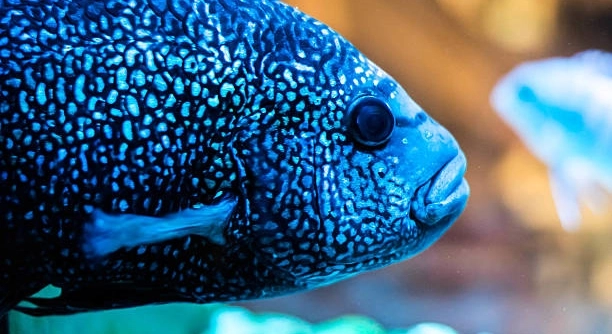
Jack Dempsey fish are known for their striking colors and lively personalities. Many aquarists enjoy keeping them for their beauty and energy. Sometimes, these fish may begin swimming erratically, catching owners’ attention and prompting concern for their well-being.
Erratic swimming in Jack Dempsey fish is often caused by environmental stressors such as poor water quality, sudden temperature fluctuations, overcrowding, or disease. These factors disrupt their natural behavior, leading to irregular movements and visible signs of discomfort.
Recognizing these behaviors early helps maintain a healthy aquarium and ensures your fish remain active and vibrant over time.
Understanding Environmental Stressors
Jack Dempsey fish are sensitive to changes in their environment. Poor water quality is one of the most common reasons for erratic swimming. High ammonia, nitrite, or nitrate levels can irritate their gills and affect movement. Sudden temperature changes also cause stress, making fish swim unpredictably or hide more often. Overcrowding in the tank limits their space to swim naturally, leading to frustration and abnormal behavior. Even small changes, like moving decorations or introducing new fish, can disturb their routine. Consistent monitoring of water parameters and maintaining a stable temperature can prevent most stress-related swimming issues. It is important to clean the tank regularly and test water frequently to ensure optimal conditions. Observing your fish daily helps catch problems early. Recognizing the signs of stress allows timely adjustments, ensuring Jack Dempsey fish remain active and comfortable in their habitat, which supports their long-term health.
Maintaining stable water conditions prevents erratic swimming and supports overall health. Regular checks help spot issues before they escalate.
Keeping Jack Dempsey fish calm also involves providing hiding spots and proper tank layout. Rocks, caves, and plants reduce stress and create natural boundaries. They feel secure when they can retreat from open water. Lighting should be consistent, avoiding sudden bright flashes. Feeding on a schedule with balanced food ensures energy and reduces stress behaviors. Observing how they interact with tank mates helps identify potential aggression or discomfort. If a fish swims erratically after changes, adjusting the environment usually resolves the behavior.
Disease and Parasites
Illness can make Jack Dempsey fish swim abnormally. Small infections or parasites disrupt their nervous system and balance, affecting movement.
Diseases like ich or bacterial infections often cause sudden, erratic swimming. Parasites can irritate the skin and gills, leading fish to dart or twist in water. Treating waterborne diseases quickly is crucial to prevent spread. Observing appetite, coloration, and physical signs helps identify illness early. Medications may be required, but maintaining clean water and stable temperatures supports recovery. Tank mates should be monitored, as infections can affect multiple fish. Preventing disease starts with quarantine for new fish and proper hygiene during maintenance. Consistent care, monitoring, and prompt action when symptoms appear ensure Jack Dempsey fish stay healthy. Detecting changes in behavior early can prevent long-term damage and keep swimming patterns normal. Proper feeding, hiding spaces, and careful handling reduce stress that might trigger illness, ensuring a safe and comfortable tank environment for all fish.
Water Quality Management
Regular testing of water is essential for Jack Dempsey fish. Monitoring pH, ammonia, nitrite, and nitrate levels ensures the tank environment remains stable and healthy. Poor water conditions often cause stress and erratic swimming.
Maintaining clean water involves partial water changes at least once a week. Removing debris, uneaten food, and waste helps prevent harmful chemical buildup. Using a reliable filter and ensuring proper water circulation supports oxygenation. Avoid sudden chemical changes, such as using untreated tap water, which can shock the fish. Consistency in water temperature, ideally between 74–81°F, prevents stress-induced swimming issues. Observing fish behavior daily can highlight minor changes before they become serious problems, allowing timely intervention. Proper water quality management ensures fish remain active, healthy, and visually vibrant in the tank.
Water treatments can also help stabilize conditions. Adding dechlorinators or beneficial bacteria supports a safe, balanced environment for fish.
Even with stable water, tank layout impacts behavior. Hiding spots, plants, and open swimming areas reduce stress. Fish explore freely but have retreats when startled. Keeping a balanced environment prevents frustration and abnormal swimming, creating a calm and thriving aquarium.
Feeding and Nutrition
Proper feeding supports consistent behavior and overall health. Overfeeding or poor-quality food can cause digestive problems that affect swimming patterns.
Jack Dempsey fish require a varied diet, including pellets, frozen, and live foods. Overfeeding leads to water pollution and health issues, while underfeeding causes lethargy and erratic movements. Providing meals two to three times daily in controlled portions maintains digestion and energy levels. Observing their appetite helps gauge health and detect early signs of stress or illness. Nutrient-rich food strengthens the immune system, reducing susceptibility to disease. Supplementing with occasional treats like brine shrimp or bloodworms provides enrichment. Feeding at consistent times creates a routine, minimizing anxiety and unpredictable behavior.
Balanced nutrition also supports color and growth. Healthy fish are less likely to swim erratically, and proper diet prevents nutrient deficiencies that cause stress. Careful portion control and quality food improve both physical and behavioral health, ensuring Jack Dempsey fish remain active, confident, and visually vibrant in their habitat. Regularly adjusting diet to match fish size and age enhances long-term well-being.
Tank Size and Space
Jack Dempsey fish need ample space to swim freely. Small tanks can lead to stress, aggression, and erratic movements.
Providing at least a 55-gallon tank for a single adult fish allows proper swimming and territory. Overcrowding increases tension and disrupts natural behavior.
Compatible Tank Mates
Choosing compatible tank mates prevents stress and erratic swimming. Aggressive or overly active fish can provoke anxiety. Keeping fish with similar temperaments and size reduces conflict. Observing interactions helps identify any tension early. Peaceful cohabitants create a calm environment, allowing Jack Dempsey fish to swim naturally.
Lighting and Day-Night Cycle
Consistent lighting helps regulate fish behavior. Sudden changes or prolonged darkness can stress Jack Dempsey fish, causing irregular swimming patterns.
Observation and Monitoring
Regular observation of swimming patterns, appetite, and interactions is crucial. Detecting changes early allows for timely adjustments, maintaining a healthy and stable environment for Jack Dempsey fish.
FAQ
Why is my Jack Dempsey fish swimming in circles?
Swimming in circles is often a sign of stress or irritation. Common causes include poor water quality, temperature fluctuations, or parasites. Observing the tank environment and performing water tests can reveal underlying issues. Adjusting temperature gradually and maintaining clean water usually helps resolve this behavior.
Can overcrowding cause erratic swimming?
Yes, overcrowding increases stress and triggers aggressive or unpredictable movements. Jack Dempsey fish need space to establish territory. Providing a sufficiently large tank and limiting the number of tank mates reduces tension and promotes natural swimming patterns.
Could sudden changes in tank decor affect my fish?
Yes, rearranging decorations or adding new objects can stress Jack Dempsey fish. They rely on familiar surroundings to feel secure. Introducing new elements slowly and keeping hiding spots consistent helps maintain calm behavior.
What role does diet play in swimming behavior?
A poor diet or overfeeding can lead to digestive problems that affect movement. Balanced, nutrient-rich food supports health, energy, and natural behavior. Controlled feeding schedules prevent water pollution and reduce erratic swimming caused by discomfort.
How do water parameters influence activity?
Water quality directly impacts Jack Dempsey fish behavior. High ammonia, nitrite, or nitrate levels, improper pH, and sudden temperature changes cause stress, leading to erratic swimming. Regular testing and maintenance are essential for a stable environment.
Can disease cause sudden swimming changes?
Yes, illnesses like ich, bacterial infections, or parasites disrupt the nervous system and gills, causing unusual swimming patterns. Early detection, quarantine, and proper treatment are critical to restoring normal behavior and preventing spread.
Does tank size matter for behavior?
Smaller tanks restrict swimming and increase stress, resulting in abnormal movements. A minimum of 55 gallons per adult is recommended. Providing open swimming space along with hiding areas supports natural behavior and reduces tension.
Do lighting and day-night cycles affect swimming?
Inconsistent lighting or abrupt changes can disorient fish and trigger stress. Maintaining a stable day-night cycle helps regulate activity and ensures normal swimming patterns. Gradual adjustments in lighting prevent sudden behavioral changes.
How can I identify stress versus illness?
Stress often comes with erratic swimming, hiding, or color changes, while illness may include appetite loss, lesions, or clamped fins. Monitoring water, diet, and tank mates helps differentiate between temporary stress and health issues requiring treatment.
Are tank mates a factor in swimming behavior?
Aggressive or incompatible fish can provoke fear and erratic swimming. Selecting peaceful, similar-sized species and observing interactions reduces tension. Proper spacing and hiding spots further support calm coexistence.
What immediate actions should I take if my fish swims erratically?
Check water parameters, inspect for signs of disease, and assess tank layout. Correct temperature, maintain clean water, and observe behavior. Adjustments in diet, lighting, and tank mates can restore natural swimming patterns effectively.
Can stress have long-term effects?
Chronic stress weakens the immune system, affects growth, and can lead to disease. Consistent care, stable conditions, and attention to diet and environment prevent long-term behavioral and health issues.
How often should I monitor my Jack Dempsey fish?
Daily observation of swimming patterns, appetite, and interactions is ideal. Regular monitoring allows early detection of problems, ensuring quick action and a healthy, stable environment.
What preventive measures reduce erratic swimming?
Maintaining clean water, stable temperature, proper tank size, suitable tank mates, balanced diet, and consistent lighting prevents stress and health issues. Regular observation and timely adjustments keep Jack Dempsey fish calm, active, and healthy in the aquarium.
Can hiding spots reduce stress-induced swimming?
Yes, caves, plants, and rocks create secure areas where fish can retreat. Providing hiding spots reduces anxiety, encourages natural exploration, and prevents erratic swimming caused by feeling exposed or threatened.
Is quarantine necessary for new fish?
Quarantining new fish prevents disease introduction and stress in existing tank members. Observing new arrivals for a few weeks ensures they are healthy before adding them to the main tank.
How important is water temperature consistency?
Jack Dempsey fish are sensitive to temperature swings. Sudden drops or increases stress them, causing erratic swimming. Using a reliable heater and thermometer keeps the environment stable and supports regular activity patterns.
Can overfeeding alone cause erratic behavior?
Yes, excessive feeding can lead to bloating, constipation, and water pollution, which stress the fish. Controlled portions and a balanced diet help maintain health and natural swimming behavior.
What signs indicate recovery after environmental adjustments?
Calmer swimming, consistent appetite, normal coloration, and social interaction with tank mates signal recovery. Observing these changes confirms that water, diet, and tank conditions are suitable for the fish.
How long does it take for behavior to normalize?
Recovery depends on the severity of the stressor or illness. Minor adjustments can show improvement in days, while disease treatment or environmental corrections may take several weeks for swimming patterns to stabilize fully.
Are there permanent effects from prolonged erratic swimming?
If caused by untreated stress or illness, prolonged erratic behavior can lead to long-term health issues, weaker immunity, and stunted growth. Timely intervention prevents lasting damage and restores natural activity.
Can water filtration type affect swimming?
Yes, strong currents or improper filtration may overwhelm Jack Dempsey fish, causing erratic swimming. Choosing moderate flow and efficient filtration maintains clean water without stressing the fish.
Should I adjust feeding during water treatment?
Yes, during medication or water treatment, reduce feeding slightly to prevent water contamination. Observing appetite and ensuring balanced nutrition helps support recovery without additional stress.
Do young Jack Dempsey fish swim differently than adults?
Juveniles are more active and may dart frequently, but sudden, uncontrolled swimming signals stress or environmental problems. Adult fish also respond to poor conditions with abnormal behavior, though less energetically.
How can I prevent future episodes of erratic swimming?
Consistent water maintenance, proper tank size, compatible tank mates, stable temperature, balanced diet, and gradual environmental changes create a stress-free habitat. Regular observation ensures early detection of potential problems, keeping Jack Dempsey fish healthy and naturally active.
Final Thoughts
Jack Dempsey fish are lively, colorful, and fascinating pets, but their behavior can change quickly if their environment is not properly managed. Erratic swimming is often one of the first signs that something in their habitat is off. Many factors contribute to this behavior, including water quality, temperature fluctuations, diet, tank size, and social interactions with other fish. Maintaining a clean and stable tank is crucial, as even minor changes in water parameters can stress these fish. Regular water testing, consistent temperature control, and proper filtration are essential to keep them healthy. Observing their behavior daily helps identify issues early, allowing adjustments before the fish experience prolonged stress. When you notice abnormal swimming, taking immediate steps can prevent long-term health problems and ensure your fish remain active and vibrant.
Diet and nutrition also play a significant role in maintaining natural swimming patterns. Jack Dempsey fish require a balanced diet that includes high-quality pellets, frozen foods, and occasional live foods to provide essential nutrients. Overfeeding or underfeeding can disrupt their digestive system, causing discomfort and irregular movements. Feeding on a consistent schedule helps the fish develop a routine and reduces anxiety that may lead to erratic swimming. Additionally, providing a variety of foods supports overall health, strengthens the immune system, and improves coloration. Paying attention to appetite and digestion can also help identify early signs of illness or stress. Balanced nutrition, along with proper tank conditions and a secure environment, creates the foundation for healthy, predictable behavior.
Tank setup, including space, hiding spots, and compatible tank mates, greatly influences Jack Dempsey fish behavior. These fish need ample room to swim freely and establish territory. A small or overcrowded tank increases tension and can trigger unpredictable movements. Providing rocks, plants, or caves allows them to retreat when stressed, while consistent lighting and a stable day-night cycle help regulate their activity. Choosing peaceful, similarly sized tank mates reduces conflict and further encourages calm behavior. Observing interactions between fish is important to prevent aggression and maintain harmony. Combining proper diet, clean water, stable conditions, and a thoughtfully arranged tank ensures that Jack Dempsey fish swim naturally, remain healthy, and display their full, vibrant colors. Paying close attention to these factors over time builds a safe, balanced environment where these fish can thrive, minimizing stress and irregular swimming patterns.

Hello,
If you enjoy the content that we create, please consider saying a "Thank You!" by leaving a tip.
Every little bit helps us continue crafting quality advice that supports the health, happiness, and well-being of pets around the world, for pets of all shapes, sizes, and species.
We really appreciate the kindness and support that you show us!