
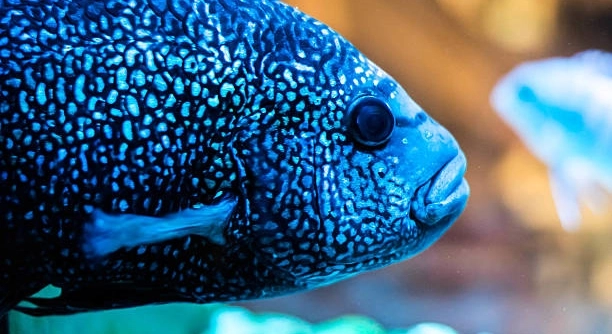
Do your Jack Dempsey fish seem less active than usual, or have you noticed unusual spots on their scales recently? Keeping an eye on small changes can help prevent serious health issues in your aquarium pets.
Early warnings of Jack Dempsey fish disease include changes in appetite, erratic swimming, discoloration of scales, clamped fins, lethargy, unusual growths, and rapid gill movement. Prompt recognition of these signs is crucial for effective treatment and fish survival.
Monitoring your fish regularly and understanding these warning signs will help you maintain a healthy tank and prevent minor issues from escalating.
Recognizing Appetite Changes
When a Jack Dempsey fish begins to eat less or shows no interest in food, it is often one of the first signs of illness. This change can indicate stress, internal parasites, or bacterial infection. Noticing these subtle differences early allows for quicker intervention. Feeding routines that were once consistent may suddenly seem ineffective, and even favorite foods might be ignored. Observing your fish during feeding times and keeping a record of consumption patterns can help identify problems before they worsen. Reduced appetite can also be a response to water quality issues, including high ammonia or nitrate levels. Ensuring that the tank is clean, properly filtered, and stable in temperature can improve their willingness to eat. While skipping a meal occasionally is not alarming, persistent disinterest is a clear warning that something is affecting your fish’s health. Immediate observation and action can prevent serious disease development.
Tracking feeding behavior consistently helps detect early warning signs and respond before more severe problems arise.
Paying attention to appetite changes can save your Jack Dempsey from more serious complications. Proper diet, water quality, and observation are essential for maintaining health and vitality. Consistently monitoring their eating habits ensures early detection of illness and allows you to act promptly to support recovery, preventing minor issues from becoming life-threatening problems. Understanding what is normal for each fish helps you notice even slight deviations, ensuring a safer and healthier environment for your aquatic pets.
Spotting Discoloration and Scale Changes
Discoloration or unusual marks on a Jack Dempsey’s scales can signal illness or stress.
Changes in scale color, fading, or the appearance of white or red spots are often early signs of bacterial or fungal infections. Scale damage can also result from poor water quality, aggressive tank mates, or physical injury. Regular observation under proper lighting helps identify subtle changes before they become severe. Discoloration may appear slowly, so keeping a visual record with photos or notes can be useful. It is important to check water parameters frequently, as unstable conditions contribute to stress and make fish more susceptible to disease. Additionally, a change in color could reflect internal issues such as organ stress or nutrient deficiencies. Prompt identification and appropriate treatment, such as improving water conditions or applying targeted medications, can restore your fish’s health and prevent the spread of disease within the tank. Maintaining a consistent environment and monitoring for visual changes supports overall wellbeing.
Lethargy and Reduced Activity
Lethargy is a common warning sign in Jack Dempsey fish. If your fish spends more time at the bottom of the tank or moves very little, it may be struggling with illness or stress.
Persistent lethargy can indicate internal infections, poor water quality, or inadequate nutrition. Fish that were previously active may stop exploring or reacting to their environment. Observing changes in swimming patterns alongside other symptoms, like clamped fins or loss of appetite, helps pinpoint the underlying problem. Addressing tank conditions, including temperature, pH, and cleanliness, can improve energy levels. Providing proper nutrition and monitoring for additional signs of disease ensures your fish receives the care needed before issues escalate. Consistency in observation is key to maintaining their overall health.
Stressful conditions, such as overcrowding or sudden changes in water, can also contribute to reduced activity. Ensuring a stable and comfortable environment encourages normal behavior and supports recovery.
Erratic Swimming Behavior
Erratic swimming, such as darting, spinning, or bumping into tank walls, often signals distress or illness in Jack Dempsey fish.
Uncoordinated or unusual movements can result from parasites, bacterial infections, or neurological issues. Observing these behaviors in conjunction with other symptoms like discoloration or clamped fins provides a clearer picture of the fish’s health. Poor water quality, including high ammonia or nitrite levels, can provoke stress responses leading to erratic swimming. Adjusting environmental conditions and treating potential infections are essential steps to prevent further complications. Close monitoring and immediate action help reduce the risk of injury and improve overall tank safety.
Erratic swimming is not always linked to disease but should never be ignored. Continuous observation allows you to detect subtle changes early, ensuring timely intervention. Treating water imbalances, removing aggressive tank mates, and maintaining proper diet contribute to restoring stability. Understanding the normal swimming patterns of your Jack Dempsey will help you recognize deviations, giving your fish a better chance to recover quickly and maintain healthy behavior.
Clamped Fins
Clamped fins, where the fish holds its fins close to its body, often indicate stress or illness. This behavior can signal infections, poor water quality, or irritation from tank conditions. Observing fin posture regularly helps detect problems early.
Prolonged clamping may reduce swimming efficiency and increase vulnerability to other health issues. Adjusting water parameters and monitoring for additional symptoms can improve fin health and overall wellbeing.
Rapid Gill Movement
Rapid gill movement is a clear sign that your Jack Dempsey may be struggling to breathe properly. It often points to poor water quality, low oxygen levels, or gill infections. Regularly checking oxygenation and water conditions can prevent serious complications.
Unusual Growths
Unusual growths on the body or fins of Jack Dempsey fish often indicate bacterial or fungal infections. These lumps or lesions should be addressed immediately. Treatment may involve water changes, isolation, and medication depending on severity and type of growth.
Staying Alert to Early Warnings
Paying attention to these signs allows timely intervention. Observing behavior, appearance, and breathing helps maintain a healthy tank environment for your fish.
FAQ
What causes Jack Dempsey fish disease?
Jack Dempsey fish can fall ill due to poor water quality, bacterial or fungal infections, parasites, stress, or sudden changes in their environment. Overcrowding and improper diet also increase susceptibility. Regular tank maintenance, stable conditions, and proper nutrition help reduce the risk of disease.
How can I improve water quality for my fish?
Consistent water changes, proper filtration, and monitoring pH, ammonia, nitrite, and nitrate levels are essential. Avoid overfeeding, as leftover food decomposes and affects water chemistry. Using a reliable water testing kit ensures that conditions remain stable and safe for your Jack Dempsey.
What should I do if my fish shows clamped fins?
Clamped fins often indicate stress or illness. Check water parameters, including temperature, pH, and oxygen levels. Reduce stress by removing aggressive tank mates and providing hiding spots. If the behavior continues, observe for other symptoms and consider consulting an aquatic veterinarian for targeted treatment.
Why is my fish not eating?
Loss of appetite can result from stress, poor water conditions, infections, or internal parasites. Observe the fish’s behavior, ensure water parameters are stable, and offer high-quality food. Persistent refusal to eat requires prompt attention, as prolonged fasting can worsen health problems.
What does rapid gill movement indicate?
Rapid gill movement often points to oxygen deficiency, high ammonia, or gill infections. Increasing aeration, performing partial water changes, and checking filtration can alleviate environmental stress. If the problem persists, consider isolating the fish and treating for potential gill diseases.
Are unusual spots or discoloration serious?
Yes, discoloration, white or red spots, or faded scales often signal bacterial, fungal, or parasitic infections. Early detection is important. Maintaining clean water, monitoring for progression, and using appropriate medications can prevent more serious complications.
How can I treat unusual growths on my fish?
Unusual lumps or lesions may indicate bacterial or fungal infections. Depending on severity, treatments include medicated baths, targeted antibiotics, or isolating the fish in a quarantine tank. Keeping water clean and maintaining consistent tank conditions supports recovery and prevents recurrence.
Can stress cause disease in Jack Dempsey fish?
Stress is a major factor in fish health. Overcrowding, sudden water changes, aggressive tank mates, or insufficient hiding places increase stress levels. Stressed fish have weaker immune systems, making them more susceptible to infections and disease. Minimizing stress through stable conditions is key to prevention.
When should I consult a veterinarian?
Consult an aquatic veterinarian if symptoms persist despite correcting water conditions or providing supportive care. Rapid deterioration, severe lesions, or internal infections require professional advice. Early intervention increases the chances of recovery and helps prevent disease from spreading to other tank inhabitants.
How can I prevent future illnesses?
Prevention involves maintaining stable water quality, feeding a balanced diet, avoiding overcrowding, and regularly monitoring fish for early warning signs. Quarantining new fish before introducing them to the main tank reduces the risk of introducing infections. A proactive approach ensures long-term health and vitality.
Is it normal for Jack Dempsey fish to have minor injuries?
Minor injuries can occur from tank decorations or interactions with other fish. Monitor wounds for signs of infection, such as redness, swelling, or white edges. Keeping water clean and providing hiding spaces reduces stress and supports natural healing. Untreated injuries can lead to secondary infections.
How often should I monitor my fish?
Daily observation is recommended. Watching behavior, swimming patterns, and physical appearance allows you to detect changes early. Recording these observations or taking photos over time can help track subtle changes and catch potential health issues before they become serious.
Can diet affect disease prevention?
A balanced diet strengthens immunity and supports overall health. Feeding high-quality foods appropriate for Jack Dempsey fish, including proteins and occasional supplements, helps prevent nutritional deficiencies. Avoid overfeeding, as excess food can degrade water quality and increase the risk of disease.
What role does quarantine play in disease control?
Quarantining new fish for at least two weeks before introducing them to the main tank prevents the spread of infections. It allows monitoring for early signs of disease and provides time for treatment if necessary. Quarantine is a crucial step for maintaining a healthy community tank.
How do I recognize early warning signs quickly?
Observing behavior, appetite, swimming patterns, gill movement, and physical appearance daily allows for early detection. Keeping a log of normal activity and appearance makes deviations easier to spot. Early recognition enables prompt action and reduces the risk of severe illness.
Can environmental changes trigger disease?
Yes, sudden changes in temperature, pH, or water hardness can stress fish and trigger disease. Gradual adjustments, stable conditions, and careful monitoring reduce stress and prevent illness. Sudden fluctuations can weaken the immune system and make fish more vulnerable to infections.
Is treatment always necessary for minor symptoms?
Not all minor symptoms require medication. Sometimes improving water quality, reducing stress, or adjusting diet is sufficient. However, persistent or worsening signs should be addressed promptly to prevent progression into more serious disease. Early response is always safer than waiting.
How long does it take for treatment to work?
Treatment duration varies depending on the disease type and severity. Some bacterial infections respond within a few days, while fungal or parasitic infections may require longer. Consistency with water maintenance, medication, and observation ensures the best chance of recovery.
Can one sick fish infect others?
Yes, contagious diseases can spread quickly in shared tanks. Isolating sick fish, maintaining clean water, and monitoring the entire tank population reduces the risk of transmission. Quick action limits outbreaks and protects healthy fish.
Are there natural remedies for Jack Dempsey fish disease?
Some mild conditions may benefit from natural remedies like salt baths or improved diet, but serious infections usually require targeted medications. Natural treatments can support overall health but should not replace professional guidance for infections or severe symptoms.
How do I know if my fish is recovering?
Recovery is indicated by restored appetite, normal swimming, vibrant coloration, and reduced symptoms like clamped fins or rapid gill movement. Continuous observation ensures that improvements are sustained and that environmental factors continue to support health.
Final Thoughts
Keeping Jack Dempsey fish healthy requires consistent attention and care. Observing their behavior, appetite, and appearance daily allows you to catch problems early. Small changes, like clamped fins, unusual spots, or lethargy, are often the first signs of illness. Addressing these issues promptly can prevent more serious complications and improve the overall wellbeing of your fish. Maintaining stable water conditions, a balanced diet, and a clean tank is essential. Even minor adjustments, such as correcting temperature or oxygen levels, can have a significant impact on their health. Regular monitoring helps you notice patterns that indicate potential stress or disease before it becomes severe. By being attentive, you give your Jack Dempsey the best chance to thrive in its environment.
Prevention is always more effective than treatment. Creating a safe and stable environment reduces the likelihood of infections or stress-related illnesses. Quarantining new fish before adding them to your main tank is an important step to protect existing fish. Overcrowding, sudden water changes, and aggressive tank mates can all increase stress levels, making fish more susceptible to disease. Feeding high-quality food in the right amounts supports their immune system and overall growth. Clean water, stable temperatures, and proper filtration are fundamental to preventing common illnesses. Even with these measures, it is important to remain observant and take action immediately if any warning signs appear. Early detection ensures treatment can be more effective and reduces the risk of losing a fish to preventable causes.
Caring for Jack Dempsey fish requires patience, consistency, and attention to detail. Understanding the early warnings of disease, from appetite changes to unusual growths, helps you intervene quickly. While some symptoms may seem minor, they often indicate underlying problems that need attention. Addressing stressors, maintaining optimal water quality, and providing proper nutrition create a strong foundation for long-term health. Observing your fish closely allows you to respond to small changes before they develop into serious conditions. By combining careful monitoring with preventive measures, you create a healthier environment where your Jack Dempsey can live a vibrant, active life. Consistent care, awareness, and timely intervention are key to ensuring your fish remain strong and healthy for years to come.

Hello,
If you enjoy the content that we create, please consider saying a "Thank You!" by leaving a tip.
Every little bit helps us continue crafting quality advice that supports the health, happiness, and well-being of pets around the world, for pets of all shapes, sizes, and species.
We really appreciate the kindness and support that you show us!