
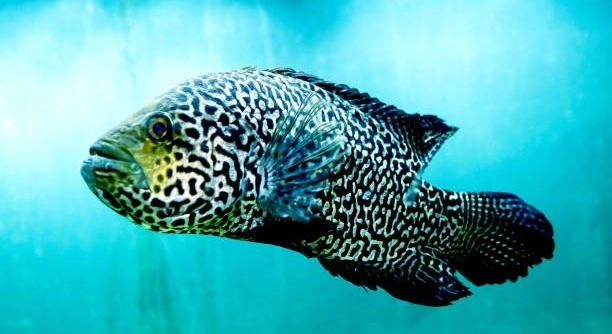
Have you ever noticed your Jack Dempsey fish swimming listlessly or hiding too much in its tank? Creating a stimulating environment can help them stay active, healthy, and show off their vibrant colors more naturally.
Providing enrichment for Jack Dempsey fish involves adding varied structures, plants, hiding spots, and appropriate tank mates. This approach encourages natural behaviors, reduces stress, and promotes physical and mental well-being, resulting in a healthier and more visually engaging aquarium.
Understanding how to design a dynamic environment will improve your fish’s quality of life and make observing their behavior much more rewarding.
Adding Hiding Spots
Jack Dempsey fish feel more secure when they have places to hide. Rocks, caves, and driftwood provide cover and reduce stress. These hiding spots also encourage natural behaviors like exploring and defending territory. A well-decorated tank allows your fish to feel safe while remaining active throughout the day. Varying the shapes and sizes of these structures keeps the environment interesting, preventing boredom and promoting mental stimulation.
Providing hiding spots improves the fish’s confidence and overall health. Stress reduction supports growth and coloration, making your aquarium more vibrant.
When arranging hiding spots, avoid overcrowding the tank. Leave enough open swimming space so your Jack Dempsey can move freely. Position caves at different tank levels to encourage exploration and territorial behavior. Consider soft plants near the edges of the tank to complement rocks and driftwood, giving your fish a mix of open and sheltered areas. Regularly adjust the layout to maintain novelty and keep your fish curious.
Live Plants for Stimulation
Live plants create a natural and dynamic environment. They improve water quality and offer visual appeal, enhancing your fish’s habitat.
Incorporating live plants like Java fern, Anubias, or Amazon sword can mimic the fish’s natural habitat. These plants offer shade and subtle hiding spots while soft leaves prevent injury. Rooted plants also help anchor substrate and reduce tank erosion. Watching your fish interact with live plants is rewarding.
Plants contribute to oxygenation, stabilize water parameters, and reduce algae growth. They provide a subtle challenge for Jack Dempsey fish as they navigate roots and leaves. Fast-growing plants may require pruning to prevent overgrowth, but this process keeps your tank organized. Additionally, plants offer a natural boundary for territorial behavior, giving fish defined zones. Using a mix of floating and rooted species adds layers to the environment, allowing your fish to explore different heights. Live plants also create microhabitats for small invertebrates, which can add additional stimulation. By carefully selecting hardy, non-toxic species, you can create a sustainable, engaging, and aesthetically pleasing tank that supports the long-term health and well-being of your Jack Dempsey.
Varied Tank Decorations
Adding different types of decorations keeps the tank visually interesting for Jack Dempsey fish. Stones, driftwood, and ceramic ornaments provide surfaces to explore and hide behind. Mixing textures encourages natural behaviors like pecking, nudging, and territory marking, keeping your fish active and engaged.
Decorations should be placed strategically to create multiple zones within the tank. Rocks stacked in layers or driftwood leaning at angles give your fish choices for shelter and observation points. Avoid sharp edges that could harm fins or scales. Providing a balance between open swimming areas and structured zones prevents stress and supports exercise, allowing the fish to display natural movements.
Rotating or rearranging decorations occasionally can renew the tank’s appeal. Changing a rock cluster or moving a piece of driftwood challenges the fish to explore the modified environment. Such adjustments stimulate curiosity and reduce monotony. Observing how your Jack Dempsey reacts to changes can be rewarding, as they interact differently with new layouts. Consistent monitoring ensures decorations remain safe, stable, and functional, supporting both mental and physical well-being.
Feeding Enrichment
Feeding your Jack Dempsey with variety can stimulate natural hunting instincts. Alternating pellets, frozen foods, and live options encourages active feeding behavior and prevents boredom.
Offering sinking pellets alongside occasional live foods like brine shrimp or bloodworms allows your fish to chase, search, and capture prey naturally. This method improves coordination and reflexes, promoting mental and physical exercise. Rotating food types also ensures balanced nutrition, supporting growth and vibrant coloration. Avoid overfeeding, as uneaten food can degrade water quality.
Timed feeding and scattering small portions across different areas of the tank engages your fish in natural foraging behavior. Hiding food in crevices or behind plants challenges them to explore and retrieve it, keeping them occupied longer. Using a mix of textures and sizes, such as soft pellets, freeze-dried insects, or live worms, stimulates diverse feeding responses. Feeding enrichment not only supports physical health but also strengthens the fish’s cognitive skills. Observing their hunting and problem-solving behavior can be satisfying and gives insight into their natural instincts. Maintaining consistent routines while introducing variety ensures they remain motivated, active, and healthy over time.
Lighting Variation
Adjusting lighting in the tank can make a noticeable difference in Jack Dempsey activity. Using dimmer or shaded areas allows them to feel secure while encouraging exploration.
Simulating natural light cycles with gradual transitions between bright and low light supports their circadian rhythm. Avoid sudden changes that can stress the fish.
Substrate Choices
A soft, sandy substrate is ideal for Jack Dempsey fish. It allows natural digging and prevents damage to their delicate fins. Avoid sharp gravel that can cause injury.
Water Flow
Moderate water flow helps mimic natural habitats. It encourages swimming and supports healthy gill function, keeping the fish active and alert.
FAQ
How often should I change the water in a Jack Dempsey tank?
Regular water changes are essential to keep the tank clean and maintain stable water parameters. A 20–30% water change every week helps remove waste, uneaten food, and toxins, supporting overall fish health. Large, infrequent changes can stress the fish, so consistent smaller changes are preferred. Using a siphon makes it easier to remove debris from the substrate while keeping the environment stable. Condition the new water to match temperature and pH levels, ensuring the fish experience minimal shock.
What is the best temperature for Jack Dempsey fish?
Jack Dempsey fish thrive in water temperatures between 75°F and 82°F. Maintaining consistent warmth supports metabolism, digestion, and immune function. Sudden drops or spikes can cause stress, making the fish more susceptible to illness. Using a reliable heater and thermometer ensures stability. During seasonal changes, check the tank temperature more frequently and adjust as needed. Avoid placing the tank near drafts or windows where temperature fluctuates. A consistent temperature also helps plants in the tank thrive, creating a healthier, more natural environment for the fish.
Can Jack Dempsey fish live with other fish?
Jack Dempsey fish are semi-aggressive and territorial. They can coexist with other large, robust fish, but smaller or passive species may be harassed. Choose tank mates that can handle their bold behavior without provoking fights. Provide plenty of hiding spots and territories to reduce aggression. Monitor interactions closely during the first few weeks, as territorial disputes often occur when new fish are introduced. Gradual introductions in a divided tank can help reduce initial conflict. Avoid overcrowding, as too many fish increases stress and the likelihood of aggression, impacting overall health.
How do I encourage natural behaviors in my Jack Dempsey?
Providing hiding spots, varied decorations, live plants, and a mix of foods encourages natural behaviors such as exploring, digging, and foraging. Scattering food or hiding it behind rocks engages hunting instincts, while rearranging decorations stimulates curiosity. Moderate water flow and lighting variation also replicate natural conditions. Regular observation helps identify behaviors and adjust the environment for enrichment.
What foods are best for Jack Dempsey fish?
A balanced diet of high-quality pellets, frozen foods, and occasional live foods is ideal. Include protein-rich options like bloodworms, brine shrimp, or daphnia to promote growth and vibrant coloration. Rotating food types ensures nutritional variety and reduces boredom. Avoid overfeeding, as leftover food can affect water quality. Feeding multiple small portions instead of one large meal encourages natural foraging behavior. Fresh vegetables like peas or spinach can be offered occasionally to supplement nutrition and support digestion.
How do I prevent stress in Jack Dempsey fish?
Stress can be reduced by maintaining stable water conditions, providing hiding spots, and avoiding sudden changes in lighting or temperature. Minimize aggressive tank mates and provide ample swimming space. Regularly monitor water parameters and remove uneaten food promptly. A well-structured tank with plants, rocks, and proper substrate helps the fish feel secure. Consistency in feeding schedules also reduces stress. Watching behavior allows you to intervene early if signs of stress, such as hiding or reduced appetite, appear.
How can I tell if my Jack Dempsey is healthy?
Healthy Jack Dempsey fish are active, responsive, and have vibrant coloration. Clear eyes, intact fins, and normal swimming patterns are positive signs. Reduced appetite, lethargy, or faded color may indicate illness or stress. Check water quality, adjust diet, and ensure the environment provides sufficient enrichment to maintain health.
Do Jack Dempsey fish need a large tank?
Yes, they require a minimum of 55 gallons for a single adult due to their size and territorial behavior. Larger tanks allow for more enrichment, decorations, and open swimming areas. A spacious environment reduces aggression and supports mental and physical well-being.
Can I use artificial plants instead of live plants?
Artificial plants can provide hiding spots but do not improve water quality or oxygenation like live plants. Soft, silk plants are safer than plastic to prevent fin damage. Combining artificial and live plants can be an effective compromise for both enrichment and practicality.
How do I maintain a clean tank without stressing my Jack Dempsey?
Regular partial water changes, careful siphoning of the substrate, and removal of uneaten food keep the tank clean. Avoid large, sudden changes and handle decorations gently to reduce stress. Using a filter rated for the tank size ensures continuous water circulation and quality.
What tank size is ideal for multiple Jack Dempsey fish?
For two or more adult Jack Dempsey fish, at least a 75–100 gallon tank is recommended. Providing multiple hiding spots, territories, and open swimming areas minimizes aggression. Overstocking leads to stress, poor health, and increased water maintenance requirements.
How do I prevent algae growth in a Jack Dempsey tank?
Algae can be controlled through proper lighting, regular water changes, and balanced feeding. Live plants compete with algae for nutrients, while mechanical filtration removes floating particles. Avoid placing the tank in direct sunlight. Cleaning decorations and substrate periodically helps maintain clarity.
Can Jack Dempsey fish recognize their owner?
Jack Dempsey fish can become familiar with regular caretakers. They may respond to movement or approach the tank during feeding. This recognition shows comfort and routine association rather than affection. Consistency in care and feeding routines strengthens this recognition over time.
How often should I trim plants in the tank?
Fast-growing plants may need trimming every 2–4 weeks to prevent overgrowth. Regular pruning maintains swimming space, reduces debris, and encourages healthy plant development. Trimming also keeps the tank visually appealing and provides clear zones for exploration.
What are signs of aggression in Jack Dempsey fish?
Aggression includes chasing, nipping fins, and territorial displays such as flaring gills. Minor aggression is normal, but frequent attacks or persistent harassment indicate overcrowding or insufficient hiding spots. Separating or rearranging the tank can help manage aggressive behavior.
Are there specific water parameters Jack Dempsey fish prefer?
They thrive in slightly acidic to neutral pH, between 6.5 and 7.5, and moderate hardness (8–12 dGH). Stable conditions reduce stress and support digestion, growth, and coloration. Sudden changes in pH or hardness can weaken immunity and increase susceptibility to disease.
Can Jack Dempsey fish live long in captivity?
With proper care, Jack Dempsey fish can live up to 10–12 years. Maintaining stable water conditions, a balanced diet, and a stimulating environment are key to longevity. Regular monitoring and enrichment enhance both lifespan and quality of life.
Is it necessary to rearrange tank decorations often?
Rearranging decorations occasionally stimulates natural exploration and curiosity. It provides novelty without causing stress when done gradually. Avoid frequent, drastic changes that can confuse or frighten the fish. Small adjustments keep the environment engaging.
How can I encourage breeding in Jack Dempsey fish?
Providing a spacious tank with hiding spots, optimal water temperature, and balanced nutrition encourages breeding. A separate breeding tank reduces aggression and allows controlled observation. Regular water changes and a stable environment support healthy spawning.
What is the ideal tank filtration for Jack Dempsey fish?
A strong filter capable of handling the tank volume ensures proper water quality. Canister or hang-on-back filters provide mechanical, chemical, and biological filtration. Adequate flow promotes oxygenation while avoiding overly strong currents that may stress the fish.
Can Jack Dempsey fish tolerate different lighting levels?
They adapt to moderate to low lighting well. Bright lights can increase stress if hiding spots are insufficient. Gradual transitions in light levels mimic natural conditions, supporting normal behavior patterns.
How do I acclimate a new Jack Dempsey to my tank?
Float the bag in the tank for 15–20 minutes to equalize temperature. Slowly add small amounts of tank water every 5–10 minutes. Avoid rushing the process to reduce stress and ensure a smooth transition.
What are common health problems in Jack Dempsey fish?
Common issues include fin rot, parasites, and stress-related illness. Maintaining clean water, proper diet, and a stable environment helps prevent most problems. Early detection and treatment are essential for recovery.
Are Jack Dempsey fish compatible with community tanks?
They can live with similarly sized, semi-aggressive species, but careful selection is required. Provide ample space, hiding spots, and observe behavior closely to prevent conflicts. Smaller or timid fish should be avoided.
How do I introduce a new fish to a Jack Dempsey tank?
Use a quarantine period and gradual introduction in a divided tank if possible. Monitor interactions closely and rearrange decorations to reduce territorial aggression. This approach minimizes stress and promotes coexistence.
Can Jack Dempsey fish eat vegetables?
Yes, offering peas, spinach, or zucchini occasionally supplements their protein-based diet. Vegetables support digestion, provide variety, and can be lightly blanched for easier consumption. Avoid overfeeding to maintain water quality.
How important is tank size for enrichment?
A larger tank allows more space for decorations, plants, and swimming, promoting exploration and reducing stress. Enrichment requires space to fully benefit the fish’s physical and mental well-being.
Should I use a heater in the Jack Dempsey tank?
Yes, a reliable heater maintains a stable temperature within the ideal range of 75–82°F. Sudden temperature drops can cause stress, weaken immunity, and affect feeding behavior. Consistency is crucial for long-term health.
Can Jack Dempsey fish jump out of the tank?
Yes, they can occasionally jump when stressed or startled. Using a secure lid prevents accidents and keeps the fish safe. Avoid sudden movements near the tank that might provoke jumping.
How do I test water quality for Jack Dempsey fish?
Regularly check pH, ammonia, nitrite, and nitrate levels using test kits. Maintaining parameters within safe ranges ensures a healthy environment and reduces stress-related illness. Record readings to track trends over time.
Is it necessary to quarantine new Jack Dempsey fish?
Quarantining new fish for 2–4 weeks helps prevent disease introduction. Observe for signs of illness, treat if necessary, and acclimate slowly to reduce stress before adding to the main tank.
How do I handle aggressive behavior between Jack Dempsey fish?
Increase hiding spots, rearrange decorations, or separate individuals if aggression persists. Avoid overcrowding and monitor interactions closely. Gradual adjustments reduce territorial disputes and maintain a balanced environment.
What type of filter media is best for Jack Dempsey tanks?
A combination of mechanical, chemical, and biological media ensures clean, healthy water. Sponges trap debris, activated carbon removes toxins, and bio-media supports beneficial bacteria essential for maintaining nitrogen balance.
Can Jack Dempsey fish adapt to new environments quickly?
They adapt gradually, but sudden changes can cause stress. Slowly introducing new water conditions, decorations, or tank mates helps the fish adjust comfortably and safely.
How can I prevent fin damage in Jack Dempsey fish?
Use smooth decorations, soft plants, and avoid sharp substrates. Monitor aggressive interactions and provide ample space. Regular observation ensures fins remain healthy and intact.
Are Jack Dempsey fish nocturnal?
They are primarily active during daylight but may explore during low light. Providing a natural day-night cycle encourages normal activity patterns and reduces stress.
How long does it take for a Jack Dempsey to settle in?
Most fish begin to explore within a few days, but full acclimation can take weeks. Consistent care and enrichment support confidence and natural behavior development.
Can Jack Dempsey fish recognize feeding routines?
Yes, they quickly learn feeding patterns. They may become more active and approach the tank at regular feeding times, showing familiarity with daily routines.
Do Jack Dempsey fish require supplements?
Occasional vitamin or mineral supplements can support growth and color, especially if using frozen or processed foods. Avoid over-supplementing, as this can harm water quality.
What is the ideal pH range for Jack Dempsey fish?
A slightly acidic to neutral range, 6.5–7.5, is optimal. Stable pH supports digestion, metabolism, and overall health. Sudden shifts can cause stress and illness.
How do I monitor stress in Jack Dempsey fish?
Signs include hiding, reduced appetite, faded coloration, or erratic swimming. Observing behavior daily allows early intervention and adjustments in tank conditions.
Are Jack Dempsey fish territorial?
Yes, they are highly territorial. Providing zones, hiding spots, and sufficient swimming space reduces aggression and allows multiple fish to coexist more peacefully.
Can Jack Dempsey fish live alone?
Yes, they can thrive alone, as long as the tank is enriched with hiding spots, decorations, and stimulating elements to prevent boredom.
How do I encourage exploration in a Jack Dempsey tank?
Rearranging decorations, adding new hiding spots, and offering scattered food encourages natural exploration. Varying the tank environment keeps the fish active and mentally stimulated.
Is tank size more important than decorations for enrichment?
Both are important, but adequate space is essential. Without enough room to swim, even the best decorations cannot provide full enrichment. Balance size and environment for optimal well-being.
How do I reduce aggression when adding new fish?
Introduce fish gradually, rearrange decorations, and provide hiding spots. Using a divided tank temporarily allows acclimation and reduces stress during initial interactions.
What water hardness is best for Jack Dempsey fish?
Moderate hardness, around 8–12 dGH, is ideal. Stable hardness supports overall health and reduces stress from sudden changes in mineral content.
Can Jack Dempsey fish tolerate brackish water?
They prefer freshwater conditions. Brackish water is not recommended, as it can cause stress and long-term health issues. Freshwater enrichment ensures proper behavior and growth.
How important is tank cover for Jack Dempsey fish?
A secure lid prevents jumping and protects the fish from sudden disturbances. Safety is essential, especially in active or semi-aggressive species.
Do Jack Dempsey fish interact with plants?
Yes, they often explore, dig, and nibble on plants. Live or soft artificial plants enhance engagement and provide shelter, supporting natural behaviors.
Can Jack Dempsey fish live in a community tank with cichlids?
Compatible cichlids of similar size and temperament may coexist. Provide enough space, hiding spots, and monitor interactions to prevent territorial disputes. Avoid small or passive species.
How do I maintain consistent tank temperature in winter?
Use a reliable heater, insulated tank placement, and monitor with a thermometer. Avoid drafts or sudden temperature fluctuations that can stress the fish.
Can Jack Dempsey fish recognize their reflection?
They may react to reflections, often displaying territorial behavior. This is normal but can increase stress if constant exposure occurs. Position decorations or background to minimize reflections.
How often should I feed a Jack Dempsey fish?
Feed adult fish once or twice daily with measured portions. Juveniles may require more frequent feeding. Avoid overfeeding to maintain water quality and health.
Can Jack Dempsey fish adapt to new tank mates over time?
Gradual introductions with ample hiding spots can allow adaptation. Persistent aggression may require separation or reconfiguration of the tank to maintain harmony.
Is tank filtration more important than tank size for water quality?
Both are essential. Adequate filtration maintains water quality, but a small tank limits space and enrichment. Balance both factors for a healthy environment.
Do Jack Dempsey fish need UV sterilizers?
Not required, but UV sterilizers can help control free-floating algae and pathogens, supporting overall water quality and fish health.
How do I prevent stress when cleaning the tank?
Remove small amounts of water and clean surfaces gradually. Avoid sudden changes or rough handling. Keep the fish environment stable during maintenance.
Can Jack Dempsey fish live in planted tanks only?
Yes, a fully planted tank provides hiding spots, enrichment, and water quality benefits. Include open swimming areas to prevent overcrowding and ensure activity.
What is the best substrate depth for Jack Dempsey fish?
A 2–3 inch sandy substrate allows natural digging without causing injury. Adequate depth supports plant roots and provides enrichment opportunities.
How do I handle water parameter fluctuations?
Monitor regularly and make gradual adjustments. Avoid sudden changes in temperature, pH, or hardness. Consistency is critical for stress prevention and health maintenance.
Can Jack Dempsey fish detect changes in lighting?
Yes, sudden bright lights can stress them. Gradual changes simulate natural conditions and encourage normal activity patterns.
What is the maximum size of a Jack Dempsey fish?
Adults typically reach 10–12 inches. Proper tank size, diet, and enrichment support healthy growth without stunting.
How do I introduce live plants to a Jack Dempsey tank?
Rinse and inspect plants for pests, plant them securely, and monitor fish behavior. Provide protection for delicate plants to prevent damage during initial adjustment.
Can Jack Dempsey fish recognize feeding spots?
They quickly learn where food is offered and may explore these areas actively. This behavior shows memory and familiarity with their environment.
Is a deep tank better for Jack Dempsey enrichment?
A deeper tank provides vertical space for exploration, swimming, and hiding, enhancing enrichment and natural behaviors.
How do I maintain water clarity in a Jack Dempsey tank?
Regular filtration, water changes, and debris removal prevent cloudiness. Avoid overfeeding and monitor plant health to maintain a clear, healthy environment.
Do Jack Dempsey fish need a separate breeding tank?
Yes, a separate tank reduces aggression and allows control over spawning conditions, increasing the likelihood of successful breeding.
Can Jack Dempsey fish live with large catfish?
Compatible large catfish may coexist if tank space and hiding spots are sufficient. Monitor behavior, as overlapping territories can cause disputes.
How often should I test water for a Jack Dempsey tank?
Weekly testing for ammonia, nitrite, nitrate, and pH ensures a safe environment. Frequent checks prevent stress and health issues.
Are Jack Dempsey fish sensitive to noise or vibration?
They can be startled by sudden loud noises or vibrations. Minimize disturbances near the tank to reduce stress and maintain natural behavior.
Can Jack Dempsey fish tolerate minor temperature changes?
Small, gradual fluctuations are tolerable, but sudden shifts can cause stress and health problems. Maintain stable, optimal temperature consistently.
How important is hiding space for juvenile Jack Dempsey fish?
Hiding space is critical for young fish to reduce stress, avoid aggression, and develop confidence in exploring the tank.
Can Jack Dempsey fish adapt to different water hardness levels?
They prefer moderate hardness but can tolerate slight variations if changes are gradual. Sudden shifts may cause stress or illness.
**How
Providing a stimulating and safe environment for your Jack Dempsey fish is essential for their overall well-being. By incorporating hiding spots, varied decorations, live plants, and proper substrate, you create a habitat that encourages natural behaviors and reduces stress. Each element in the tank contributes to both physical and mental enrichment, allowing your fish to swim freely, explore, and interact with their surroundings. A tank that balances open space and structured areas helps your Jack Dempsey feel secure while remaining active. Over time, observing your fish respond to these environmental improvements can be rewarding, as they display healthier, more vibrant behavior and coloration. Ensuring that every aspect of their environment supports natural habits is the foundation of successful care.
Feeding also plays a crucial role in enrichment and health. Providing a variety of foods, including pellets, frozen options, and occasional live items, stimulates natural hunting instincts while supplying essential nutrients. Scattering food or hiding it among plants and rocks encourages foraging, problem-solving, and active engagement. Maintaining a regular feeding schedule while avoiding overfeeding keeps water quality stable and prevents stress. Pairing nutritional variety with environmental complexity allows your Jack Dempsey to thrive physically and mentally. Observing how they interact with food, decorations, and each other provides insight into their natural tendencies and well-being. Small adjustments in diet and tank layout can make a noticeable difference in activity levels, growth, and overall health.
Consistency in care is equally important for long-term success. Regular water changes, monitoring water parameters, and providing a steady temperature ensure a stable environment that supports the fish’s immune system and reduces stress. Gradual rearrangements of decorations or introducing new plants can maintain curiosity without overwhelming them. Territorial behavior and occasional aggression are natural, but proper space, hiding spots, and careful selection of tank mates minimize conflicts. Over time, your Jack Dempsey will adapt to a thoughtfully arranged tank and show signs of comfort, confidence, and natural activity. By combining attention to diet, environmental enrichment, and consistent care, you create a balanced and healthy habitat where your fish can live a long, active, and visually engaging life.
This approach highlights the importance of understanding your Jack Dempsey’s needs and responding with both practical and thoughtful care strategies. Every change in the tank, from decorations to feeding methods, can influence their behavior and well-being. Focusing on consistent water quality, appropriate tank size, and proper enrichment ensures that your fish have a stimulating environment while minimizing stress. Observing their responses to modifications allows you to refine their habitat continually. A well-maintained, enriched tank supports not only their physical health but also their mental engagement, encouraging natural behaviors and reducing boredom. Ultimately, providing a balanced and enriched environment helps your Jack Dempsey flourish, making the time and effort invested in their care both meaningful and rewarding.

Hello,
If you enjoy the content that we create, please consider saying a "Thank You!" by leaving a tip.
Every little bit helps us continue crafting quality advice that supports the health, happiness, and well-being of pets around the world, for pets of all shapes, sizes, and species.
We really appreciate the kindness and support that you show us!