
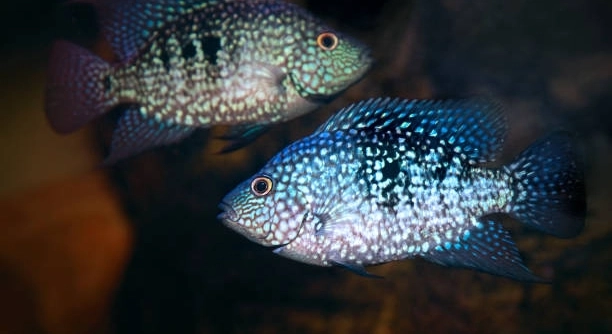
Have you ever noticed your Jack Dempsey fish staring at the glass in their tank? These fish often react in interesting ways when they see a reflection, showing behaviors that reveal both curiosity and territorial instincts.
Jack Dempsey fish typically respond to their own reflection with aggressive or defensive behaviors. They may flare their fins, approach the mirror, or display chasing movements, perceiving the reflection as a potential rival within their environment.
Observing these reactions can offer insight into their natural instincts and how they interact with their surroundings in captivity. Understanding this behavior helps maintain a balanced and peaceful aquarium environment.
Understanding Jack Dempsey Fish Behavior
Jack Dempsey fish are known for their bold and territorial nature. When they see their own reflection, they often react as if another fish has entered their space. This can include flaring fins, rapid swimming, or even attempting to attack the reflection. Such behaviors are instinctive, rooted in their need to defend their territory. It is not unusual for these reactions to vary depending on the individual fish’s temperament and the environment of the tank. Some may respond aggressively, while others might simply observe and retreat. Tank size, decorations, and hiding spots can influence their level of comfort. Providing an enriched environment with adequate space and visual barriers can reduce excessive aggression toward reflections. Observing these interactions carefully helps owners understand their fish better and manage their aquarium more effectively. Behavioral patterns are often subtle, so patience and attention are key to interpreting their actions accurately.
Careful observation of reflections can prevent stress and aggressive behavior, ensuring a calmer tank environment.
A balanced aquarium setup is essential for Jack Dempsey fish. Offering hiding spots, plants, and visual breaks can limit unnecessary confrontation with reflections. Regular monitoring of their interactions allows for adjustments in tank layout. Stress from constant exposure to mirrors or glass can impact their health, leading to fatigue or fin damage. Gradual changes, like moving objects or providing opaque barriers, can reduce repeated aggressive displays. Knowing each fish’s temperament helps in predicting and managing reactions. Even small alterations, such as repositioning decor or changing tank lighting, can influence their behavior positively. Over time, this creates a more stable environment where the fish feel secure and less threatened by their own image. Careful attention to these details ensures that their natural behaviors are expressed safely and without causing harm to themselves or others in the tank.
Reducing Aggression Toward Reflections
Limiting direct exposure to reflective surfaces can significantly reduce aggressive behavior.
Introducing barriers or rearranging tank elements creates visual separation. Consistent monitoring and adjustments help maintain a calm environment, allowing the fish to focus on natural behaviors rather than perceived rivals. Regular interaction, feeding routines, and environmental enrichment contribute to overall well-being. Removing unnecessary mirrors or reflective items from the tank can prevent repeated stress responses. Some owners place plants or rocks strategically to break sight lines, reducing confrontation frequency. Behavioral changes should be tracked to ensure interventions are effective. Awareness of each fish’s unique personality is crucial, as reactions vary widely. Avoiding sudden changes helps maintain stability. Overall, careful management and a thoughtful tank layout minimize unnecessary stress and aggression, promoting healthier and more predictable behavior patterns over time.
Common Triggers for Aggression
Reflections are not the only trigger for Jack Dempsey aggression. Sudden movements, changes in tank lighting, or the addition of new decorations can also provoke defensive behavior. Recognizing these triggers helps manage their reactions and maintain a calmer aquarium environment.
Jack Dempsey fish are highly sensitive to their surroundings. Adding a new object or changing the lighting can make them feel threatened, even if no other fish are present. They may display fin flaring, rapid swimming, or chasing behaviors toward the perceived disturbance. Over time, frequent exposure to triggers can increase stress levels, which may impact feeding habits and overall health. Properly arranging the tank and introducing changes gradually can reduce unnecessary tension and allow the fish to adapt without heightened aggression.
Temperature and water quality can also influence aggressive tendencies. Slight variations in temperature, pH, or ammonia levels may make Jack Dempsey fish more irritable. Monitoring these conditions closely helps prevent sudden behavioral spikes. Maintaining a consistent environment supports calmer interactions and promotes healthier, more predictable responses to stimuli, including reflections and tank changes.
Managing Tank Environment
Visual barriers such as plants, rocks, or opaque panels can reduce confrontation and stress. Regular monitoring helps assess their effectiveness.
Providing multiple hiding spots and breaking sight lines between reflective surfaces limits aggressive encounters. Jack Dempsey fish respond well to a structured environment that mimics natural habitats. Gradual introductions of new tank elements prevent sudden spikes in stress. Observing interactions and adjusting layouts helps balance territorial instincts with peaceful coexistence. Consistent feeding schedules and gentle handling reduce unnecessary agitation. Over time, these measures promote healthier behavior, ensuring the fish can express natural instincts safely. A well-planned tank environment is key to minimizing conflict and supporting long-term well-being for all inhabitants.
Feeding and Reflection Behavior
Jack Dempsey fish may become more aggressive around feeding times, especially if they see their reflection. Hunger can amplify territorial instincts, making them more likely to react to perceived rivals near food.
Scheduling regular feeding times helps reduce stress and keeps aggressive behavior predictable. Providing multiple feeding spots can prevent competition and lessen tension.
Recognizing Stress Signs
Frequent fin clamping, rapid swimming, or hiding can indicate stress from repeated reflection exposure. Identifying these signs early allows timely adjustments.
Monitoring behavior carefully helps prevent long-term health problems. Stress can affect appetite, immunity, and overall well-being. Adjusting the environment, introducing visual barriers, and providing hiding spots reduce tension, promoting a calmer, healthier fish.
Introducing Tank Mates
Not all fish can cohabit with Jack Dempseys. Carefully chosen tank mates minimize conflict and prevent territorial disputes.
Long-Term Observation
Consistent monitoring over weeks allows understanding of individual behavior patterns and responses to environmental changes, including reflections.
FAQ
How do Jack Dempsey fish react to their own reflection?
Jack Dempsey fish often perceive their reflection as a rival. Common reactions include flaring their fins, chasing the reflection, or displaying aggressive postures. Some fish may also retreat or observe quietly. Their response depends on individual temperament, tank size, and available hiding spots.
Can reflections harm Jack Dempsey fish?
While reflections do not physically harm fish, constant exposure can increase stress levels. Prolonged stress may affect appetite, immunity, and fin condition. Providing visual breaks or rearranging tank elements can reduce repeated aggressive responses and promote healthier behavior.
Why do some Jack Dempseys ignore their reflection?
Individual personality and past experiences play a role. More confident fish may engage aggressively, while shy or less territorial fish might ignore it. Tank environment, including hiding spaces and overall fish density, also influences whether a reflection triggers a reaction.
What can I do to reduce aggression toward mirrors or glass?
Visual barriers such as plants, rocks, or opaque panels help break sight lines and limit confrontation. Gradual changes to the tank layout, multiple hiding spots, and consistent feeding schedules further reduce tension. Monitoring behavior ensures interventions are effective.
Do reflections affect feeding behavior?
Yes, reflections can increase aggression during feeding. Hunger may amplify territorial instincts, causing Jack Dempsey fish to attack the glass or compete over food. Using multiple feeding spots and maintaining a routine helps manage these reactions.
Is aggression toward reflections normal in all Jack Dempseys?
Most Jack Dempseys display some reaction, but intensity varies. Aggression is a natural territorial instinct. Stress, environmental changes, and tank layout all influence how frequently and intensely they respond to reflections.
How can tank design help manage reflection behavior?
Creating visual separation with plants, rocks, or partitions reduces confrontation. Sufficient hiding spots and a structured environment mimic natural habitats, allowing fish to express behaviors without constant stress from seeing themselves in reflective surfaces.
Does tank size impact reflection aggression?
Smaller tanks can increase territorial behavior because fish feel confined. Larger tanks provide more space and allow natural territory establishment, often reducing aggressive responses to reflections and other tank inhabitants.
Can other fish influence Jack Dempsey reactions to reflections?
Yes, cohabiting species can affect behavior. Aggressive tank mates may heighten territorial responses, while calm, non-territorial species usually have little impact. Careful selection of compatible tank mates helps minimize stress from both reflections and real rivals.
How long does it take for Jack Dempseys to calm down after seeing a reflection?
Reactions are usually brief, lasting minutes, but repeated exposure may prolong stress. Observing each fish over time helps gauge typical recovery periods and identify when environmental adjustments are needed.
What signs indicate a reflection is causing chronic stress?
Frequent fin clamping, hiding, decreased appetite, and erratic swimming are key indicators. Chronic stress can affect overall health. Early intervention through environmental changes or visual barriers is important to maintain well-being.
Can Jack Dempseys learn to ignore their reflection?
Some fish may habituate over time, especially if the reflection does not pose a real threat. Gradual exposure and consistent environmental enrichment can help reduce repeated aggressive responses, though complete habituation is not guaranteed.
Are mirrors ever beneficial for Jack Dempsey fish?
Short, controlled mirror exposure can provide mental stimulation, but prolonged or constant exposure increases stress. Any use of mirrors should be carefully monitored and limited to avoid negative effects on behavior and health.
How do lighting and water conditions affect reactions to reflections?
Bright lighting can enhance reflection visibility, increasing aggressive responses. Poor water quality or temperature fluctuations can also heighten irritability. Maintaining stable, appropriate conditions helps reduce unnecessary aggression.
Can reflections influence breeding behavior?
Aggressive displays triggered by reflections can interfere with courtship or territorial bonding during breeding. Providing separate areas or visual barriers ensures the fish can breed without unnecessary stress or distraction.
Is it necessary to remove reflective surfaces entirely?
Not always. Strategic placement of barriers or decorations can reduce constant reflection exposure without complete removal. The goal is to minimize repeated stress while allowing fish to interact comfortably in their environment.
How do I monitor if my interventions are effective?
Observe changes in aggression, hiding behavior, and feeding patterns. Reduced chasing, calmer swimming, and less fin flaring indicate successful adjustments. Regular tracking ensures the tank environment continues to meet the fish’s behavioral needs.
What long-term effects can reflection stress have?
Chronic stress can lead to decreased immunity, slower growth, fin damage, and changes in temperament. Proactive tank management and attention to behavior prevent these long-term issues and support overall health.
Are some Jack Dempseys more reactive than others?
Yes, individual personality traits play a major role. Some fish are naturally more territorial, while others are calmer. Understanding each fish’s behavior helps tailor tank management and reduces conflict with reflections or other stimuli.
Can environmental enrichment help reduce reflection aggression?
Yes, providing hiding spots, visual barriers, and varied decor encourages natural exploration and reduces unnecessary aggression. A stimulating environment allows Jack Dempseys to focus on their surroundings instead of reacting to reflections constantly.
How often should I check for stress signs?
Daily observation is ideal, especially after introducing changes or new objects. Early detection allows timely interventions, keeping Jack Dempsey fish healthy and minimizing aggressive encounters with reflections or other tank elements.
Final Thoughts
Jack Dempsey fish are fascinating creatures with strong territorial instincts. Their reactions to reflections are natural and instinctive, stemming from their need to protect what they perceive as their space. Aggressive displays, fin flaring, and chasing movements are common, and they do not indicate any problem with the fish itself. Understanding these behaviors helps in creating a more comfortable environment for both the fish and the tank owner. Observing your Jack Dempsey closely allows you to see patterns in behavior, such as which times of day or specific areas of the tank trigger stronger reactions. Some fish may react immediately, while others may take time to notice their reflection or may simply ignore it. Being aware of these differences helps in managing the tank more effectively.
Proper tank management is essential for reducing unnecessary aggression and stress. Providing hiding spots, visual barriers, and sufficient space gives the fish options to retreat or feel secure. Tank size also plays a significant role, as smaller tanks can make territorial instincts more pronounced. Even minor environmental changes, such as repositioning decorations or adjusting lighting, can influence behavior positively. Feeding routines should be consistent, and multiple feeding spots can prevent competition and stress. Monitoring water quality, temperature, and pH levels is equally important, as fluctuations can increase irritability. By paying attention to these factors, you create a stable environment that allows your Jack Dempsey to express natural behaviors without constant confrontation with its reflection or other tank inhabitants.
Long-term observation and understanding are key to maintaining a healthy aquarium. Each Jack Dempsey has a unique personality, and their reactions to reflections or tank changes may vary. Some fish may eventually habituate to seeing their reflection and show reduced aggression over time, while others may remain reactive. Interventions such as visual barriers, careful tank layout, and environmental enrichment help reduce stress and support overall well-being. Keeping a consistent routine and monitoring behavior regularly ensures the fish remains healthy and active. By combining careful observation with practical management strategies, you can create a peaceful and balanced tank where Jack Dempsey fish feel secure and exhibit their natural instincts safely. This understanding strengthens your ability to care for them effectively, ensuring long-term health and stability in the aquarium.

Hello,
If you enjoy the content that we create, please consider saying a "Thank You!" by leaving a tip.
Every little bit helps us continue crafting quality advice that supports the health, happiness, and well-being of pets around the world, for pets of all shapes, sizes, and species.
We really appreciate the kindness and support that you show us!