
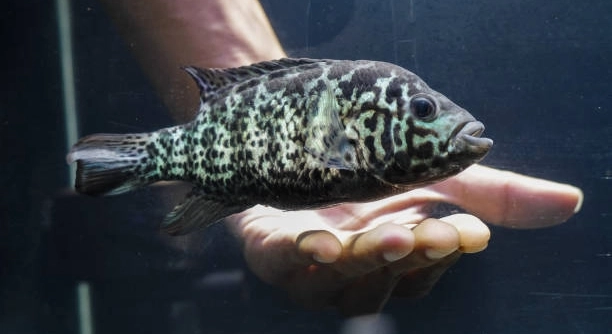
Have you ever added a new tankmate and noticed small changes in your existing aquatic pets’ behavior? Observing these adjustments can help you understand how they are adapting to the new social dynamic in the tank.
After a new tankmate is introduced, certain behaviors such as increased hiding, altered feeding patterns, or heightened aggression can emerge. Monitoring these behaviors is essential to ensure compatibility, prevent stress, and maintain the overall health and balance of the tank environment.
Recognizing these behaviors early will help you support both your new and existing fish, ensuring a smoother transition and a healthier aquatic community overall.
Increased Hiding and Withdrawal
When a new tankmate is added, it is common for existing fish to retreat more than usual. They may hide behind decorations, plants, or rocks, avoiding the newcomer. This behavior is a natural response to stress and uncertainty. Fish use hiding as a coping mechanism to feel secure while assessing changes in their environment. During this period, feeding habits may also shift. Some fish may eat less or avoid communal areas where the new tankmate is present. It is important to provide multiple hiding spots to reduce stress levels. Over time, as familiarity grows, most fish gradually return to their normal routines. Observing these changes closely helps in identifying whether the adjustment period is typical or if intervention is needed to prevent prolonged stress. Ensuring water quality and maintaining a stable environment also supports calmer behavior.
Allowing fish space and hiding options promotes a smoother adjustment. Patience is key during this phase.
Consistent monitoring is necessary to track how quickly fish resume normal behavior. Some may adapt in days, others may take weeks. Avoid sudden changes in lighting or tank layout, as this can exacerbate stress. Supplementing the diet with high-quality food encourages feeding even for shy individuals. If aggressive behavior increases, separating the most stressed fish temporarily can help. Observing social interactions, such as chasing or tail nipping, gives insight into compatibility. Keeping a log of behaviors and changes in patterns helps identify any long-term issues. Over time, many fish learn to coexist peacefully, making the tank a calmer, more balanced environment for all inhabitants.
Changes in Feeding Patterns
Shifts in feeding behavior are common when introducing a new tankmate. Some fish may eat less, while others become more competitive during feeding times.
It is essential to provide multiple feeding spots and observe which fish are struggling. Adjusting feeding routines can ensure that all fish receive adequate nutrition without causing stress or aggression. Monitoring for weight loss or irregular growth helps identify individuals that need extra attention. Avoid overfeeding, as excess food can lower water quality and worsen stress. Using sinking pellets or slow-dissolving food can give shy fish a better chance to feed. Gradually, fish typically settle into a predictable feeding routine once social hierarchies are established and competition decreases.
Heightened Aggression
Some fish may display increased aggression after a new tankmate is added. Chasing, nipping, or territorial displays can become more frequent. These behaviors are natural attempts to establish dominance or defend space.
Aggressive interactions often occur near feeding times or around favorite hiding spots. Dominant fish may patrol the tank more actively, while subordinate fish may retreat or hide. It is important to monitor these behaviors closely, as persistent aggression can lead to injury or stress. Providing extra decorations, plants, or visual barriers can help reduce conflicts by giving fish more space to claim as their own. Temporary separation of particularly aggressive individuals may also be necessary. Over time, most fish adjust to the presence of new tankmates, and the frequency of aggressive encounters usually decreases once social hierarchies are established.
Tracking which fish are most affected by aggression is useful. Observing patterns of interaction helps prevent long-term stress and ensures all fish remain healthy.
Keeping aggression under control also protects water quality. Injured fish or leftover food can disrupt the tank’s balance. Maintaining regular water changes and monitoring behavior simultaneously creates a healthier environment.
Changes in Swimming Patterns
Fish often adjust their swimming patterns when a new tankmate is introduced. Some may become more cautious, staying near the bottom or edges, while others swim more erratically or explore new areas. These changes reflect adaptation to the altered social dynamic.
Altered swimming can indicate stress or discomfort. Fish that previously patrolled open spaces may now prefer hiding near plants or decorations. Conversely, some fish may become more active, testing boundaries or asserting dominance. Monitoring swimming patterns helps identify individuals that may need extra care or temporary separation. Ensuring ample space and creating zones for different activity levels can reduce tension. Environmental enrichment, like plants or caves, encourages natural behavior and allows fish to feel secure while adjusting to the newcomer. Over time, consistent observation and minor adjustments help fish regain regular swimming routines, maintaining overall tank stability and minimizing stress across all inhabitants.
Increased Hiding Spots
Fish may start using hiding spots more frequently when a new tankmate arrives. They retreat to plants, rocks, or decorations to feel secure and avoid potential conflicts. Observing these changes helps gauge how well fish are adjusting.
Providing extra hiding places reduces stress and allows fish to explore at their own pace. Multiple shelters can prevent dominant fish from controlling all preferred spaces. This also encourages shy or stressed fish to gradually return to normal behavior, ensuring a healthier social balance within the tank.
Changes in Social Interaction
New tankmates can alter social behavior, causing fish to form temporary alliances or avoid certain individuals. Subordinate fish may stay closer together while dominant fish assert control over territories. This shift in interactions reflects efforts to establish a balanced hierarchy. Careful observation ensures no fish is consistently bullied or isolated.
Restlessness and Erratic Swimming
Some fish may swim more quickly or appear restless after a new tankmate is added. This behavior indicates stress or uncertainty about the changing environment. Monitoring these patterns helps identify individuals needing additional support or space.
FAQ
How long does it take for fish to adjust to a new tankmate?
Adjustment periods vary depending on species, temperament, and tank size. Some fish adapt within a few days, while others may take several weeks. Monitoring behavior is essential to ensure the stress period does not become prolonged. Providing hiding spots, consistent feeding, and stable water conditions helps fish feel secure and gradually accept the newcomer. Patience is key, as rushing interactions can worsen aggression or anxiety. Over time, most fish establish a predictable social order and return to normal routines.
What signs indicate that fish are not adjusting well?
Signs of poor adjustment include persistent hiding, refusal to eat, aggressive chasing, or erratic swimming. Physical indicators like torn fins, weight loss, or unusual marks may appear if conflicts occur. Continuous observation is critical. Intervention may involve separating particularly aggressive individuals, adding more hiding spots, or adjusting tank layout to reduce stress. Documenting behavior patterns helps track recovery. In some cases, incompatible species may never coexist peacefully, requiring permanent separation to maintain a healthy tank environment.
Is aggression normal after adding a new tankmate?
Yes, some level of aggression is common as fish establish social hierarchies. Territorial behaviors, chasing, or nipping are often temporary. Aggression usually decreases once boundaries are understood. Consistent monitoring is necessary to prevent injury. Providing sufficient space, hiding places, and visual barriers helps minimize conflicts. Overfeeding should be avoided, as competition for food can escalate aggression. In extreme cases, temporarily separating the most aggressive fish allows others to regain balance. Observing interactions carefully ensures the tank remains safe and stress-free.
How can I encourage shy fish to eat?
Offering multiple feeding locations allows shy fish to access food without competing with more dominant tankmates. Using sinking pellets, slow-dissolving food, or placing small portions in different areas encourages feeding. Maintaining a calm environment, avoiding sudden movements, and keeping a consistent feeding schedule can reduce stress. Observing which fish eat and which avoid food helps identify individuals needing extra attention. Over time, shy fish often regain confidence and return to normal feeding behavior once social hierarchies are established.
Should I rearrange the tank when adding a new fish?
Rearranging decorations or adding plants can help reduce territorial disputes by creating new territories and hiding spaces. However, avoid excessive changes that may stress all fish. Minor adjustments, such as adding caves or dividing zones, often work best. The goal is to give each fish options to explore, retreat, or establish its own area. Monitoring behavior after any changes ensures that the tank remains balanced and that no fish is excluded or stressed.
When is it necessary to separate fish?
Separation is required if aggressive interactions cause injury, persistent hiding prevents feeding, or stress indicators worsen over time. Quarantine or divider tanks allow the aggressive or stressed fish to coexist without harm. Regular monitoring ensures that separated fish adjust well and can eventually rejoin the community safely if possible. Separation should be considered temporary whenever feasible, focusing on recovery, reducing conflict, and maintaining overall tank stability.
Can tank size affect adjustment?
Yes, tank size plays a major role in adaptation. Smaller tanks increase competition for space and resources, making stress and aggression more likely. Larger tanks allow fish to establish personal territories and reduce conflict. Ensuring adequate swimming space, hiding spots, and enrichment helps fish feel secure and promotes a smoother transition when new tankmates are introduced.
How can I reduce stress during the adjustment period?
Maintaining stable water parameters, providing hiding spaces, and offering regular feeding routines reduce stress. Minimizing loud noises, sudden movements, or bright lights can also help. Observing behavior and intervening when conflicts escalate ensures that all fish remain healthy. Gradually, these measures help the tank community settle into a balanced social structure.
What should I do if two species are incompatible?
Incompatible species may never coexist peacefully. Persistent aggression, stress, or injury indicates that separation is necessary. Providing separate tanks or permanent dividers ensures safety. Attempting to force coexistence can harm both species, so respecting natural behavior and compatibility is crucial for maintaining a healthy and stress-free environment.
Is it normal for fish to return to their old behavior over time?
Yes, once social hierarchies are established and stress decreases, most fish resume normal feeding, swimming, and social behaviors. The adjustment period is temporary for the majority of tank communities. Continued observation ensures that all fish remain healthy and stress-free as they settle into the new dynamic.
How often should I monitor behavior after adding a new tankmate?
Daily monitoring is recommended during the first few weeks. Observe feeding, swimming, and interactions to catch potential issues early. Keeping notes helps track progress and identify any patterns of stress or aggression. Once fish settle into routine behavior, less frequent observation is sufficient, though occasional checks ensure continued harmony and health within the tank.
Can stress affect fish health long-term?
Prolonged stress can weaken the immune system, reduce appetite, and make fish more susceptible to disease. Addressing behavioral issues early, providing hiding spots, and maintaining stable water conditions are essential for preventing long-term health problems. Observing and responding to stress ensures that fish thrive and the tank remains balanced.
Are some fish naturally more adaptable than others?
Yes, species differ in temperament and social flexibility. Some fish adjust quickly to newcomers, while others may remain shy or aggressive for extended periods. Understanding species-specific behavior helps anticipate challenges and implement strategies to promote harmony. Selecting compatible tankmates increases the likelihood of a smooth adjustment.
How do I know if feeding issues are serious?
Serious feeding issues include prolonged refusal to eat, weight loss, or signs of malnutrition. Observing fish over several days helps distinguish temporary stress from a critical problem. Providing multiple feeding options, monitoring water quality, and isolating struggling fish can prevent long-term health consequences.
What role do hiding spots play in adjustment?
Hiding spots reduce stress and provide security for both new and existing fish. They allow shy or subordinate fish to explore the tank safely, reduce aggressive encounters, and encourage natural behavior. Multiple shelters in different areas give each fish an opportunity to claim a safe zone, improving overall tank harmony.
How can I tell if the tankmate addition was successful?
A successful addition is evident when fish return to normal feeding, swimming, and social behavior. Aggression decreases, hiding becomes occasional, and all fish appear healthy and active. Continuous observation ensures ongoing compatibility, with adjustments made as needed to maintain a balanced and stress-free environment.
Can environmental enrichment help during adjustment?
Yes, adding plants, caves, or decorations encourages exploration, provides hiding spaces, and reduces aggression. Enrichment allows fish to establish territories naturally and adapt to new social dynamics. It also promotes physical activity and mental stimulation, supporting healthier, calmer behavior throughout the adjustment period.
Is it normal for fish to show temporary changes in appearance?
Stress can cause color fading, fin clamping, or other minor appearance changes. These usually resolve as fish adjust to the new tankmate. Persistent or worsening changes may indicate illness or chronic stress, requiring intervention. Monitoring both behavior and appearance ensures overall well-being.
How can I maintain harmony long-term after adding a tankmate?
Maintain stable water conditions, provide sufficient space and hiding spots, monitor feeding, and address aggression promptly. Regular observation helps detect early signs of stress or conflict. Selecting compatible species and gradually introducing new tankmates in the future supports a balanced, healthy tank community for all fish.
What should I avoid when introducing a new tankmate?
Avoid sudden additions, overcrowding, or drastic tank changes. Introducing fish without quarantine or ignoring aggressive behavior can cause stress, injury, and disease. Taking time to prepare the tank, provide hiding spots, and monitor interactions reduces problems and supports a smoother transition for all inhabitants.
How important is quarantine for new fish?
Quarantining new fish before adding them to the main tank prevents the spread of disease and allows observation of behavior. It reduces stress for both new and existing fish, ensuring a healthier, more stable community. A quarantine period of at least two weeks is recommended for most species.
Can adjusting tank lighting help reduce stress?
Yes, lowering bright lights or providing shaded areas helps fish feel secure. Sudden changes in lighting can increase stress and trigger hiding or aggression. Gradual adjustments and consistent light cycles support calm behavior and help fish acclimate to new tankmates smoothly.
When should I seek expert advice?
Seek expert advice if aggression persists despite interventions, feeding issues continue, or fish show signs of illness. A professional can assess species compatibility, tank conditions, and behavior, offering solutions to maintain a safe and healthy environment for all fish.
What is the best way to track behavior changes?
Keep a simple log of feeding times, swimming patterns, hiding, and interactions. Note any injuries, color changes, or unusual behaviors. Reviewing records helps identify trends, assess adaptation progress, and determine if additional interventions are needed. This approach ensures long-term tank health.
How can I prevent future stress when adding new fish?
Plan introductions carefully, consider species compatibility, provide hiding spots, and maintain water stability. Gradual acclimation, careful monitoring, and environmental enrichment reduce stress. Learning from previous experiences allows smoother additions in the future and keeps all fish healthy and balanced.
How often should I introduce new tankmates?
Limit new additions to maintain stability. Adding multiple fish at once can increase aggression and stress. Introducing one or two at a time allows the tank community to adapt gradually, establishing clear social hierarchies and reducing health risks for all fish.
Can certain foods help reduce stress?
High-quality, nutrient-rich foods support health and energy levels. Feeding small portions frequently encourages shy or stressed fish to eat. Varied diets with vitamins and protein help maintain immunity, reduce stress effects, and promote quicker adaptation to new tankmates.
Are there behavioral cues that show acceptance of a new tankmate?
Signs of acceptance include normal swimming patterns, shared feeding areas, and reduced aggression. Fish may interact peacefully, explore the tank together, or occasionally engage in mild chasing without injury. These cues indicate social hierarchies are stabilizing and that the tank community is adapting well.
How important is water quality during adjustment?
Water quality is critical. Poor conditions increase stress, aggression, and susceptibility to disease. Regular testing, proper filtration, and routine water changes support adaptation, maintain health, and help fish feel secure in their environment. Clean water ensures smoother transitions and long-term well-being.
Can stress cause illness after adding a new tankmate?
Yes, prolonged stress can weaken the immune system and trigger infections, fin rot, or other health issues. Preventing aggression, providing hiding spots, and maintaining stable water parameters are essential to reduce stress and protect the overall health of the tank community.
Is it normal for dominant fish to assert control initially?
Yes, dominant fish often patrol territories, chase others, and control prime spaces at first. This behavior usually stabilizes as hierarchies are established. Monitoring interactions ensures that subordinate fish are not constantly harassed and that the community reaches a balanced social structure.
How can I tell if hiding behavior is excessive?
Excessive hiding occurs when fish rarely leave shelters, avoid feeding, or show signs of stress over an extended period. It may indicate prolonged anxiety or bullying. Increasing hiding options, monitoring interactions, and separating aggressive individuals can help restore confidence and normal behavior.
What role does tank layout play in adjustment?
A well-designed tank with plants, caves, and visual barriers allows fish to establish territories and reduce conflicts. Thoughtful placement of decorations encourages exploration while providing security. Adjusting layout strategically supports smoother adaptation to new tankmates and minimizes stress.
Can multiple new tankmates be added at once?
Adding multiple fish simultaneously increases stress and aggression risk. Introducing one or two at a time allows the tank community to adjust gradually. Providing hiding spots and monitoring behavior ensures peaceful integration and maintains a stable environment. Gradual introductions are safer for both new and existing fish.
Are some species better at coexisting than others?
Yes, species differ in temperament, size, and territorial behavior. Researching compatibility before introduction reduces aggression and stress. Choosing fish with complementary social behavior increases the likelihood of a harmonious tank, while mismatched species may require permanent separation to maintain health and balance.
How can I make a new fish feel welcome without stressing others?
Introduce the fish gradually using a divider or acclimation method. Provide extra hiding spots, maintain stable water conditions, and monitor interactions. Ensuring all fish have access to food and space reduces stress for newcomers and existing tankmates, helping the community adjust smoothly.
Can observing body language help detect stress?
Yes, signs such as clamped fins, rapid gill movement, or frequent darting indicate stress. Recognizing these cues allows timely interventions, like adjusting tank layout, providing hiding spots, or separating aggressive fish. Body language is a reliable way to monitor adaptation progress.
Should I change water parameters when adding a new fish?
Sudden changes in temperature, pH, or hardness can increase stress. Maintain stable conditions during introductions. Gradual acclimation ensures that all fish remain comfortable, reducing the risk of aggression, illness, or long-term adaptation issues. Stability is more important than making adjustments during this period.
What is the most important factor for a smooth introduction?
Compatibility, space, hiding spots, and stable water conditions are key. Careful planning, gradual acclimation, and observation reduce stress and aggression. Providing an environment where all fish can establish territories and access resources ensures long-term harmony and a healthy, balanced tank community.
How can I support shy or subordinate fish?
Offer multiple feeding areas, extra hiding spots, and calm zones. Monitor interactions to prevent bullying. Gradually, shy fish gain confidence and participate in normal behaviors. Ensuring that all fish feel safe and have access to resources promotes a balanced, stress-free environment for everyone.
Are temporary behavior changes normal?
Yes, hiding, erratic swimming, or reduced feeding often occur during adjustment. These behaviors typically resolve as fish become accustomed to new tankmates. Continued monitoring ensures that temporary stress does not develop into long-term health or behavioral problems.
What should I do if aggression persists long-term?
Persistent aggression may require permanent separation of individuals or species. Adjusting tank layout, adding barriers, or relocating fish can reduce conflicts. Prioritizing health and safety ensures that all fish remain unharmed and the tank community stays balanced.
Can stress affect coloration?
Yes, stressed fish may lose brightness or display faded colors. Once stress decreases, coloration usually returns. Persistent color changes may indicate illness or chronic stress, signaling the need for intervention or environmental adjustments.
How important is observation after the first week?
Observation is critical in the first week and beyond. Daily monitoring helps detect stress, aggression, feeding issues, or illness early. Tracking behavior ensures interventions can be made promptly to maintain a healthy, balanced tank environment.
Are there ways to reduce fighting over territory?
Adding plants, decorations, or visual barriers divides the tank into zones. This reduces competition and allows fish to claim personal areas. Rotating hiding spots or creating multiple shelters prevents dominant fish from controlling all territory, reducing aggression and promoting harmony.
Can diet influence adaptation?
Yes, nutritious and easily accessible food supports energy levels and reduces stress effects. Feeding shy or stressed fish small portions frequently encourages consumption. A proper diet helps maintain health during the adjustment period and supports overall tank stability.
Is it normal for some fish to never fully integrate?
Yes, some individuals may remain shy, aggressive, or stressed indefinitely. Permanent separation or specially designed zones may be required to ensure their well-being. Respecting individual behavior helps maintain a healthy, stress-free tank environment for all.
How can I tell if the tank is balanced after adding a new fish?
A balanced tank shows normal feeding, swimming, and social interactions, minimal aggression, and healthy coloration. All fish access resources comfortably, and stress indicators are low. Regular observation confirms that adaptation is successful and that the community is stable.
Should I document each fish’s behavior?
Yes, keeping notes on feeding, hiding, swimming, and interactions helps track adjustment progress. Documentation identifies problem patterns, informs interventions, and ensures long-term health and balance within the tank.
Can lighting changes affect adaptation?
Yes, abrupt bright lights can increase stress. Gradual adjustments or shaded areas provide security, allowing fish to acclimate comfortably. Consistent light cycles support calm behavior and smoother integration of new tankmates.
How do I know if a tankmate is suitable?
A suitable tankmate shares compatible temperament, size, and activity levels with existing fish. Research species behavior, observe interactions carefully, and provide adequate space. Gradual introduction and monitoring confirm compatibility and long-term tank harmony.
What are early signs of stress after adding a new fish?
Signs include hiding, reduced feeding, erratic swimming, clamped fins, or color fading. Recognizing these early allows intervention through hiding spots, feeding adjustments, or temporary separation to prevent long-term health issues.
Can water temperature changes help reduce aggression?
Minor, controlled adjustments may reduce activity, but sudden changes can worsen stress. Maintaining stable temperature is generally safer and more effective for minimizing aggression and supporting adaptation.
How can I prevent bullying in a community tank?
Provide multiple shelters, feeding zones, and adequate space. Monitor interactions and separate aggressive individuals if needed. Gradually, a balanced hierarchy forms, reducing long-term bullying and supporting a stress-free environment.
Is it normal for fish to explore new areas more slowly?
Yes, cautious exploration is common as fish assess the newcomer. Over time, confidence grows, and normal activity resumes. Ensuring safe zones supports gradual adjustment and reduces stress.
What role does consistent feeding play during adjustment?
Consistent feeding schedules reduce stress, encourage normal behavior, and prevent competition-related aggression. Providing predictable food sources helps all fish maintain health and supports smoother integration of new tankmates.
How can I tell if stress is causing illness?
Symptoms include faded colors, clamped fins, reduced appetite, and unusual marks. Early recognition allows intervention through water quality management, hiding spots, and feeding adjustments to prevent disease and promote recovery.
Are there signs that indicate a successful long-term addition?
Yes, normal feeding, swimming, social interactions, and minimal aggression show successful integration. Fish appear healthy, confident, and balanced within the tank. Observation confirms that the new tankmate has been accepted and the community is stable.
How important is gradual acclimation?
Gradual acclimation prevents shock, reduces stress, and allows fish to adjust to water parameters and social dynamics. Slow introduction ensures smoother integration and minimizes conflicts.
Can visual barriers improve coexistence?
Yes, plants, rocks, or decorations divide the tank, reduce line-of-sight conflicts, and allow fish to claim personal spaces. Visual barriers minimize aggression and support calmer, more stable interactions.
Should I expect temporary changes in behavior after adding more fish later?
Yes, adding additional fish can temporarily shift hierarchies, hiding patterns, and feeding behavior. Monitoring, hiding spots, and stable water conditions help the community readjust smoothly without long-term stress.
How do I handle long-term shy behavior?
Provide extra shelters, feeding zones, and calm areas. Avoid forcing interactions and monitor health. Some
Final Thoughts
Introducing a new tankmate can bring a lot of changes to your aquarium. Fish often adjust slowly, and observing these adjustments is essential to ensure everyone remains healthy and safe. Stress, aggression, hiding, and changes in feeding or swimming are all common reactions when a new fish enters the tank. Understanding these behaviors helps you respond appropriately and prevent long-term problems. It is important to remember that each fish has its own personality, and reactions can vary widely. Some fish adapt quickly and resume normal behavior within days, while others may take weeks or longer to feel comfortable. Providing hiding spots, adequate swimming space, and visual barriers can reduce stress and help fish establish their own territories. Adjusting the tank layout, maintaining stable water parameters, and monitoring social interactions closely will also support a smoother transition.
Patience is one of the most important factors during this process. Rushing interactions or forcing fish to coexist before they are ready can increase aggression and cause unnecessary stress. Observing each fish’s behavior over time allows you to identify which individuals need extra support or temporary separation. Feeding routines can also be adjusted to ensure all fish are eating adequately, especially shy or subordinate ones. Using multiple feeding spots, slow-sinking pellets, or small frequent portions can make a significant difference. Consistent observation and careful intervention when necessary help maintain balance in the tank. While temporary changes in swimming, feeding, or hiding are normal, prolonged issues may indicate incompatibility, stress, or health concerns. Keeping a log of behavior, feeding, and interactions helps track progress and informs future decisions for maintaining harmony in the tank.
Over time, most tanks achieve a stable social structure, and fish return to regular patterns of behavior. Aggression decreases, hiding becomes occasional, and feeding normalizes. Maintaining stable water quality, providing enrichment, and monitoring for ongoing stress ensures long-term health and well-being. Accepting that some fish may remain shy or cautious is also part of keeping a balanced aquarium. The process of adding a new tankmate requires careful planning, attention, and patience, but it ultimately contributes to a healthy, dynamic environment where all fish can coexist safely. By understanding and responding to these changes, you can create a calmer and more harmonious tank that supports both new and existing inhabitants.

Hello,
If you enjoy the content that we create, please consider saying a "Thank You!" by leaving a tip.
Every little bit helps us continue crafting quality advice that supports the health, happiness, and well-being of pets around the world, for pets of all shapes, sizes, and species.
We really appreciate the kindness and support that you show us!