
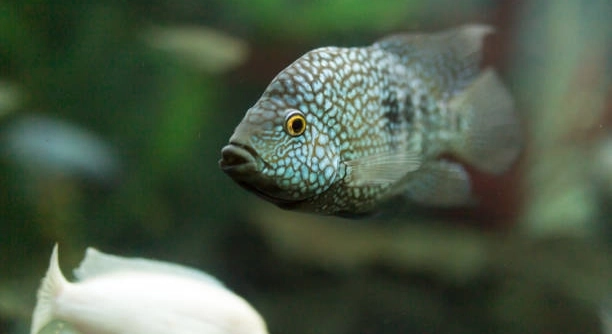
Have you recently noticed Jack Dempsey fish eating more than usual or leaving uneaten food in the tank? Overfeeding is a common concern for many aquarium enthusiasts and can quietly affect your fish’s health and water quality.
Overfeeding Jack Dempsey fish can lead to digestive issues, obesity, and deteriorating water conditions. Excess food increases waste production, encourages harmful bacterial growth, and can create an unhealthy environment, ultimately impacting the fish’s overall health and lifespan.
Monitoring feeding habits and recognizing early warning signs is essential. Learning how to adjust portions will help maintain a balanced diet and a cleaner, healthier aquarium environment for your fish.
Increased Appetite and Constant Begging
Jack Dempsey fish may start showing a noticeably higher appetite than usual. They might swim to the surface quickly during feeding or seem restless until food is offered. This behavior often appears more frequently when overfeeding is involved, as the fish associate frequent feedings with attention and reward. Over time, their digestive system may become stressed from constant eating. Owners might notice leftover food decomposing quickly in the tank, indicating portions are too large. Observing meal timing and quantity can help prevent this. Consistent monitoring allows for adjustments, ensuring the fish receive enough nutrition without excess. Behavioral changes are subtle at first but become more obvious with repeated overfeeding. Tracking these patterns gives insight into both appetite and tank conditions. Additionally, feeding smaller portions more frequently can satisfy the fish while avoiding water quality problems. By controlling portions, you reduce stress on both fish and filtration systems.
Excessive begging signals the need to reconsider feeding routines and portion sizes for long-term health.
Careful observation of meal behavior is essential. A sudden increase in appetite, combined with leftover food, highlights the risk of overfeeding. Adjusting portion size and frequency can stabilize digestion. Feeding smaller amounts throughout the day keeps fish active and prevents bloating. Over time, this method promotes healthier growth and reduces tank waste. Monitoring how Jack Dempsey fish respond to these changes also ensures their behavior remains normal. Behavioral cues are often the first indicator of dietary imbalance. Water quality can further reflect feeding issues, as decaying food can cloud the tank and increase ammonia levels. Consistent, measured feeding establishes a reliable routine, improving fish well-being.
Visible Weight Gain and Bloated Appearance
Fish that are overfed often develop a noticeable increase in body size. Their midsection may appear rounder, and their movement can slow slightly. Over time, excess fat deposits in the abdominal area make swimming more laborious, putting extra strain on fins and internal organs. A bloated appearance is often accompanied by lethargy or reluctance to explore the tank. While Jack Dempsey fish are naturally robust, disproportionate weight gain is a clear indicator of overfeeding. It is important to compare current size with previous records or images to track changes. Ensuring the fish maintain a strong but healthy body shape prevents complications like swim bladder issues. Regularly adjusting feeding portions helps maintain ideal weight. Observing the fish’s activity levels alongside physical appearance provides a full picture of health. Small adjustments in diet can prevent long-term health problems and encourage a more natural, active behavior. Tracking body changes closely is an effective preventative measure.
Even slight bloating is a signal to reduce food intake and improve tank conditions.
Monitoring weight and appearance helps identify overfeeding early. Sudden or gradual changes in girth often correlate with excessive food consumption. Maintaining appropriate portion sizes and removing uneaten food limits water contamination and supports digestion. Overfed fish may experience reduced mobility, making them prone to disease. Proper feeding routines balance nutrition and prevent obesity. Using varied diets, such as occasional live or frozen foods, ensures essential nutrients without excess calories. Observing swimming patterns and behavior offers further insight. By comparing the fish to healthy size standards, owners can make informed adjustments. Controlled feeding also encourages cleaner tank conditions, reducing algae growth and bacterial spikes. Gradual portion changes allow the fish to adapt without stress. Establishing a routine for feeding, monitoring, and adjusting portions ensures Jack Dempsey fish stay healthy, active, and free from the complications of overfeeding.
Uneaten Food and Tank Waste
Leftover food is a clear sign that Jack Dempsey fish are being overfed. Uneaten pellets or flakes sink to the bottom, decompose quickly, and affect water quality. Monitoring how much food is actually eaten helps prevent excess waste and keeps the tank cleaner.
Excess food in the tank produces ammonia and other harmful substances that stress fish and promote bacterial growth. Over time, water clarity decreases, and filtration systems must work harder. Uneaten food also encourages algae blooms, which can compete for oxygen and nutrients. Regularly removing leftover food after feeding minimizes these risks. Observing feeding behavior and adjusting portion sizes accordingly supports both fish health and overall tank stability. Consistent feeding practices maintain cleaner water and reduce the likelihood of digestive or environmental issues.
Managing tank waste involves careful portion control and routine cleaning. By feeding only what is consumed, you prevent overloading the filter and reduce maintenance time. Tracking how quickly food disappears helps determine proper serving sizes. Removing leftovers immediately improves water quality and prevents harmful buildup. Even minor adjustments in feeding habits can make a noticeable difference. Combining portion control with regular water testing ensures Jack Dempsey fish remain healthy. Tank cleanliness also enhances natural coloration and promotes active behavior. Balancing diet and environment is key to sustaining long-term health and a visually appealing aquarium.
Fading Colors and Dull Appearance
Overfed Jack Dempsey fish may lose their vibrant colors and appear dull or washed out. Excess food affects metabolism, leading to nutritional imbalances that impact skin pigmentation. Reducing portions can gradually restore natural coloration.
Color fading often coincides with other health issues caused by overfeeding. The digestive system struggles with excessive food, reducing nutrient absorption, which can cause lethargy and slower growth. Poor water quality from uneaten food further contributes to dull scales. Maintaining balanced feeding practices and regular water changes allows the fish to recover their natural colors. Including high-quality foods rich in carotenoids and vitamins enhances vibrancy. Observing changes in coloration helps track overall health and indicates when adjustments in diet or tank conditions are needed. Over time, a controlled feeding routine restores both color and energy levels.
Proper nutrition and environment directly affect a Jack Dempsey fish’s appearance. By monitoring diet, removing uneaten food, and supplementing with nutrient-rich options, you maintain bright coloration. Avoiding overfeeding prevents metabolic stress, digestive problems, and lethargy. Consistent water quality and occasional dietary variety improve pigmentation and support immune function. Observing behavior alongside appearance ensures the fish remain active and healthy. Regular feeding schedules reinforce natural eating patterns, reducing the risk of bloating and obesity. Overfed fish often show color loss first, making it a useful indicator. Small changes in diet and tank care create long-lasting improvements in both health and visual appeal.
Slow Swimming and Lethargy
Overfed Jack Dempsey fish often swim more slowly and show less interest in exploring the tank. Their energy levels drop because excess food strains digestion and metabolism. Regular observation helps identify when activity changes, signaling the need to adjust feeding routines.
Lethargy can lead to further health problems if not addressed promptly. Overeating increases the risk of obesity, making swimming more laborious and putting extra stress on internal organs. Combined with poor water quality from uneaten food, inactivity can worsen quickly. Adjusting portion sizes and ensuring a balanced diet restores energy levels. Encouraging movement with a well-arranged tank can stimulate natural behavior. Monitoring activity patterns allows timely intervention, keeping Jack Dempsey fish healthy and alert.
Digestive Issues
Overfeeding often results in digestive problems like bloating, constipation, and slow waste elimination. These issues can compromise overall health, making proper portion control essential to prevent discomfort.
Aggressive Behavior
Excessive feeding can increase territorial or aggressive tendencies in Jack Dempsey fish. Overfed fish may become irritable or compete more intensely for food.
FAQ
How often should I feed my Jack Dempsey fish?
Jack Dempsey fish should be fed once or twice a day with portions they can finish in a few minutes. Overfeeding can cause digestive problems and water quality issues. Monitoring their appetite helps determine the right frequency while maintaining a healthy tank environment.
What type of food is best for Jack Dempsey fish?
A balanced diet of high-quality pellets or flakes formulated for cichlids works well. Occasionally supplementing with frozen or live foods, such as brine shrimp or bloodworms, provides essential nutrients. Avoid giving too many treats, as excess protein can contribute to bloating and digestive issues.
How can I tell if I’m overfeeding my fish?
Signs include uneaten food, leftover pellets at the bottom of the tank, bloated bellies, faded colors, and lethargy. Observing feeding behavior and tank conditions is the easiest way to recognize overfeeding before serious health issues develop. Adjust portion sizes gradually.
What should I do if my Jack Dempsey fish is bloated?
Stop feeding for 24–48 hours to allow the digestive system to reset. Consider feeding a small portion of high-fiber foods, such as shelled peas, to help with digestion. Monitor water quality and remove uneaten food promptly to reduce stress on the fish.
Can overfeeding affect water quality?
Yes. Excess food decomposes, releasing ammonia and other harmful substances that reduce oxygen levels. Poor water quality can cause stress, illness, and increased bacterial growth. Frequent water testing and partial water changes help maintain a stable environment.
How can I prevent overfeeding?
Measure food carefully and feed only what your fish can consume in 3–5 minutes. Using smaller portions multiple times a day or reducing treats can help. Observing behavior and adjusting based on appetite ensures fish remain healthy without polluting the tank.
Do juvenile Jack Dempsey fish require different feeding than adults?
Juveniles need smaller, more frequent meals to support growth. Adults require larger but fewer portions. Overfeeding juveniles can lead to early obesity, while underfeeding slows development. Adjust portions based on size, age, and activity levels for optimal health.
Will overfeeding make my fish more aggressive?
Excess food can sometimes increase territorial disputes, especially in crowded tanks. Overfed fish may compete for leftover food, leading to more aggression. Keeping portions moderate and maintaining enough space reduces conflicts.
Can dietary supplements help my Jack Dempsey fish recover from overfeeding effects?
High-quality vitamin and mineral supplements can help restore health after digestive issues or faded coloration. Include natural sources like live or frozen foods to support nutrient absorption. Supplements should not replace portion control but can aid recovery.
Is it normal for Jack Dempsey fish to beg for food constantly?
Begging often indicates overfeeding or irregular feeding schedules. Fish learn to expect frequent meals. Reducing portions and sticking to a consistent feeding routine discourages begging while maintaining health.
How long does it take for fish to recover from overfeeding?
Recovery time depends on the severity of overfeeding and water quality. Minor cases may improve within days of portion control, while more severe bloating or lethargy can take weeks. Monitoring health, feeding, and tank conditions accelerates recovery.
Are there long-term effects of chronic overfeeding?
Chronic overfeeding can lead to obesity, liver damage, swim bladder issues, and shorter lifespan. It also stresses filtration systems and can result in poor water quality. Consistent portion control and attentive monitoring are essential for long-term well-being.
What are the best practices to maintain a healthy feeding routine?
Feed measured portions once or twice daily, remove uneaten food, vary diet with occasional live or frozen foods, and maintain regular water changes. Observing behavior and adjusting portions ensures your Jack Dempsey fish remain active, colorful, and healthy in the long term.
Can I use feeding tools to prevent overfeeding?
Yes. Tools like automatic feeders, portion scoops, or feeding rings help regulate the amount of food and reduce human error. These tools ensure consistent, controlled feeding and prevent leftover food from degrading water quality.
How important is water testing when monitoring overfeeding?
Very important. Overfeeding increases ammonia, nitrites, and nitrates, which harm fish health. Regular testing helps catch water quality issues early and indicates when feeding routines may need adjustment. Maintaining stable water parameters supports recovery and overall well-being.
Can tank size affect overfeeding problems?
Smaller tanks are more sensitive to excess food, as waste accumulates faster. Larger tanks tolerate overfeeding better, but water quality still suffers if uneaten food is left. Feeding proportionally to tank size ensures cleaner water and healthier fish.
How can I reintroduce food after fasting to treat overfeeding?
Start with small portions of high-quality pellets, gradually increasing as the fish show normal appetite. Avoid treats or protein-rich foods initially. Monitor digestion and adjust as necessary to prevent repeat bloating or lethargy.
Is it okay to feed all fish in a community tank the same amount?
No. Different species have varied dietary needs. Overfeeding one type can harm smaller or slower eaters. Adjust portions for each species, monitor feeding behavior, and remove leftovers to maintain balance and water quality.
Can overfeeding cause disease in Jack Dempsey fish?
Yes. Excess food promotes bacterial growth, parasites, and fungal infections. Obesity and poor digestion weaken immunity. Maintaining proper portions, good diet, and clean water reduces disease risks and supports long-term health.
What are the signs that overfeeding is affecting water quality?
Cloudy water, strong odors, algae blooms, and higher ammonia or nitrite readings indicate excess food. Regular cleaning, portion control, and water testing prevent these issues and protect fish health.
How do I balance nutrition and portion size effectively?
Feed high-quality foods in measured amounts, remove leftovers, and include occasional live or frozen foods. Monitor behavior, activity, and coloration. Consistency in portion size and feeding schedule ensures optimal health while preventing overfeeding-related problems.
Can overfeeding affect breeding behavior?
Yes. Overfed fish may become lethargic, reducing courtship and spawning activity. Maintaining a balanced diet and proper portioning supports normal reproductive behavior and healthier offspring.
Is fasting helpful for overfed Jack Dempsey fish?
Short fasting periods (24–48 hours) can help clear the digestive system. Follow fasting with small, controlled feedings. This approach reduces bloating, improves digestion, and supports overall health without long-term harm.
How do I educate others in my household to prevent overfeeding?
Communicate portion sizes, feeding schedules, and signs of overfeeding clearly. Label food and measure each serving. Consistency among caretakers prevents accidental overfeeding and protects fish health.
Can overfeeding affect fish coloration permanently?
Prolonged overfeeding may dull colors, but with proper diet, portion control, and water quality, coloration usually recovers over time. Nutrient-rich foods help restore vibrancy gradually.
What is the safest way to transition from overfeeding to proper feeding?
Gradually reduce portions over several days while monitoring appetite and digestion. Remove uneaten food promptly and maintain water quality. Slowly adjusting feeding prevents stress and supports recovery without sudden dietary shock.
How can I monitor my fish’s weight at home?
While exact measurement is difficult, observing body shape, belly size, and overall movement is effective. Comparing photos over time can track changes. Maintaining a healthy visual standard prevents overfeeding before it becomes serious.
Are there behavioral changes besides lethargy that indicate overfeeding?
Increased aggression, begging for food, or erratic swimming can also signal overfeeding. These behaviors, combined with physical signs, help identify issues early, allowing for quick intervention.
What role does tank maintenance play in preventing overfeeding effects?
Regular water changes, substrate cleaning, and filter maintenance reduce the negative impact of uneaten food. Clean environments support digestion, reduce stress, and complement controlled feeding practices.
How do I balance multiple Jack Dempsey fish in one tank to prevent overfeeding?
Feed smaller portions multiple times, observe who eats first, and remove leftover food. Ensuring each fish gets proper nutrition without excess prevents bloating, aggression, and water quality issues.
Can overfeeding affect other fish in a community tank?
Yes. Uneaten food decomposes, increasing ammonia and nitrites, which stress all inhabitants. Overfed dominant fish may also outcompete others for food, causing imbalances. Controlled feeding helps maintain harmony and water quality.
Are there signs that my feeding tools are helping?
Consistent portion sizes, reduced leftovers, clearer water, and healthier, more active fish indicate that feeders, scoops, or rings are effective. Monitoring results ensures proper use and prevents overfeeding.
How do I know when my Jack Dempsey fish have returned to normal after overfeeding?
Normal appetite, active swimming, healthy body shape, vibrant colors, and regular waste production indicate recovery. Stable water quality and reduced aggression also show improvement. Maintaining proper feeding practices ensures lasting health.
What mistakes commonly cause overfeeding in Jack Dempsey fish?
Offering too many treats, irregular schedules, free-feeding, or misjudging portion size are frequent mistakes. Measuring food, sticking to a routine, and observing behavior prevent overfeeding and protect fish health.
How important is tank size when addressing overfeeding?
Smaller tanks show water quality issues faster, while larger tanks tolerate minor overfeeding longer. Always feed according to tank volume and fish population to maintain stable conditions.
Can stress from overfeeding affect fish lifespan?
Yes. Chronic stress from digestive issues, poor water quality, or obesity can shorten lifespan. Controlled feeding and attentive care help Jack Dempsey fish live longer, healthier lives.
Is it better to underfeed or overfeed?
Underfeeding slightly is safer than overfeeding. Overfeeding leads to immediate health problems, while occasional slight underfeeding usually does not harm fish. Balance and careful monitoring are key.
How do I prevent overfeeding during holidays or vacations?
Automatic feeders or portioned daily servings can maintain feeding schedules. Avoid leaving extra food in the tank, as it decomposes quickly. Proper planning ensures fish remain healthy in your absence.
Can water temperature affect overfeeding issues?
Yes. Higher temperatures increase metabolism, making fish eat more and digest faster. Cooler temperatures slow digestion. Adjust feeding based on water conditions to avoid overfeeding and bloating.
Are there specific signs that a juvenile Jack Dempsey is overfed?
Juveniles may show rapid, disproportionate growth, bloating, lethargy, or faded colors. Overfeeding at this stage can affect development. Proper portioning ensures healthy growth and avoids early health complications.
How do I balance live and pellet foods?
Feed pellets as a staple, using live or frozen foods sparingly. Monitor consumption and remove leftovers. Balanced diets provide nutrients without excess calories that lead to overfeeding issues.
Is it necessary to fast weekly to prevent overfeeding?
Occasional fasting helps regulate digestion and prevent bloating. One day per week without food is sufficient for most adult Jack Dempsey fish and supports long-term health.
Can overfeeding affect breeding success?
Yes. Overfed fish may become lethargic and less likely to court or spawn. Maintaining proper portions encourages normal reproductive behavior and healthier offspring.
What adjustments should I make for a mixed-species tank?
Feed each species appropriate portions and observe behavior closely. Remove uneaten food promptly and avoid feeding dominance by larger fish. This prevents overfeeding smaller species and maintains water quality.
How can I tell if water changes are helping after overfeeding?
Clearer water, reduced ammonia, improved fish activity, and healthier coloration indicate that water changes are effectively mitigating overfeeding consequences. Regular monitoring ensures ongoing improvement.
Is portion control more important than food type?
Both matter, but portion control has a more immediate effect on preventing digestive issues, bloating, and water quality problems. Proper diet ensures nutrition, while correct portions prevent overfeeding complications.
Can I recover a severely overfed fish?
Recovery is possible with fasting, portion control, water maintenance, and nutrient-rich foods. Severe cases require close observation and patience, as full recovery may take weeks depending on severity.
How do I educate household members about proper feeding?
Show clear portion sizes, explain feeding schedules, and label food. Consistent instructions prevent accidental overfeeding and maintain a healthy tank environment for Jack Dempsey fish.
Are there warning signs before severe health problems occur?
Yes. Begging, bloating, lethargy, faded colors, leftover food, and increased aggression are early indicators. Observing these signs allows timely adjustments in feeding habits to prevent major health issues.
How often should I monitor feeding and behavior?
Daily observation during feeding and weekly visual checks for body shape, color, and activity help identify overfeeding early. Consistent monitoring ensures prompt intervention if problems arise.
What is the most important factor in preventing overfeeding?
Measuring food portions and observing fish behavior are the most effective ways. Consistency in feeding routines protects health, reduces waste, and keeps the tank environment stable.
How does overfeeding affect filtration systems?
Excess food and waste overload filters, reducing efficiency and requiring more frequent cleaning. Proper portion control prevents strain on filtration and maintains water quality.
Can I use fast-dissolving foods to prevent overfeeding?
Yes, these foods reduce leftover debris but still require portion control. Fast-dissolving foods help minimize waste buildup while supplying adequate nutrition.
How do I balance growth and feeding restrictions?
Feed enough to support normal growth without excess calories. Monitor size, activity, and body shape, adjusting portions gradually to ensure healthy development.
Are there common misconceptions about Jack Dempsey feeding?
Many assume more food equals healthier fish. Overfeeding is more harmful than occasional underfeeding, causing digestive issues, lethargy, and poor water quality. Proper portions ensure balanced nutrition and long-term health.
Can overfeeding trigger aggressive fights in community tanks?
Yes. Dominant fish may overeat and compete aggressively for food. Portioning carefully and removing leftovers reduces conflicts and ensures fair access to nutrition.
Is it better to feed smaller amounts multiple times or one large meal?
Smaller, controlled feedings multiple times a day prevent bloating, improve digestion, and reduce leftover food. One large meal increases the risk of digestive stress and water contamination.
What role does observation play in preventing overfeeding?
Observation allows detection of appetite changes, leftover food, bloating, or behavior shifts. Timely adjustments based on observation prevent health and water quality issues effectively.
Can overfeeding cause permanent organ damage?
Chronic overfeeding may stress the liver, kidneys, and swim bladder. Controlled feeding prevents long-term damage and supports overall longevity.
Are frozen and live foods riskier for overfeeding?
They are high in protein and can be easily overfed. Portion carefully and monitor consumption. They should supplement, not replace, staple pellet foods.
How do I balance multiple types of food without overfeeding?
Feed measured portions for each type, prioritize staple foods, and use treats sparingly. Track consumption to ensure fish receive nutrients without excess calories.
Is overfeeding more harmful in small tanks?
Yes. Small tanks accumulate waste faster, leading to water quality issues. Portion control and frequent cleaning are critical to prevent overfeeding problems.
Can tank decorations help reduce overfeeding stress?
Yes. Hiding places and structured territories reduce stress and prevent aggressive chasing during feeding, allowing fish to eat calmly and avoid overeating.
How important is routine in preventing overfeeding?
Feeding at the same time each day stabilizes appetite, reduces begging, and helps fish digest properly. Routine is essential for consistent health and tank balance.
What is the first step when noticing overfeeding signs?
Stop extra feedings, remove leftover food, and observe behavior. Adjust portions gradually and maintain water quality to begin recovery safely.
Can overfeeding cause blindness or eye problems?
Not directly, but poor water quality and obesity-related stress can contribute to secondary health issues affecting eyes. Maintaining portion control and clean water prevents complications.
How can I tell if a fish is stressed from overfeeding?
Signs include hiding, lethargy, clamped fins, faded colors, and erratic swimming. These behaviors indicate digestive stress or water quality issues from excess food.
Is it possible to overfeed by feeding too often even with small portions?
Yes. Frequent small meals can accumulate into excess intake. Monitor overall daily consumption to ensure it does not exceed healthy amounts.
Do overfed fish eat less of healthy foods later?
Yes. Overfed fish may ignore nutrient-rich foods, preferring excess calories. Maintaining controlled portions ensures they consume balanced diets consistently.
Can overfeeding impact fish immune systems?
Yes. Excess food stresses digestion and organs, weakening immunity. Balanced feeding supports disease resistance and overall vitality.
How do I know when to adjust feeding portions?
Leftovers, bloating, dull colors, or lethargy signal a need for smaller portions. Observing behavior and tank conditions guides proper adjustments.
Are there tools to track overfeeding effects over time?
Keeping feeding logs, photos, and notes on behavior, coloration, and tank conditions helps identify trends and make informed portion adjustments.
How quickly do overfeeding effects appear?
Some signs, like leftover food and begging, appear immediately. Physical symptoms, color fading, and lethargy develop over days or weeks depending on severity.
Can I combine fasting with reduced portions to improve recovery?
Yes. Short fasting followed by measured portions allows digestion to reset and prevents further bloating while supporting recovery gradually.
Is portion control more critical for adult or juvenile fish?
Both are important, but juveniles require precise portions to avoid early obesity while supporting proper growth. Adults need moderate portions to maintain health.
How can I tell if water changes are adequate after overfeeding?
Clear water, stable ammonia/nitrite levels, and improved fish behavior indicate that water maintenance effectively mitigates overfeeding effects.
Do overfed fish become less active permanently?
Activity usually recovers with portion control, clean water, and time. Permanent lethargy is uncommon unless overfeeding caused severe organ or swim bladder damage.
Can overfeeding affect breeding pairs differently than single fish?
Yes. Overfed pairs may become aggressive or lethargic, affecting courtship. Proper feeding ensures normal behavior and successful reproduction.
How does seasonal temperature change affect feeding needs?
Higher temperatures increase metabolism, requiring slightly more food. Cooler temperatures reduce digestion speed, necessitating smaller portions to prevent bloating.
Are commercial feeders reliable for preventing overfeeding?
Yes, if programmed correctly. They deliver consistent portions and prevent accidental overfeeding. Manual monitoring is still recommended for optimal health.
Can overfeeding lead to swim bladder issues?
Yes. Excess food can cause bloating that compresses the swim bladder, affecting buoyancy
Overfeeding Jack Dempsey fish is a common issue that can quietly affect their health and tank environment. Many owners unintentionally offer too much food, thinking it is beneficial, but this often leads to bloating, lethargy, and digestive problems. Fish that are consistently overfed may show faded colors, slower swimming, and even aggressive behaviors. It is important to observe daily feeding habits and adjust portions according to how much the fish actually consumes. Monitoring leftover food, appetite, and behavior provides a clear picture of whether portions are appropriate. Small, measured feedings are more effective than large, infrequent meals, as they reduce the risk of digestive strain and water quality problems. Proper feeding routines not only maintain the fish’s physical health but also encourage natural activity and energy levels.
Water quality is closely tied to feeding habits, and overfeeding can create long-term environmental problems. Uneaten food decomposes quickly, releasing ammonia and other harmful substances into the tank. This can lead to cloudy water, algae growth, and increased stress for the fish. Filtration systems are designed to handle normal waste, but excessive food can overload filters, requiring more frequent cleaning and maintenance. Regular partial water changes help maintain stable conditions, but controlling feeding portions is the most effective way to prevent water quality issues from occurring in the first place. Healthy water encourages proper digestion, vibrant coloration, and overall wellbeing for Jack Dempsey fish. Observing how quickly food is eaten and removing any uneaten portions is a simple habit that significantly improves the tank environment. These small steps help protect both the fish and the aquarium ecosystem.
Maintaining a consistent, balanced feeding routine is essential for long-term health and happiness of Jack Dempsey fish. Feeding the right amount, at the right times, and providing a varied diet that includes high-quality pellets, flakes, and occasional live or frozen foods ensures proper nutrition without overloading the digestive system. Behavioral cues, such as begging, bloating, or lethargy, are important indicators to watch for and respond to promptly. Recovery from overfeeding is possible with careful portion control, fasting when needed, and maintaining clean water. Following these practices helps prevent obesity, digestive problems, and aggressive tendencies while promoting vibrant colors and active swimming. By observing the fish closely and adjusting feeding habits as necessary, owners can support healthy growth and a stable aquarium environment. Consistency and attention to detail are the key factors in keeping Jack Dempsey fish healthy and maintaining a thriving tank for years to come.

Hello,
If you enjoy the content that we create, please consider saying a "Thank You!" by leaving a tip.
Every little bit helps us continue crafting quality advice that supports the health, happiness, and well-being of pets around the world, for pets of all shapes, sizes, and species.
We really appreciate the kindness and support that you show us!