
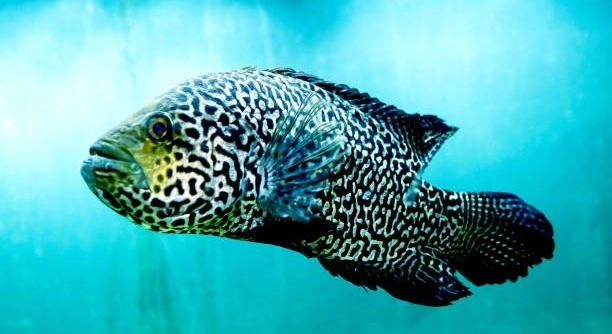
Feeding a Jack Dempsey fish can be challenging when it refuses certain foods. These vibrant fish often show strong preferences, making it important to understand their eating habits and adjust your feeding approach accordingly.
Picky Jack Dempsey fish can be encouraged to eat a variety of foods by using diverse feeding techniques. Offering live, frozen, and prepared foods, alternating feeding times, and presenting food in ways that stimulate natural hunting behaviors improves intake and nutrition.
Implementing these strategies ensures your Jack Dempsey remains healthy and active, while creating a more enjoyable and successful feeding routine for both fish and owner.
Offering Live Foods
Jack Dempsey fish respond strongly to live foods, which mimic their natural diet. Common options include small feeder fish, shrimp, and worms. Observing your fish as it hunts can help you understand its preferences and improve feeding success. Live foods also stimulate activity, keeping your fish engaged and healthy.
Introducing live foods should be done carefully. Make sure they are disease-free and appropriately sized to prevent choking or health issues.
Many owners find that their Jack Dempsey becomes more active and confident when live foods are added. Feeding should start with small amounts to avoid overfeeding. Over time, your fish may start accepting a wider variety of foods if live options are offered first. Regular rotation of live items prevents monotony and supports balanced nutrition. Always monitor water quality, as live foods can introduce waste or debris into the tank, which could affect the overall health of the fish and the aquatic environment.
Using Frozen or Prepared Foods
Frozen or prepared foods are a practical alternative for consistent nutrition. They are easy to store and reduce the risk of disease compared to live options.
Freezing or thawing correctly preserves nutrients and maintains quality. Many Jack Dempseys enjoy frozen shrimp, bloodworms, or specially formulated pellets. Feeding should be gradual to allow adaptation.
Introducing frozen or prepared foods requires patience. Some Jack Dempseys may initially reject these options, especially if they are accustomed to live prey. Start by offering small portions alongside live food to encourage exploration. Gradually, the fish may begin to recognize these foods as edible. Maintaining a balanced feeding schedule ensures that nutritional needs are met without overfeeding. Prepared foods are also beneficial for controlling diet composition, providing essential vitamins and minerals. Over time, these foods can reduce stress on both fish and owner, simplifying care while keeping the fish healthy and active. Consistent monitoring of feeding habits ensures your fish receives the proper diet for long-term vitality.
Feeding Small Portions Frequently
Feeding small amounts several times a day helps picky Jack Dempseys eat more consistently. Large portions often overwhelm them or lead to food being ignored, which can affect water quality and overall fish health.
Breaking meals into smaller portions allows your fish to consume food gradually. This method mimics natural feeding patterns, encouraging regular activity and reducing stress. Observing your Jack Dempsey during these sessions helps identify which foods it prefers at different times. Frequent feedings also make it easier to notice changes in appetite or behavior, which can indicate health issues early. Overfeeding can cause obesity and water contamination, so controlling portion size is essential. By adjusting the quantity and timing, you create a structured feeding routine that supports proper growth and maintains tank cleanliness. Small, consistent portions are especially effective for young or more selective fish, keeping them energetic and engaged.
Consistent, smaller feedings prevent leftover food from accumulating and ensure your Jack Dempsey receives proper nutrition. This routine encourages natural hunting instincts and helps the fish develop a healthier appetite over time, reducing picky eating tendencies and improving overall well-being.
Rotating Food Types
Rotating food types prevents your Jack Dempsey from becoming bored with its diet. Using a mix of live, frozen, and prepared foods ensures balanced nutrition and keeps feeding time interesting.
Changing food regularly exposes your fish to different textures and flavors. This variety stimulates appetite and prevents selective eating habits from forming. Rotating foods also allows you to monitor which options are most readily accepted and which may require additional encouragement. Consistent rotation ensures that your Jack Dempsey receives a complete diet with essential proteins, vitamins, and minerals, supporting growth, coloration, and overall health. Over time, this approach reduces feeding frustration and creates a more adaptable and less picky eater, capable of thriving on diverse food sources without compromising water quality or tank stability.
Hand-Feeding Techniques
Hand-feeding can build trust with a picky Jack Dempsey. Offering food directly encourages interaction and can make the fish more willing to try new foods.
Start with small, soft items like pieces of shrimp or bloodworms. Move slowly to avoid startling your fish.
Using Feeding Tongs
Feeding tongs allow precise placement of food near your Jack Dempsey. This method mimics natural hunting behavior and can stimulate appetite. Placing food closer to the fish encourages engagement and reduces uneaten food sinking to the bottom. Over time, your fish may start associating the tongs with feeding, making it easier to introduce different types of food. Feeding tongs are particularly useful for larger or aggressive fish, ensuring safety while maintaining control of portions. Careful observation during feeding helps you identify preferences and adjust techniques for better results. Consistent use can reduce picky tendencies and improve overall feeding efficiency.
Sinking vs. Floating Foods
Jack Dempseys may prefer food that sinks slowly. Observing your fish’s behavior helps determine which type works best.
FAQ
How often should I feed my Jack Dempsey?
Feeding frequency depends on the fish’s age and activity level. Juveniles benefit from two to three small meals daily to support growth, while adult fish usually do well with one to two feedings. Overfeeding can harm water quality and lead to obesity, so monitoring portion size is essential. Adjust the amount based on how quickly your fish finishes the food, and remove any leftovers to maintain tank cleanliness. Consistent feeding times also help the fish develop a routine and reduce stress during mealtime.
What types of live foods are best?
Small feeder fish, shrimp, and worms are effective for picky Jack Dempseys. Live foods stimulate natural hunting instincts and encourage active feeding. Always ensure the live food is healthy and free from disease to avoid introducing pathogens into your tank. Using live food sparingly alongside prepared or frozen options helps maintain balanced nutrition. Observing which live items your fish prefers allows you to tailor the feeding plan while keeping the tank clean. Variety prevents boredom and encourages more consistent eating habits.
Can my Jack Dempsey eat frozen foods?
Yes, frozen foods like bloodworms, brine shrimp, and small fish are good alternatives to live foods. Thaw them properly before feeding to maintain nutrient quality. Introducing frozen foods gradually can help picky fish accept them over time. Combining frozen foods with live or prepared items improves dietary variety. This approach ensures the fish receives essential proteins, vitamins, and minerals while reducing the risk of disease compared to live feeders. Regular observation allows you to identify preferences and adjust the diet as needed.
Are prepared pellets suitable for picky eaters?
High-quality pellets can provide complete nutrition and are easy to store. Some Jack Dempseys may initially ignore pellets, especially if accustomed to live prey. Introducing them alongside other foods encourages acceptance. Choose pellets designed for carnivorous cichlids to ensure proper nutrient balance. Offering pellets in small amounts reduces waste and maintains water quality. Over time, pellets can become a reliable dietary staple, supporting long-term health and vibrant coloration. Observing feeding behavior helps determine the ideal pellet size and frequency for your fish.
How can I encourage a picky Jack Dempsey to eat new foods?
Introducing new foods slowly and combining them with familiar favorites is effective. Placing food near the fish using feeding tongs or hand-feeding encourages exploration. Small portions prevent waste and allow observation of acceptance. Rotating food types regularly also helps reduce selective eating. Over time, patience and consistency lead to improved feeding habits and more balanced nutrition. Watching how your fish reacts to different textures and colors helps refine the feeding strategy for maximum success.
Is it important to vary food textures?
Yes, varying textures stimulates interest and mimics natural feeding. Mixing live, frozen, and prepared foods keeps your fish engaged. Soft, hard, sinking, and floating items provide sensory variety, encouraging consistent consumption. Texture differences can also strengthen jaw muscles and improve hunting instincts. Rotating textures ensures a balanced diet while reducing the risk of boredom and selective feeding. Observing your Jack Dempsey’s responses helps identify preferred textures and inform future feeding decisions.
What should I do if my Jack Dempsey refuses all foods?
A complete refusal may indicate stress, illness, or poor water quality. Check tank conditions, including temperature, pH, and cleanliness. Introduce familiar live foods to stimulate appetite, and reduce handling or tank disturbances. Persistent refusal warrants a health evaluation, possibly involving a veterinarian experienced with fish. Gradual reintroduction of food in small portions often encourages eating, while careful monitoring ensures the fish regains strength safely.
Can feeding techniques impact behavior?
Yes, feeding methods influence both activity and social interactions. Hand-feeding or using tongs can build trust, while consistent routines reduce aggression during meals. Offering a variety of foods promotes natural hunting behavior and keeps fish active. Adjusting portion sizes and types prevents competition and ensures all individuals receive adequate nutrition. Proper techniques improve overall well-being and encourage positive feeding responses over time.
How can I maintain water quality while feeding picky fish?
Removing uneaten food promptly is critical, especially with live or frozen items. Use feeding schedules and small portions to minimize waste. Regular water changes and monitoring of ammonia, nitrite, and nitrate levels prevent toxicity. Sinking or floating foods can influence how much debris collects on the substrate, so observation is key. Maintaining clean water supports fish health and encourages consistent feeding behavior.
What is the best combination of feeding methods?
A mix of live, frozen, and prepared foods with small, frequent portions works best. Hand-feeding or using tongs helps build trust and encourages exploration of new items. Rotating textures and types ensures nutritional balance while preventing boredom. Consistent observation and adjustment create a stable routine, supporting growth, coloration, and overall health for your Jack Dempsey.
Feeding a picky Jack Dempsey can feel challenging at times, but understanding their natural behaviors makes the process much easier. These fish are naturally selective, and their preferences can vary from one individual to another. By observing how they respond to different foods, you can adjust your approach to meet their needs. Incorporating a variety of live, frozen, and prepared foods ensures that they receive a balanced diet, while also keeping them interested during mealtimes. Small, frequent feedings are particularly helpful because they mimic the fish’s natural hunting patterns and reduce the risk of uneaten food affecting water quality. Over time, this approach helps build a consistent feeding routine that your Jack Dempsey will recognize and respond to positively.
Using tools like feeding tongs or hand-feeding can make a noticeable difference in how your fish approaches meals. These techniques not only encourage interaction but also help you introduce new foods gradually. Rotating food types and textures keeps feeding interesting and prevents the fish from becoming overly selective. Paying attention to portion sizes is also essential, as overfeeding can lead to health problems and water contamination. Maintaining clean water and monitoring your tank’s conditions ensures that your Jack Dempsey stays healthy and active, making feeding less stressful for both you and the fish. With patience and observation, even the pickiest fish can learn to accept a variety of foods, which supports long-term health, growth, and coloration.
Consistency and patience are key to managing picky eating habits. Establishing a feeding schedule, offering foods in different forms, and observing preferences allows you to make informed adjustments over time. Encouraging natural hunting behavior through live or carefully presented frozen foods helps the fish stay active and engaged. Prepared pellets are convenient and provide balanced nutrition, but introducing them alongside other foods can help the fish accept them more easily. By combining these strategies, you create an environment where your Jack Dempsey thrives, both physically and mentally. Understanding their needs and responding with thoughtful feeding techniques ensures that your fish remains healthy, energetic, and responsive, while also simplifying your care routine.

Hello,
If you enjoy the content that we create, please consider saying a "Thank You!" by leaving a tip.
Every little bit helps us continue crafting quality advice that supports the health, happiness, and well-being of pets around the world, for pets of all shapes, sizes, and species.
We really appreciate the kindness and support that you show us!