
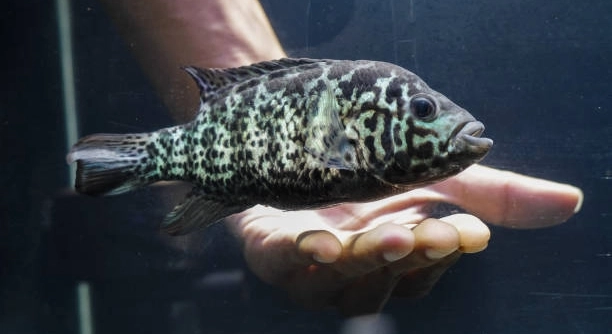
Jack Dempsey fish are known for their vibrant colors and lively personalities. After feeding, their behavior can change noticeably, showing signs of satisfaction, rest, or even territorial instincts. Observing these shifts can help you understand your fish better.
Post-feeding, Jack Dempsey fish often exhibit reduced activity and increased hiding. This behavior indicates digestion and energy conservation, which are essential for growth. Aggression may temporarily decrease, and their color may intensify slightly due to improved blood circulation and overall health.
Watching your fish after meals reveals subtle behaviors that reflect their well-being. Recognizing these patterns ensures a healthier, more balanced environment for your Jack Dempsey.
Understanding Jack Dempsey Post-Feeding Behavior
After a meal, Jack Dempsey fish often slow down significantly. Their swimming becomes more deliberate, and they may hover near the bottom or among plants. This rest period helps with digestion, allowing their bodies to process the food efficiently. You might notice them retreating to hiding spots or simply staying still in open water, conserving energy. Color changes are common; their patterns may appear brighter or more vivid as blood circulation increases. Aggression levels tend to drop temporarily since the fish are focused on digesting rather than defending territory. Feeding times can also influence social behavior in community tanks, with some individuals asserting dominance over preferred spaces or food remnants. Observing these changes can help you identify normal patterns versus signs of stress or illness. Proper feeding routines, along with a clean environment, support healthy digestion and overall behavior in your Jack Dempsey.
Post-feeding behavior is mainly calm. Reduced movement and temporary hiding are normal and indicate a healthy digestive process.
Noticing these behaviors regularly gives insight into your fish’s comfort and tank dynamics. You can adjust feeding schedules or tank setup based on how they respond, ensuring they remain healthy and active outside mealtimes. Understanding these cues makes caring for Jack Dempsey fish more predictable and satisfying.
Common Behavioral Shifts After Feeding
Jack Dempsey fish may become less aggressive for short periods, focusing on resting and digestion. This temporary calm is expected.
Immediately after eating, Jack Dempsey fish show several distinct behaviors. They often swim slower, staying close to the tank floor or hiding among decorations. This is a natural effort to conserve energy while digesting food. Some may hover near other fish without initiating confrontations, showing a temporary reduction in territorial displays. You might also observe fin clamping or subtle movements that indicate focus on digestion rather than activity. Their appetite temporarily stabilizes after feeding, and sudden bursts of energy are less common. Observing these shifts allows you to distinguish between normal post-feeding behavior and stress indicators, like erratic swimming or constant hiding. Adjusting feeding amounts and ensuring proper tank conditions can further support this natural behavior. These careful observations help maintain a balanced environment and promote long-term health for your Jack Dempsey fish, supporting both physical growth and behavioral stability.
Feeding and Energy Levels
After feeding, Jack Dempsey fish often show a noticeable drop in activity. They may hover near the bottom or rest in sheltered areas, conserving energy while their bodies focus on digesting the meal.
This slowdown is a normal part of their digestion process. Their metabolism increases internally to break down food, which requires energy, leaving less for swimming or chasing tank mates. Some fish may stay motionless for several minutes, while others move slowly among plants or rocks. Observing this behavior helps you recognize healthy digestion patterns and adjust feeding amounts if needed. Overfeeding can lead to prolonged inactivity or stress.
Energy restoration after eating allows Jack Dempsey fish to maintain strong immune systems and vibrant colors. Their behavior reflects balance between rest and alertness. Providing consistent feeding schedules and adequate tank space ensures they recover efficiently and remain active when ready. Understanding these patterns supports both their physical health and overall well-being.
Social Behavior Changes
Post-feeding, aggression among Jack Dempsey fish tends to decrease temporarily, making interactions calmer for a short period. This is a typical response after eating.
After meals, territorial disputes often lessen as fish focus on digesting rather than defending space. They may tolerate other tank mates closer than usual and show less chasing or fin displays. This period of calm is temporary and usually lasts until digestion is complete. The temporary reduction in aggression allows fish to regain strength and prepare for normal social activity. Observing these shifts can guide tank management, ensuring multiple Jack Dempsey fish coexist without stress.
Understanding social changes helps maintain a harmonious tank environment. Feeding routines and careful observation ensure conflicts remain minimal while promoting healthy interactions. Recognizing calm post-feeding periods allows for better planning of tank layout, hiding spots, and space allocation, supporting the natural behavior of Jack Dempsey fish and reducing stress-related issues over time.
Resting Spots and Hiding
After feeding, Jack Dempsey fish often seek quiet areas in the tank. Hiding among plants, rocks, or decorations helps them feel secure while digestion takes place.
These resting spots reduce stress and allow energy to be directed toward breaking down food. Choosing the right tank layout supports this natural behavior.
Color and Visual Changes
Post-feeding, Jack Dempsey fish can display more intense coloration. Increased blood flow and overall health boost their visual appearance temporarily. Observing these changes helps monitor their well-being and ensures they are responding positively to a balanced diet.
Recognizing Stress Signals
Sluggishness or prolonged hiding beyond normal digestion periods may indicate stress or health issues. Monitoring behavior closely helps prevent problems early.
FAQ
Why does my Jack Dempsey hide after eating?
Hiding after feeding is a natural behavior. Jack Dempsey fish often retreat to sheltered areas to rest and digest. This allows them to conserve energy while their metabolism processes the food. Temporary hiding is normal and does not indicate a problem unless it continues for unusually long periods.
Is it normal for Jack Dempsey to swim slowly after feeding?
Yes, reduced movement is common post-feeding. Their bodies focus energy on digestion, which decreases activity levels. Slow swimming or hovering near the bottom is a typical behavior. Providing calm areas in the tank helps them recover and reduces stress during this period.
Why does my fish’s color seem brighter after feeding?
Color intensification after meals is linked to increased blood circulation and overall health. Digesting food stimulates metabolism, temporarily enhancing pigmentation. This behavior reflects proper nutrition and a healthy digestive process, indicating that your Jack Dempsey is benefiting from the meal.
How long does post-feeding rest last?
Post-feeding rest usually lasts 20 to 60 minutes, depending on the fish and meal size. Smaller meals may result in quicker recovery, while larger meals require longer digestion. Monitoring these periods helps ensure that feeding amounts are appropriate and the fish remain healthy.
Should I be concerned if aggression decreases after feeding?
A temporary drop in aggression is normal. Jack Dempsey fish often focus on digestion rather than territorial disputes immediately after eating. This calm period is beneficial and helps maintain harmony in community tanks, allowing multiple fish to share space without stress.
What feeding schedule works best for Jack Dempsey?
Feeding once or twice daily is sufficient for most adult Jack Dempsey fish. Younger fish may need slightly more frequent feedings. Consistent schedules help regulate digestion, energy levels, and social behavior while preventing overfeeding and related health issues.
Can overfeeding affect post-feeding behavior?
Yes, overfeeding can extend rest periods and cause lethargy. Excess food can lead to digestive stress, bloating, or swim bladder issues. Monitoring portions and observing post-feeding activity ensures fish remain active and healthy while preventing long-term problems.
Why do some Jack Dempsey fish remain active after eating?
Individual differences exist. Some fish may explore or swim slowly while digesting. Factors such as personality, tank size, and environment can influence behavior. As long as energy levels return to normal within a reasonable timeframe, this activity is not a concern.
How can I support healthy post-feeding behavior?
Ensure the tank has hiding spots, stable water conditions, and proper nutrition. Balanced diets and consistent feeding routines reduce stress and promote normal post-feeding patterns. Observing behavior regularly allows for adjustments that enhance well-being and tank harmony.
When should I worry about post-feeding behavior?
If your Jack Dempsey remains excessively inactive, refuses food, or hides for hours beyond normal digestion periods, it may indicate illness or stress. Check water quality, diet, and tank conditions, and consult a specialist if symptoms persist to prevent serious health issues.
Can post-feeding behavior indicate tank problems?
Yes, unusual post-feeding patterns can signal environmental stressors. Poor water quality, overcrowding, or inadequate hiding spaces may affect digestion and activity. Consistent monitoring ensures the tank environment supports natural behavior and overall fish health.
Do Jack Dempsey fish ever overreact after eating?
Some may show temporary restlessness, fin flaring, or mild aggression over food remnants. This is typically brief and part of natural instincts. Ensuring sufficient food and space minimizes conflicts and supports calm post-feeding behavior.
How does tank setup influence post-feeding activity?
A well-structured tank with plants, rocks, and shelters allows Jack Dempsey fish to hide and rest comfortably after meals. Open areas and clean water promote proper swimming and digestion, while cluttered or stressful setups can disrupt normal post-feeding patterns.
Can observing post-feeding behavior help with long-term health?
Yes, careful observation provides insight into digestion, energy levels, and social interactions. Noticing changes early allows adjustments in diet, feeding schedules, or tank conditions to prevent stress, illness, and behavioral issues over time.
What is the best way to monitor post-feeding patterns?
Watch your fish immediately after feeding and note their activity, color, and interactions. Recording consistent patterns helps identify deviations that may indicate health concerns or environmental problems. Tracking these observations ensures your Jack Dempsey remains healthy and well-adjusted.
Jack Dempsey fish have distinct post-feeding behaviors that are easy to observe when you pay attention. After meals, they often slow down, seek shelter, or hover in calm areas of the tank. This slowdown is a natural response to digestion, as their bodies redirect energy from swimming and activity to processing the food they just consumed. Hiding among plants, rocks, or decorations provides them a sense of security while they recover. Noticing these resting spots and periods of stillness is an important part of understanding your fish’s habits and ensuring their environment supports their needs. These behaviors are normal, and recognizing them helps differentiate between healthy patterns and potential signs of stress or illness.
Color changes are another aspect of post-feeding behavior in Jack Dempsey fish. Many fish show more vivid patterns and brighter shades shortly after eating, which is linked to improved blood circulation and overall health. This temporary intensification in coloration is a positive sign, indicating proper nutrition and a healthy digestive process. Observing these visual changes can help you gauge the well-being of your fish and confirm that their diet is meeting their nutritional requirements. Alongside color changes, activity levels and social interactions also shift after feeding. Aggression often decreases temporarily, and fish tolerate others closer than usual. These shifts create a calmer tank environment and allow all fish to rest without constant territorial disputes. Paying attention to these social cues provides insight into the natural rhythm of Jack Dempsey behavior and helps maintain harmony in a shared tank.
Maintaining a consistent feeding schedule, appropriate portion sizes, and a well-structured tank supports healthy post-feeding behavior. Providing hiding spots, plants, and open areas allows fish to rest and move comfortably while ensuring proper digestion. Monitoring post-feeding behavior is also an effective way to detect early signs of health issues. Prolonged hiding, lethargy, or unusual aggression may indicate problems with water quality, diet, or stress, and adjusting conditions promptly can prevent complications. By observing your Jack Dempsey fish closely, you can better understand their natural behaviors, support their physical health, and create a balanced tank environment. These simple practices make caring for them more predictable and rewarding, ensuring that they remain active, colorful, and healthy over time.

Hello,
If you enjoy the content that we create, please consider saying a "Thank You!" by leaving a tip.
Every little bit helps us continue crafting quality advice that supports the health, happiness, and well-being of pets around the world, for pets of all shapes, sizes, and species.
We really appreciate the kindness and support that you show us!