
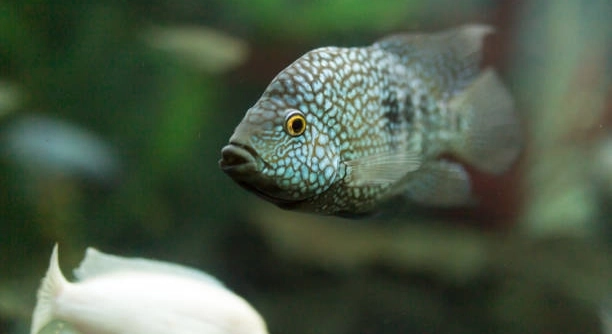
Have you ever noticed your Jack Dempsey fish shaking suddenly in the tank without any clear reason? This behavior can be worrying and confusing for fish owners who want to keep their pets healthy and happy.
Jack Dempsey fish shake without warning primarily due to stress, poor water conditions, sudden temperature changes, parasites, infections, nutritional deficiencies, or conflicts with other fish. Identifying the underlying cause is crucial to ensure their well-being and prevent further health issues.
Learning the common causes of this behavior will help you care for your fish more effectively. Each reason plays an important role in keeping your tank safe and stable.
Stress and Sudden Movements
Stress is one of the most common reasons Jack Dempsey fish shake unexpectedly. Changes in their environment, such as rearranging tank decorations or adding new fish, can make them feel threatened. Even subtle shifts in lighting or noise near the tank can trigger stress. When stressed, their bodies release hormones that affect their muscles and nervous system, causing trembling or rapid movements. Overcrowding is another factor, as these fish need enough space to establish territories and feel secure. Consistent handling or tapping on the glass can also heighten their anxiety, leading to sudden shaking. Stress can weaken the immune system, making fish more susceptible to infections and other health problems. Observing their behavior and providing a calm, stable environment can significantly reduce shaking. Simple changes like maintaining water quality, avoiding abrupt movements, and offering hiding spaces can help them regain comfort and confidence. Stress management is key to their overall well-being and reduces erratic behavior.
Reducing stress involves keeping the tank stable, avoiding sudden changes, and providing hiding spots for Jack Dempsey fish.
Maintaining a stress-free environment is not difficult but requires attention to detail. Ensure water conditions are stable, with proper filtration and regular checks for ammonia, nitrite, and nitrate levels. Avoid sudden movements around the tank and minimize loud noises nearby. Add plants, rocks, or caves to give the fish places to retreat when they feel threatened. Introduce new fish slowly and monitor interactions closely to prevent aggressive encounters. Providing a regular feeding schedule and balanced diet helps reduce stress as well. Observing your fish daily allows you to spot early signs of discomfort, including shaking, lethargy, or unusual hiding. Over time, creating this calm, consistent environment strengthens their health and prevents unnecessary stress-induced shaking. When fish feel secure and their needs are met, they display smoother, more predictable movements, and their colors often appear more vibrant. Small adjustments can make a big difference in their overall behavior and happiness.
Water Quality and Temperature Fluctuations
Poor water conditions or sudden temperature changes can make Jack Dempsey fish shake. They are sensitive to shifts and need stable, clean water.
Maintaining proper water temperature and cleanliness is critical for preventing shaking. Water should be within 74–81°F with regular filtration. Sudden drops or spikes in temperature can shock their system. Dirty water with high ammonia or nitrate levels irritates their gills and stresses their bodies, leading to trembling. Frequent partial water changes help keep conditions optimal. Using a heater with a thermostat ensures steady temperatures, while testing kits help monitor water quality. Even small changes in pH can affect their comfort and behavior. Consistent care keeps them healthy, reducing shaking episodes and promoting a calm, stable tank environment.
Parasites and Infections
Parasites and infections can cause Jack Dempsey fish to shake suddenly. These issues irritate their skin and gills, leading to erratic movements. Observing unusual spots, clamped fins, or lethargy often indicates an underlying health problem that needs attention.
Parasites like ich or flukes attach to the fish’s body, feeding on their tissues and causing discomfort. Infections from bacteria or fungi can also inflame their gills, scales, or internal organs. The shaking is a reaction to pain or irritation. Prompt treatment is essential to prevent the condition from worsening. Quarantining new fish before adding them to the main tank reduces the risk of spreading parasites. Regular observation helps detect early signs, allowing timely medication. Maintaining clean water and proper nutrition supports recovery and strengthens their immune system. Fish with untreated infections may show increased shaking, loss of appetite, and weakened appearance over time, making intervention critical.
Treating infections often involves medicated baths or antibiotics, depending on the diagnosis. Observation, clean water, and proper treatment are key. Consistent care prevents recurrence and keeps your fish healthy and active in the tank.
Nutritional Deficiencies
Nutritional deficiencies can make Jack Dempsey fish shake due to lack of essential vitamins and minerals. A poor diet affects muscle control and overall health, leading to trembling. Consistent, balanced feeding reduces this risk.
Feeding only one type of food, like flakes or pellets, can cause deficiencies in vitamins, proteins, and fatty acids. These nutrients are crucial for strong muscles, proper nerve function, and immune support. Fish with inadequate nutrition may shake, swim erratically, or lose color. Adding a variety of high-quality foods, including live, frozen, or vegetable options, ensures they receive a full spectrum of nutrients. Supplements can help when dietary sources are limited. Overfeeding should also be avoided, as it can harm water quality and cause digestive problems, indirectly increasing stress and shaking. Monitoring their eating habits helps identify issues early, allowing adjustments to prevent long-term health problems. Providing a consistent, nutrient-rich diet keeps Jack Dempsey fish active, vibrant, and less prone to shaking.
Territorial Disputes
Jack Dempsey fish are naturally territorial, and conflicts with tank mates can make them shake. Fighting or chasing triggers stress and sudden movements, especially in crowded or small tanks.
Providing enough space and hiding spots reduces aggression. Observing interactions helps prevent serious injuries and shaking caused by territorial disputes.
Poor Tank Conditions
Dirty tanks, improper filtration, or lack of oxygen can cause Jack Dempsey fish to shake. Waste buildup irritates gills and stresses the fish, leading to erratic behavior. Regular maintenance and adequate aeration are essential to prevent these issues and maintain stable water conditions.
Sudden Environmental Changes
Rapid changes in lighting, temperature, or water chemistry can shock Jack Dempsey fish. They react with shaking and unusual swimming patterns. Gradual adjustments and monitoring are necessary to avoid stress and ensure a calm, stable tank environment.
Overcrowding
Too many fish in a tank increases stress and competition for resources. Overcrowding leads to frequent shaking, aggressive behavior, and health problems. Ensuring appropriate stocking levels supports well-being and reduces erratic movements.
FAQ
Why is my Jack Dempsey fish shaking suddenly?
Shaking in Jack Dempsey fish is usually a sign of stress, poor water conditions, parasites, infections, or nutritional deficiencies. Observing their behavior closely and checking water parameters helps identify the specific cause. Addressing the issue quickly can prevent more serious health problems.
Can stress cause long-term shaking in Jack Dempsey fish?
Yes, ongoing stress can lead to frequent shaking and weaken the immune system. Overcrowding, aggressive tank mates, sudden environmental changes, and frequent handling are common stressors. Providing hiding spaces, stable water conditions, and a calm environment helps reduce stress and promotes healthier, calmer behavior over time.
How do I know if parasites are causing the shaking?
Parasites often produce visible signs like white spots, clamped fins, or unusual rubbing against decorations. Fish may also lose appetite or appear lethargic. Quarantining new fish and treating affected individuals with appropriate medication can prevent the spread and reduce shaking caused by irritation.
What are the signs of poor water quality affecting my fish?
High ammonia, nitrite, or nitrate levels can irritate gills and lead to trembling. Cloudy water, unpleasant odors, and excessive algae growth also indicate water problems. Regular testing, water changes, and proper filtration maintain stable conditions, which reduces shaking and keeps fish healthy.
Can temperature changes cause Jack Dempsey fish to shake?
Yes, these fish are sensitive to sudden temperature shifts. Water that is too cold or too warm can stress their system and cause shaking. Using a heater with a thermostat and avoiding rapid adjustments helps keep the temperature stable and prevents stress-related movements.
Could diet affect the shaking?
Nutritional deficiencies can lead to muscle weakness and erratic swimming. Feeding only flakes or a single type of food may leave out essential vitamins, proteins, and fatty acids. A varied diet including high-quality pellets, live or frozen foods, and occasional vegetables helps strengthen muscles and reduces shaking.
How can I prevent territorial disputes from causing shaking?
Jack Dempsey fish are territorial, so overcrowding increases conflict. Provide plenty of space, hiding spots, and structured territories to reduce aggression. Monitor interactions carefully and separate particularly aggressive individuals to prevent stress-induced shaking and injuries.
Is shaking always a serious health issue?
Not always. Occasional shaking can happen due to minor stress or temporary environmental changes. However, frequent or prolonged shaking is often a sign of underlying problems like poor water quality, parasites, or nutritional deficiencies. Observing overall behavior and physical condition helps determine the severity.
When should I treat my Jack Dempsey for infections?
If shaking is accompanied by redness, sores, fin rot, or clamped fins, treatment is necessary. Early intervention with appropriate antibiotics or antifungal medication improves recovery. Quarantining affected fish prevents the spread of infections and reduces stress for the rest of the tank.
How often should I monitor my tank to prevent shaking?
Daily observation is ideal. Checking water temperature, clarity, and fish behavior allows early detection of stressors, infections, or environmental issues. Weekly water tests and regular cleaning routines maintain optimal conditions, keeping Jack Dempsey fish active and minimizing shaking.
Can shaking be caused by old age?
Yes, as Jack Dempsey fish age, their muscle strength and reflexes may decline, leading to occasional trembling. While this is natural, ensuring proper nutrition and a calm environment helps maintain their health and reduces the frequency of shaking in older fish.
Does adding new fish increase shaking in existing Jack Dempseys?
Introducing new fish can cause stress and trigger shaking in established Jack Dempseys. Quarantine new arrivals, introduce them gradually, and monitor interactions closely. This approach minimizes stress, reduces aggressive encounters, and maintains a stable tank environment.
What is the best way to calm a shaking Jack Dempsey fish?
Ensure stable water conditions, maintain proper temperature, and reduce disturbances near the tank. Adding hiding spots and minimizing sudden movements helps the fish feel secure. Addressing any infections, parasites, or nutritional deficiencies also contributes to calmer behavior.
How long does it take for shaking to stop once the issue is fixed?
Once stressors, infections, parasites, or poor water conditions are addressed, shaking can improve within a few hours to several days. Consistent care, proper diet, and a calm environment help fish recover fully and regain normal, steady movements.
Can shaking affect the overall health of my Jack Dempsey fish?
Frequent shaking can indicate stress or health problems that, if left untreated, may weaken the immune system and make fish more vulnerable to disease. Addressing the root cause promptly ensures long-term health, reduces erratic behavior, and keeps fish active and vibrant.
Jack Dempsey fish are beautiful and lively, but their sudden shaking can be worrying for any tank owner. Observing this behavior is important because it often signals that something in their environment or health needs attention. Stress, poor water quality, temperature changes, parasites, infections, nutritional deficiencies, and territorial disputes are the most common reasons for shaking. By understanding these causes, it becomes easier to provide a stable and safe environment for your fish. Even small adjustments, like adding hiding spots or ensuring proper water temperature, can make a significant difference in their behavior. Shaking is usually a symptom, not the problem itself, so addressing the root cause is essential to prevent recurring issues.
Maintaining a clean and well-regulated tank is one of the most effective ways to reduce shaking. Regular water changes, testing for ammonia, nitrites, and nitrates, and keeping a consistent temperature range all contribute to a healthy tank. Feeding a balanced diet is equally important because nutritional deficiencies can weaken muscles and cause tremors. Observing your fish daily helps you notice early signs of stress, illness, or aggression before they develop into serious problems. Additionally, ensuring each fish has enough space and minimizing conflicts among tank mates reduces stress-related shaking. Taking these steps not only improves their health but also makes their movements more calm and natural, which is reassuring for anyone caring for them.
It is also important to remember that occasional shaking does not always indicate a serious problem. Sometimes, minor stress or temporary environmental changes can cause a short episode of trembling. However, frequent or prolonged shaking should never be ignored, as it can indicate infections, parasites, or other health concerns that require intervention. By being attentive, maintaining proper tank conditions, and providing a balanced diet, most causes of shaking can be effectively prevented or corrected. Consistent care ensures that your Jack Dempsey fish remain healthy, active, and vibrant. Watching your fish thrive in a stable, clean environment gives peace of mind and a sense of satisfaction as a fish owner. Over time, addressing these factors helps your tank become a calmer and safer home for all its inhabitants.

Hello,
If you enjoy the content that we create, please consider saying a "Thank You!" by leaving a tip.
Every little bit helps us continue crafting quality advice that supports the health, happiness, and well-being of pets around the world, for pets of all shapes, sizes, and species.
We really appreciate the kindness and support that you show us!