
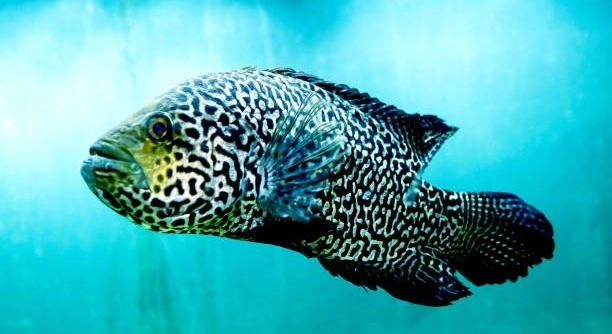
Do you ever notice your Jack Dempsey fish swimming around their tank in certain patterns or hiding spots? Observing their behavior can make you wonder how aware they are of their surroundings and their setup.
Jack Dempsey fish can recognize aspects of their tank setup, including decorations, hiding spots, and territorial boundaries. Their memory allows them to navigate familiar spaces, respond to changes, and establish comfort zones, showing a clear awareness of their environment.
Knowing how your fish interact with their tank can improve care and enrichment, helping them feel secure and more confident in their aquatic home.
How Jack Dempsey Fish Learn Their Tank Layout
When I first set up my Jack Dempsey tank, I noticed they quickly learned where each hiding spot and decoration was. These fish use visual cues and spatial memory to remember their environment. They can recognize areas with plants, rocks, or caves and adapt their movement accordingly. Over time, they become comfortable with the layout, showing less stress and more confidence while swimming. Changing the arrangement suddenly can confuse them, leading to cautious or defensive behavior. By observing how they react to small adjustments, it’s clear that Jack Dempseys rely on consistent cues to feel secure. They also mark their territories and remember boundaries, which helps reduce aggression. Knowing their recognition abilities helps in planning tank decorations and feeding routines to suit their habits. Paying attention to their responses can improve their well-being and make daily care smoother, creating a stable environment that feels natural.
Their memory of the tank layout grows stronger with repetition, making them quick to find food and familiar hiding spots.
Jack Dempseys remember spaces using both sight and routine. They associate certain areas with safety, food, and social interaction. Watching them move confidently through the tank shows how familiar they are with the setup. They notice small changes, like a shifted rock, and adjust behavior. This ability makes them adaptable but also emphasizes the importance of a stable environment. A well-arranged tank supports their natural instincts and reduces stress, allowing them to interact naturally. Over time, these fish can even anticipate feeding times based on the location of food or usual caretaker interactions.
Signs Your Jack Dempsey Recognizes Their Tank
One way to tell if your Jack Dempsey recognizes their tank is by observing their routine behaviors.
These fish show clear signs of spatial awareness. For instance, they often swim directly to favorite hiding spots or areas where they expect food. Territorial behaviors also indicate recognition, as they patrol known boundaries instead of exploring randomly. Changes in decorations or structure usually draw attention and cautious exploration, showing that they remember the previous layout. Even their social interactions with tank mates depend on familiarity with the environment. A Jack Dempsey that navigates confidently demonstrates that it remembers both safe zones and areas to avoid. Providing consistent features helps reinforce this recognition. Over time, the fish builds a mental map of the tank, linking visual cues to actions and routines. Observing these patterns can guide how you introduce new decorations, rearrange the tank, or manage feeding, ensuring that changes do not cause unnecessary stress. By paying attention, you can create a comfortable space that supports natural behaviors.
How Tank Changes Affect Recognition
Small changes in the tank can confuse Jack Dempsey fish. Moving rocks, plants, or decorations may make them cautious. They rely on familiar cues to feel secure and notice when something is different. Even slight rearrangements can disrupt their established routines and territory.
When I adjusted the plants in my tank, I noticed my Jack Dempseys hesitated before entering certain areas. They swam slowly, inspecting corners and new spaces carefully. This shows their reliance on visual memory and familiarity. A sudden change can increase stress, causing them to hide more or act defensively. Reintroducing familiar items gradually helps them adapt without triggering fear or aggression. Consistency in layout supports their natural instincts and makes their behavior predictable. Observing their reaction to changes can help decide how to rearrange decorations while maintaining comfort.
Jack Dempseys can eventually adapt to new setups if changes are introduced gradually. They explore cautiously, marking new boundaries while relying on their memory of safe zones. Over time, they incorporate new elements into their routine, reducing stress and maintaining confidence. Watching them adjust highlights their ability to learn and remember their environment, making care decisions easier. Regular observation allows for a balance between enrichment and stability, helping them feel secure while preventing behavioral problems. Gradual changes combined with familiar cues help them retain a sense of territory and control.
Feeding and Recognition Patterns
Jack Dempseys quickly associate certain areas with feeding. They learn where and when food is provided, often returning to those spots reliably. Their memory guides daily feeding routines.
Over time, they develop predictable patterns during feeding. My fish swim directly to specific zones when I approach with food. They recognize the placement of decorations, using them as landmarks to navigate efficiently. Feeding times become linked to both location and routine, showing their cognitive abilities. A consistent feeding area reduces stress and encourages natural hunting behaviors. Changes in food location can temporarily confuse them, highlighting their reliance on learned spatial cues. These patterns show the importance of stability in tank organization, which supports their health and confidence while interacting with their environment.
Jack Dempseys also use these patterns to interact socially during feeding. Dominant fish often claim preferred zones, while others adjust positions based on memory of safe spots. Recognizing feeding patterns helps maintain harmony among tank mates. They can anticipate movements of both humans and other fish, demonstrating advanced awareness. Using consistent cues allows smoother interactions, reduces conflict, and encourages natural foraging behavior. Observing how they respond to different food placements provides insight into their memory and adaptability, guiding better tank management. Consistency in feeding supports their well-being and reinforces their recognition of the environment.
Environmental Enrichment and Memory
Adding plants, rocks, and hiding spots helps Jack Dempsey fish remember their tank layout. They explore and learn new areas, which keeps them engaged. Enrichment also provides safe zones, reducing stress and encouraging natural behavior patterns.
Regular rearrangement of non-essential items can stimulate their memory. Observing how they respond shows their learning ability. Gradual changes prevent confusion, helping them adapt while still recognizing familiar spaces. Enrichment supports mental activity, making them more confident and interactive within their environment.
Recognizing Tank Mates
Jack Dempseys can remember other fish in the tank. They notice movement patterns, size, and territory preferences. Familiar fish reduce stress and aggression, creating a more stable environment.
Stress Signals and Awareness
When Jack Dempseys feel uneasy, they hide, swim erratically, or flare fins. These behaviors indicate awareness of discomfort or unfamiliar changes in their environment. Recognizing these signals helps manage tank conditions and maintain their well-being.
Consistent Lighting and Routine
Consistent lighting helps fish track day and night cycles. Sudden changes can confuse them, affecting activity and feeding patterns. Maintaining a stable routine supports recognition of tank layout and comfort in their surroundings.
How long does it take for Jack Dempsey fish to recognize their tank?
Jack Dempsey fish usually start recognizing their tank layout within a few days to a week. They remember hiding spots, decorations, and boundaries quickly, especially if the setup stays consistent. Gradual changes can slow recognition, but familiar visual cues help them feel secure. Watching their movement patterns shows how they learn, as they begin moving confidently through the tank rather than exploring cautiously. Regular observation can help gauge how comfortable they are and which areas they consider safe.
Can Jack Dempseys adapt to a new tank layout?
Yes, Jack Dempsey fish can adapt to a new layout, but it takes time. Sudden rearrangements may cause stress or defensive behavior, such as hiding or flaring. Introducing new elements slowly allows them to explore and learn without overwhelming them. Keeping familiar objects in place, like their favorite cave or plant, helps them maintain a sense of security. Over time, they integrate new structures into their mental map of the tank, reducing anxiety and restoring normal routines. Gradual adaptation is key to maintaining confidence and territorial balance.
Do Jack Dempseys recognize their tank mates?
Jack Dempseys can remember other fish in the tank. They notice size, movement patterns, and territorial behavior. Familiar fish reduce conflict and stress, while new or aggressive tank mates may trigger defensive responses. Observing interactions during feeding or territorial patrols can indicate which fish they recognize. Over time, they learn who is dominant and who poses little threat. This memory helps maintain harmony, as they adjust behavior based on experience rather than reacting randomly. Social memory is especially important in community or semi-aggressive tanks.
How does feeding location affect recognition?
Feeding locations are closely linked to Jack Dempseys’ memory. They associate certain areas with food and often return directly to these spots when feeding time comes. Changing the feeding location suddenly can confuse them and temporarily disrupt their routine. Using a consistent area reinforces recognition and reduces stress. They also remember which spots are safer when dominant tank mates are present, helping maintain order during feeding times. Observing how they navigate to the feeding area provides insight into their spatial memory and awareness.
Do Jack Dempseys remember hiding spots?
Yes, Jack Dempseys quickly remember hiding spots. They use caves, plants, and decorations as safe zones, especially during stress or aggressive encounters. Consistent placement allows them to navigate confidently and reduces defensive behavior. Moving hiding spots too often can cause confusion and anxiety. Over time, these fish learn to incorporate new hiding places if introduced gradually, balancing curiosity and security. Familiar shelters are essential for promoting natural behavior, helping them feel protected, and supporting overall well-being.
Can environmental enrichment improve recognition?
Environmental enrichment strengthens recognition and memory. Adding plants, rocks, and decorations encourages exploration and helps fish learn their surroundings. Gradual rearrangement of non-essential items keeps them mentally active without causing stress. Enrichment provides safe zones and landmarks that reinforce spatial memory. Jack Dempseys respond to these changes by moving confidently and interacting naturally with the tank. Regularly updating enrichment in a controlled manner keeps them engaged, reduces boredom, and supports both mental and physical health.
What are signs that a Jack Dempsey is confused by the tank?
Signs of confusion include erratic swimming, frequent hiding, flaring fins, and reluctance to explore areas that were previously familiar. These behaviors often appear after sudden changes in tank layout, new tank mates, or inconsistent feeding routines. Recognizing these signs allows for adjustments, such as returning familiar objects or providing more gradual changes, helping them regain confidence. Paying attention to subtle behavioral changes can prevent prolonged stress and maintain a stable, comfortable environment.
Does lighting affect tank recognition?
Yes, consistent lighting helps Jack Dempseys maintain awareness of their tank. Sudden changes in light or inconsistent day-night cycles can disrupt routines, making navigation and feeding more challenging. Stable lighting supports memory, behavior patterns, and overall well-being. Gradual adjustments in brightness or timing help them adapt without confusion, maintaining recognition of their environment.
Jack Dempsey fish are fascinating creatures with strong memory and recognition abilities. Observing their behavior over time shows how they interact with their tank and surroundings. They quickly learn where hiding spots, decorations, and favorite swimming areas are. This recognition helps them feel secure and reduces stress, allowing them to act naturally in their environment. Maintaining a consistent layout is important because sudden changes can confuse them and cause defensive or cautious behavior. Even small adjustments, like moving a plant or rock, can temporarily affect how they navigate the tank. Understanding their ability to remember their surroundings makes it easier to plan the tank setup in a way that supports their comfort and well-being.
Consistency in feeding, lighting, and enrichment plays a major role in helping Jack Dempseys recognize and adapt to their tank. They associate certain areas with food, safe hiding spots, and social interactions with other fish. Providing a stable routine and gradually introducing changes helps them adapt without stress. Enrichment, like adding plants, rocks, or decorations, encourages exploration and mental stimulation. Slowly rearranging non-essential items can even strengthen their memory and awareness, as they learn new landmarks while retaining familiar ones. Watching how they respond to these changes provides insight into their cognitive abilities and overall mood. Regular observation helps ensure that the tank environment remains comfortable and secure, supporting natural behaviors like foraging, patrolling territory, and interacting with other fish.
Creating a tank environment that promotes recognition and confidence is beneficial for both the fish and the caretaker. Paying attention to their behavior allows for adjustments that reduce stress and aggression. Jack Dempseys thrive when they can rely on familiar cues while also having opportunities for safe exploration. Stable lighting, consistent feeding, and thoughtfully placed decorations all contribute to their ability to navigate the tank confidently. Gradual changes, paired with enrichment, encourage mental engagement without causing unnecessary anxiety. By respecting their natural tendencies and memory skills, it is possible to maintain a healthy, balanced environment where Jack Dempseys feel secure, active, and comfortable. This approach makes care more straightforward and ensures that the fish can exhibit their natural behaviors, making them more engaging and enjoyable to observe.

Hello,
If you enjoy the content that we create, please consider saying a "Thank You!" by leaving a tip.
Every little bit helps us continue crafting quality advice that supports the health, happiness, and well-being of pets around the world, for pets of all shapes, sizes, and species.
We really appreciate the kindness and support that you show us!