
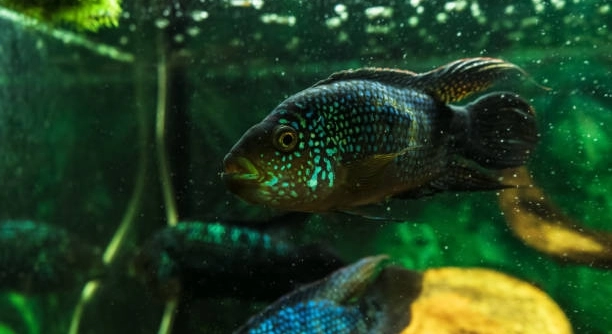
Have you ever set up a new tank for your Jack Dempsey fish and noticed it swimming around aimlessly? These fish are known for their bright colors and strong personalities, making them popular among fish enthusiasts everywhere.
Jack Dempsey fish can become bored or stressed in bare tanks due to the lack of hiding places, plants, and structures. Enriched environments encourage natural behaviors, improve mental stimulation, and support their overall health and well-being.
Even small changes to the tank can make a big difference. Adding decorations or plants can help your fish feel more comfortable and active.
How Bare Tanks Affect Jack Dempsey Behavior
When Jack Dempsey fish are kept in bare tanks, their behavior can change noticeably. Without hiding spots or objects to explore, they may become restless, swim in circles, or spend long periods in one corner. These fish are naturally curious and territorial, and a bare tank does not provide enough mental stimulation. Over time, boredom can lead to stress, which affects their immune system and overall health. Providing decorations, rocks, or plants gives them places to explore and claim as their territory, which helps reduce aggression and promotes natural behaviors. Even small additions, like a few stones or artificial plants, can create a more dynamic environment. Fish may also feel more secure when they have shelter to retreat to, reducing the chances of stress-related behaviors such as hiding excessively or overreacting to movements outside the tank. Overall, a bare tank limits the mental and physical engagement these fish need daily.
Adding even minimal decorations can keep Jack Dempsey fish more active and healthy. Small changes make a big difference in behavior and stress levels.
Fish that are provided with proper tank enrichment tend to explore more, interact with their environment, and display brighter colors. They are less likely to become aggressive toward tank mates and show reduced stress signs. Regularly changing or rearranging decorations can keep their environment engaging. Rocks, caves, and sturdy plants create hiding spots, which are essential for juveniles and adults alike. Observing your fish with new objects often shows curiosity and increased activity. A stimulating tank mimics their natural habitat, promoting both mental and physical health. Without these elements, even strong, healthy fish can become lethargic or aggressive. Planning your tank layout carefully and including a mix of open space and covered areas ensures they have room to swim and places to hide. Maintaining this balance encourages a natural, comfortable environment that supports long-term well-being and reduces stress-related behaviors. Proper care includes monitoring fish responses and adjusting the tank as needed to keep them engaged and healthy.
Simple Ways to Improve Bare Tanks
Even small additions can transform a plain tank into a livelier space for Jack Dempsey fish. Rocks, driftwood, or plants can make a noticeable difference quickly.
Adding hiding spots and objects encourages natural exploration and reduces stress. Plants, caves, or rocks help fish feel secure and promote active, healthy behaviors. Over time, even minor enrichment can improve their mood and physical condition. Regularly adjusting the layout or introducing new structures keeps the tank engaging. Fish respond positively to variety, showing more natural behaviors like territorial displays, foraging, and exploring. Observing their reactions can help identify which elements they prefer, allowing the tank to evolve according to their needs. Simple maintenance, like cleaning around decorations and rearranging them occasionally, ensures both the tank and the fish remain healthy. Creating a stimulating environment is not only about aesthetics but about supporting the fish’s mental and physical health. Enriched tanks lead to stronger, more vibrant, and more active Jack Dempsey fish that thrive over time.
Signs of Boredom in Jack Dempsey Fish
Restlessness and repeated swimming in circles are common signs of boredom in Jack Dempsey fish. They may also spend long periods hiding or ignoring their surroundings, showing decreased interest in food or interaction.
Bored or unstimulated Jack Dempsey fish often lose their vibrant colors and appear lethargic. Without objects to explore or places to hide, they may focus on one corner of the tank, exhibiting repetitive behaviors. Aggression toward tank mates can increase as they try to create stimulation through dominance. Observing changes in appetite or activity levels can indicate boredom or stress. Introducing decorations or rearranging the tank often improves their behavior, encouraging exploration and reducing aggression. Even minor environmental changes can lead to noticeable improvements in their mood and activity.
Monitoring your fish daily helps identify early signs of stress caused by boredom. Providing consistent, varied enrichment keeps them active, healthy, and engaged.
Best Tank Enrichment Ideas
Rocks, caves, and sturdy plants give Jack Dempsey fish places to hide and explore, reducing stress and encouraging natural behaviors.
Adding driftwood, rocks, and artificial or live plants creates a dynamic environment that encourages swimming and exploring. Caves and overhangs give them places to claim as territory, which helps reduce aggression and provides security. Floating plants can diffuse light and create shaded areas, making fish feel safer. Rearranging decorations periodically keeps the tank interesting and prevents monotony. Small changes like adding stones or hiding spots stimulate their curiosity, keeping them more active. A balance of open swimming areas and structured hiding spaces is key. This approach ensures Jack Dempsey fish have both freedom and shelter. Enriched tanks promote better health, brighter colors, and more natural behaviors. Regular observation lets you adjust the layout to meet their changing needs over time.
Tank Size and Space
A small or overcrowded tank can make Jack Dempsey fish feel confined. Limited swimming space increases stress and reduces activity, making boredom more likely. Proper tank size is essential for their physical and mental well-being.
Providing at least a 55-gallon tank for a single adult helps ensure enough room to swim and explore. More space reduces aggression and allows for proper placement of decorations, hiding spots, and plants. A larger tank also maintains better water quality, which impacts fish health and activity levels. Jack Dempsey fish thrive when they have both open areas to swim freely and sheltered spots to claim as territory, balancing exploration and security. Adequate space encourages natural behaviors, prevents repetitive swimming patterns, and keeps the fish more engaged with their environment. Planning the tank layout with enough room for movement is key to reducing stress and maintaining active, healthy fish.
Water Conditions
Stable water temperature, pH, and cleanliness are crucial for Jack Dempsey fish. Poor water conditions increase stress and reduce activity, contributing to boredom.
Interaction and Observation
Jack Dempsey fish respond to movement outside the tank and human presence. Watching and interacting subtly encourages activity and mental engagement.
FAQ
Do Jack Dempsey fish really get bored in bare tanks?
Yes, they can. Jack Dempsey fish are naturally curious and territorial. A bare tank offers little stimulation, which can lead to repetitive swimming, hiding excessively, or aggression. Adding decorations, plants, or rocks gives them places to explore, claim as territory, and interact with, reducing stress.
What are the best decorations for Jack Dempsey tanks?
Sturdy rocks, caves, driftwood, and artificial or live plants are ideal. Caves provide hiding spots, while rocks and plants create a more dynamic environment. Avoid fragile decorations that may break or hurt the fish. Rearranging items occasionally keeps the tank interesting.
Can small tanks cause boredom?
Yes, limited space increases stress and reduces exploration. Jack Dempsey fish need at least a 55-gallon tank for one adult. More space allows proper placement of decorations and encourages natural behaviors, including swimming, exploring, and claiming territory.
How do I know if my fish is bored?
Signs include swimming in circles, hiding constantly, ignoring food, or showing aggressive behavior toward tank mates. Dull colors and lethargy are also indicators. Regular observation helps detect these behaviors early so changes can be made to improve their environment.
Will adding plants help prevent boredom?
Yes. Both live and artificial plants provide hiding spots and visual interest. Floating plants create shaded areas, which give fish a sense of security. Dense planting encourages exploration and reduces stress, promoting more active and natural behavior.
Do Jack Dempsey fish need interaction?
They respond to human presence and movement outside the tank. Subtle interaction, like slowly approaching or moving near the tank, can stimulate curiosity and activity. This kind of engagement helps them stay alert and mentally active.
Can rearranging decorations make a difference?
Absolutely. Periodically moving rocks, caves, or plants creates a new environment for the fish to explore. This prevents monotony and keeps them active. Even small changes, like adding a stone or shifting a plant, can improve mental stimulation.
Is water quality linked to boredom?
Yes. Poor water conditions increase stress and reduce activity. Maintaining stable temperature, proper pH, and clean water is crucial. Fish are more likely to explore and interact when their environment is healthy and comfortable.
Do Jack Dempsey fish prefer open space or hiding spots?
They need a balance of both. Open areas allow swimming and exercise, while hiding spots give security and reduce stress. A tank with both elements encourages natural behavior, prevents aggression, and keeps the fish engaged.
How often should I update the tank environment?
Regularly, but not too frequently. Minor adjustments every few weeks, like moving plants or adding new stones, keep the tank interesting. Frequent changes can stress fish, so it’s best to maintain familiar areas while introducing small new elements gradually.
Can boredom affect health?
Yes. Boredom can lead to stress, which weakens the immune system, makes fish more susceptible to disease, and can reduce lifespan. An enriched, stimulating environment promotes both mental and physical health, keeping Jack Dempsey fish active, colorful, and strong.
Are all Jack Dempsey fish equally affected by bare tanks?
Individual behavior can vary. Some fish may tolerate minimal decorations, while others show stress quickly. Observing each fish’s activity, color, and interactions helps determine how much enrichment they need. Tailoring the tank to your fish’s needs ensures the best well-being.
Can adding hiding spots reduce aggression?
Yes. Caves, rocks, and plants allow fish to claim territories without conflict. This reduces dominance-related aggression and keeps multiple fish calmer. Providing enough shelters for each fish is important in community tanks.
Do juvenile fish need the same enrichment as adults?
Yes. Young Jack Dempsey fish also benefit from hiding spots, plants, and structures. Early exposure to a stimulating environment encourages natural behaviors as they grow, making them less prone to stress and boredom later.
How long does it take for fish to adjust to a new enriched tank?
It usually takes a few days to a week. Fish explore new hiding spots and decorations gradually. During this time, they may test territories, swim more actively, and show curiosity. Observing their responses helps you fine-tune the setup for comfort and engagement.
Can multiple fish share the same enrichment?
Yes. Decorations, caves, and plants can be shared if the tank is large enough. Adequate hiding spots reduce conflict and allow each fish space to explore. Overcrowding should be avoided to maintain mental and physical health for all fish.
Do bare tanks affect breeding behavior?
Yes. Lack of hiding spots and structures can make Jack Dempsey fish less likely to engage in breeding. Providing caves, plants, or stones creates safe spaces for spawning and helps encourage natural reproductive behaviors.
Are there alternatives to live plants for enrichment?
Yes. Artificial plants, rocks, and PVC caves are effective substitutes. They provide hiding spots and visual interest without the maintenance of live plants. Many fish respond similarly to artificial setups as long as they feel secure and stimulated.
How important is variety in tank enrichment?
Variety is essential. Different textures, shapes, and hiding spaces keep fish curious and active. Repetition can lead to boredom, so combining rocks, caves, and plants with occasional rearrangements ensures mental stimulation and promotes natural behaviors consistently.
Can enrichment reduce disease risk?
Indirectly, yes. Stimulated, less stressed fish have stronger immune systems and better overall health. Stress from boredom can make fish more susceptible to illness, so maintaining an engaging environment supports both physical and mental well-being.
How can I monitor if my enrichment is effective?
Watch for increased activity, exploration, and interaction with the environment. Brighter colors, reduced aggression, and curiosity toward decorations indicate positive responses. Adjustments can be made if fish remain lethargic or show stress behaviors, ensuring the tank remains engaging and healthy.
Do Jack Dempsey fish enjoy rearranged rocks or caves?
Yes, most respond positively to minor changes. Rearranging objects creates new areas to explore, keeping the fish mentally stimulated. Sudden large changes should be avoided, but gentle adjustments provide enrichment without causing stress.
How many hiding spots should I provide per fish?
At least one per fish, ideally more in tanks with multiple occupants. This prevents competition for territory, reduces stress, and allows each fish to feel secure. A combination of caves, plants, and rocks works best.
Is enrichment more important than tank size?
Both matter. Even a large tank can cause boredom if empty, while a smaller but enriched tank may keep fish engaged. Ideally, provide sufficient space and plenty of objects to explore for optimal mental and physical health.
Can Jack Dempsey fish adapt to a bare tank?
Some can tolerate it for short periods, but long-term bare tanks increase stress, aggression, and lethargy. Enrichment supports healthier behavior, encourages exploration, and improves overall quality of life for these fish.
How often should decorations be cleaned?
Regularly, every few weeks or when algae or debris build up. Cleaning prevents water quality issues and keeps the environment safe. Remove decorations carefully to avoid stressing the fish, and rinse them with tank water rather than chemicals.
Do fish prefer certain types of hiding spots?
It depends on individual fish. Some prefer caves, others plants or overhangs. Observing their behavior helps determine preferences. Providing a mix ensures all fish have options to feel safe and explore naturally.
Can enrichment replace tank mates for social interaction?
Partially. Objects and structures stimulate exploration and reduce boredom, but Jack Dempsey fish are territorial and interact differently with tank mates. Both enrichment and appropriate companions improve mental stimulation and overall well-being.
Are there risks to too much enrichment?
Yes. Overcrowding a tank with decorations can reduce swimming space and create stress. A balance of open areas and hiding spots is essential. Monitor fish behavior to ensure they feel secure and have enough room to move freely.
What is the easiest way to start enriching a bare tank?
Add a few sturdy rocks, a cave, and a couple of plants. Observe how your fish respond, then adjust gradually. Even simple changes can improve activity, reduce stress, and keep Jack Dempsey fish healthier and happier.
Can enrichment prevent aggressive behavior?
Yes, it reduces boredom and territorial stress. Multiple hiding spots, structured areas, and sufficient swimming space allow fish to establish territories calmly, minimizing fights and stress-related behaviors.
How does enrichment affect color and health?
Engaged and stimulated fish display brighter colors and more natural behavior. Reduced stress strengthens their immune system, making them more resilient and maintaining physical health. Mental stimulation is directly linked to overall vitality.
Do all types of Jack Dempsey fish respond the same way?
Responses vary. Individual temperament, age, and previous experiences affect how a fish interacts with enrichment. Tailoring decorations and hiding spots to the fish’s behavior ensures optimal engagement and reduces stress effectively.
Can enrichment help when introducing new fish?
Yes. Providing multiple hiding spots and structured areas reduces initial aggression. New fish can explore and claim territory without constant confrontation, making introductions smoother and lowering stress for all tank inhabitants.
Is there a limit to how many decorations a tank should have?
Yes. Too many objects can clutter the tank and reduce swimming space. Maintain a balance between open areas for movement and sufficient structures for hiding and exploration. Observing fish behavior ensures the setup works well.
How long do Jack Dempsey fish remember tank layouts?
They can remember structures for several weeks. Familiar hiding spots reduce stress, while periodic rearrangement maintains curiosity and activity. Gradual changes prevent disorientation while encouraging exploration and engagement.
Can enrichment affect feeding behavior?
Yes. Stimulated fish are more active and may show improved appetite. Hiding spots and objects can also encourage natural foraging behavior, making feeding time more engaging and mentally beneficial.
Do juvenile and adult fish need different enrichment?
Juveniles need similar types of hiding spots but may require smaller caves or more open space for swimming. Adults benefit from larger structures and territory options. Both stages require stimulation for healthy growth and behavior.
Does tank location matter for enrichment?
Yes. Tanks in low-traffic areas reduce stress, while subtle movement outside the tank can stimulate curiosity. Avoid direct sunlight or loud vibrations, which can interfere with natural behaviors and reduce the benefits of enrichment.
Can enrichment extend the lifespan of Jack Dempsey fish?
Indirectly, yes. Reduced stress, increased activity, and improved mental stimulation contribute to stronger immunity and healthier behavior. Engaged, unstressed fish tend to live longer, maintain brighter colors, and display natural behaviors consistently.
How do I know if my enrichment setup is successful?
Fish show curiosity, explore structures, and display normal territorial behavior. Colors appear brighter, aggression decreases, and activity levels rise. Observing these positive changes indicates that your tank provides effective mental and physical stimulation.
Can enrichment change over time?
Yes. As fish grow or new individuals are added, the environment may need adjustments. Adding or rearranging objects keeps the tank interesting and ensures all fish remain active, healthy, and comfortable.
What should I avoid when enriching a tank?
Avoid sharp, breakable, or toxic objects. Overcrowding reduces swimming space and increases stress. Introduce changes gradually to prevent disorientation and allow fish to adapt to new hiding spots or decorations.
Is enrichment a one-time task?
No. Maintaining an engaging environment requires ongoing observation and occasional adjustments. Fish needs can change with age, tank composition, or health, so periodic updates ensure their long-term well-being and activity.
Can enrichment reduce stress during water changes?
Yes. Familiar hiding spots help fish feel secure while cleaning or adjusting the tank. Providing areas to retreat reduces anxiety and makes routine maintenance less stressful for Jack Dempsey fish.
Are there simple enrichment options for small budgets?
Yes. Stones, PVC pipes, or artificial plants are affordable and effective. Even minimal additions improve activity and reduce boredom. Gradual updates keep costs low while maintaining a stimulating environment.
Do Jack Dempsey fish prefer natural or artificial materials?
Both work, as long as they are safe. Some may explore artificial plants or PVC caves more than live plants initially. Variety and structure are more important than the material itself.
Can enrichment influence breeding success?
Yes. Caves, rocks, and plants create safe spaces for spawning and reduce stress. A stimulating environment encourages natural reproductive behaviors, increasing the likelihood of successful breeding in captivity.
How much time should I spend observing fish for enrichment purposes?
A few minutes daily is sufficient. Watching behavior, interaction with decorations, and activity levels helps identify stress, boredom, or preferences. Observations guide adjustments to maintain a healthy, stimulating tank environment.
Does lighting affect enrichment?
Yes. Proper lighting enhances colors and supports plant growth while creating shaded areas for security. Avoid harsh or direct light that stresses fish. Balanced lighting contributes to a more engaging and comfortable habitat.
Can enrichment be combined with other care routines?
Absolutely. Incorporating decorations, plants, and hiding spots during tank setup or water changes integrates enrichment into regular maintenance. This ensures fish remain active, healthy, and comfortable consistently.
Are there long-term benefits of enrichment?
Yes. Fish stay more active, maintain vibrant colors, display natural behaviors, and have lower stress levels. Enrichment supports mental and physical health, improves longevity, and creates a visually appealing tank environment.
Can enrichment help with aggressive tank mates?
Yes. Adequate hiding spots and territory markers reduce conflict. Fish can claim spaces without constant fighting, improving harmony among Jack Dempsey fish and other species in the tank.
Does enrichment influence fish personality?
It can. Stimulated fish often appear more confident and active, while bare tanks may lead to lethargy or aggression. A well-structured environment allows fish to express natural behaviors safely and consistently.
How do I balance open space and hiding spots?
Provide enough room for swimming and exploration while including multiple caves, plants, and structures for security. Observing fish behavior ensures the layout supports both activity and stress reduction.
Is enrichment necessary for single fish?
Yes. Even alone, Jack Dempsey fish benefit from structures to explore and hide behind. Mental stimulation improves health, reduces stress, and encourages natural behaviors, keeping the fish active and engaged.
Do Jack Dempsey fish interact with decorations naturally?
Yes. They explore caves, swim around rocks, and investigate plants. This interaction provides mental stimulation, reduces stress, and encourages natural behaviors like territorial displays, foraging, and hiding.
Can enrichment replace feeding stimulation?
Partially. While toys and hiding spots engage fish, feeding remains essential. Combining enrichment with varied feeding routines encourages natural foraging and keeps fish active both mentally and physically.
Are there seasonal considerations for enrichment?
Yes. Adjusting lighting, water temperature, or decoration density may be necessary during seasonal changes. Ensuring the tank remains stimulating and comfortable throughout the year supports fish well-being consistently.
How often should I reassess enrichment needs?
Every few weeks or when fish behavior changes. Growth, health, or new tankmates may require adjustments. Periodic reassessment ensures the tank continues to meet the mental and physical needs of Jack Dempsey fish.
Do Jack Dempsey fish prefer vertical or horizontal hiding spaces?
A mix of both is ideal. Caves and tall plants offer vertical refuge, while rocks and flat structures provide horizontal cover. This variety encourages exploration and supports natural behaviors, giving fish multiple options for security.
Can enrichment affect social hierarchy?
Yes. Providing enough hiding spots and territories reduces dominance struggles and aggression. Fish can establish boundaries safely, promoting calmer interactions and less stress among tank inhabitants.
Is enrichment more effective than changing tankmates?
It complements tankmate adjustments. While compatible fish reduce conflict, enrichment keeps all fish active and mentally stimulated. Both approaches together create a healthier, more balanced environment.
Can enrichment help stressed fish recover?
Yes. Hiding spots, plants, and objects create secure areas, encouraging activity and exploration. Reducing stress through enrichment supports immunity and overall recovery, improving health outcomes for Jack Dempsey fish.
Does enrichment affect feeding hierarchy?
Indirectly. Structured areas reduce competition by allowing subordinate fish to retreat while eating. This lowers stress and encourages more natural, relaxed feeding behaviors, especially in community tanks.
Can enrichment prevent tank-related injuries?
Yes. Providing appropriate structures reduces fights and territorial disputes. Smooth rocks, sturdy plants, and safe caves prevent accidents, helping maintain physical health while promoting exploration and activity.
Are there signs enrichment is not working?
Yes. Lethargy, aggression, repetitive swimming, and hiding indicate boredom or stress despite decorations. Adjusting the layout, adding new hiding spots, or providing more swimming space usually improves behavior and engagement.
Do Jack Dempsey fish prefer familiar or new environments?
Both. Familiar spots provide security, while new objects encourage curiosity. A balance of consistent shelters and occasional new elements keeps fish active and mentally stimulated.
Can enrichment help with water change stress?
Yes. Hiding spots and familiar decorations reduce anxiety during water changes, allowing fish to retreat and feel secure while maintenance is performed.
Is enrichment important for all cichlids or just Jack Dempsey fish?
While all cichlids benefit, Jack Dempsey fish are particularly active and territorial. Enrichment supports mental stimulation, natural behavior, and overall health, making it essential for this species.
Can enrichment affect swimming patterns?
Yes. Providing obstacles and hiding spots encourages exploration and varied swimming routes. Fish avoid repetitive swimming and engage more with their environment, supporting both mental and physical well-being.
How do I introduce new enrichment safely?
Add one or two objects at a time. Observe the fish’s reaction before making further changes. Gradual introduction reduces stress and allows fish to explore new elements comfortably.
Do Jack Dempsey fish use enrichment differently at night?
Yes. They may hide more during low light or rest near shelters. Providing caves or dense plants allows them to feel secure while resting, supporting natural day-night behavior patterns.
Can enrichment help reduce tank boredom in multiple species?
Yes. Many cichlids respond to hiding spots, plants, and rocks. Adequate structures allow all species to explore and claim territories, reducing aggression and promoting healthy interactions in community tanks.
Does enrichment need to be replaced often?
Not unless damaged or heavily soiled. Gradual rearrangement is better than constant replacement. Durable, safe decorations provide long-term stimulation while maintaining a secure environment for the fish.
Can enrichment encourage feeding exploration?
Yes. Hiding food near rocks or plants encourages natural foraging behavior. This mental and physical activity enhances engagement and reduces boredom, making mealtime more stimulating for Jack Dempsey fish.
Are there signs fish enjoy enrichment?
Yes. Increased activity, curiosity toward decorations, exploration, and brighter colors indicate positive responses. Fish that hide less and interact more are benefiting from a stimulating environment.
**
Final Thoughts
Keeping Jack Dempsey fish in a tank is more than just filling it with water and food. Their behavior, health, and overall happiness depend on the environment they live in. Bare tanks, while easy to maintain, do not provide enough stimulation for these active and territorial fish. Without decorations, hiding spots, or places to explore, they can become bored, stressed, and less active. Over time, this can affect their colors, appetite, and even their immune system. Observing their behavior daily can help you notice early signs of boredom, such as repetitive swimming, hiding for long periods, or increased aggression. These signs are subtle but important indicators that changes are needed in their environment. Even small additions, like a few rocks, plants, or caves, can make a noticeable difference. These simple changes encourage natural behaviors, like exploring, claiming territory, and interacting with their surroundings.
Enriching a tank does not have to be complicated or expensive. You can start with basic elements, such as sturdy rocks, artificial or live plants, and small caves. Providing a balance of open swimming space and sheltered areas allows the fish to exercise while feeling safe. Rearranging objects occasionally keeps the environment engaging without causing too much stress. Jack Dempsey fish respond positively to subtle changes, showing increased curiosity and activity. They also benefit from observing movement outside the tank, which provides mental stimulation and encourages interaction. Enrichment supports their mental and physical health, which leads to brighter colors, improved activity levels, and healthier behavior overall. A tank that is thoughtfully set up and maintained reflects directly in the fish’s well-being, creating a more dynamic and enjoyable experience for both the fish and the keeper.
Long-term care for Jack Dempsey fish involves more than feeding and cleaning. Maintaining water quality, providing enough space, and adding enrichment are equally important for keeping them healthy. Tank size plays a role in their mental stimulation, with larger tanks giving them room to explore and establish territories. Balanced lighting, stable water temperature, and proper pH further contribute to a comfortable environment. Watching how the fish interact with their surroundings helps identify which elements work best, allowing adjustments over time. Enrichment is not just a temporary measure; it should be an ongoing part of their care. When Jack Dempsey fish are given a stimulating, secure, and balanced environment, they are more likely to thrive, display natural behaviors, and remain active for years. By prioritizing both physical space and mental stimulation, you create a healthier, more fulfilling life for your fish.

Hello,
If you enjoy the content that we create, please consider saying a "Thank You!" by leaving a tip.
Every little bit helps us continue crafting quality advice that supports the health, happiness, and well-being of pets around the world, for pets of all shapes, sizes, and species.
We really appreciate the kindness and support that you show us!