
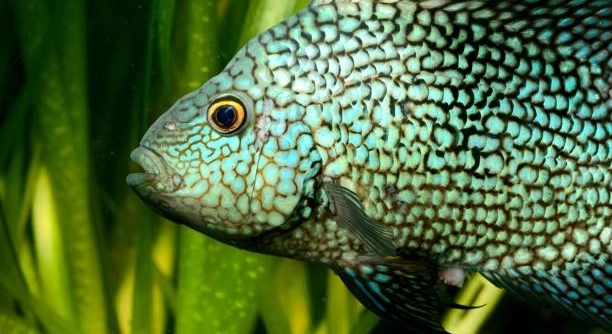
Have you ever wondered how much attention your Jack Dempsey fish actually needs? These bold and colorful cichlids are captivating to watch, often sparking interest in their behavior and interaction patterns within a home aquarium environment.
Jack Dempsey fish do not require daily interaction to maintain health or thrive. Their natural instincts favor independent behavior, and ensuring proper tank conditions, nutrition, and water quality is sufficient for their overall well-being and active behavior.
Knowing how to care for these fish properly helps maintain a healthy environment while encouraging their natural behaviors to flourish over time.
Understanding Jack Dempsey Fish Behavior
Jack Dempsey fish are naturally independent and territorial. They spend most of their time exploring their environment, establishing territory, and interacting with hiding spots or tank decorations. While they may respond to movement outside the tank, this is more curiosity than a need for constant interaction. Their activity levels are influenced mainly by water quality, temperature, and diet. Maintaining a stable environment allows them to display their natural behaviors, such as digging, rearranging substrate, or observing other fish in the tank. These behaviors are normal and healthy, indicating that the fish feels secure and comfortable. Excessive handling or frequent attempts at interaction can cause stress, which may lead to changes in color, appetite, or aggression. Observing them quietly and ensuring consistent care is far more beneficial than attempting daily engagement. Understanding these aspects can help owners manage expectations while supporting the fish’s well-being.
Jack Dempsey fish interact mostly with their surroundings rather than people. They are observant but not dependent on daily attention.
Their natural curiosity shows in subtle ways. They watch other fish, investigate new objects, and respond to changes in light or movement. These fish enjoy exploring, digging, and occasionally showing territorial behavior. A tank that provides hiding spots, open swimming areas, and stable water conditions encourages these activities. Daily feeding is enough interaction, and additional attention is unnecessary. Consistent care and observation allow the fish to remain healthy and active without stress, keeping their vibrant colors and lively behavior. Owners who focus on proper tank setup, balanced diet, and water maintenance will notice natural interactions over time, creating a harmonious environment. Recognizing their independent nature helps reduce overhandling, allowing the fish to thrive and demonstrate behaviors that indicate comfort and confidence.
Tips for Minimal Interaction Care
Daily interaction is not essential for Jack Dempsey fish. Observing from a distance is sufficient.
Providing a well-structured environment, consistent feeding schedule, and clean water ensures these fish thrive with minimal attention. They appreciate stability and predictability. Tank decorations, plants, and hiding spots help reduce stress and encourage natural behaviors. Overhandling or constant attention can trigger aggression or fear responses, so limiting direct engagement is ideal. Monitoring water parameters regularly is critical, as changes in pH, temperature, or ammonia levels directly affect their health and activity. A balanced diet with occasional variety keeps them energetic and vibrant. Recognizing their natural independence allows owners to enjoy their behavior without unnecessary interference. These fish respond positively to a calm and stable environment, which is more effective than daily human interaction in promoting long-term health and visual appeal. Consistent care, proper nutrition, and appropriate tank setup provide the support needed for these lively cichlids to flourish naturally.
Tank Setup and Environment
Jack Dempsey fish need space and structure in their tank. Hiding spots, rocks, and open swimming areas keep them active and reduce stress.
A proper tank setup includes at least 55 gallons for a single adult fish, with sturdy decorations they cannot easily topple. Sand or fine gravel substrate allows them to dig naturally, while plants or artificial cover provide shelter. Stable water temperature between 74-82°F and consistent filtration help maintain health. Regular water changes prevent toxins from building up, which is crucial because these fish are sensitive to ammonia and nitrites. Arranging the tank with open areas for swimming and secluded spaces for retreat encourages natural behaviors. The goal is a balanced environment that feels safe while allowing exploration, digging, and interaction with tank features, reducing stress and promoting long-term well-being.
Providing appropriate lighting and hiding places supports their territorial instincts. Proper filtration and water maintenance create a healthy, comfortable environment for daily activity.
Careful attention to tank layout, including spacing of rocks and decorations, prevents conflicts and allows the fish to establish territories without stress. Properly positioned hiding spots mimic natural habitats, giving them secure areas to retreat and reduce aggression. Avoid overcrowding, as Jack Dempseys can become territorial with tankmates. Regular monitoring of water parameters and temperature ensures stability, directly impacting health and color vibrancy. Combining open swimming zones with secure shelters allows the fish to display natural behaviors like digging, chasing, or observing. By providing a thoughtfully arranged tank, owners can minimize stress while encouraging independent activity. This setup supports mental stimulation and helps maintain a calm, thriving environment.
Feeding and Daily Care
Jack Dempsey fish thrive on a varied diet, fed consistently but not excessively. Quality pellets, occasional live or frozen food, and vegetables maintain health.
Balanced feeding involves offering food small enough to consume within a few minutes, once or twice daily. Overfeeding can lead to poor water quality, obesity, and digestive issues. Including live or frozen options like brine shrimp, bloodworms, or chopped fish adds protein variety, supporting growth and coloration. Some vegetables, such as peas or zucchini, supplement fiber. Monitoring feeding habits helps track health and appetite changes, which can indicate stress or illness. Clean uneaten food promptly to maintain water quality. Consistent care routines, combined with proper nutrition, reduce stress and encourage natural activity patterns. By prioritizing diet and cleanliness, owners create a healthy environment without needing daily interaction.
Maintaining water quality is as important as feeding. Regular checks and partial changes prevent stress and disease, keeping Jack Dempseys active and vibrant.
Interaction and Observation
Jack Dempsey fish are observant and notice movement outside the tank. This is curiosity, not a need for constant interaction.
Watching them from a distance allows them to behave naturally. Excessive attention can cause stress and alter their normal activities.
Signs of Stress
Changes in color, reduced appetite, or hiding more than usual indicate stress. Addressing water quality and tank conditions usually resolves these issues.
Social Behavior
These fish are territorial and may show aggression toward tankmates. They prefer clear boundaries and enough space to explore. Proper placement of decorations and hiding spots reduces conflict.
Minimal Handling
Jack Dempsey fish do not require handling. Touching or chasing them can cause fear and injury, so it is best to let them move freely.
FAQ
Do Jack Dempsey fish enjoy human interaction?
Jack Dempsey fish are naturally curious but not dependent on human interaction. They may watch movements outside the tank or respond briefly when approached, but this behavior is driven by curiosity, not a need for attention. Observing them quietly is enough to enjoy their behavior without causing stress.
How often should I feed my Jack Dempsey fish?
Feeding once or twice daily is sufficient. Provide high-quality pellets as the main diet, with occasional live or frozen foods like brine shrimp, bloodworms, or chopped fish. Vegetables such as peas or zucchini can supplement fiber. Ensure the portion is eaten within a few minutes to avoid leftover food contaminating the tank.
Can I handle my Jack Dempsey fish?
Handling is not recommended. These fish are strong and territorial; chasing or touching them can cause stress, injury, or color fading. It’s better to observe them rather than attempt daily handling. Minimal contact preserves their natural behaviors and helps maintain a healthy, calm environment.
Do Jack Dempsey fish get lonely?
They are generally independent and do not experience loneliness in the way social animals do. They interact with their environment and may establish territories but do not require companionship or daily attention. Proper tank conditions and enrichment provide the stimulation they need.
What tank size is ideal for a Jack Dempsey fish?
A minimum of 55 gallons is recommended for a single adult fish. Larger tanks are better if you plan to keep multiple fish or compatible tankmates. Space allows them to establish territory, swim freely, and exhibit natural behaviors without stress or aggression.
What decorations or hiding spots are best?
Rocks, caves, and plants create secure areas for hiding and exploring. These structures help reduce stress by giving the fish a sense of safety. Arrange decorations to provide open swimming zones as well as secluded spots, allowing natural territorial behavior without overcrowding.
How do I maintain water quality for these fish?
Regular water changes and monitoring are essential. Keep water temperature between 74-82°F, maintain pH between 6.5-8.0, and ensure filtration is consistent. Remove uneaten food promptly and test ammonia, nitrite, and nitrate levels regularly. Stable water conditions prevent stress, disease, and color fading.
Can Jack Dempsey fish live with other species?
They are aggressive and territorial, so careful selection of tankmates is necessary. Avoid small or passive fish that may be bullied. Compatible species are other robust cichlids or similarly sized fish that can handle occasional territorial disputes without stress.
How do I know if my fish is healthy?
Healthy Jack Dempseys display bright colors, active swimming, and consistent appetite. Normal behaviors include digging, rearranging substrate, and exploring decorations. Signs of stress or illness include faded colors, lethargy, reduced appetite, or excessive hiding. Prompt attention to tank conditions and diet supports recovery.
Is daily observation necessary?
Observation is helpful but does not need to be intensive. Watching them for a few minutes ensures they are active, healthy, and that tank conditions remain stable. Minimal interference lets them behave naturally while allowing you to enjoy their unique personalities.
Can Jack Dempsey fish recognize their owner?
They may recognize movement or presence near the tank but do not form bonds like social pets. Recognition is limited to noticing routines and environmental changes. Interaction is primarily visual rather than social, making consistent care more important than daily engagement.
How long do Jack Dempsey fish live?
With proper care, they can live 8-10 years or more. Maintaining water quality, providing proper nutrition, and ensuring an appropriate tank environment contribute to a long, healthy life. Stress reduction and minimal handling also support longevity.
What is the best diet to maintain their color?
A mix of high-quality pellets, occasional live or frozen foods, and vegetables supports vibrant coloration. Foods rich in carotenoids, such as shrimp or specialized color-enhancing pellets, help intensify their natural hues without compromising health.
Do they need daily interaction for enrichment?
No, their primary enrichment comes from their environment. Hiding spots, substrate to dig in, and decorations provide stimulation. Daily human interaction is not required, and too much attention can cause stress, altering behavior and overall health.
How can I reduce aggression in a tank with multiple fish?
Provide ample space, multiple hiding spots, and clearly defined territories. Avoid overcrowding and monitor interactions. Rearranging decorations periodically can help reset territorial boundaries. Choosing compatible tankmates also reduces aggression and ensures a balanced environment.
Can stress affect their color or behavior?
Yes, stress can cause faded colors, reduced appetite, hiding, or lethargy. Common causes include poor water quality, overhandling, overcrowding, or lack of hiding spots. Addressing these factors promptly helps maintain their natural vibrancy and activity levels.
Is it okay to interact with them occasionally?
Yes, occasional observation or feeding interaction is fine. They may follow your movements or respond during feeding, but it should be brief and gentle to avoid stress. Routine care is more important than frequent engagement.
How often should I check water parameters?
Testing water parameters weekly is recommended. Monitor temperature, pH, ammonia, nitrites, and nitrates to maintain stable conditions. Immediate action is required if levels drift outside safe ranges to prevent health issues.
Are Jack Dempsey fish intelligent?
They show signs of problem-solving and environmental awareness. They remember territories, recognize patterns in feeding, and explore new objects. While not social in the same way as mammals, their curiosity and memory contribute to their independent but interactive behavior.
What are signs of aggression in Jack Dempsey fish?
Chasing, nipping, or defending territory against tankmates indicates aggression. Providing sufficient space, hiding spots, and monitoring tank dynamics helps prevent prolonged conflicts. Aggression is natural but should not compromise the health of other fish.
Can they live alone?
Yes, they thrive alone as long as the tank is large enough and properly maintained. Solitary living reduces conflicts and allows them to establish a territory naturally, promoting comfort and natural behaviors.
How much light do they need?
Moderate lighting is ideal. Too bright lighting can cause stress, while low light may reduce activity. Providing a regular day-night cycle supports natural behavior and health, enhancing color and activity patterns.
Do they respond to changes in their environment?
Yes, they notice new decorations, tankmates, or feeding routines. They adjust their behavior accordingly, but frequent or drastic changes can cause stress. Gradual adjustments are best to keep them comfortable.
Can Jack Dempseys recognize routine feeding?
They quickly learn feeding schedules and may show excitement during those times. This behavior is driven by habit and anticipation rather than social attachment. Consistent feeding routines maintain health and reduce stress.
What maintenance is most important for long-term care?
Water quality, stable temperature, proper nutrition, and appropriate tank setup are key. Minimal handling and stress reduction ensure longevity and healthy, active behavior. Regular observation allows early detection of issues.
Do they enjoy decorations or toys?
Decorations provide enrichment through exploration and digging. They interact with their environment naturally, rearranging substrate and investigating hiding spots. These features are more meaningful than human interaction for stimulation.
How can I improve their comfort in the tank?
Ensure enough space, secure hiding spots, stable water parameters, and a balanced diet. Avoid overcrowding and maintain consistent routines. Comfort supports natural behavior and reduces stress, enhancing color and activity levels.
Are there common mistakes to avoid?
Overhandling, overcrowding, poor water quality, inconsistent feeding, and frequent tank changes can stress the fish. Proper planning, tank setup, and consistent care prevent common issues and support long-term health.
How can I tell if my fish is happy?
Active swimming, bright coloration, exploring decorations, and normal appetite indicate contentment. Occasional digging and territorial behaviors are natural signs of comfort and security. Regular monitoring ensures they remain healthy and vibrant.
Can Jack Dempsey fish adapt to new tanks quickly?
Adaptation depends on stable water conditions, hiding spots, and gradual acclimation. Sudden changes or poor setup can cause stress. A well-prepared environment encourages smoother adjustment, allowing them to display normal behaviors sooner.
Is it necessary to interact with them daily?
No, daily human interaction is unnecessary. Observing their behavior and maintaining proper care routines is sufficient. Minimal engagement respects their natural independence while supporting overall health.
How long do they need to settle in a new tank?
Typically, one to two weeks with proper acclimation is enough. Providing hiding spots, stable water, and minimal disturbance helps them adjust without stress. Monitoring during this period ensures they remain healthy and active.
Can stress affect their lifespan?
Yes, chronic stress can shorten lifespan by impacting immune function, appetite, and behavior. Maintaining a calm, stable environment with proper nutrition and minimal handling helps ensure longevity and well-being.
What is the best way to observe them without causing stress?
Watch quietly from a distance during normal tank activities. Avoid tapping, chasing, or sudden movements. Allow them to explore naturally while maintaining consistent feeding and tank maintenance routines.
Do they interact with tankmates?
Interaction is limited to territorial behaviors or occasional curiosity. Proper tank size and compatible species reduce conflict. They are independent by nature, and most enrichment comes from their environment rather than social interaction.
How important is consistency in care?
Consistency in feeding, water maintenance, and environmental stability is critical. Irregular care can cause stress, aggression, or illness. Predictable routines help Jack Dempsey fish thrive and maintain their vibrant appearance and natural behaviors.
Are Jack Dempsey fish suitable for beginners?
They require attention to tank setup, water quality, and diet, making them more suitable for hobbyists with some experience. Understanding their independent and territorial nature ensures a successful, low-stress environment.
Can they be trained or conditioned?
They can learn feeding routines and respond to environmental cues. Training beyond that is limited, as they are not social in the same way as mammals. Positive reinforcement during feeding is effective for predictable behavior.
Do Jack Dempseys need enrichment items?
Yes, decorations, rocks, plants, and substrate provide mental stimulation. These allow natural behaviors like digging, exploring, and establishing territories, which are more meaningful than human interaction for their well-being.
How do I monitor their health effectively?
Observe appetite, swimming activity, color vibrancy, and territorial behavior daily. Regular water testing and maintaining consistent routines allow early detection of stress or illness, ensuring long-term health and stability.
Can they live with plants in the tank?
Yes, but robust plants or artificial alternatives are recommended. Jack Dempseys may dig, uprooting delicate plants. Plants provide hiding spots and contribute to water quality, supporting both mental and physical health.
Do they respond to feeding cues?
Yes, they quickly recognize feeding times and locations. This anticipation is habitual rather than social, reflecting their ability to adapt to predictable routines without requiring interaction beyond basic care.
Are Jack Dempsey fish aggressive toward humans?
No, aggression is directed toward other fish or perceived intruders in their territory. They may react defensively to hand movements near the tank, but they do not pose a threat if left alone.
How can I encourage natural behavior?
Provide sufficient space, hiding spots, substrate for digging, and regular feeding. Avoid excessive handling, maintain stable water parameters, and allow them to explore their environment freely. Natural behaviors indicate comfort and well-being.
What is the best approach to long-term care?
Consistent feeding, water maintenance, tank enrichment, and minimal handling ensure long-term health. Respecting their independent nature reduces stress and promotes active, vibrant behavior throughout their lifespan.
Do they need a tank mate?
No, they thrive alone if space and environmental conditions are adequate. Tank mates should be chosen carefully to avoid aggression and stress. A solitary setup often allows the healthiest and most comfortable environment.
Can they live in a community tank?
Only with compatible, similarly sized, robust fish. Small or passive species may be harassed. Adequate space, hiding spots, and monitoring are required to maintain harmony and reduce territorial conflicts.
Are Jack Dempsey fish interactive pets?
Interaction is limited to observation and feeding. They respond visually and may follow movements, but they do not seek social engagement. Their primary enrichment comes from a well-maintained, stimulating environment rather than human attention.
Do they need special lighting?
Moderate lighting supports natural behavior and color expression. Avoid intense light, which may stress them. A day-night cycle helps maintain activity patterns and overall health.
Can environmental changes stress them?
Yes, sudden rearrangement, new tankmates, or fluctuating water parameters can cause stress. Gradual adjustments and stable conditions help them remain healthy and display normal behaviors.
How often should I clean the tank?
Partial water changes weekly or biweekly, combined with substrate cleaning and filter maintenance, keep conditions stable. Avoid full tank cleanings too often, as this can disrupt established territories and stress the fish.
Are they sensitive to water temperature changes?
Yes, rapid changes can stress them. Maintaining a consistent temperature within the 74-82°F range supports health, appetite, and natural behavior. Temperature fluctuations should be gradual if adjustments are necessary.
What is the best way to introduce a new Jack Dempsey?
Acclimate slowly to the tank using a drip method or gradual water mixing. Provide hiding spots and monitor for aggression. Avoid overcrowding to reduce stress and allow them to establish territory naturally.
Do Jack Dempsey fish recognize feeding schedules?
Yes, they quickly adapt to consistent routines and may anticipate food delivery. This recognition is habit-based rather than social, providing predictability that supports health and reduces stress.
How long do they live in captivity?
With proper care, they typically live 8-10 years. Stable water conditions, adequate space, proper diet, and minimal stress contribute to longevity and healthy, active behavior.
What are common health issues?
Poor water quality, overfeeding, overcrowding, and stress can lead to disease, color loss, or reduced activity. Regular monitoring, clean water, and balanced nutrition prevent most problems.
Is daily interaction necessary for well-being?
No, their health and behavior depend on environment, diet, and water quality rather than human attention. Observation and proper care routines are sufficient to support their needs.
Can Jack Dempseys form bonds with humans?
They may recognize routine movement or feeding but do not form social bonds. Interaction is visual and habitual rather than affectionate, making proper care more important than frequent attention.
How do I prevent aggression between tankmates?
Provide sufficient space, hiding spots, and territory markers. Choose compatible fish of similar size and temperament. Monitor interactions regularly to address early signs of aggression before it escalates.
Do they require live food regularly?
Live or frozen foods can supplement their diet but are not required daily. Pellets provide balanced nutrition, while occasional live options support protein intake and natural hunting behavior.
What is the ideal water pH for Jack Dempsey fish?
A pH range of 6.5-8.0 is optimal. Stable conditions within this range support color, activity, and overall health. Sudden fluctuations can stress the fish and reduce appetite or behavior.
How can I tell if they are stressed?
Signs include hiding excessively, color fading, lethargy, loss of appetite, or aggression spikes. Monitoring behavior and water quality helps identify stress sources quickly.
Do Jack Dempseys need plants in their tank?
Plants or artificial covers provide hiding spots and enrichment. Robust plants are recommended because they may dig and uproot delicate species. Proper placement helps establish territories and reduces stress.
Can they adapt to new environments?
Yes, with gradual acclimation, stable water, and hiding spots. Rapid changes or poor setup increase stress, so preparation and careful adjustment are important.
Are Jack Dempseys suitable for small tanks?
No, small tanks increase stress and aggression. Adequate space is essential to allow swimming, territory establishment, and natural behaviors. A minimum of 55 gallons is recommended.
How do I maintain their vibrant color?
Proper nutrition, stable water conditions, and low stress help maintain color. Diets rich in carotenoids, occasional live or frozen food, and a healthy environment support natural vibrancy.
Do they respond to sounds outside the tank?
They may react to vibrations or sudden movements but are not social in the auditory sense. Responses are mainly curiosity or defensive rather than interactive.
Can Jack Dempseys recognize their owner visually?
They may notice movement near the tank but recognition is limited. Responses are habit-based, usually during feeding or environmental changes, rather than social attachment.
Is water hardness important?
Moderate hardness supports health. Extreme hardness or softness can stress the fish and affect coloration or behavior. Regular testing ensures stable conditions.
How do I prevent boredom in their tank?
Provide hiding spots, substrate to dig in, and occasional changes in decorations. Environmental enrichment encourages natural behaviors without requiring human interaction, keeping the fish active and engaged.
Do they need special care during breeding?
Breeding increases territorial aggression and care demands. Separate breeding tanks, proper nesting sites, and monitoring water quality are essential. Post-spawning, parents should be observed to prevent over-aggression or stress to fry.
Can Jack Dempseys live with aggressive fish?
Compatibility depends on size, space, and territory boundaries. Aggressive tankmates may lead to fights or stress, so careful selection and monitoring are required to maintain a healthy environment.
How often should I rearrange decorations?
Occasional rearrangement can reset territories but should be done gradually. Sudden or frequent changes may stress the fish and disrupt natural behavior patterns.
Do they prefer certain water temperatures?
A stable temperature between 74-82°F is ideal. Sudden changes or extremes can stress them, reduce appetite, and affect activity levels. Gradual adjustments are safest.
How do I encourage healthy activity?
Provide space, hiding spots, stable water, and a balanced diet. Avoid overhandling, maintain consistent routines, and allow them to explore the environment naturally. Active behavior indicates comfort and well-being.
Is tank lighting important for behavior?
Moderate lighting supports activity, natural behavior, and color expression. Avoid harsh or constant bright light, which can stress the fish and reduce normal movement patterns.
What is the best way to handle health issues?
Identify early signs such as lethargy, color fading, or loss of appetite. Test water, adjust care routines, and consult resources or experts for treatment. Prompt action reduces stress and prevents serious illness.
Do Jack Dempseys need enrichment beyond decorations?
Their primary enrichment comes from exploring the tank and interacting with the environment. Toys or frequent human attention are unnecessary and may cause stress. Environmental complexity is sufficient for stimulation.
**How do I manage aggression
Jack Dempsey fish are strong, colorful, and independent cichlids that thrive in stable, well-maintained environments. Their behavior is naturally territorial, and they prefer to interact with their surroundings rather than with humans. While they may notice movement outside the tank, this curiosity is not a need for constant attention. Observing them quietly is enough to enjoy their personalities without causing stress. Proper tank setup, including hiding spots, open swimming areas, and substrate for digging, provides stimulation and comfort. Decorations and plants contribute to both enrichment and security, allowing the fish to display natural behaviors such as exploring, rearranging substrate, and establishing territories. These behaviors indicate that the fish is healthy and comfortable. Overhandling or excessive interaction can interfere with their natural activity, potentially causing stress, changes in color, or reduced appetite. Recognizing the independent nature of Jack Dempseys helps owners provide the right care without unnecessary interference.
Nutrition plays an essential role in their overall health and vibrancy. A balanced diet of high-quality pellets, supplemented occasionally with live or frozen foods and vegetables, ensures proper growth, color, and energy levels. Feeding once or twice a day is sufficient, and portions should be consumed within a few minutes to prevent leftover food from polluting the water. Maintaining water quality is equally important. Regular water changes, stable temperature, and proper filtration prevent harmful ammonia and nitrite buildup, which can stress the fish or lead to illness. Monitoring pH, hardness, and other parameters keeps the environment stable, supporting long-term health and natural behavior. Predictable routines for feeding and maintenance create a calm environment, allowing the fish to thrive independently. Minimal interaction combined with consistent care ensures their well-being while preserving their vibrant colors and energetic behavior.
Long-term care of Jack Dempsey fish is centered on providing stability, comfort, and stimulation within their tank. They do not require daily interaction to remain happy or healthy. Instead, consistent attention to tank conditions, proper nutrition, and environmental enrichment allows them to behave naturally and reduce stress. Recognizing their independent tendencies helps owners set realistic expectations for engagement and enjoyment. They respond best to calm observation, stable routines, and a thoughtfully arranged environment that balances open swimming areas with secure hiding spots. With proper care, these fish can live for many years, displaying vivid colors, active swimming, and natural behaviors. Understanding their needs and respecting their independence creates a harmonious environment where the fish can thrive, allowing owners to enjoy their beauty and personality without unnecessary interference. By focusing on environmental stability, proper diet, and careful observation, owners ensure Jack Dempsey fish remain healthy, vibrant, and active throughout their lives.

Hello,
If you enjoy the content that we create, please consider saying a "Thank You!" by leaving a tip.
Every little bit helps us continue crafting quality advice that supports the health, happiness, and well-being of pets around the world, for pets of all shapes, sizes, and species.
We really appreciate the kindness and support that you show us!