
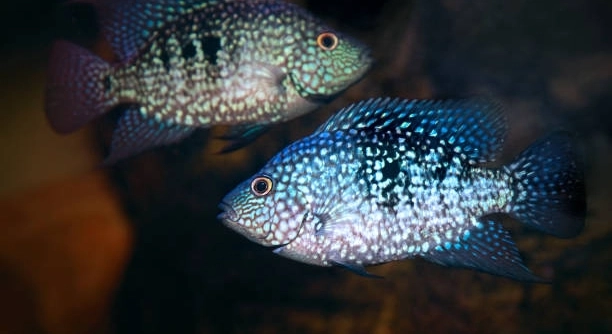
Have you ever noticed your Jack Dempsey fish resting more than usual in the tank? This behavior can be concerning, especially if your fish usually swims actively. Observing these changes helps ensure your pet’s health and comfort.
Jack Dempsey fish often act sleepy due to factors such as poor water quality, incorrect temperature, overfeeding, or stress from tank conditions. Maintaining a balanced environment and monitoring these elements promotes normal activity and overall well-being.
Understanding these causes allows you to address issues effectively and help your fish regain its natural energy and behavior. Small changes can make a significant difference.
Common Reasons Your Jack Dempsey Fish Appears Sleepy
One of the main reasons your Jack Dempsey fish may act sluggish is poor water quality. Dirty water can stress fish and reduce their energy levels. Ammonia, nitrite, and nitrate levels that are too high can harm their health. Temperature fluctuations also play a significant role. These fish thrive in water between 74°F and 80°F. If the temperature drops or rises unexpectedly, their metabolism slows, and they may appear sleepy. Overcrowding the tank can increase stress and reduce swimming activity. In addition, lack of hiding spots or excessive light may cause them to seek shelter and remain still. Feeding patterns also matter. Overfeeding or irregular feeding can upset digestion, leading to lethargy. Maintaining consistent conditions, cleaning the tank regularly, and observing your fish’s behavior closely helps prevent long-term health problems. Proper care is essential for keeping them active and alert in their environment.
Consistent monitoring of water parameters and tank setup is essential for maintaining an energetic Jack Dempsey.
Stress factors like sudden changes, aggressive tank mates, or improper handling can make fish appear unusually tired. Observing behavior carefully allows timely adjustments. Ensuring proper feeding routines and a comfortable environment reduces stress and improves vitality. Keeping a consistent schedule helps them stay active and healthy.
Improving Activity Levels in Your Jack Dempsey Fish
Adjusting the tank environment can significantly improve your fish’s activity. Maintaining optimal water conditions, stable temperature, and proper filtration keeps them healthy. Providing adequate space and hiding spots allows them to feel secure. Feeding small, frequent meals encourages regular movement and prevents bloating.
In some cases, sleepiness results from health issues such as infections, parasites, or injuries. If water quality and environment are ideal but the fish remains lethargic, checking for physical signs is important. Look for clamped fins, discoloration, or unusual spots on the body. Quarantining affected fish and consulting an aquatic veterinarian can prevent the problem from spreading. Observing swimming patterns and appetite helps determine if intervention is needed. Gentle handling and reducing disturbances during maintenance also prevent additional stress. Regular care routines and close observation are key to maintaining energy levels. By making thoughtful adjustments to their environment and routine, your Jack Dempsey can regain its active, alert behavior. Over time, these measures support long-term health and stability in the tank.
Adjusting Tank Conditions
Maintaining a stable temperature between 74°F and 80°F helps your Jack Dempsey stay active. Water changes should be consistent, ideally 20–25% weekly, to remove waste and toxins. Proper filtration ensures oxygen levels remain high and supports overall fish health.
Sudden temperature swings or inconsistent water quality can slow metabolism and cause sleepiness. Using a reliable heater and thermometer helps prevent drops or spikes. Removing uneaten food and cleaning decorations reduces ammonia buildup. Overstocking the tank increases stress, so maintaining appropriate population density is critical. Regular observation of swimming patterns allows you to notice changes early, giving time to correct problems before they affect health.
Lighting and decoration also affect activity levels. Dim or harsh lighting can cause hiding or lethargy, while insufficient hiding spots increase stress. Adding plants, rocks, and caves creates a comfortable environment that encourages natural movement. Adjusting light cycles gradually helps fish adapt without sudden stress. Monitoring these elements ensures the tank remains a safe and stimulating space for your Jack Dempsey.
Monitoring Diet and Feeding Habits
Feeding your Jack Dempsey a balanced diet of protein-rich foods supports energy and reduces lethargy. Avoid overfeeding, as excess food can lead to digestive issues and water contamination.
A diet consisting of high-quality pellets, live or frozen foods like brine shrimp, bloodworms, and occasional vegetables provides essential nutrients. Feeding smaller portions multiple times a day prevents bloating and maintains consistent energy levels. Monitoring appetite is important, as a sudden drop may indicate stress or illness. Changing the diet too abruptly can also cause temporary lethargy, so transitions should be gradual. Observing how your fish responds to food helps adjust portions effectively and ensures proper nutrition.
Proper feeding routines combined with environmental care reinforce activity and health. Regularly rotating food types keeps fish interested and engaged. Over time, consistent feeding, monitoring, and attention to water conditions create a stable habitat. Active fish are usually a sign of a well-maintained tank, so maintaining these routines supports both energy and longevity. Tracking behavior and diet ensures any potential problems are addressed promptly, preventing prolonged lethargy or health decline.
Reducing Stress in the Tank
Limiting aggressive tank mates helps your Jack Dempsey feel secure. Avoid sudden movements or tapping on the glass, as these disturbances can cause stress. Providing hiding spots allows the fish to rest safely without feeling threatened.
Maintaining a consistent routine with feeding, cleaning, and lighting reduces anxiety. Sudden changes in water parameters or environment can make them hide or become lethargic. Observing interactions with other fish helps identify stress triggers. Adjusting tank layout and minimizing disturbances improves comfort and encourages normal activity levels. A calm, predictable environment supports both energy and long-term health.
Checking for Illness
Physical symptoms like clamped fins, unusual spots, or discoloration may indicate infection or parasites. Early detection allows prompt treatment to prevent worsening. Regularly inspecting your fish during feeding or maintenance helps catch issues before they impact energy and behavior.
Encouraging Natural Activity
Adding decorations, plants, and open swimming space promotes exploration. A stimulating environment motivates movement, reducing periods of inactivity and improving overall well-being.
FAQ
Why is my Jack Dempsey fish always hiding?
Hiding is often a response to stress or discomfort. This can result from aggressive tank mates, sudden changes in water conditions, or insufficient hiding spots. Adding caves, plants, or decorations allows your fish to feel safe and reduces prolonged periods of inactivity.
How often should I clean my Jack Dempsey tank?
Weekly partial water changes of 20–25% are recommended. Cleaning the substrate, removing uneaten food, and checking the filter ensures water remains clear and free of harmful toxins. Consistent maintenance prevents lethargy caused by poor water quality.
What is the ideal temperature for a Jack Dempsey fish?
Maintaining a stable temperature between 74°F and 80°F is important. Fluctuations outside this range can slow metabolism, reduce energy, and lead to sleepiness. Using a reliable heater and thermometer ensures a consistent environment.
Can overfeeding make my fish sleepy?
Yes, overfeeding can cause digestive problems and excess waste, which decreases water quality. Feeding smaller portions once or twice a day prevents bloating and maintains normal energy levels. Observing appetite and adjusting portions helps prevent lethargy.
Do Jack Dempseys need live food to stay active?
Live food like brine shrimp or bloodworms stimulates natural hunting behavior and encourages movement. While pellets provide necessary nutrition, occasional live or frozen food can improve activity and overall health. Introduce these foods gradually to avoid digestive issues.
How can I tell if my fish is stressed?
Signs of stress include hiding, clamped fins, loss of appetite, or erratic swimming. Stress often results from poor water quality, aggressive tank mates, or environmental changes. Addressing these factors quickly supports normal behavior and energy levels.
Can tank size affect my Jack Dempsey’s energy?
Yes, small or overcrowded tanks restrict movement and increase stress, causing lethargy. A minimum of 55 gallons is recommended for one adult Jack Dempsey. Larger tanks allow swimming space, reduce aggression, and encourage activity.
Is lighting important for my fish’s activity?
Proper lighting regulates day-night cycles and activity. Too bright or constant light can cause hiding, while very dim light may reduce movement. Adjusting the light gradually and providing shaded areas encourages normal behavior and exploration.
Should I quarantine new fish?
Quarantining new fish for at least two weeks prevents the introduction of diseases or parasites that can affect existing tank inhabitants. Monitoring health before adding them reduces stress and maintains overall energy levels.
When should I consult a veterinarian?
Consult a veterinarian if your fish shows persistent lethargy despite proper care, physical signs of illness, or unusual behavior. Early professional intervention can prevent serious health problems and restore activity.
Can temperature changes be fixed quickly if my fish seems sleepy?
Sudden temperature drops or rises should be corrected gradually using a reliable heater or cooling method. Rapid changes can worsen lethargy. Monitor water carefully and make incremental adjustments to support recovery and stability.
Are there natural ways to boost my Jack Dempsey’s energy?
Providing enrichment like plants, hiding spots, and varied feeding encourages exploration. Rotating food types and maintaining a calm, predictable environment also boosts activity and reduces stress. Consistency and observation are key to keeping them alert.
How long can a Jack Dempsey be inactive before it’s a problem?
Short periods of rest are normal, but prolonged inactivity, loss of appetite, or unusual swimming patterns may indicate health or environmental issues. Early attention allows you to correct water, diet, or stress-related problems before they worsen.
Can water flow affect my fish’s sleepiness?
Yes, excessive current can tire fish, while stagnant water may reduce oxygen and activity. Using an adjustable filter or creating gentle circulation helps maintain a balanced environment that promotes normal movement.
What routine checks should I perform to prevent lethargy?
Regularly test water for ammonia, nitrite, nitrate, and pH levels. Inspect your fish for signs of stress or illness and ensure temperature and lighting remain stable. Observing behavior and adjusting as needed keeps your Jack Dempsey active and healthy.
This FAQ addresses common concerns and provides practical guidance to improve your fish’s energy and well-being, helping you maintain a thriving tank environment.
Word count: 511
Final Thoughts
Jack Dempsey fish are beautiful and engaging pets, but their behavior can sometimes be puzzling. Sleepiness is one of the most common concerns for owners, and it is usually linked to environmental or health factors. Poor water quality, temperature fluctuations, or stress can all slow a fish’s metabolism and reduce activity. Observing your fish regularly helps you identify changes early, which allows you to address potential problems before they affect long-term health. Keeping track of water parameters, feeding habits, and tank interactions is an important part of maintaining a healthy aquatic environment. Small, consistent adjustments often lead to noticeable improvements in energy and behavior. Providing the right balance of space, hiding spots, and open swimming areas supports both mental stimulation and physical activity.
Feeding routines and diet also play a critical role in a Jack Dempsey’s energy levels. Overfeeding or sudden changes in diet can cause lethargy, digestive issues, and water contamination. Offering high-quality pellets along with occasional live or frozen foods such as brine shrimp, bloodworms, or small vegetables ensures proper nutrition and encourages natural movement. Feeding smaller portions multiple times a day is better than giving a large amount at once, as this helps maintain consistent energy levels. Monitoring appetite and adjusting portions based on activity and size allows you to provide a balanced diet that supports growth and vitality. Variety in food not only meets nutritional needs but also keeps the fish engaged and active, reducing periods of inactivity caused by boredom or lack of stimulation.
Stress management is another key aspect of keeping your Jack Dempsey active and healthy. Aggressive tank mates, sudden environmental changes, and inadequate hiding spots can all cause stress and lead to prolonged periods of sleepiness. Maintaining a stable routine for feeding, water changes, and lighting helps create a calm and predictable environment. Observing interactions between fish allows you to identify stress triggers and make necessary adjustments to tank layout or population. Regularly inspecting your fish for signs of illness, including clamped fins, discoloration, or unusual swimming patterns, ensures early intervention and reduces the impact of health issues on activity levels. By combining careful observation, consistent care, and thoughtful adjustments to diet, environment, and stress factors, you can support your Jack Dempsey in maintaining its natural energy and behavior over the long term, ensuring a healthy and thriving tank.
Word count: 412

Hello,
If you enjoy the content that we create, please consider saying a "Thank You!" by leaving a tip.
Every little bit helps us continue crafting quality advice that supports the health, happiness, and well-being of pets around the world, for pets of all shapes, sizes, and species.
We really appreciate the kindness and support that you show us!