
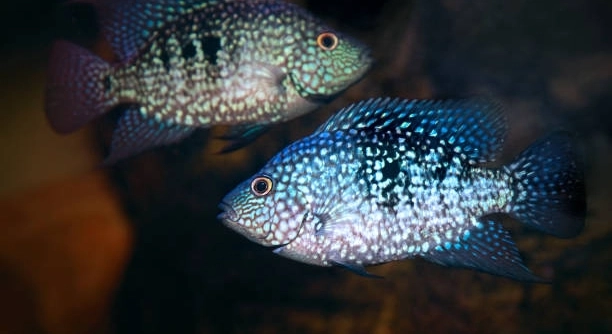
Jack Dempsey fish are popular among aquarium enthusiasts for their vibrant colors and active behavior. They are generally hardy, but certain situations in their environment can cause stress and make them act defensively or hide.
Several factors can scare Jack Dempsey fish, including sudden changes in water temperature, aggressive tank mates, loud vibrations, poor water quality, improper lighting, unfamiliar objects, and frequent disturbances in their territory. Each of these can trigger stress responses and defensive behavior.
Knowing what alarms these fish helps maintain a calm and healthy aquarium. Understanding their triggers ensures they feel safe and thrive in their environment.
Sudden Changes in Water Temperature
Jack Dempsey fish are sensitive to abrupt changes in water temperature. Moving them from one tank to another without proper acclimation can shock their system, causing stress or even illness. Rapid heating or cooling affects their metabolism, making them sluggish or overly defensive. Consistent temperature is essential for their well-being, ideally between 74°F and 81°F. Use a reliable heater and thermometer to monitor the water, and avoid placing the tank near drafty windows or air vents. Sudden drops in temperature may cause hiding behavior, loss of appetite, or unusual aggression toward other tank mates. Maintaining steady conditions allows these fish to remain active and display their natural colors. Even small fluctuations can have noticeable effects, so gradual adjustments are important when making changes. Observing your fish closely during temperature shifts can help prevent long-term stress and support overall health.
Keeping water temperature stable ensures Jack Dempsey fish feel secure, reducing stress and aggression in the tank environment.
Acclimating your Jack Dempsey fish gradually helps them adapt safely to new tanks or water changes. Using a drip method or floating the transport bag allows the water to mix slowly, preventing shock. Monitoring temperature daily with a precise thermometer and keeping consistent conditions in the tank encourages normal behavior. Avoid sudden exposure to cold drafts or overly warm heaters, as these can make fish lethargic or overly defensive. A calm environment promotes feeding, growth, and vibrant coloration, while erratic temperature changes can lead to disease susceptibility. Small, careful adjustments make a significant difference in maintaining healthy, stress-free fish.
Aggressive Tank Mates
Jack Dempsey fish can be intimidated or provoked by aggressive companions in a shared tank. Conflicts can lead to injuries, hiding, or heightened stress. Choosing compatible species is critical to creating a balanced aquarium.
Placing Jack Dempsey fish with overly territorial or fast-moving species often triggers defensive or anxious behavior.
Tank dynamics play a major role in fish health. Aggressive neighbors can chase or nip at Jack Dempsey fish, leading to constant stress and reduced immune response. Even species that appear calm at first may display territorial behavior as they grow. Providing adequate space, hiding spots, and visual barriers can reduce confrontations and allow fish to establish their own territory. Observation is key; recognizing early signs of stress like rapid swimming, color fading, or constant retreating helps prevent injuries. Some species, such as large peaceful cichlids or medium-sized catfish, often coexist well with Jack Dempsey fish. Avoid overcrowding, as this exacerbates competition and territorial disputes. A properly arranged tank minimizes aggression, ensuring all fish maintain natural behavior and vibrant health. Creating clear zones and monitoring interactions regularly allows Jack Dempsey fish to thrive safely.
Loud Vibrations
Loud vibrations from nearby footsteps, music, or appliances can startle Jack Dempsey fish. They respond with sudden darting, hiding, or aggressive displays. Minimizing external disturbances helps them feel secure in their environment and reduces stress.
Vibrations transmit through water, making fish extremely sensitive to sudden movements. Even small, repeated shocks can trigger stress responses that affect feeding and health. Avoid placing the tank on high-traffic areas or thin stands that amplify shaking. Using a sturdy tank stand and positioning the aquarium away from doors, heavy appliances, or speakers helps reduce the impact. Over time, consistent vibrations may lead to long-term stress, affecting coloration, growth, and immunity. Observing fish reactions after disturbances can indicate whether adjustments are needed. Maintaining a calm, stable environment ensures Jack Dempsey fish remain active and healthy.
Frequent or unexpected vibrations can increase anxiety, causing fish to retreat for extended periods. Providing hiding spots and stable tank placement helps reduce stress and supports normal behavior.
Poor Water Quality
Dirty or imbalanced water can severely stress Jack Dempsey fish. High ammonia, nitrite, or nitrate levels, along with irregular pH, negatively impact their health and behavior, causing hiding, aggression, or lethargy.
Regular water testing and maintenance are essential to keep the aquarium safe. Removing debris, performing partial water changes, and monitoring chemical levels ensures the water remains within acceptable ranges. High ammonia or nitrite levels can irritate gills, while elevated nitrates can weaken immune systems. Filtration systems should be cleaned and checked regularly to maintain proper flow and water clarity. Consistent water conditions allow Jack Dempsey fish to thrive, display normal coloration, and exhibit natural behaviors without unnecessary stress.
In addition to chemical balance, temperature and oxygen levels affect water quality. Maintaining aeration and circulation prevents stagnation and ensures fish have enough oxygen. Avoid overfeeding, as excess food decomposes, increasing toxins. Choosing hardy plants or decorations that do not alter pH further supports stability. Regular monitoring, including using test kits, keeps the environment predictable and healthy. Keeping water clean and balanced not only prevents stress but also reduces the risk of disease outbreaks, allowing Jack Dempsey fish to grow and behave naturally.
Improper Lighting
Too much or too little light can unsettle Jack Dempsey fish. Bright lights may cause them to hide, while dim or inconsistent lighting can affect their natural behavior and activity levels.
Using a consistent day-night cycle with moderate lighting helps fish feel secure. Gradually increasing or decreasing light intensity prevents sudden stress, and adding shaded areas or plants allows fish to retreat when needed. Maintaining a predictable schedule supports feeding habits, reduces aggression, and encourages natural coloration.
Unfamiliar Objects
New decorations or sudden changes in the tank can alarm Jack Dempsey fish. They may hide, swim erratically, or display defensive behavior when encountering unfamiliar items.
Carefully introducing new objects and observing fish reactions minimizes stress. Allowing gradual adjustment ensures they accept changes without disrupting established territory or daily routines.
Frequent Disturbances
Repeated tapping on the glass or handling of the tank stresses Jack Dempsey fish. Constant interruptions disrupt their comfort and make them more defensive or withdrawn.
Minimizing disturbances and maintaining a calm environment allows fish to remain confident, healthy, and display natural behavior.
FAQ
What should I do if my Jack Dempsey fish hides constantly?
Frequent hiding usually indicates stress. Check for changes in water temperature, poor water quality, or aggressive tank mates. Ensure the tank has adequate hiding spots with plants or decorations. Reducing disturbances and maintaining consistent lighting helps the fish feel secure. Observing behavior after adjustments can confirm improvements.
Can loud noises harm Jack Dempsey fish?
Yes, loud noises and vibrations can startle them, leading to stress, erratic swimming, or aggression. Keep the tank in a quiet area and avoid placing it near speakers, heavy foot traffic, or appliances that create vibrations. Using a sturdy stand can also reduce transmitted shaking.
How do I know if the water quality is affecting my fish?
Signs include faded coloration, lethargy, loss of appetite, or excessive hiding. Regularly test ammonia, nitrite, nitrate, and pH levels. Perform partial water changes and clean the filter to maintain safe water conditions. Stable water encourages normal behavior and healthy growth.
Why does my Jack Dempsey act aggressively suddenly?
Aggression can result from territorial disputes, overcrowding, or the presence of incompatible tank mates. Ensure the tank has enough space and hiding areas, and avoid pairing with overly aggressive species. Observing interactions helps identify which fish may be causing stress.
How can I introduce new objects without scaring my fish?
Introduce decorations gradually, allowing the fish time to explore. Avoid sudden large changes in the tank. Floating new objects in the tank water first helps them adjust to water temperature and smell, reducing stress when placed in the tank permanently.
Are temperature changes really harmful to Jack Dempsey fish?
Yes, sudden shifts in water temperature can shock their system, affecting metabolism and behavior. Maintain a stable range of 74°F to 81°F and acclimate fish slowly when transferring between tanks or performing water changes. Monitoring with a reliable thermometer is essential.
What is the best way to minimize stress in Jack Dempsey fish?
Maintain stable water quality, temperature, and lighting. Limit disturbances and avoid aggressive or overcrowded tank mates. Provide hiding spots and observe behavior regularly. A predictable environment encourages natural behavior, healthy growth, and vibrant coloration.
Can improper lighting affect feeding habits?
Yes, inconsistent or extreme lighting can make Jack Dempsey fish hide or become less active, affecting appetite. Use a moderate, consistent day-night cycle and provide shaded areas to allow fish to adjust naturally. This supports regular feeding and overall well-being.
How often should I clean the tank to prevent stress?
Regular cleaning is necessary but should be balanced to avoid excessive disruption. Partial water changes weekly or biweekly, along with filter maintenance, help keep water clean and safe while minimizing stress. Over-cleaning can remove beneficial bacteria, so maintain stability.
Is it normal for Jack Dempsey fish to be skittish around new tank mates?
Yes, new or unfamiliar fish can trigger defensive or hiding behavior. Introduce new tank mates gradually, observe interactions, and provide sufficient space and hiding areas to reduce stress. Over time, most fish adjust and establish stable territories.
Can overfeeding increase stress?
Yes, overfeeding leads to water contamination, which affects water quality and stresses fish. Feed small, controlled portions once or twice daily. Remove uneaten food promptly to maintain a clean environment and prevent aggression or competition.
How do I help my Jack Dempsey recover from stress?
Focus on consistent water quality, stable temperature, minimal disturbances, and appropriate tank mates. Provide hiding spots and maintain a calm environment. Gradually restoring normal conditions allows the fish to regain appetite, coloration, and natural behavior.
Can sudden movements outside the tank scare them?
Yes, Jack Dempsey fish are sensitive to rapid movements near the tank. Limit tapping on glass or leaning over the tank. Observing from a distance reduces stress and prevents erratic swimming or defensive actions.
What are signs of long-term stress in Jack Dempsey fish?
Long-term stress can cause persistent hiding, faded color, irregular breathing, aggression, or poor appetite. Consistent care, monitoring water quality, and maintaining a calm environment help prevent chronic stress and support long-term health.
Is it necessary to acclimate Jack Dempsey fish to new water?
Yes, sudden exposure to different water conditions can shock the fish. Float the bag or container in the tank and slowly mix small amounts of tank water over 20–30 minutes. This gradual process reduces stress and promotes a smooth transition.
How important are hiding spots for Jack Dempsey fish?
Very important. Hiding spots reduce stress, provide security, and allow fish to establish territory. Use plants, rocks, or decorations to create shaded areas and retreats. Adequate hiding spaces prevent aggression and promote natural behavior.
Can stress affect breeding behavior?
Yes, stressed fish may stop spawning or exhibit less interest in courtship. Maintaining stable water conditions, proper diet, and a calm environment encourages breeding and healthier offspring. Stress-free conditions are critical for reproductive success.
How do I manage aggressive behavior in a tank with Jack Dempsey fish?
Separate aggressive individuals if necessary, provide ample space, and include visual barriers or hiding spots. Avoid pairing with overly territorial species. Regular observation allows early intervention to maintain balance and reduce stress in the aquarium.
Does water hardness matter for Jack Dempsey fish?
Yes, water hardness affects their health and stress levels. They prefer moderately hard water, ideally 9–20 dGH. Maintaining consistent hardness, along with stable pH, ensures comfort, reduces stress, and supports normal growth and behavior.
Can frequent tapping on the glass harm my fish?
Yes, repeated tapping creates vibrations that startle and stress Jack Dempsey fish. Avoid tapping or knocking on the tank glass. Gentle observation from a distance allows them to behave naturally without unnecessary anxiety.
How long does it take for a stressed Jack Dempsey fish to recover?
Recovery depends on the severity of stress and improvements in the environment. Minor stress may resolve in days, while prolonged stress requires weeks of stable water, consistent lighting, minimal disturbances, and proper diet for full recovery.
What is the role of tank size in reducing stress?
Larger tanks reduce territorial conflicts and provide more space to hide, swim, and establish territories. A minimum of 55 gallons is recommended for adult Jack Dempsey fish. Adequate space minimizes stress and encourages natural behavior.
How do I prevent future stress episodes?
Maintain stable water conditions, provide hiding spots, choose compatible tank mates, and reduce sudden disturbances. Regular monitoring of fish behavior, water quality, and tank dynamics helps prevent recurring stress and ensures healthy, active fish.
Can stress affect coloration permanently?
Prolonged stress may cause fading or dulling of coloration. Restoring stable conditions, proper diet, and calm surroundings usually helps the fish regain vibrant colors. Long-term neglect can result in lasting changes.
Are Jack Dempsey fish sensitive to human activity around the tank?
Yes, frequent movement or tapping near the tank can stress them. Minimize disturbances, observe calmly, and maintain a predictable environment. Consistent conditions help fish feel secure and display natural behavior.
How often should I check my fish for signs of stress?
Daily observation is recommended. Look for hiding, erratic swimming, aggression, or loss of appetite. Early detection allows quick interventions, preventing long-term stress or health issues.
Does the type of substrate affect stress levels?
Yes, sharp or unstable substrates may cause discomfort or injury. Use smooth gravel or sand to reduce risk and provide a comfortable environment. A suitable substrate supports natural foraging behavior without causing stress.
Can sudden tank maintenance scare Jack Dempsey fish?
Yes, major changes like deep cleaning or sudden rearrangement can stress them. Perform maintenance gradually, leaving some familiar structures intact, and avoid abrupt disturbances during water changes.
Jack Dempsey fish are beautiful and lively, but they are also sensitive to their environment. They respond to changes in water quality, temperature, lighting, and tank mates, which can cause stress or fear. Understanding what makes them uneasy helps in creating a stable and safe environment. Stress can show in various ways, including hiding, color fading, erratic swimming, or aggression. Maintaining steady conditions reduces these risks and allows the fish to display natural behavior. Observing them regularly is important because even small changes can have noticeable effects on their comfort. Providing hiding spots, stable water conditions, and compatible tank mates are simple but effective ways to help these fish feel secure.
Proper care also involves being aware of everyday factors that might seem minor but still impact Jack Dempsey fish. Loud noises, vibrations, and sudden movements near the tank can startle them and trigger defensive behavior. Consistent lighting and gradual introduction of new objects or decorations prevent unnecessary stress. Overfeeding or neglecting water maintenance can harm water quality, which directly affects their health. By addressing these factors, owners can prevent many common problems and promote a calm, balanced tank. Gradual acclimation when transferring fish or introducing new tank mates is another practical step that ensures they remain comfortable and healthy. Small, careful adjustments in care can make a significant difference over time, supporting the fish’s growth and activity.
Keeping Jack Dempsey fish healthy and stress-free requires attention, patience, and consistency. Regular monitoring of water parameters, careful selection of tank mates, and mindful handling contribute to their overall well-being. A calm, stable environment allows them to thrive, maintain vibrant colors, and behave naturally. Avoiding sudden disturbances and providing appropriate space reduces conflicts and defensive behavior. Even though they can be sensitive, Jack Dempsey fish adapt well when their needs are met consistently. Simple daily care, like checking water quality, observing behavior, and maintaining a predictable routine, ensures they live long, healthy lives. Understanding their reactions and meeting their needs fosters a thriving aquarium where the fish feel secure, active, and comfortable.

Hello,
If you enjoy the content that we create, please consider saying a "Thank You!" by leaving a tip.
Every little bit helps us continue crafting quality advice that supports the health, happiness, and well-being of pets around the world, for pets of all shapes, sizes, and species.
We really appreciate the kindness and support that you show us!