
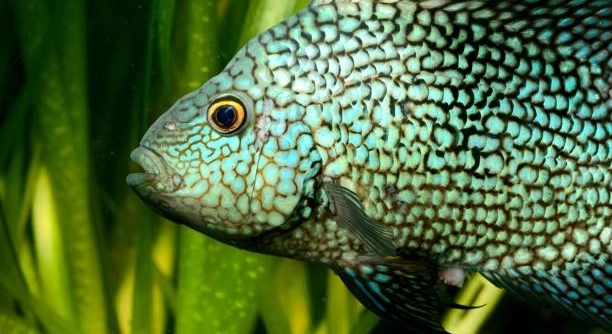
Jack Dempsey fish are known for their striking colors and lively behavior, which make them a favorite among aquarium enthusiasts. These fish communicate in subtle ways that can reveal their moods and intentions to other fish. Observing their signals helps owners understand them better.
Jack Dempsey fish exhibit social signals through body posture, fin movements, color changes, and specific behaviors. These signals indicate aggression, submission, courtship, or territoriality, allowing researchers and hobbyists to interpret interactions and maintain a balanced aquarium environment effectively.
Learning to recognize these behaviors can improve your care and interactions with Jack Dempsey fish in a home aquarium. Their social dynamics offer insight into their natural instincts and communication.
Recognizing Color Changes
Jack Dempsey fish often change color to communicate with others. When they feel threatened or stressed, their colors may darken, signaling discomfort or aggression. During courtship, males can display brighter colors to attract females. Observing these changes helps identify mood shifts quickly.
Color shifts are not random; they provide clear social signals for interaction.
Paying attention to the intensity and pattern of these colors can help prevent conflicts. A male showing dark stripes near a rival signals dominance and a warning. In contrast, a female might display subtle color shifts when receptive or stressed. Consistent monitoring allows adjustments in tank setup, such as adding hiding spots or separating aggressive individuals. Over time, recognizing these patterns improves both the fish’s wellbeing and your ability to manage their behavior. Using a calm approach during observations prevents further stress. Recording observations in a journal or photos can also help track changes. This method provides insights into their social dynamics, ensuring a balanced and peaceful aquarium environment.
Observing Fin Movements
Fins are an important part of Jack Dempsey communication. Spreading fins wide often signals dominance or readiness to defend territory. Quick, sharp fin movements can indicate agitation, while relaxed fins show calmness. These behaviors allow you to understand social hierarchies in the tank.
Fin displays provide immediate information about intentions.
Watching fin movements closely helps interpret interactions accurately. For example, a male spreading dorsal and anal fins while approaching another male shows territorial assertion. In courtship, a male may extend his fins to appear larger and more attractive to a female. Conversely, a fish keeping fins close to its body may be signaling submission or avoiding conflict. Tank conditions, like hiding places or open swimming areas, can influence these behaviors. Understanding fin displays aids in managing aggression and pairing fish successfully. Observing these subtle gestures ensures that social stress is minimized and encourages natural behaviors. Adjusting feeding routines or rearranging the tank can also help maintain harmony. Over time, interpreting fin movements becomes easier, allowing proactive care for each fish’s wellbeing.
Aggressive Displays
Jack Dempsey fish show aggression through chasing, lunging, or biting nearby fish. They flare their gill covers and spread fins wide to appear larger. Recognizing these signs early helps prevent serious injuries.
Aggressive behaviors are often linked to territory and dominance. When two males share a tank, they may engage in repeated confrontations, circling each other with flared fins and open mouths. Females may also show aggression if space is limited or if they feel threatened. Observing these patterns allows adjustments, like rearranging decorations or providing extra hiding spots to reduce tension. Feeding schedules can influence aggression too, as fish may compete over food. By monitoring these interactions consistently, you can maintain a safer and calmer tank environment. Understanding triggers and responses helps ensure all fish coexist with minimal stress.
Managing aggression also involves separating highly aggressive individuals if conflicts persist. Providing visual barriers and varied terrain reduces direct confrontations. Recognizing early warning signs like gill flaring or sudden lunges prevents escalation. Stress from continuous aggression can weaken immune systems, making fish more vulnerable to disease. By observing consistently, aggression is easier to predict and manage. Keeping a log of aggressive incidents helps identify patterns and make informed decisions. Adjusting tank size, decorations, and feeding routines contributes to a healthier social environment. With careful attention, Jack Dempsey fish can display natural behaviors without causing harm.
Courtship Signals
Males display brighter colors and erect fins to attract females during courtship. These signals indicate readiness to mate and establish dominance.
Courtship behavior is consistent and intentional. Males often swim in deliberate patterns, circling females while showing their most vibrant coloration. They may perform quick darting movements or shake their bodies gently to gain attention. Females respond with subtle gestures, such as slight color changes or fin movements, indicating receptivity or hesitation. These behaviors help pair compatible mates while reducing unnecessary conflict. Observing these signals allows you to identify compatible pairs early, ensuring successful breeding and minimal stress in the tank environment. Adjustments to tank conditions, like adding flat surfaces for spawning, further support natural mating behavior.
Creating an environment that encourages courtship involves providing proper space, lighting, and hiding spots. Males need room to display their full range of colors without intimidation from other males. Females benefit from areas where they can retreat if overwhelmed. Feeding high-quality food can also enhance coloration and energy, promoting more vivid and sustained displays. Monitoring interactions ensures that stress levels remain low, preventing aggression from interfering with courtship. Over time, recognizing subtle signals allows for smoother breeding management and a more balanced social hierarchy within the tank. Consistent observation helps maintain both health and natural behaviors.
Territorial Behavior
Jack Dempsey fish mark their territory by patrolling specific areas and chasing intruders. They may dig in the substrate or move decorations to signal ownership.
Territorial displays include flaring fins, circling intruders, and brief lunges. These behaviors help establish clear boundaries and reduce long-term conflict within the tank.
Submissive Signals
Submissive fish often lower their fins, retreat to corners, or avoid eye contact. These gestures prevent fights and maintain social balance.
Recognizing these behaviors allows you to protect weaker fish and manage tank harmony more effectively. Consistent observation ensures that dominant individuals do not cause unnecessary stress.
Feeding Reactions
Jack Dempsey fish show excitement and assertiveness during feeding. Quick movements, nudging, or rushing toward food indicate eagerness and social hierarchy.
Feeding reactions reveal which fish are dominant and which are more passive. Observing these interactions helps adjust feeding routines to ensure all fish receive adequate nutrition.
FAQ
How do I know if my Jack Dempsey fish is stressed?
Signs of stress include darkening colors, rapid gill movement, hiding frequently, or refusing food. Stress can also show in aggressive bursts or lethargy. Observing changes in normal behavior is key to identifying issues early. Consistent tank conditions help reduce stress.
Why does my Jack Dempsey flare its fins at other fish?
Fin flaring is a social signal that indicates dominance or territorial behavior. Males often flare when protecting space or showing aggression. It can also occur during courtship. Understanding the context helps determine if intervention is needed to prevent conflict.
How can I reduce aggression in my tank?
Providing ample space, hiding spots, and visual barriers reduces tension. Separating highly aggressive individuals when necessary is effective. Monitoring feeding routines and tank decorations can also minimize confrontations and keep social dynamics balanced.
What do color changes mean in Jack Dempsey fish?
Dark colors usually indicate stress, fear, or aggression. Bright, vibrant colors often signal courtship or confidence. Subtle shifts in hue can reflect mood changes, social hierarchy, or environmental comfort. Regular observation allows accurate interpretation of these signals.
How do Jack Dempsey fish communicate during courtship?
Males display bright colors, erect fins, and deliberate swimming patterns to attract females. Females respond with small fin adjustments or color changes to show receptivity. These signals reduce conflict and increase chances of successful mating in the tank.
Why does my fish dig in the substrate?
Digging is a natural behavior for marking territory, creating nests, or reducing stress. It can also indicate interest in spawning. Observing where and how often digging occurs helps understand the fish’s intentions and adjust tank layout accordingly.
How can I tell if a fish is submissive?
Submissive fish lower their fins, avoid eye contact, and retreat from dominant individuals. These behaviors prevent fights and maintain social order. Noticing these signals helps protect weaker fish and ensure a stable tank environment.
Do Jack Dempsey fish interact with other species?
They can coexist with certain species, but their territorial nature may cause conflicts. Careful selection of tank mates that tolerate dominance or are equally robust helps minimize stress and aggression. Observation is key to maintaining harmony.
What feeding behaviors indicate hierarchy?
Dominant fish often rush to food first, push others aside, or claim prime feeding spots. Passive fish wait or eat smaller portions. Monitoring these behaviors allows you to adjust feeding practices so all fish receive adequate nutrition.
How can I encourage natural social behavior?
Providing an enriched environment with plants, hiding spots, and open swimming areas encourages natural interactions. Observing daily behaviors and adjusting tank conditions promotes health, reduces stress, and supports normal social signals in the aquarium.
Can aggressive displays harm my fish?
Yes, unchecked aggression can cause injuries, stress, or disease susceptibility. Early recognition of flaring, lunging, or chasing helps prevent harm. Adjusting tank layout, separating individuals, or monitoring feeding reduces the risk of prolonged conflict.
Is it normal for Jack Dempsey fish to chase each other?
Short bursts of chasing are normal for establishing hierarchy or defending territory. Persistent chasing may indicate overcrowding, insufficient hiding spaces, or incompatible tank mates. Addressing these conditions ensures a healthier social balance.
How often should I observe social signals?
Daily observation is ideal. Monitoring interactions, color changes, fin movements, and feeding behavior helps detect stress, aggression, or illness early. Keeping a simple log can track patterns and inform adjustments for a balanced tank.
Can environmental changes affect social behavior?
Yes, changes in water temperature, pH, or decorations can influence interactions. Stable conditions support consistent behavior, while sudden changes may trigger aggression, stress, or territorial disputes. Gradual adjustments reduce negative effects.
What should I do if two males constantly fight?
Consider separating one male or adding barriers to reduce line-of-sight confrontation. Providing hiding spaces and enough swimming area can help, but persistent fighting usually requires tank division to protect both fish and maintain peace.
How do I know if my fish are ready to breed?
Males display bright colors and erect fins, while females show subtle color changes or fin adjustments. Courtship swimming patterns and digging behavior also indicate readiness. Ensuring appropriate tank conditions supports successful mating.
Is it normal for a Jack Dempsey to ignore tank mates?
Yes, passive or submissive fish may avoid interaction, especially with dominant individuals. Temporary isolation or retreating is a natural way to reduce stress. Observing these behaviors ensures the tank’s social balance is maintained.
How can I keep multiple Jack Dempsey fish together safely?
Provide a large tank with territories, hiding spots, and visual barriers. Monitor interactions, separate aggressive individuals if needed, and maintain proper feeding routines. Creating an environment that respects their natural behaviors minimizes conflict and promotes social stability.
Do Jack Dempsey fish recognize individual tank mates?
They may distinguish between dominant and submissive individuals through repeated interactions. Social hierarchy is established over time, and consistent observation helps understand relationships and manage the tank effectively.
What are early warning signs of conflict?
Gill flaring, chasing, lunging, and sudden color darkening signal potential conflict. Noticing these early allows preventive measures like separation or environmental adjustments, reducing stress and avoiding injuries.
How important is tank size for social behavior?
Tank size directly affects territorial behavior and aggression. Larger spaces reduce competition, allow natural interactions, and give each fish room to establish territory. Overcrowding increases stress and the likelihood of injuries or dominance disputes.
Can observing social signals improve care?
Yes, recognizing behaviors such as aggression, submission, courtship, and feeding patterns allows better tank management. Early detection of stress or conflict helps prevent injuries and ensures a healthier, more balanced aquarium environment.
Are these signals consistent across all Jack Dempsey fish?
While individual temperament varies, most fish display similar social behaviors. Understanding common signals provides a reliable framework for interpreting interactions, though attention to each fish’s personality is important for effective management.
How do I respond to sudden aggression?
Separate the aggressive fish if injury risk is high. Adding barriers or rearranging decorations can reduce visual triggers. Observing tank conditions and feeding routines helps prevent future incidents and maintains social harmony.
What tools help monitor social signals?
Journals, photos, and regular observation periods allow tracking of color changes, fin movements, and interactions. Recording behaviors provides insights into patterns, helping manage aggression, courtship, and stress more effectively.
Can tank decorations influence behavior?
Yes, hiding spots, plants, and rocks provide refuge, reduce stress, and help establish territories. Proper layout minimizes aggression and supports natural social interactions among Jack Dempsey fish.
How long does it take to understand social signals?
Consistency and observation are key. Within a few weeks, patterns of aggression, submission, and courtship become clear. Keeping records accelerates understanding and allows better care decisions for individual fish.
What if my fish don’t display normal social behavior?
Unusual behavior may indicate stress, illness, or improper tank conditions. Reviewing water quality, tank setup, and social dynamics can reveal causes and guide corrective actions to restore normal interactions.
Are juvenile Jack Dempsey fish social?
Yes, but their signals are less pronounced. Juveniles may establish pecking order and begin showing fin flares, chasing, or color changes. Observing these behaviors helps anticipate adult social dynamics and manage the tank appropriately.
How do I balance multiple males in one tank?
Ensure plenty of space, hiding areas, and visual barriers. Monitor interactions closely. Separation or larger tanks may be needed to reduce conflicts and allow males to establish territories without harming each other.
Can observing social signals prevent illness?
Indirectly, yes. Stress and aggression can weaken immunity. Monitoring behavior allows early intervention, reducing disease risk. Healthy social conditions support overall wellbeing and prevent stress-related health issues.
What behaviors indicate a healthy fish?
Bright coloration, normal swimming patterns, regular feeding, and balanced interactions signal good health. Consistent social behavior without excessive aggression or submission indicates that the fish is comfortable in its environment.
How often should I adjust the tank layout?
Adjust as needed to reduce conflicts or improve hiding spots. Changes should be gradual to avoid stressing the fish. Observation guides when and where adjustments are necessary.
Are there differences in social signals between males and females?
Yes, males are more territorial and display more aggressive or courtship signals. Females show subtler signs like color shifts or fin adjustments. Recognizing these differences helps interpret interactions correctly.
Do Jack Dempsey fish communicate with other species?
They may display dominance or avoidance behaviors toward other species. Careful observation ensures compatible tank mates and reduces stress caused by interspecies interactions.
Can environmental enrichment affect social behavior?
Yes, plants, rocks, and open swimming areas encourage natural behaviors and reduce boredom. Enrichment supports social interactions and lowers aggression in confined spaces.
Is isolation ever necessary?
Isolation may be required for highly aggressive or injured fish. Providing a separate tank or divider ensures safety and allows recovery without disrupting social order in the main tank.
How do I know if social signals are effective?
Signs include reduced fighting, successful courtship, and balanced feeding. Fish exhibiting normal behaviors with minimal stress indicate that social communication is functioning well.
Can Jack Dempsey fish form bonds?
They recognize dominant and submissive individuals over time. While not bonding like mammals, repeated interactions create predictable social relationships that stabilize tank dynamics.
What role does water quality play in social behavior?
Poor water conditions increase stress, triggering aggression or abnormal behaviors. Maintaining proper pH, temperature, and cleanliness supports natural social interactions and overall fish health.
How can I document social signals effectively?
Keep a journal, note color changes, fin movements, and interactions. Photos or short videos help track patterns, providing insights into social hierarchies and behaviors over time.
Are all aggressive displays dangerous?
Not always. Brief flaring or chasing is normal for establishing hierarchy. Dangerous aggression involves biting, persistent chasing, or injury risk, requiring intervention. Observation distinguishes harmless displays from harmful behaviors.
How do I balance feeding for multiple fish?
Provide multiple feeding points and distribute food evenly. Monitor dominant fish to prevent monopolization and ensure passive fish get sufficient nutrition. Consistency reduces conflict and supports healthy social interactions.
What if courtship fails?
It may indicate stress, lack of space, incompatible pairs, or improper conditions. Adjusting tank environment, providing hiding spots, and ensuring optimal water quality can encourage successful courtship attempts.
Do Jack Dempsey fish communicate while resting?
Yes, subtle color shifts or fin positions may signal presence or submission even while inactive. These quiet signals help maintain social balance without active interaction.
How do I introduce new fish safely?
Use a quarantine tank initially. Gradually acclimate new fish while monitoring social behavior. Providing hiding spots and visual barriers reduces aggression during introductions.
Can social signals change over time?
Yes, as fish mature, establish hierarchy, or experience environmental changes. Observing consistently ensures you adapt management practices to evolving social dynamics.
How important is observation for long-term tank health?
Daily observation is critical. It allows early detection of stress, aggression, or illness. Understanding social signals supports proactive care and ensures a healthy, balanced environment for all fish.
How do I know if a fish is comfortable?
Relaxed fins, normal swimming, and balanced interactions with other fish indicate comfort. A comfortable fish will display natural behaviors without excessive aggression or hiding.
Can Jack Dempsey fish adapt to new tankmates?
Yes, but adaptation requires careful monitoring. Providing space, hiding spots, and gradual introductions reduces stress and allows social hierarchy to develop naturally.
How do I prevent territorial disputes?
Provide large tanks with multiple hiding areas and clear boundaries. Observing interactions and separating aggressive fish when needed prevents escalation and ensures peaceful coexistence.
Are there seasonal changes in behavior?
In home aquariums, seasonal changes may be minimal, but variations in temperature or lighting can influence activity levels, aggression, and courtship signals. Consistent tank conditions reduce unnecessary behavioral changes.
What is the most common social mistake owners make?
Overcrowding, poor observation, and neglecting hiding spaces lead to aggression and stress. Recognizing social signals early prevents conflicts and ensures a healthier, calmer aquarium environment.
Can I train my fish to reduce aggression?
While not trainable like mammals, consistent feeding routines, observation, and environmental adjustments influence behavior. Reducing triggers and providing structured environments helps minimize unnecessary aggression.
How do I know if a fish is healthy socially?
Balanced interactions, clear courtship signals, proper feeding behavior, and absence of injury indicate healthy social behavior. Observing patterns consistently confirms overall wellbeing.
Can tank mates influence Jack Dempsey behavior?
Yes, aggressive or submissive species can trigger corresponding behaviors. Choosing compatible species and monitoring interactions ensures stable social dynamics.
How long do social hierarchies last?
Hierarchies can persist for months once established, though they may shift with new introductions or environmental changes. Observing signs ensures peaceful adjustments.
Do Jack Dempsey fish use sound or vibration to communicate?
Primarily, they rely on visual cues. Subtle vibrations or movement in water may accompany displays, but visual signals like color and fin posture dominate their social communication.
How do I adjust tank setup for better social harmony?
Provide adequate space, hiding spots, visual barriers, and enrichment. Observe interactions and rearrange decorations if conflicts arise. Regular maintenance and monitoring support balanced social behavior.
What is the best way to monitor multiple fish?
Divide observation sessions by area, record behaviors, and track changes over time. Focus on color, fin movements, feeding order, and interactions to understand hierarchy and social dynamics.
Are social signals always easy to interpret?
Some subtle gestures, like slight color shifts or fin flicks, may be hard to notice initially. Regular observation improves interpretation and reduces misreading behaviors.
Can I ignore minor aggression?
Brief, non-injurious displays are normal for hierarchy. Focus on repeated or harmful behaviors. Ignoring minor signals helps maintain natural interactions without overreacting.
What adjustments help a stressed fish?
Provide hiding spots, maintain water quality, separate aggressive tank mates if needed, and observe feeding patterns. Reducing environmental stressors allows recovery and restores social balance.
How does age affect social signals?
Young fish display subtler signals and gradually learn hierarchy. Mature fish show more pronounced aggression, courtship, and territorial behaviors. Understanding developmental stages aids proper management.
Are there signs of dominance besides fin flaring?
Yes, chasing, faster feeding, controlling prime spaces, and color intensity indicate dominance. Monitoring these signals helps understand hierarchy and prevent conflicts.
How do I respond to sudden submission?
Ensure the fish is not stressed or ill. Provide hiding spots and avoid aggressive tank mates. Observing behavior over time helps determine if this is normal or problematic.
Can multiple females reduce male aggression?
Yes, having more females can balance male focus and reduce direct conflict. Careful observation ensures fair distribution of attention and reduces stress in the tank.
Do Jack Dempsey fish remember past conflicts?
They may recognize dominant or aggressive individuals from repeated interactions. This memory helps maintain hierarchy and reduces unnecessary confrontations over time.
How important is water temperature for social behavior?
Stable temperature supports normal activity, aggression levels, and courtship behavior. Fluctuations can increase stress, trigger aggression, or disrupt social signals.
What if my fish stop displaying social signals?
It may indicate stress, illness, or environmental issues. Check water quality, tank setup, and health. Correcting these factors often restores normal behavior.
Can observing one fish provide insight into others?
Yes, dominant or highly interactive fish influence overall tank behavior. Observing their actions helps predict responses and manage group dynamics effectively.
How do hiding spots influence social signals?
They reduce stress, prevent aggression, and allow submissive fish to retreat. Proper placement supports natural behavior and minimizes conflicts.
Is social behavior the same in captivity as in the wild?
Basic signals like aggression, submission, and courtship remain similar, but limited space and fewer tankmates may alter intensity or frequency of displays.
How do I manage a newly established hierarchy?
Provide space, monitor interactions, and separate overly aggressive fish if needed. Maintaining stable conditions helps hierarchy settle quickly and reduces stress.
Are social signals always visual?
Primarily, yes. Color changes, fin movements, and body posture convey most information. Subtle water movement may accompany behaviors but is less noticeable.
Can social signals predict breeding success?
Yes, observing courtship displays, receptivity signals, and territorial behavior indicates readiness to breed. Proper environment enhances successful mating.
How do I prevent bullying in a mixed tank?
Ensure enough space, hiding spots, and multiple feeding areas. Monitor interactions and separate persistent aggressors. Adjusting environment reduces stress and promotes fair access to resources.
Do Jack Dempsey fish respond to human presence?
They may show curiosity or excitement during feeding but rely mainly on social signals with other fish. Human presence can influence feeding behavior but not hierarchy.
How can I tell if a fish is unhappy?
Signs include hiding excessively, losing color, refusing food, or avoiding interaction. These behaviors indicate stress and the need for environmental adjustments.
Is it normal for fish to change behavior suddenly?
Yes, sudden changes may result from stress, illness, or environmental shifts. Consistent observation helps identify causes and address them promptly.
How important is tank size for social health?
Larger tanks allow territories to form, reduce aggression, and support natural behaviors. Overcrowding increases stress and disrupts social signals.
Can observing behavior prevent injuries?
Yes, noticing aggression, territorial disputes, or chasing early allows intervention before physical harm occurs. Preventive observation maintains a safe environment.
How do I know if a fish is happy?
Relaxed fins, normal swimming, balanced feeding, and proper social interactions indicate comfort and wellbeing. Consistent behavior shows the fish is thriving in the tank.
What is the best way to introduce tank mates?
Use a quarantine tank, gradually acclimate, provide hiding spots, and monitor behavior closely. This reduces stress and supports smoother social integration.
How do I encourage natural social behavior?
Provide space, hiding spots, enrichment, and consistent feeding. Observing interactions ensures hierarchy and communication remain healthy, reducing unnecessary aggression and stress.
Can observing feeding behavior reveal social hierarchy?
Yes, dominant fish often eat first or claim the best spots. Monitoring who defers or waits reveals the social ranking within the tank.
What is the role of visual barriers in social behavior?
They reduce direct confrontations, allow retreats, and prevent constant stress. Proper placement supports natural communication and territorial behaviors without injury.
How do I monitor subtle behaviors?
Pay attention
Jack Dempsey fish are fascinating creatures with distinct social behaviors that reflect their natural instincts. Understanding these behaviors can make keeping them in a home aquarium more rewarding and less stressful. By observing color changes, fin movements, and body language, owners can gain insight into the fish’s mood and intentions. These signals indicate aggression, submission, courtship, or territoriality, and recognizing them helps maintain balance in the tank. Paying attention to subtle behaviors is just as important as noticing more obvious actions. Even minor shifts in posture or hue can signal a change in social dynamics, such as a fish asserting dominance or a submissive individual avoiding conflict. Consistent observation allows owners to intervene when necessary and prevent escalation of aggression, ensuring a healthier environment for all fish.
Creating a tank environment that supports natural social behavior is equally important. Providing ample space, hiding spots, visual barriers, and enrichment opportunities allows Jack Dempsey fish to display their instincts without constant confrontation. Territorial disputes are common, especially among males, but they can be managed effectively through careful tank design. Feeding routines also play a role in social dynamics, as competition over food can trigger aggression. By distributing food evenly and providing multiple feeding areas, passive fish are given a fair chance to eat while dominant individuals maintain their positions. Environmental stability, including consistent water quality and temperature, reduces stress and encourages natural behaviors. Adjustments in tank layout, such as adding rocks, plants, or flat surfaces for courtship, support both comfort and interaction. Over time, a well-designed environment fosters clear social hierarchies, healthy communication, and a peaceful coexistence among tank mates.
Regularly monitoring social signals not only helps maintain harmony but also contributes to the long-term health of Jack Dempsey fish. Recognizing patterns of behavior, including aggression, submission, and courtship, allows owners to anticipate potential issues before they become serious. This knowledge aids in identifying stress, illness, or environmental problems early. Keeping track of interactions, whether through simple notes, photos, or videos, provides a useful reference for understanding the social dynamics of the tank. Over time, this consistent observation creates a deeper connection with the fish and allows for more informed care. Maintaining a calm, predictable environment and responding to the fish’s needs ensures that each individual can thrive. In this way, understanding and respecting social signals enhances both the wellbeing of the fish and the overall enjoyment of keeping them in a home aquarium.

Hello,
If you enjoy the content that we create, please consider saying a "Thank You!" by leaving a tip.
Every little bit helps us continue crafting quality advice that supports the health, happiness, and well-being of pets around the world, for pets of all shapes, sizes, and species.
We really appreciate the kindness and support that you show us!