
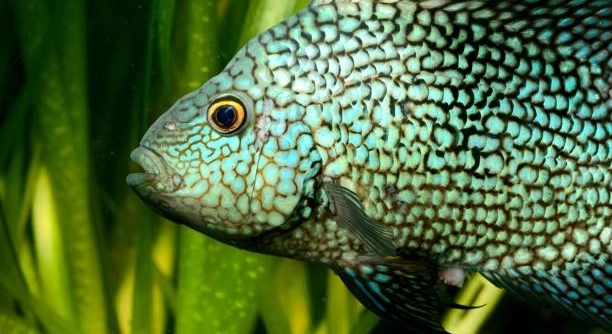
Jack Dempsey fish are striking and popular among aquarium enthusiasts. Their vibrant colors and active behavior make them appealing, yet keeping them outside in a pond requires careful planning. Many people consider outdoor ponds for these hardy cichlids.
Jack Dempsey fish can survive in outdoor ponds under specific conditions. They require stable water temperatures, proper filtration, and protection from predators. Ponds must be sufficiently deep and well-maintained to support their health and natural behaviors year-round.
Proper preparation and ongoing care are essential for maintaining a thriving pond environment for these fish. Understanding these requirements ensures their survival and wellbeing outdoors.
Ideal Pond Conditions for Jack Dempsey Fish
Jack Dempsey fish thrive in ponds that mimic their natural habitat. They need water temperatures between 75°F and 85°F, as sudden drops can stress them and make them vulnerable to disease. A pond should be at least 3 feet deep to prevent freezing in winter and to give them space to swim freely. Filtration is essential to maintain water clarity and reduce harmful toxins like ammonia and nitrites. Rocks, plants, and hiding spots help them feel secure and reduce aggression. Shade over part of the pond prevents overheating during hot days and protects delicate fins from sun damage. Regular water testing and partial water changes keep their environment stable and healthy. These fish are territorial, so avoid overcrowding and provide enough space for each one to reduce conflicts.
Stable water quality and proper depth are critical for their long-term health and stress reduction in outdoor ponds.
Maintaining a Jack Dempsey pond requires routine monitoring of temperature, pH, and ammonia levels. Use a reliable thermometer and test kit to ensure the water remains within safe parameters. Providing adequate shelter, such as plants, rocks, or small caves, helps reduce aggression. Feeding should be consistent but not excessive to avoid pollution. Seasonal adjustments, like adding a pond heater in winter or increasing shade in summer, are necessary. Regularly removing debris and decaying plant matter keeps water clean. Observing the fish daily helps detect early signs of stress or illness. With proper care, these fish can thrive and display their vibrant colors, turning a pond into a lively, dynamic environment that is both functional and visually appealing.
Feeding and Nutrition for Outdoor Ponds
Jack Dempsey fish need a balanced diet to stay healthy in outdoor ponds.
Feeding a variety of protein-rich foods, including pellets, insects, and occasional vegetables, ensures they get essential nutrients. Overfeeding can harm water quality.
In ponds, it is important to provide a diet that meets their nutritional needs while avoiding water contamination. Floating pellets or sinking food can be used depending on their feeding behavior. Introducing live or frozen foods occasionally stimulates natural hunting instincts and adds variety. Vegetables like peas or spinach can supplement their diet, providing fiber and preventing digestive issues. Monitoring feeding habits helps prevent overfeeding, which can lead to obesity and poor water quality. Dividing the feed into smaller portions throughout the day reduces competition and stress among fish. Clean up leftover food promptly to maintain a healthy pond ecosystem. Consistent feeding, combined with proper pond maintenance, ensures Jack Dempsey fish remain vibrant, active, and healthy.
Seasonal Care for Jack Dempsey Ponds
During colder months, Jack Dempsey fish require extra protection. If the pond is shallow, consider adding a pond heater or moving fish to a deeper section to prevent freezing. Sudden temperature changes can stress them and weaken their immune system.
Maintaining water quality during seasonal shifts is essential. Falling leaves, debris, and rain can change water chemistry, raising ammonia and lowering oxygen levels. Regularly check pH and ammonia levels, removing debris promptly. Aeration or a small pond pump helps maintain oxygen, especially in winter when ice may form on the surface. Monitoring temperature daily ensures it stays within safe limits.
Plants and shelter play a crucial role in seasonal care. Submerged or floating plants provide hiding spots and reduce stress. Rocks and artificial caves protect fish from extreme temperatures. Adjust feeding habits during colder months, offering smaller, less frequent meals as their metabolism slows. Observing behavior closely can help detect stress or illness early, ensuring a smooth seasonal transition and maintaining healthy fish.
Common Challenges in Outdoor Ponds
Algae growth and water clarity are frequent issues in outdoor ponds, affecting fish health and visual appeal.
Excess nutrients from overfeeding or decaying plants lead to algae blooms. Regular water testing and partial water changes prevent imbalances. Installing a filtration system and using floating plants can reduce sunlight exposure, limiting algae growth. Mechanical filters help remove debris and keep water clear.
Predators, including birds and raccoons, can harm Jack Dempsey fish. Covering ponds with netting or creating hiding spots helps protect them. Aggression among fish is another concern, as Jack Dempseys are territorial. Providing ample space and multiple shelters reduces conflicts. Seasonal maintenance, including removing debris and monitoring water parameters, is essential. Regular observation allows early detection of illness or stress. By addressing these challenges, ponds remain safe, clean, and suitable for healthy, vibrant fish.
Pond Filtration and Water Quality
A reliable filtration system is essential for Jack Dempsey ponds. It removes waste, debris, and toxins, keeping water clear and safe. Proper circulation also ensures oxygen reaches all areas of the pond.
Regular testing of ammonia, nitrite, and pH levels helps maintain a healthy environment. Partial water changes prevent buildup of harmful substances and keep fish active. A combination of mechanical and biological filtration works best. Plants can assist in nutrient absorption, reducing algae growth. Cleaning filters on a set schedule prevents clogs and maintains efficiency. Proper water quality supports growth, coloration, and overall wellbeing of the fish.
Pond Layout and Design
A thoughtfully designed pond helps reduce stress and aggression in Jack Dempsey fish. Rocks, caves, and plants provide hiding spots and establish territories. Varying depths allow fish to choose comfortable areas for swimming and resting.
Monitoring Fish Behavior
Watching behavior is crucial for pond health. Signs of stress, aggression, or illness can indicate water issues, overcrowding, or inadequate shelter. Early detection allows quick corrective action.
FAQ
Can Jack Dempsey fish survive in cold climates?
Jack Dempsey fish are tropical and prefer temperatures between 75°F and 85°F. In colder climates, they can survive only if the pond is deep enough to prevent freezing or if a pond heater is used. Shallow ponds or sudden drops in temperature can stress the fish and lead to illness.
How often should I feed Jack Dempsey fish in a pond?
Feeding depends on water temperature and activity. In warm months, two small meals per day are sufficient. In cooler months, reduce feeding to once daily or every other day, as their metabolism slows. Avoid overfeeding to prevent water contamination and maintain a clean pond environment.
What kind of plants should I include in an outdoor pond?
Floating and submerged plants are best. They provide hiding spots, reduce stress, and help absorb excess nutrients. Water lilies, hornwort, and anacharis are suitable options. Plants also offer shade, lowering water temperature and limiting algae growth, which keeps the pond balanced.
How can I protect my fish from predators?
Covering the pond with netting or wire mesh helps deter birds and raccoons. Rocks, caves, and dense plants give fish places to hide. Ensuring the pond has deeper areas also allows fish to escape surface predators. Regular observation helps identify and respond to threats quickly.
Can Jack Dempsey fish be kept with other fish?
They are territorial and aggressive, so compatibility is limited. They can live with other large cichlids or similarly sized fish that can hold their own. Avoid small, slow-moving, or passive species. Providing plenty of hiding spaces and maintaining ample pond space reduces conflict.
How do I maintain water quality in an outdoor pond?
Regular testing for ammonia, nitrites, nitrates, and pH is essential. Partial water changes and filter maintenance prevent harmful buildup. Removing fallen leaves and debris reduces nutrient spikes that promote algae. Aeration improves oxygen levels, especially in warmer weather or during ice formation in winter.
What is the best pond size for Jack Dempsey fish?
A minimum depth of three feet is recommended, with at least 500 gallons of water for a small group. Larger ponds provide better territorial boundaries, reduce aggression, and help maintain stable temperatures and water quality throughout the year.
How do I recognize signs of illness in Jack Dempsey fish?
Look for lethargy, loss of appetite, faded colors, clamped fins, or unusual swimming patterns. Rapid gill movement or scratching against surfaces may indicate parasites. Early detection allows prompt treatment and prevents disease spread, keeping the pond healthy for all inhabitants.
Is it necessary to aerate a Jack Dempsey pond?
Yes. Proper oxygen levels are critical for health. Aeration can be provided through pumps, waterfalls, or fountains. It is especially important in warmer months, when oxygen levels naturally drop, and in winter if ice covers the surface. Continuous oxygen circulation supports active, healthy fish.
How often should I clean the pond and filters?
Filters should be checked and cleaned every few weeks, depending on pond size and fish load. Mechanical filters remove debris, while biological filters support beneficial bacteria. Partial water changes and debris removal maintain clarity, reduce toxins, and create a stable environment for the fish.
Can Jack Dempsey fish reproduce in outdoor ponds?
Yes, if conditions are right. They require suitable hiding spots, stable temperatures, and clean water. Spawning can increase aggression, so monitoring behavior and providing extra shelters is essential to protect both parents and fry. Early separation of fry may be needed to ensure survival.
What should I do if water temperature drops suddenly?
Move fish to a deeper section or use a pond heater. Avoid sudden feeding changes, and monitor for stress or illness. Gradual temperature adjustments are safer, helping prevent shock and maintaining immune system strength.
Are there any common mistakes to avoid with Jack Dempsey ponds?
Overcrowding, overfeeding, poor filtration, and shallow ponds are the main issues. Ignoring water quality, failing to monitor temperature, or underestimating aggression can lead to stress, disease, or fatalities. Proper planning, regular maintenance, and careful observation prevent most problems.
How do I control algae in a Jack Dempsey pond?
Limit excess nutrients by avoiding overfeeding and removing decaying plant matter. Use floating plants to reduce sunlight exposure, and consider a mechanical filter. Algae-eating pond snails or shrimp can help, but manual removal and proper water maintenance remain essential for long-term control.
Can Jack Dempsey fish live with koi or goldfish?
It is not recommended. Jack Dempseys are aggressive and may attack slower, smaller, or docile pond fish. Mixing species can result in injuries or stress. Keeping them with similarly sized and assertive fish is safer, or maintaining a species-only pond ensures better harmony.
What daily care is needed for Jack Dempsey ponds?
Observe fish behavior, check water clarity, and remove debris. Ensure proper feeding without overfeeding, and monitor temperature and oxygen levels. Daily attention allows early detection of problems, ensuring the pond remains healthy, safe, and visually appealing.
How long can Jack Dempsey fish live in outdoor ponds?
With proper care, they can live 8–10 years or more. Stable water quality, correct temperature, sufficient space, balanced diet, and protection from predators all contribute to longevity. Regular observation and maintenance maximize their health and lifespan.
Are there any specific water parameters I should maintain?
Ideal pH is 6.5–8.0, temperature 75–85°F, and ammonia/nitrite at zero. Nitrate should remain under 40 ppm. Maintaining these parameters prevents stress, disease, and aggression, supporting overall pond health and vibrant fish.
What equipment is essential for a successful Jack Dempsey pond?
A reliable filtration system, aeration devices, pond heater (for cold climates), water test kits, and proper pond depth are essential. Rocks, caves, and plants support hiding spaces and territorial boundaries. Consistent monitoring and maintenance are just as important as the equipment itself.
Can I use chemicals to treat pond water?
Use chemicals cautiously. Only apply products specifically designed for ornamental ponds. Overuse can harm fish and beneficial bacteria. Mechanical filtration, partial water changes, and natural methods like plants are safer first steps for maintaining balance. Chemicals should be a last resort.
What are the signs that my pond is too small for Jack Dempsey fish?
Aggressive behavior, constant chasing, damaged fins, and stress-related health issues indicate overcrowding. Limited hiding spots and high water parameter fluctuations are also signs. Expanding the pond or reducing fish numbers is necessary to restore a safe and healthy environment.
How often should I check pond water temperature?
Daily checks during seasonal extremes are important. Thermometers help monitor changes, and immediate action is needed if temperatures fall below or rise above safe levels. Consistent monitoring protects fish health and prevents temperature-related stress.
Can I breed Jack Dempsey fish in the same pond as adults?
Breeding is possible but can lead to aggression toward fry. Providing ample hiding spots or separating the fry may be necessary. Monitoring parental behavior and water conditions ensures survival of young fish while maintaining adult health and stability.
Is it okay to have a shallow pond with Jack Dempsey fish?
Shallow ponds are risky. They are prone to freezing, temperature swings, and predator access. A depth of at least three feet is recommended to maintain stable water conditions and allow fish to swim and hide safely.
How do I prevent territorial fights among Jack Dempsey fish?
Provide sufficient space, hiding spots, and visual barriers. Avoid overcrowding and mix sizes carefully. Regular observation helps detect early aggression, and separating overly aggressive individuals may be necessary. Well-planned pond layouts reduce conflict and support healthier social interactions.
What is the best substrate for a Jack Dempsey pond?
Sand or fine gravel is ideal. It allows natural digging behavior and reduces the risk of injury. Avoid sharp or large rocks that can damage fins. Plants can be rooted in the substrate to provide shelter and enhance water quality.
Can I keep Jack Dempsey fish outdoors year-round?
Yes, in climates where temperatures remain stable or with pond heaters for colder periods. Proper shelter, water quality, and seasonal adjustments are required to protect the fish and maintain a healthy, balanced environment.
How do I introduce new Jack Dempsey fish to an existing pond?
Quarantine new fish for a few weeks to prevent disease. Introduce them gradually, providing hiding spots and monitoring behavior. Watch for aggression, and separate individuals if conflicts arise. Proper acclimation reduces stress and ensures smoother integration.
What maintenance schedule works best for a Jack Dempsey pond?
Daily observation, weekly debris removal, biweekly filter checks, and monthly partial water changes keep the pond healthy. Seasonal adjustments, such as adding heaters or increasing shade, are also necessary. Consistency ensures stable water conditions and thriving fish.
How can I reduce stress for Jack Dempsey fish in a pond?
Provide hiding spots, stable water parameters, and sufficient space. Avoid overcrowding, sudden changes, and excessive handling. Stress reduction improves health, color, and behavior, making the pond a comfortable environment for fish.
Is it safe to use fertilizers near a Jack Dempsey pond?
Fertilizers can harm fish if they enter the pond. Use pond-safe products only, or maintain a buffer zone around the pond to prevent runoff. Monitoring water quality after any application is essential to protect fish health.
How do I handle sudden illness in Jack Dempsey fish?
Isolate the affected fish in a quarantine tank if possible. Test water quality and adjust parameters. Use appropriate medications carefully, following instructions, and continue monitoring all pond inhabitants for signs of stress or infection. Early intervention increases recovery chances.
What is the ideal number of Jack Dempsey fish per pond?
A small group of three to five is manageable in a medium-sized pond, providing space for territories and reducing aggression. Larger groups require proportionally bigger ponds with ample hiding spaces to maintain harmony and water quality.
Can Jack Dempsey fish live with turtles?
It is not recommended. Turtles may stress or injure fish, and Jack Dempseys may become aggressive. Species-specific ponds are safer and reduce conflicts, ensuring both fish and potential pond inhabitants remain healthy.
Are Jack Dempsey fish sensitive to pH changes?
Moderate fluctuations are tolerated, but sudden shifts can stress them. Maintaining a pH between 6.5 and 8.0 with gradual adjustments prevents stress-related illness and supports healthy behavior and coloration.
How do I prevent pond water from becoming cloudy?
Use proper filtration, avoid overfeeding, and remove debris promptly. Floating plants reduce sunlight and algae growth. Regular water changes and mechanical cleaning maintain clarity and a healthy environment for Jack Dempsey fish.
Can I use pond dyes to control algae?
Yes, pond-safe dyes reduce sunlight penetration and algae growth. Use according to instructions and avoid overuse. Combining dyes with filtration, plants, and good maintenance provides better long-term results for clear water and healthy fish.
How do I acclimate Jack Dempsey fish to a new pond?
Float the bag in pond water for 15–20 minutes, gradually mixing pond water into the bag. Release fish slowly to reduce stress. Monitoring behavior and feeding patterns in the first days ensures a smooth transition and healthy adjustment.
Is it necessary to cover a Jack Dempsey pond?
Covering helps prevent predator access and reduces debris. Netting or mesh works best while allowing sunlight and air circulation. Proper coverage supports fish safety without restricting natural behaviors or water quality.
Can Jack Dempsey fish tolerate low oxygen levels?
No, they require well-oxygenated water. Aeration through pumps, waterfalls, or fountains is essential, especially in warm months or when ice forms. Low oxygen leads to stress, illness, and potentially fatal outcomes.
What are the signs of poor water quality in a pond?
Cloudy water, algae blooms, foul odor, or fish gasping at the surface indicate imbalances. Rapidly changing parameters can stress fish, so testing and correcting water chemistry promptly is critical for a healthy pond.
How do I handle aggressive behavior in Jack Dempsey fish?
Provide hiding spaces, reduce crowding, and separate overly aggressive individuals if necessary. Territorial disputes are normal but can escalate without adequate space and shelters. Monitoring interactions ensures a safer pond environment.
Can I mix Jack Dempsey fish of different sizes?
Mixing sizes increases aggression risk. Larger fish may dominate or injure smaller ones. If mixing is necessary, provide plenty of hiding spots, separate territories, and observe behavior closely to prevent stress and injury.
How do I know if my pond is too small for breeding?
Signs include constant fighting, damaged fins, and limited nesting space. Breeding requires additional shelters and space for fry. If the pond cannot accommodate this, consider a separate breeding setup or expand the pond to reduce stress.
What is the best water movement for Jack Dempsey ponds?
Moderate circulation is ideal. Strong currents can stress them, while stagnant water reduces oxygen levels and promotes debris accumulation. Using pumps or waterfalls helps maintain balance without disturbing natural swimming behavior.
How long does it take for Jack Dempsey fish to adjust to a new pond?
Adjustment usually takes one to two weeks. During this period, monitor feeding, behavior, and water parameters closely. Providing hiding spots, stable conditions, and gradual acclimation reduces stress and promotes healthy adaptation.
Can I add fish medications directly to the pond?
Only if the product is designed for full ponds. Otherwise, use a quarantine tank. Medications can disrupt beneficial bacteria and affect water chemistry. Careful use ensures fish recover without harming the overall pond environment.
What is the safest way to remove debris from the pond?
Use a net or pond vacuum to remove leaves, uneaten food, and plant material. Regular cleaning prevents ammonia spikes, reduces algae, and keeps water clear. Avoid stirring the bottom too much, as it can release harmful gases.
Can Jack Dempsey fish live with aquatic frogs?
It is not recommended. Jack Dempseys may attack frogs, and some frogs can stress the fish. Keeping species separately prevents injuries and maintains a balanced, safe pond environment.
How do I reduce temperature fluctuations in outdoor ponds?
Provide shade, deeper areas, and consider a pond heater in colder months. Stable temperatures reduce stress, prevent illness, and maintain healthy metabolism. Gradual changes are safer than sudden shifts.
What is the best way to introduce plants to a new pond?
Plant them gradually, starting with hardy species. Floating plants are ideal first. Ensure they are secured and monitor for nutrient imbalances. Plants improve water quality, offer shelter, and reduce algae growth.
Can I keep Jack Dempsey fish in a pond with goldfish?
Goldfish are slower and may be attacked. It is safer to keep Jack Dempseys with larger, assertive fish or in a species-only pond to reduce stress and prevent injuries.
How do I handle sudden water contamination?
Perform a partial water change immediately, remove debris, and test water quality. Isolate affected fish if necessary. Continuous monitoring prevents long-term damage and supports recovery.
Are Jack Dempsey fish sensitive to light changes?
Yes, sudden bright light or constant exposure can stress them. Provide shaded areas and vary lighting gradually to mimic natural conditions, supporting healthy behavior and coloration.
How can I prevent my pond from overheating in summer?
Use shade from plants or structures, maintain water circulation, and monitor temperatures. Deep areas help fish escape heat. Overheating can reduce oxygen levels and stress fish.
What is the ideal number of hiding spots per fish?
At least one hiding spot per fish is recommended. Multiple shelters reduce aggression, stress, and territorial disputes. Caves, plants, and rocks offer protection and comfort.
Can Jack Dempsey fish live in a pond without plants?
They can survive but will be more stressed. Plants provide shade, hiding spots, and nutrient absorption. A plant-free pond requires additional shelters and careful monitoring to maintain balance.
How do I prevent overpopulation in a Jack Dempsey pond?
Monitor breeding behavior and separate fry if necessary. Controlling the number of adults and providing adequate space prevents overcrowding, stress, and water quality issues.
Is it necessary to use a pond skimmer?
Yes, skimmers remove floating debris before it sinks and decomposes. This helps maintain water clarity, reduce nutrients, and prevent algae growth, keeping the pond healthy and clean.
How do I acclimate Jack Dempsey fry?
Float fry in pond water gradually, and provide shallow areas with shelters. Monitor feeding and water parameters closely. Gradual acclimation ensures survival and reduces stress.
Can Jack Dempsey fish tolerate low pH?
They prefer 6.5–8.0 pH. Lower levels can stress fish, damage fins, and increase susceptibility to disease. Gradual adjustments are safer than sudden changes.
What is the best method for removing excess algae?
Manual removal, plants, and proper filtration work best. Avoid overuse of chemicals. Reducing nutrients through careful feeding and debris management prevents recurring growth.
Can Jack Dempsey fish live with snails or shrimp?
Small shrimp may be eaten, and some snails may be stressed. Choose compatible species carefully or maintain a species-only pond to prevent predation and stress.
How often should I inspect fish for health issues?
Daily observation is ideal. Watch for color changes, lethargy, fin damage, or unusual behavior. Early detection allows timely intervention and prevents widespread problems.
Can Jack Dempsey fish survive if pond water evaporates?
No. Low water levels stress fish, increase temperature fluctuations, and reduce oxygen. Top off the pond regularly to maintain stable conditions and prevent harm.
How do I deal with aggressive mating behavior?
Provide extra shelters and separate fry from adults. Aggression is normal during spawning, but sufficient space and hiding spots reduce stress and injuries, keeping the pond safe for all fish.
What is the ideal water hardness for Jack Dempsey ponds?
Moderate hardness, around 8–15 dGH, is preferred. Extreme hardness or softness can stress fish and affect coloration, growth, and breeding. Regular testing ensures stability.
Can I use tap water directly in the pond?
No. Treat tap water to remove chlorine and chloramines. Direct use can harm beneficial bacteria and fish, destabilizing the pond environment. Condition water before adding to the pond.
How do I maintain consistent oxygen levels in winter?
Use aeration devices, break ice if it forms, or maintain a small hole in frozen areas. Consistent oxygen prevents stress and supports fish survival during cold months.
Is it necessary to provide hiding spots for young Jack Dempsey fish?
Yes. Fry are vulnerable to aggression from adults and other pond inhabitants. Rocks, plants, and artificial shelters protect them
Keeping Jack Dempsey fish in an outdoor pond can be rewarding, but it requires careful planning and consistent maintenance. These fish are tropical and territorial, which means the pond must provide stable water conditions, enough space, and proper shelter to support their natural behaviors. A minimum depth of three feet is recommended, along with sufficient volume to prevent temperature swings and maintain water quality. Filtration, aeration, and regular water testing are essential to keep ammonia and nitrite levels low. Floating and submerged plants not only improve water quality but also provide hiding spots that reduce aggression. Rocks, caves, and other structures give each fish a territory, which helps prevent constant fighting and stress. Maintaining a balance between open swimming areas and covered spaces is key to creating a functional and healthy environment.
Feeding in an outdoor pond requires attention to both quantity and type of food. Jack Dempsey fish need a protein-rich diet that includes pellets, insects, and occasional vegetables. Overfeeding can quickly pollute the pond, raising nutrient levels and encouraging algae growth, which affects water quality. Seasonal changes affect feeding frequency, as their metabolism slows in cooler temperatures. Observing feeding behavior helps detect stress or illness early. It is also important to monitor the social dynamics of the pond, as these fish are naturally aggressive. Introducing new fish should be done gradually, and hiding spots should be added to reduce conflicts. Regular observation, combined with proper feeding and shelter, ensures that Jack Dempsey fish remain healthy, active, and vibrant in an outdoor setting.
Seasonal care and predator protection are additional factors that influence the success of an outdoor pond. In colder months, using a pond heater or ensuring the pond is deep enough to avoid freezing is essential. During hot months, shade and water circulation help prevent overheating and maintain oxygen levels. Predators such as birds or raccoons can threaten the fish, so netting or adequate hiding spots are necessary for protection. Regular maintenance, including debris removal, partial water changes, and filter cleaning, helps keep the pond stable and safe. By addressing temperature control, feeding, shelter, and water quality consistently, Jack Dempsey fish can thrive in an outdoor pond for many years. A well-maintained pond not only supports the fish’s health and longevity but also creates a visually appealing and dynamic aquatic environment.

Hello,
If you enjoy the content that we create, please consider saying a "Thank You!" by leaving a tip.
Every little bit helps us continue crafting quality advice that supports the health, happiness, and well-being of pets around the world, for pets of all shapes, sizes, and species.
We really appreciate the kindness and support that you show us!