
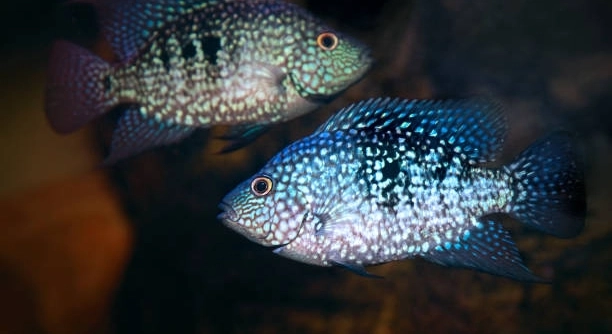
Jack Dempsey fish are popular for their vibrant colors and active personalities in home aquariums. Many hobbyists enjoy observing their behavior, especially how they interact with the tank environment and choose hiding spots for comfort.
Jack Dempsey fish generally adapt well to bare bottom tanks, as long as water quality is carefully maintained. The absence of substrate makes cleaning easier and reduces the risk of harmful bacteria or debris accumulation that could affect their health.
Proper tank setup and monitoring are key to keeping these fish healthy, ensuring their vibrant colors and energetic behavior continue to thrive.
Benefits of Bare Bottom Tanks for Jack Dempseys
Bare bottom tanks make cleaning much simpler and faster, which is ideal for Jack Dempseys. These fish produce a lot of waste, and having no substrate allows debris to be removed immediately. Water changes become more efficient, and the risk of leftover food causing poor water quality is minimized. Without sand or gravel, there is less chance for harmful bacteria to develop. This setup also allows better observation of the fish’s health and behavior. Signs of stress, injury, or disease are easier to detect, helping you respond quickly. Feeding is more controlled, as uneaten food is easy to spot and remove. It also reduces the likelihood of accidental ingestion of substrate, which can cause digestive issues. Overall, a bare bottom tank can create a cleaner, safer, and healthier environment for Jack Dempseys while keeping maintenance manageable.
Monitoring the tank closely ensures Jack Dempseys stay healthy and active without the risks posed by substrate buildup.
Many hobbyists prefer bare bottom tanks because they allow direct access to the fish and simplify routine care. Regular cleaning, checking water parameters, and maintaining filtration become straightforward tasks. Jack Dempseys can thrive in this setup if provided proper hiding spots, such as rocks or driftwood, to reduce stress. Minimal decorations reduce hiding places for leftover food or debris, keeping the tank clean. Fishkeepers can observe aggression, territorial behavior, and health more easily without substrate hiding details. Additionally, bare bottom tanks provide flexibility in rearranging the environment without disturbing the fish too much. While it may look less natural than planted tanks, it focuses on the fish’s needs and practical care. By balancing comfort, cleanliness, and observation, this approach helps maintain vibrant, healthy Jack Dempseys while reducing common aquarium issues.
Common Concerns and Misconceptions
Some people worry that bare bottom tanks are too harsh for Jack Dempseys. These fears often stem from assumptions about natural habitats and fish comfort.
Jack Dempseys are bottom dwellers and dig occasionally, but they adapt quickly to smooth surfaces. Without substrate, they may show digging behavior on rocks or decorations instead. It is important to provide hiding spots and enrichment to compensate for the lack of substrate. Smooth, bare surfaces reduce the chance of injury from swallowed gravel or sand. Many aquarists report that their fish remain active and display normal coloration in bare bottom setups. While bare tanks may not replicate a natural riverbed, they offer practical benefits, such as easier maintenance, better water quality, and reduced risk of disease. By understanding the fish’s behavior and providing alternative enrichment, bare bottom tanks can be a safe and effective choice for maintaining healthy Jack Dempseys over the long term.
Tank Setup Tips for Bare Bottom Jack Dempseys
A bare bottom tank requires careful planning to keep Jack Dempseys comfortable. Smooth surfaces prevent injury, and hiding spots like rocks or driftwood reduce stress. Proper filtration and regular water changes are essential for maintaining a healthy environment.
Positioning decorations thoughtfully allows enough open space for swimming while offering shelter. Jack Dempseys are territorial, so spacing hiding spots helps reduce aggression. Using a strong filter ensures water stays clear despite frequent feeding and waste. Consistent monitoring of temperature, pH, and ammonia levels keeps the tank stable. Bare bottom tanks simplify cleaning, but maintaining these basics ensures the fish remain vibrant and active.
Choosing the right tank size is also important. Larger tanks reduce aggression and allow more freedom to swim. Avoid overcrowding, as Jack Dempseys can become stressed. Enrichment items like smooth stones or sturdy plants improve mental stimulation. Proper lighting enhances coloration, and careful feeding routines prevent water quality issues. With attention to these details, bare bottom tanks can support healthy, happy Jack Dempseys over the long term.
Feeding and Maintenance Strategies
Feeding in a bare bottom tank is straightforward and helps prevent leftover food from fouling the water. Regular removal of uneaten food is critical.
Offering a varied diet of pellets, frozen, and occasional live food promotes growth and coloration. Overfeeding can quickly pollute the water, so smaller, frequent meals work best. Observation during feeding lets you monitor appetite and behavior. Maintaining consistent water changes and checking filtration ensures waste is removed promptly. Weekly cleaning of decorations and tank walls prevents algae buildup. Bare bottom tanks make these tasks easier, keeping the environment safer for Jack Dempseys.
Maintenance should include regular water testing to track ammonia, nitrate, and nitrite levels. Keeping a log of changes helps catch problems early. Cleaning filter media and adjusting flow ensures proper circulation. Monitoring fish health, such as observing for signs of stress or illness, is easier without substrate hiding issues. Providing enrichment and ensuring stable conditions reduce stress and territorial aggression. By combining careful feeding practices with consistent maintenance, a bare bottom setup can be both efficient and supportive of Jack Dempseys’ long-term well-being.
Ideal Water Conditions
Jack Dempseys thrive in stable water conditions with a temperature between 74–80°F and a pH of 6.5–7.5. Regular testing ensures the water remains safe, reducing stress and supporting healthy growth. Proper filtration and circulation are essential in bare bottom tanks.
Ammonia and nitrite levels should remain at 0 ppm, with nitrates under 40 ppm. Frequent water changes help maintain these levels. Bare bottom tanks make spotting changes easier, allowing for quick adjustments to protect the fish. Consistency in water parameters promotes vibrant colors and active behavior, keeping Jack Dempseys healthy.
Behavior and Territorial Needs
Jack Dempseys are naturally territorial and sometimes aggressive. Providing multiple hiding spots helps reduce fights and stress. Observation of their interactions allows intervention if aggression becomes harmful. Bare bottom tanks make these behaviors easier to monitor, helping maintain harmony in the aquarium.
Selecting Decorations
Smooth rocks, driftwood, and sturdy artificial plants offer shelter and enrichment. Avoid sharp edges that could injure the fish. Decorations should be arranged to provide both open swimming space and secluded areas, supporting natural behavior while keeping the tank easy to clean.
FAQ
Do Jack Dempseys need substrate to be healthy?
Jack Dempseys do not require substrate to thrive. They adapt well to bare bottom tanks, which make cleaning easier and reduce the risk of harmful bacteria. As long as hiding spots and decorations are provided, the fish remain comfortable and exhibit normal behavior.
Will bare bottom tanks stress Jack Dempseys?
Bare bottom tanks do not inherently stress Jack Dempseys. Providing adequate hiding spots, maintaining stable water conditions, and ensuring proper tank size all help reduce stress. Observing the fish regularly allows you to address any signs of aggression or discomfort quickly.
How often should water be changed in a bare bottom tank?
Water should be changed weekly or more often depending on tank size and fish load. Bare bottom tanks make water changes simpler since there is no substrate to clean around. Regular changes maintain low ammonia and nitrate levels, supporting fish health.
Can Jack Dempseys dig or damage decorations without substrate?
While Jack Dempseys naturally dig, they will adjust to bare surfaces by interacting with decorations instead. Smooth rocks, driftwood, and sturdy plants provide alternative areas for digging behavior without harming the fish or tank setup.
Is feeding easier in a bare bottom tank?
Feeding is easier because uneaten food is visible and can be removed quickly. Small, frequent meals prevent water contamination, and observation during feeding helps monitor appetite and health. This also reduces the risk of overfeeding and poor water quality.
Do Jack Dempseys show normal colors in bare bottom tanks?
Yes, they maintain vibrant coloration if water conditions, diet, and stress levels are properly managed. Bare bottom tanks allow better monitoring of skin and fin condition, making it easier to notice color changes or signs of illness early.
What tank size works best for bare bottom Jack Dempseys?
A tank of at least 55 gallons is recommended for a single adult Jack Dempsey. Larger tanks reduce territorial aggression and provide ample swimming space. Multiple hiding spots and proper filtration are essential for larger setups to maintain stable conditions.
Can plants survive in bare bottom tanks?
Plants can survive if anchored securely in pots or attached to decorations. While planting directly in substrate isn’t possible, hardy plants like Anubias, Java Fern, or moss attached to rocks or driftwood can still provide enrichment and visual appeal.
Is aggression more noticeable in bare bottom tanks?
Aggression is more visible because there is no substrate to hide behind. This allows you to monitor interactions closely and intervene if necessary, preventing injuries. Proper spacing of hiding spots helps minimize conflicts between fish.
Are bare bottom tanks easier for beginners?
Bare bottom tanks simplify cleaning and water monitoring, which can be helpful for beginners. While decorations and hiding spots still need consideration, the maintenance is generally more straightforward, reducing common problems like substrate buildup or hidden uneaten food.
How can I enrich a bare bottom tank?
Providing smooth rocks, driftwood, and sturdy plants allows natural behaviors like hiding and exploration. Rotating decorations occasionally keeps the environment stimulating, and arranging multiple shelters helps reduce territorial disputes among Jack Dempseys.
Do bare bottom tanks affect water quality?
They improve water quality by reducing places for waste to accumulate. Filtration and regular water changes remain important, but the absence of substrate simplifies maintenance, making it easier to maintain optimal conditions for healthy, active fish.
Can juveniles and adults live together in a bare bottom tank?
Yes, but careful monitoring is required. Juveniles are more vulnerable to aggression from adults. Providing multiple hiding spots and maintaining appropriate tank size reduces stress and allows both age groups to coexist safely.
Do bare bottom tanks impact breeding?
Bare bottom tanks can be suitable for breeding. The absence of substrate allows easy monitoring of eggs and fry. Providing flat surfaces or smooth rocks gives a safe place for spawning, and water quality is easier to control for successful hatching.
Is decoration placement important in bare bottom tanks?
Yes, thoughtful placement ensures enough swimming space and reduces stress. Multiple hiding spots allow Jack Dempseys to establish territories and prevent fights. Decorations should be stable to avoid tipping or injuring the fish during interactions.
How do I maintain tank hygiene without substrate?
Cleaning is straightforward—debris and uneaten food are easily removed. Regular water changes, filter maintenance, and wiping tank walls keep conditions optimal. Bare bottom tanks reduce hidden areas where bacteria or algae could accumulate, supporting long-term fish health.
Do Jack Dempseys prefer any specific bottom type?
They adapt well to smooth bare surfaces, rocks, or sand. Comfort depends more on water quality, hiding spots, and territory security than substrate type. Bare bottom setups are fully compatible with their natural behavior when properly arranged.
Will a bare bottom tank affect aggression levels?
It does not increase aggression directly, but visibility is higher. Proper tank size, multiple hiding spots, and monitoring interactions are key to managing aggression among Jack Dempseys.
Can bare bottom tanks be visually appealing?
Yes, strategic decoration placement and healthy plants make the tank attractive. Clear water, active fish, and well-maintained decorations create a clean, vibrant display that highlights Jack Dempseys’ colors and behaviors.
Are there long-term benefits to bare bottom tanks?
Long-term benefits include easier cleaning, better water quality, improved observation of fish health, and reduced risk of substrate-related problems. These factors support overall well-being and longevity of Jack Dempseys.
How do I introduce new fish in a bare bottom tank?
Quarantine new fish first, then add them gradually while monitoring interactions. Multiple hiding spots help reduce initial aggression. The open layout allows you to intervene quickly if disputes arise, keeping all fish safe.
Can bare bottom tanks work for multiple Jack Dempseys?
Yes, but space and hiding spots are crucial. Larger tanks reduce stress, and visual barriers help manage territorial behavior. Careful observation ensures compatibility and prevents injuries.
What are common mistakes with bare bottom tanks?
Overcrowding, lack of hiding spots, and inconsistent water changes are common errors. Neglecting filtration or monitoring parameters can quickly affect fish health. Bare bottom tanks simplify maintenance but still require regular care.
How often should decorations be cleaned?
Weekly or biweekly cleaning is recommended, depending on algae or debris buildup. Remove decorations carefully, rinse with water, and avoid harsh chemicals. Clean surfaces improve water quality and prevent bacterial growth.
Is a bare bottom tank suitable for long-term housing?
Yes, with proper care, bare bottom tanks are suitable for long-term housing. Fish remain healthy, colorful, and active when water quality, hiding spots, and feeding practices are properly managed.
Can bare bottom tanks reduce diseases?
They reduce the risk of substrate-related infections and parasites. Easier cleaning and monitoring help catch early signs of illness. Regular water changes and filtration remain essential for overall disease prevention.
Are Jack Dempseys more visible in bare bottom tanks?
Yes, their colors and behavior are more noticeable. This visibility allows for better observation of health, aggression, and activity levels, making care more effective.
How do I keep water stable in a bare bottom tank?
Use reliable filtration, regular water changes, and monitor temperature, pH, and ammonia. Consistent care maintains stable conditions and reduces stress, keeping Jack Dempseys vibrant and healthy.
Can bare bottom tanks support live plants long-term?
Yes, if attached to rocks or driftwood. Low-maintenance plants like Anubias or Java Fern thrive without substrate, providing enrichment and natural aesthetics.
Do bare bottom tanks save time on maintenance?
Yes, cleaning and water changes are quicker without substrate. Observing fish and removing debris becomes easier, making routine tasks more efficient while keeping the tank safe.
Will Jack Dempseys behave naturally in bare bottom tanks?
Yes, they exhibit normal behaviors such as swimming, digging around decorations, and defending territories. With proper setup, bare bottom tanks support natural behavior fully.
Are bare bottom tanks better for observing breeding behavior?
Yes, eggs, fry, and parental care are more visible without substrate. This makes monitoring reproduction easier and ensures better protection for the young fish.
Do Jack Dempseys require different feeding in bare bottom tanks?
Feeding is more controlled, allowing uneaten food to be removed immediately. Smaller, frequent meals prevent water contamination and help maintain optimal health.
How do I reduce algae growth in a bare bottom tank?
Regular water changes, controlling light exposure, and occasional cleaning of decorations and walls reduce algae buildup. Bare bottom surfaces make this process simpler and more effective.
Is monitoring water parameters easier without substrate?
Yes, water clarity improves observation of ammonia, nitrite, and nitrate levels. Immediate detection of changes allows faster intervention and protects the fish’s health.
Do bare bottom tanks impact fish growth?
No, growth depends on diet, water quality, and stress levels. Bare bottom tanks can support healthy, full-grown Jack Dempseys when properly maintained.
Can bare bottom tanks support a planted aquascape?
Yes, by anchoring plants to rocks or driftwood. While substrate-based planting isn’t possible, creative placement allows a visually appealing, functional environment.
Are bare bottom tanks more hygienic for Jack Dempseys?
Yes, removing debris and waste is easier. This reduces bacteria buildup, improves water quality, and supports overall fish health.
Do Jack Dempseys need enrichment in bare bottom tanks?
Yes, hiding spots, smooth rocks, and driftwood provide mental stimulation and encourage natural behavior, compensating for the lack of substrate.
How do I prevent stress in a bare bottom tank?
Provide stable water parameters, hiding spots, and sufficient space. Regular observation ensures early detection of aggression or illness, keeping fish comfortable.
Can bare bottom tanks improve lifespan?
Yes, by reducing stress, disease risk, and water quality issues. Proper care and environment management contribute to healthier, longer-lived Jack Dempseys.
Do bare bottom tanks require more filtration?
Not necessarily more, but efficient filtration is crucial. The absence of substrate makes debris more visible, so maintaining proper flow and filter cleaning is important.
Are bare bottom tanks suitable for all cichlids?
Many cichlids adapt well, but species with burrowing or substrate-dependent breeding habits may prefer substrate. Jack Dempseys, however, thrive in bare bottom setups.
How do I arrange hiding spots effectively?
Distribute rocks, driftwood, and plants evenly to prevent territorial disputes. Multiple shelters reduce stress and encourage natural behavior while keeping the tank organized and accessible.
Do bare bottom tanks affect water chemistry?
They simplify water maintenance, reducing debris accumulation. Regular monitoring and water changes are still essential to maintain stable pH, ammonia, and nitrate levels.
Can I mix Jack Dempseys with other fish in a bare bottom tank?
Yes, with careful species selection and adequate space. Hiding spots and monitoring behavior help reduce aggression and maintain harmony among tankmates.
How do I clean a bare bottom tank efficiently?
Use a siphon or vacuum to remove debris. Wipe walls and decorations, and perform regular water changes. The lack of substrate makes the process faster and more effective.
Is there a visual downside to bare bottom tanks?
Some may find them less natural, but clear water, vibrant fish, and well-placed decorations create an attractive and easy-to-maintain display.
How do bare bottom tanks impact territorial behavior?
They make territories more visible. Proper spacing, multiple shelters, and monitoring reduce conflicts and allow Jack Dempseys to establish their areas safely.
Are bare bottom tanks suitable for breeding pairs?
Yes, smooth surfaces and easily monitored conditions support egg-laying and fry care, making breeding management simpler.
Do Jack Dempseys enjoy bare bottom tanks?
They adapt well and exhibit natural behaviors, including swimming, defending territory, and interacting with decorations, showing comfort in a well-maintained environment.
What is the best cleaning routine for bare bottom tanks?
Weekly water changes, daily debris removal, and biweekly decoration cleaning maintain hygiene and optimal water quality, keeping Jack Dempseys healthy and active.
Are bare bottom tanks cost-effective?
Yes, they reduce substrate purchase, cleaning tools, and time spent on maintenance, making them efficient for long-term care.
Do bare bottom tanks affect fish social behavior?
Social interactions remain normal. Multiple hiding spots and proper space help reduce stress and aggression while encouraging natural territorial behaviors.
How do I maintain stable temperature in a bare bottom tank?
Use a reliable heater and monitor daily. Stability is critical for Jack Dempseys’ metabolism, coloration, and overall health.
Can bare bottom tanks support high fish density?
They allow better monitoring, but overcrowding increases aggression and stress. Maintaining appropriate density is essential for long-term health.
How do I reduce stress during tank cleaning?
Clean carefully, avoid sudden movements, and provide hiding spots. Bare bottom setups make cleaning quicker and less disruptive for Jack Dempseys.
Is bare bottom care suitable for busy owners?
Yes, reduced cleaning time and simplified monitoring make it easier to maintain a healthy tank without daily labor-intensive tasks.
Can bare bottom tanks handle strong water currents?
Yes, currents can be adjusted with filtration. Jack Dempseys enjoy moderate flow, but strong currents should be balanced with sheltered areas.
Do bare bottom tanks require special lighting?
Standard aquarium lighting works. Brightness should enhance fish coloration and plant growth if present, without causing stress or excessive algae.
Are bare bottom tanks practical for long-term observation?
Yes, they allow clear visibility of health, behavior, and interactions. This makes ongoing care and monitoring more effective.
How do I prevent boredom in bare bottom tanks?
Rotate decorations, add hiding spots, and provide enrichment objects. This encourages natural exploration and reduces stress.
Can bare bottom tanks support multiple species?
Yes, if species are compatible and space is sufficient. Adequate hiding spots reduce territorial conflicts and support coexistence.
How do bare bottom tanks affect fry survival?
They improve visibility, allowing better protection and monitoring. Clean surfaces reduce risk of fungal or bacterial infections, supporting higher survival rates.
Is a bare bottom tank suitable for small Jack Dempseys?
Yes, juveniles adapt quickly. Multiple hiding spots and careful monitoring reduce stress and aggression from older fish.
Do bare bottom tanks reduce parasite risk?
Yes, substrate-free environments reduce areas for parasite accumulation. Regular water changes and observation remain necessary to prevent infection.
Are bare bottom tanks more hygienic for feeding?
Yes, uneaten food is easily removed, reducing bacterial growth and maintaining water quality for Jack Dempseys.
Can Jack Dempseys establish territories without substrate?
Yes, decorations and open space allow natural territorial behavior. Proper placement of hiding spots reduces conflicts and stress.
Do bare bottom tanks support fish enrichment?
Yes, decorations, driftwood, and plants encourage natural behaviors and prevent boredom. Changing layouts occasionally provides additional stimulation.
How do I manage aggression in a bare bottom tank?
Provide multiple hiding spots, adequate space, and monitor interactions. Intervention is easier without substrate hiding disputes, helping maintain harmony.
Can bare bottom tanks prevent health issues?
They reduce substrate-related injuries and bacteria buildup. Coupled with good feeding, water quality, and enrichment, they support long-term fish health.
Are bare bottom tanks suitable for long-term breeding projects?
Yes, they simplify monitoring, water maintenance, and fry care, making breeding more manageable and improving survival rates.
Do bare bottom tanks require different equipment?
No special equipment is needed beyond standard filtration, heating, and decorations. The setup focuses on easy maintenance and visibility.
Can bare bottom tanks reduce cleaning time?
Yes, no substrate means debris is easy to remove, water changes are simpler, and monitoring is more efficient, saving time and effort.
Do bare bottom tanks allow easy observation of disease?
Yes, injuries, fin rot, and abnormal behavior are easier to spot, enabling quicker intervention and treatment.
How do I maintain proper water flow in a bare bottom tank?
Adjust filters and circulation devices for even flow. Avoid strong currents that stress Jack Dempseys, while providing adequate oxygenation.
Are bare bottom tanks safe for juvenile Jack Dempseys?
Yes, they adapt well. Adequate hiding spots and careful monitoring reduce stress and protect them from aggression by adults.
Can bare bottom tanks support high-maintenance fish care?
Yes, they simplify many tasks while allowing focused care on feeding, health, and enrichment, making overall maintenance more efficient.
Do bare bottom tanks require daily attention?
Daily observation is recommended, but cleaning is less time-consuming. Quick checks help ensure water parameters, fish health, and feeding are optimal.
How do bare bottom tanks affect natural behaviors?
Natural behaviors like swimming, defending territory, and interacting with decorations remain intact. They adjust digging habits to available surfaces without substrate.
Are bare bottom tanks practical for small spaces?
Yes, their simplified maintenance and cleaning make them suitable for apartments or areas with limited access, while still supporting healthy Jack Dempseys.
Can bare bottom tanks support multiple age groups?
Yes, with proper hiding spots and monitoring, juveniles and adults can coexist safely, reducing stress and aggression.
Do Jack Dempseys interact differently without substrate?
They adapt well, showing typical swimming, territorial, and exploratory behavior. Decorations and hiding spots compensate for the lack of substrate.
How often should water parameters be tested in bare bottom tanks?
Weekly testing is recommended. Regular checks of ammonia, nitrite, nitrate, and pH ensure safe, stable conditions for Jack Dempseys.
Can bare bottom tanks reduce algae growth naturally?
Yes, absence of substrate limits algae attachment surfaces. Regular cleaning and controlled lighting further reduce buildup.
Do bare bottom tanks require substrate replacement?
No substrate is used, eliminating this maintenance task entirely. Cleaning focuses on decorations, walls, and water quality.
Are bare bottom tanks better for observing growth?
Yes, size, coloration, and behavior are more visible, allowing easier tracking of development and health in Jack Dempseys.
Can bare bottom tanks support long-term fish comfort?
Yes, with proper hiding spots, water quality, and feeding routines, Jack Dempseys remain comfortable, healthy, and active over the long term.
Do bare bottom tanks save money over time?
Yes, they reduce substrate, cleaning tools, and maintenance needs, making them cost-efficient while supporting fish health.
Are bare bottom tanks ideal for monitoring aggression?
Yes, open visibility makes territorial disputes easy to observe and address promptly, reducing injury risk among Jack Dempseys.
Can bare bottom tanks improve survival rates for fry?
Yes, clear surfaces and easier water maintenance reduce infection risks, providing a safer environment for eggs and juvenile fish.
Jack Dempsey fish are resilient and adaptable, and bare bottom tanks can be an excellent choice for their care. These setups simplify cleaning, reduce hidden waste, and allow for more straightforward monitoring of water quality and fish health. By removing substrate, debris is easier to see and remove, which helps maintain consistent water parameters. This is particularly important for Jack Dempseys, as they produce significant waste and can be sensitive to sudden changes in water chemistry. Regular water testing and filtration remain essential, but the overall maintenance becomes more manageable, making the care routine less time-consuming while still supporting the fish’s well-being.
Providing a bare bottom environment does not compromise the fish’s comfort or natural behavior, as long as the tank includes hiding spots and decorations. Smooth rocks, driftwood, and sturdy plants give Jack Dempseys places to establish territories, explore, and reduce stress. These additions compensate for the lack of substrate while still allowing the fish to engage in natural behaviors, such as territorial displays and digging interactions around decorations. Proper tank layout ensures that aggression is minimized and that multiple fish can coexist more peacefully. Bare bottom tanks also make it easier to observe behavior, detect health issues, and intervene if problems arise, which can be more challenging in tanks with substrate.
Overall, a bare bottom tank is both practical and effective for keeping Jack Dempseys healthy and active. The setup emphasizes water quality, observation, and ease of maintenance, while still offering enrichment through decorations and hiding places. Feeding becomes simpler, waste removal is more efficient, and monitoring growth, coloration, and health is easier without substrate hiding details. With careful attention to water parameters, tank size, and environmental enrichment, Jack Dempseys can thrive long-term in a bare bottom tank. This approach allows hobbyists to focus on the fish’s needs rather than managing substrate, ensuring a clean, safe, and supportive environment that encourages natural behavior and promotes overall well-being.

Hello,
If you enjoy the content that we create, please consider saying a "Thank You!" by leaving a tip.
Every little bit helps us continue crafting quality advice that supports the health, happiness, and well-being of pets around the world, for pets of all shapes, sizes, and species.
We really appreciate the kindness and support that you show us!