
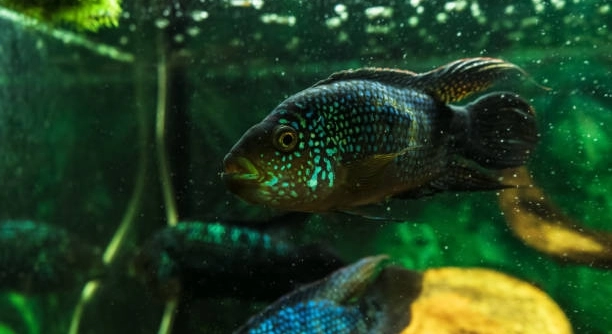
Are your Jack Dempsey fish flashing more than usual in the aquarium? This behavior can seem alarming at first, leaving many fish owners unsure of what is causing these sudden, repeated movements. Watching them closely can reveal patterns.
Frequent flashing in Jack Dempsey fish is commonly caused by external irritants such as parasites, poor water quality, or abrasive surfaces. Stress, dietary deficiencies, and social interactions with other fish can also contribute to this behavior in their environment.
Understanding the reasons behind these flashes can help you maintain a healthier, calmer aquarium and prevent potential long-term issues for your fish.
Water Quality Issues
Poor water quality is one of the main reasons a Jack Dempsey fish may flash often. Ammonia, nitrite, or nitrate levels that are too high can irritate their skin and gills. Sudden changes in temperature or pH can also stress the fish, causing them to rub against tank surfaces. Even small amounts of chlorine or heavy metals in tap water can trigger this behavior. Keeping the tank clean, testing water regularly, and performing partial water changes are essential steps to maintain a safe environment. Additionally, overcrowding in the tank can worsen water conditions and make flashing more frequent. Using a reliable filtration system and avoiding sudden chemical treatments can prevent unnecessary stress. Monitoring water quality closely ensures your Jack Dempsey remains healthy and reduces constant flashing, allowing them to display their natural colors and behaviors without irritation or stress. Consistency in water maintenance is key to a calm, stable habitat.
Maintaining proper water parameters is essential for reducing flashing and keeping fish healthy. Regular tests prevent unexpected stress.
Proper water care involves regular testing, filtering, and consistent maintenance routines to create a stable environment where your fish can thrive safely.
Parasites and Skin Irritations
External parasites like ich or flukes can cause repeated flashing. Tiny irritations on the skin or fins make the fish rub against surfaces.
Parasites attach to the skin or gills, causing discomfort and stress. These irritations trigger flashing as the fish attempts to remove them. Monitoring for small white spots, redness, or inflamed areas helps identify infestations early. Treatments vary depending on the parasite, including medicated baths, salt treatments, or specialized parasite medications. Maintaining clean water reduces the risk of outbreaks, and quarantining new fish before adding them to the tank helps prevent infestations. Proper nutrition strengthens the immune system, allowing Jack Dempsey fish to fight off infections more effectively. Observing your fish daily helps catch problems early, preventing prolonged stress and damage. Addressing parasites quickly not only improves the fish’s behavior but also ensures the overall health of the aquarium, keeping other fish safe from spreading infections. Prevention and early action are crucial to managing skin irritations and reducing flashing.
Stress from Tank Mates
Jack Dempsey fish may flash frequently when stressed by other fish in the tank. Aggressive or overly active tank mates can trigger irritation, making them rub against decorations or substrate to relieve discomfort.
Stress from incompatible tank mates often causes continuous flashing and defensive behaviors. Territorial disputes, chasing, or sudden attacks can make Jack Dempsey fish feel unsafe. Even peaceful fish can create tension if the tank is overcrowded, leaving little space for hiding or resting. Providing adequate space, visual barriers, and careful selection of compatible species helps reduce this stress. Monitoring interactions and adjusting tank arrangements can prevent prolonged irritation and flashing, promoting a calmer environment. Observing behavior patterns daily ensures that your fish’s social needs are met, keeping them healthy and less prone to stress-induced flashing.
Behavioral stress can also result from environmental changes, such as new decorations or rearranged substrates. Gradual introductions and stable surroundings minimize irritation. Keeping consistent routines, feeding schedules, and avoiding sudden disturbances helps Jack Dempsey fish feel secure and reduces the urge to flash.
Dietary Deficiencies
Flashing can sometimes indicate dietary issues, including missing nutrients or imbalanced food. Lack of essential vitamins and minerals may cause skin irritation and discomfort.
A proper diet is crucial for maintaining healthy skin, scales, and immune function. Feeding Jack Dempsey fish a varied diet that includes high-quality pellets, live or frozen foods, and occasional supplements ensures they receive necessary nutrients. Nutrient deficiencies can lead to weakened immune systems, making fish more susceptible to parasites and skin issues that increase flashing. Feeding appropriate portions prevents overfeeding, which can also impact water quality and contribute indirectly to stress and irritation. Observing eating habits helps identify if a fish is not getting enough nutrition. Correcting diet issues often reduces flashing over time, while promoting overall vitality.
Consistent, balanced feeding not only prevents health problems but also supports calmer, more stable behavior. Maintaining variety in the diet helps fish thrive and reduces repeated flashing episodes.
Sharp or Rough Decorations
Sharp rocks or rough surfaces in the tank can cause Jack Dempsey fish to flash frequently. Scraping against these areas irritates their skin and fins.
Removing or smoothing abrasive decorations reduces irritation. Providing soft, rounded substrates and hiding spots allows the fish to explore safely without injury.
Sudden Environmental Changes
Sudden changes in water temperature, lighting, or tank layout can trigger flashing. Jack Dempsey fish are sensitive to abrupt shifts in their environment. Gradual adjustments help them adapt without stress. Consistency in maintenance routines ensures they remain comfortable and less prone to flashing behaviors.
Illness or Infection
Flashing can also indicate illness or infection. Bacterial, fungal, or viral problems often cause discomfort, prompting rubbing and flashing against surfaces. Early detection is essential. Regular observation and maintaining clean water can prevent outbreaks. Prompt treatment minimizes stress and helps the fish recover faster, reducing frequent flashing.
Natural Behavior
Some flashing is normal and part of Jack Dempsey fish’s natural behavior. They may rub occasionally to maintain healthy skin or scales. Observing frequency and intensity helps distinguish normal behavior from stress-induced flashing.
FAQ
Why does my Jack Dempsey flash more at night?
Flashing at night is often linked to changes in lighting and activity levels. Lower light can make them more sensitive to minor irritations. It may also be a reaction to tank mates moving more actively in dim lighting. Ensuring stable day and night cycles and providing hiding spots can reduce nighttime flashing.
Can poor water quality cause constant flashing?
Yes, water with high ammonia, nitrites, or nitrates can irritate their skin and gills. Sudden shifts in pH or temperature also trigger stress-related flashing. Regular testing, partial water changes, and a good filtration system help maintain healthy water conditions. Stable water quality prevents repeated flashing episodes.
Is flashing always a sign of disease?
Not necessarily. While infections, parasites, or skin irritations can cause flashing, some rubbing is part of normal behavior. Observing patterns, physical signs like spots or inflammation, and frequency helps determine if the behavior is due to illness or simple environmental adjustment.
How do parasites cause flashing in Jack Dempsey fish?
External parasites attach to skin or gills, creating constant irritation. The fish respond by rubbing against objects to relieve discomfort. Early detection is important. Look for small white spots, redness, or clamped fins. Treatments can include salt baths, medicated foods, or specific anti-parasitic medications depending on the parasite type.
Can tank mates increase flashing?
Aggressive or territorial fish can stress Jack Dempsey fish, causing frequent rubbing and flashing. Even smaller or peaceful fish may trigger stress if space is limited. Observing interactions and adjusting tank population, layout, or adding visual barriers can help reduce stress-induced flashing.
Does diet affect flashing behavior?
Yes, nutritional deficiencies can weaken skin and immune systems, leading to more irritation and flashing. Feeding a varied diet of high-quality pellets, live or frozen foods, and occasional supplements ensures proper nutrition. Proper feeding prevents skin problems, supports immune health, and reduces unwanted flashing behaviors.
How can I tell if flashing is serious?
Frequent, intense flashing combined with visible signs such as redness, sores, or clamped fins is a warning of irritation, infection, or poor water quality. Mild or occasional rubbing is normal. Monitoring your fish daily and keeping track of changes helps identify serious problems early.
Will flashing stop on its own?
If flashing is due to minor environmental irritation or natural behavior, it may decrease once conditions stabilize. Persistent or worsening flashing usually indicates a problem requiring attention, such as water quality issues, parasites, or dietary concerns. Taking proactive steps helps your fish recover faster.
Can tank decorations influence flashing?
Yes, sharp or rough surfaces can scratch their skin, causing frequent rubbing. Smooth substrates, rounded decorations, and safe hiding spots reduce irritation. Proper tank arrangement supports natural movement while minimizing accidental injury that triggers flashing.
Should I isolate a flashing Jack Dempsey?
Isolation is sometimes helpful, particularly if flashing is caused by aggression from tank mates or contagious infections. Quarantining sick fish allows targeted treatment while preventing stress or spread to other fish. Ensure the isolation tank maintains proper water conditions and hiding areas to reduce stress.
How important is observation in preventing flashing?
Daily observation is key. Noticing subtle changes in behavior, appetite, or appearance allows early intervention. Promptly addressing issues like parasites, diet, or water quality helps prevent prolonged stress and frequent flashing. Consistent monitoring ensures a healthier, calmer environment for your fish.
Can changing the tank environment reduce flashing?
Gradual changes in lighting, decoration, or layout can help. Sudden shifts cause stress, leading to flashing. Introducing new elements slowly and maintaining familiar areas reduces irritation. Consistency in water temperature, lighting, and daily routines supports stable behavior and minimizes flashing tendencies.
Do Jack Dempsey fish flash for comfort?
Occasional flashing or rubbing can be a natural way to maintain skin and scale health. It’s normal if it is infrequent and not paired with other stress indicators. Observing patterns helps distinguish between harmless behavior and flashing caused by stress or irritation.
What are common mistakes fish owners make that increase flashing?
Overcrowding, poor water maintenance, incompatible tank mates, rough decorations, and improper diet are frequent causes. Ignoring early signs of stress or infection allows flashing to persist. Maintaining proper care routines, balanced nutrition, and a suitable environment reduces unnecessary flashing behaviors and keeps fish healthy.
How can I prevent flashing in the future?
Regular water testing, consistent feeding, careful tank mate selection, safe tank decorations, and routine observation are all preventive measures. Addressing minor issues early prevents irritation, stress, or infections. Establishing stable, comfortable conditions keeps Jack Dempsey fish calmer and minimizes flashing.
When should I seek professional help?
If flashing is persistent, severe, or accompanied by physical symptoms such as lesions, fin damage, or rapid breathing, consulting a veterinarian or aquatic specialist is recommended. Prompt professional advice ensures accurate diagnosis and treatment, preventing further health decline.
Does stress alone cause flashing?
Yes, stress from overcrowding, bullying, or sudden changes can lead to repeated flashing. Providing space, hiding spots, and minimizing disturbances helps reduce stress-induced rubbing and supports overall fish wellbeing.
Are some Jack Dempsey fish more prone to flashing?
Individual temperament and sensitivity vary. Some are naturally more reactive to environmental changes, tank mates, or minor irritants. Recognizing these tendencies allows for tailored care, reducing the likelihood of frequent flashing while promoting a stable environment.
Can lighting affect flashing frequency?
Harsh or inconsistent lighting can stress Jack Dempsey fish, causing increased rubbing. Gradual transitions between light and dark, and avoiding overly bright or flickering lights, help maintain a calm environment and reduce flashing behavior.
Is flashing always visible immediately?
Not always. Some fish flash intermittently or only under certain conditions. Monitoring behavior at different times of day, under varying tank conditions, and during interactions with other fish ensures that flashing patterns are accurately identified.
Does water hardness or pH impact flashing?
Yes, extreme pH or water hardness levels can irritate fish skin and gills, increasing flashing. Keeping parameters stable and within recommended ranges for Jack Dempsey fish reduces irritation, supports overall health, and prevents stress-related flashing.
Can temperature fluctuations trigger flashing?
Sudden drops or rises in temperature can stress fish, causing them to rub or flash frequently. Maintaining a stable, appropriate temperature range reduces irritation and prevents unnecessary flashing behavior, ensuring a comfortable and safe environment.
Are there natural remedies to reduce flashing?
Maintaining clean water, balanced diet, safe decorations, and stress-free tank conditions are the most effective natural measures. Salt baths for minor irritation or parasite prevention can help, but proper water care and nutrition remain the most reliable ways to minimize flashing.
How long does it take for flashing to stop once issues are addressed?
Once underlying problems like water quality, parasites, or diet are corrected, flashing may reduce within a few days to a week. Persistent issues indicate that additional intervention may be necessary, emphasizing the importance of monitoring and prompt corrective action.
Can flashing indicate multiple issues at once?
Yes, flashing may result from a combination of stress, poor water quality, parasites, and dietary deficiencies. Addressing all potential factors simultaneously is often the most effective approach to reducing repetitive flashing behavior.
Is flashing more common in younger or older Jack Dempsey fish?
Both can flash, but younger fish may be more sensitive to environmental changes, while older fish might show flashing due to weaker immunity or accumulated stress. Observing individual behavior and adjusting care accordingly helps minimize irritation and flashing in all ages.
Does tank size influence flashing frequency?
Smaller, overcrowded tanks increase stress and friction with surfaces, often causing more flashing. Providing sufficient space and hiding spots reduces irritation and promotes calmer behavior, helping Jack Dempsey fish feel secure and less prone to repeated flashing.
Can I use medications preventively for flashing?
Preventive medications are generally not recommended unless treating a known issue. Overuse can stress fish and disrupt water quality. Proper tank care, diet, and observation are safer and more effective ways to prevent flashing before problems arise.
Does flashing affect overall health?
Frequent flashing can indicate underlying stress, irritation, or infection, all of which affect health. Addressing the root cause maintains wellbeing, prevents further complications, and helps your Jack Dempsey fish remain active, vibrant, and healthy in the long term.
What is the best long-term approach to prevent flashing?
Consistent water maintenance, balanced diet, compatible tank mates, safe decorations, stable environmental conditions, and daily observation create a healthy, low-stress environment. Addressing minor issues early ensures that flashing behavior remains minimal and your Jack Dempsey fish thrive.
How can I tell the difference between normal and concerning flashing?
Occasional, mild rubbing is normal. Frequent, intense flashing with visible skin irritation, lesions, or stress indicators signals a problem. Tracking patterns, combining observation with water tests and health checks, helps differentiate harmless behavior from conditions requiring intervention.
Is flashing more likely during certain seasons or temperature changes?
Seasonal temperature fluctuations, heater adjustments, or colder water in winter can stress fish, increasing flashing frequency. Maintaining a stable, appropriate temperature range throughout the year prevents irritation and supports consistent, calm behavior in Jack Dempsey fish.
Does tank cleaning cause temporary flashing?
Yes, sudden water changes or disturbed substrates can trigger temporary flashing due to stress or minor irritation. Performing gradual water changes and rearranging decorations carefully minimizes stress, helping fish adapt without excessive flashing.
Can flashing indicate fin or scale damage?
Repeated flashing can result from minor injuries or preexisting fin or scale damage. These areas become sensitive, prompting rubbing behavior. Ensuring smooth decorations, careful handling, and proper nutrition helps prevent irritation and supports healing.
How does stress interact with disease in flashing behavior?
Stress lowers immunity, making fish more vulnerable to parasites and infections. This combination often intensifies flashing, as fish attempt to relieve irritation while coping with weakened health. Minimizing stress is key to reducing flashing and supporting recovery.
Can Jack Dempsey fish recover fully from flashing-related stress?
Yes, with proper care, diet, water quality, and a calm environment, flashing frequency can significantly decrease. Promptly addressing causes and maintaining consistent routines ensures long-term health and reduces stress-related behavior effectively.
How often should I monitor water parameters to prevent flashing?
Testing water weekly for ammonia, nitrites, nitrates, pH, and hardness is recommended. Frequent monitoring detects changes early, preventing stress and irritation that cause repeated flashing, and keeps the tank environment stable for Jack Dempsey fish.
Are there signs that flashing is caused by diet rather than environment?
Nutritional deficiencies often accompany dull coloration, lethargy, or slower growth. If flashing coincides with poor appetite or other health issues, improving diet can reduce irritation and promote healthier skin and scales, decreasing rubbing behavior over time.
What role do hiding spots play in reducing flashing?
Adequate hiding places allow Jack Dempsey fish to escape stress or aggression. Safe areas reduce rubbing against surfaces and provide comfort, minimizing flashing caused by environmental or social stressors. Regularly arranging shelters helps maintain calm behavior.
Does overfeeding contribute to flashing?
Indirectly, yes. Overfeeding increases waste, deteriorating water quality, and stressing fish. Poor water quality triggers flashing due to irritation. Controlling feeding portions and maintaining clean water helps prevent this type of behavior.
Can flashing behavior return after treatment?
If underlying causes are not fully resolved, flashing can return. Continuous observation, proper tank care, and maintaining a stress-free environment help ensure that improvements are long-lasting and fish remain healthy.
Are there specific signs that flashing is caused by parasites?
Yes. Rapid, frequent rubbing accompanied by visible spots, redness, clamped fins, or scratching along tank surfaces often indicates parasitic irritation. Early treatment prevents severe stress and health complications, reducing repeated flashing episodes.
Is occasional flashing normal during feeding or play?
Yes, mild rubbing or flashing during activity can be normal. It usually does not involve intense, repeated flashing or signs of stress. Distinguishing normal behavior from problematic flashing requires observing frequency, intensity, and physical signs.
Can multiple factors contribute to flashing at once?
Yes, water quality, stress, diet, parasites, and environmental changes can all contribute simultaneously. Addressing only one factor may not fully stop flashing. A comprehensive approach ensures long-term improvement and fish wellbeing.
How can I balance observation without stressing my fish further?
Watch quietly and limit sudden movements. Observe patterns over time rather than constant monitoring. Minimizing disturbances while keeping track of behavior ensures you can detect issues early without increasing stress or flashing.
Do Jack Dempsey fish flash more in community tanks or species-only tanks?
Community tanks with active or aggressive fish may increase stress, leading to more flashing. Species-only tanks reduce competition and irritation, creating calmer conditions. Observing interactions and ensuring space and hiding spots help manage behavior in both setups.
Can I prevent flashing entirely?
Not entirely, as some rubbing is natural. However, maintaining clean water, proper diet, safe decorations, compatible tank mates, and consistent routines greatly reduces flashing frequency and ensures overall fish health and comfort.
What is the most common long-term solution to reduce flashing?
Stable water parameters, balanced nutrition, safe environment, stress reduction, and early intervention for parasites or illness are the most effective long-term strategies. Consistency in these practices prevents repeated flashing and promotes healthy, vibrant Jack Dempsey fish.
Jack Dempsey fish are beautiful and lively additions to any aquarium, but their flashing behavior can sometimes be confusing or concerning. Understanding why they flash often is key to keeping them healthy and comfortable. Flashes are usually a response to irritation, stress, or minor environmental issues. It can be related to water quality, parasites, diet, tank mates, or even rough surfaces in the tank. Observing your fish carefully and noting when and how often they flash helps identify potential problems. By paying attention to their behavior and environment, you can often address the cause before it becomes serious. Proper tank maintenance, such as regular water changes and monitoring parameters like pH, hardness, and ammonia levels, goes a long way in preventing stress and irritation. Even small improvements, like smoothing sharp decorations or adjusting lighting, can make a noticeable difference in reducing flashing and improving your fish’s overall wellbeing.
Flashing is not always a sign of illness, but persistent or severe flashing should not be ignored. External parasites, skin infections, or nutritional deficiencies can cause repeated rubbing and discomfort. Providing a balanced diet that includes high-quality pellets, live or frozen foods, and occasional supplements supports healthy skin and immune function. Likewise, ensuring that tank mates are compatible and that the aquarium is not overcrowded reduces stress-related flashing. Simple steps, like adding hiding spots, providing gentle water flow, or gradually adjusting environmental changes, can improve comfort and reduce repeated flashes. Observation is key, as early detection allows timely action. If flashing persists despite adjustments, consulting a veterinarian or aquatic specialist can help determine whether medical treatment is necessary. Addressing issues quickly not only relieves the fish but also prevents further complications in the tank.
Creating a calm, stable environment is the best way to prevent frequent flashing over time. Regular monitoring, consistent feeding, careful tank setup, and attention to water quality provide the foundation for healthy behavior. Small details, like using smooth substrates, spacing decorations properly, and maintaining gradual lighting and temperature changes, contribute to a stress-free habitat. While occasional flashing is natural, understanding its causes helps you respond appropriately and keep your Jack Dempsey comfortable. By combining preventive care, attentive observation, and prompt intervention when needed, flashing behavior can be minimized, allowing your fish to thrive. Ultimately, awareness, routine maintenance, and proper care ensure that your Jack Dempsey fish remain vibrant, healthy, and active in their environment.

Hello,
If you enjoy the content that we create, please consider saying a "Thank You!" by leaving a tip.
Every little bit helps us continue crafting quality advice that supports the health, happiness, and well-being of pets around the world, for pets of all shapes, sizes, and species.
We really appreciate the kindness and support that you show us!