
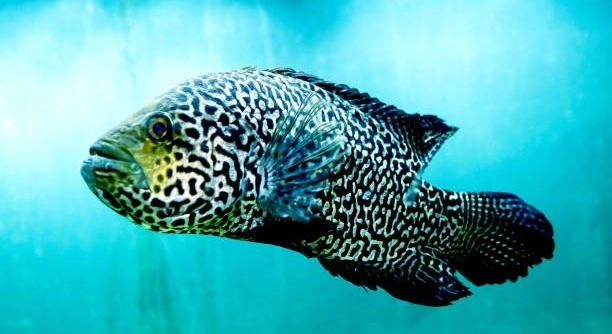
Jack Dempsey fish are known for their bright colors and lively behavior. Many aquarium owners enjoy watching them, but sometimes these fish can show aggressive tendencies that are hard to manage or predict.
Bullying among Jack Dempsey fish often arises from territorial behavior, competition for food, dominance hierarchies, overcrowding, stress, environmental changes, and lack of hiding spaces. Understanding these causes can help owners manage aggression and maintain a peaceful aquarium environment.
Knowing the reasons behind their aggression can help you create a calmer, healthier tank and prevent ongoing conflicts between your fish.
Territorial Behavior
Jack Dempsey fish are naturally territorial. In an aquarium, they often claim a certain area as their own and defend it aggressively. This behavior is more common in males, especially when they feel their space is threatened. New fish added to the tank can trigger fights, as the resident fish tries to reassert control. Overcrowded tanks worsen this issue, leaving little room for each fish to establish boundaries. Even decorations and plants can become contested zones. Territorial disputes can appear as chasing, nipping, or cornering other fish. Observing your tank closely can help identify which fish are most aggressive and where conflicts occur. Providing enough space and visual barriers, such as rocks or plants, can reduce tension. Separating highly aggressive fish or rearranging the tank layout also helps minimize repeated conflicts. Knowing how each fish interacts with its environment allows for better management and reduces overall stress.
Territorial aggression can be intense but usually decreases once each fish has a clearly defined space.
Maintaining proper tank size and structure is crucial. A tank that is too small makes it impossible for fish to have private zones. Decorations, caves, and plants give hiding spots and help establish territories naturally. Rearranging objects periodically can prevent any one fish from claiming a permanent stronghold. Observing fish behavior daily ensures early detection of escalating fights, allowing intervention before injuries occur. In some cases, separating the most aggressive individuals temporarily helps them calm down. Balancing male and female numbers also reduces dominance struggles, as mixed genders often create less tension. Consistent feeding schedules prevent food competition from increasing aggression. By understanding territorial needs and adjusting the environment, owners can foster a more peaceful aquarium where Jack Dempsey fish thrive without constant conflict.
Competition for Food
When food is limited, Jack Dempsey fish can become aggressive toward tankmates to secure their share.
Uneven feeding practices often lead to bullying, as dominant fish push aside smaller or weaker ones. Ensuring everyone gets enough food helps reduce this behavior.
Feeding should be done carefully to prevent competition. Smaller portions spread around the tank give each fish access to food, minimizing confrontations. High-quality, varied diets keep fish satisfied and less likely to fight. Observing feeding behavior helps identify which fish are consistently aggressive or slow eaters. Adjusting the feeding method, such as using multiple feeding spots or sinking pellets, can balance access. Additionally, maintaining consistent feeding times reduces stress and creates a predictable routine. Nutritional deficiencies sometimes increase irritability, so providing proper vitamins and proteins supports calmer interactions. Understanding the link between food availability and aggression allows owners to take proactive steps in preventing fights. By ensuring equitable access to nutrition, Jack Dempsey fish are less likely to engage in bullying behaviors, creating a healthier and more stable aquarium environment for all inhabitants.
Dominance Hierarchies
Jack Dempsey fish naturally establish social ranks in the tank. Higher-ranking fish often intimidate or chase lower-ranking ones.
Once a hierarchy forms, aggressive behavior can stabilize, but lower-ranking fish may still be stressed. Observing interactions helps determine which fish dominate and which need extra space or hiding areas.
Dominance affects access to food, resting spots, and territory. High-ranking fish often monopolize prime locations, leaving less desirable areas for others. Lower-ranking fish may become withdrawn or hide frequently. Providing multiple shelters and visual barriers reduces constant confrontations. Adjusting tank size, decorations, and fish numbers can also help maintain balance. Understanding social structures allows owners to intervene when necessary, ensuring all fish have space and resources to reduce ongoing aggression and maintain a healthier environment.
Stress and Environmental Changes
Stress significantly increases bullying among Jack Dempsey fish. Changes in water temperature, pH, or tank layout can make fish irritable.
Stress reduces tolerance for tankmates, triggering aggressive encounters. Maintaining stable water conditions and gradual adjustments prevents heightened aggression.
Environmental stressors can be subtle but impactful. Sudden introduction of new fish, loud noises, or frequent handling may elevate stress levels. Stress also makes fish more susceptible to disease, worsening conflicts if health declines. Proper filtration, consistent lighting, and regular water changes create a stable habitat. Providing adequate hiding spaces and minimizing disturbances helps fish feel secure. Monitoring water parameters, avoiding sudden changes, and maintaining a predictable routine can significantly reduce stress-related aggression. By addressing these factors, owners can prevent many bullying incidents and support calmer, healthier Jack Dempsey fish.
Overcrowding
Too many Jack Dempsey fish in a tank increases aggression. Limited space forces constant encounters, leading to more chasing and nipping.
Overcrowding leaves little room for territories or hiding spots. Fish become stressed and more likely to bully weaker tankmates, creating a tense environment.
Lack of Hiding Spaces
Insufficient hiding areas can worsen bullying. Fish without shelter feel exposed and stressed, which triggers aggressive behavior from dominant individuals.
Providing caves, plants, or rocks helps fish establish safe zones. Hiding spaces reduce direct confrontations and give lower-ranking fish a chance to rest and avoid repeated attacks.
Environmental Stress
Changes in water conditions or tank setup can make Jack Dempsey fish irritable. Sudden disturbances increase the likelihood of aggression and bullying.
Maintaining stable temperature, pH, and water quality, along with minimal handling, reduces stress. A predictable environment helps fish feel secure, lowering aggressive encounters and supporting overall tank harmony.
FAQ
Why do Jack Dempsey fish bully other fish?
Jack Dempsey fish are naturally aggressive and territorial. They often establish dominance over tankmates to secure food, space, and hiding spots. Stress, overcrowding, or sudden environmental changes can increase this behavior. Understanding their instincts helps manage interactions and reduce frequent bullying.
How can I tell if bullying is serious?
Signs of serious bullying include constant chasing, nipping, fin damage, and hiding. If a fish is visibly stressed, loses weight, or has torn fins, aggression is affecting its health. Immediate action, like separating the aggressive fish or adding barriers, is necessary to prevent injuries.
Can tank size affect aggression?
Yes, small tanks intensify bullying because there is limited space for territories. Larger tanks allow each fish to establish boundaries, reducing constant confrontations. Providing at least 55 gallons for multiple Jack Dempsey fish helps create more natural spacing and lowers stress.
Do decorations and hiding spots help reduce aggression?
Absolutely. Rocks, plants, and caves give fish safe zones where they can retreat. These structures break line-of-sight, prevent constant chasing, and help lower-ranking fish feel secure. Rearranging decorations occasionally also discourages dominant fish from claiming permanent territories.
Does the number of fish in the tank matter?
Yes. Overcrowding triggers competition and increases bullying. Keeping a balanced number of fish appropriate for the tank size is key. Avoid adding too many Jack Dempsey fish or aggressive species together. A moderate population helps maintain stability in social hierarchies.
Can diet influence bullying behavior?
Feeding practices play a role. Dominant fish may push others away if food is limited. Using multiple feeding points, spreading portions, and providing high-quality nutrition ensures all fish eat without competition, which reduces stress and aggression.
Will mixing males and females change behavior?
Mixed genders can sometimes reduce constant fighting if balanced properly. Too many males increase dominance disputes, while a balanced ratio often minimizes aggression. Observing interactions helps adjust the mix before bullying becomes severe.
Are there signs that a fish is too stressed to remain in the tank?
Yes. Excessive hiding, rapid breathing, loss of appetite, and fin damage are clear indicators. Stress makes fish more vulnerable to disease and aggressive attacks. Providing hiding spaces, reducing disturbances, or temporarily isolating the stressed fish can improve its condition.
Is it necessary to separate aggressive fish permanently?
Not always. Separation is recommended if aggression causes injuries or prolonged stress. Sometimes adjusting tank layout, adding hiding spots, or reducing numbers can restore harmony. Permanent separation is only needed for fish that continue to bully despite environmental changes.
How often should I monitor the tank for bullying?
Daily observation is ideal. Watching feeding times, resting areas, and interactions helps detect early signs of aggression. Immediate adjustments, such as rearranging decorations or separating fish, prevent injuries and maintain a healthier environment.
Can water quality affect bullying?
Yes. Poor water conditions cause stress and irritability, making fish more likely to attack tankmates. Regular water changes, consistent temperature, and stable pH are crucial for reducing aggression and supporting overall health.
Do juvenile Jack Dempsey fish bully less than adults?
Juveniles are usually less aggressive, but dominance behaviors can appear early. As they grow, territorial and hierarchical instincts increase. Proper tank space, hiding spots, and careful monitoring are essential during their development to prevent early bullying.
Is it normal for a single Jack Dempsey fish to be aggressive in a community tank?
Yes. Even one fish can dominate smaller or less assertive tankmates. Providing enough space, hiding spots, and a balanced community reduces tension, but occasional aggressive displays are part of their natural behavior.
How can I prevent bullying when introducing new fish?
Introduce new fish slowly and carefully. Using a quarantine tank or a divider allows residents to acclimate without immediate confrontation. Rearranging decorations before adding newcomers prevents established fish from claiming fixed territories and reduces attacks.
What is the best approach if bullying persists despite changes?
Persistent bullying may require separating the aggressive individual. Ensure the tank meets all space and environmental needs first, but chronic aggression that threatens other fish’ health should be addressed through isolation or permanent rehoming. Consistent monitoring ensures long-term peace in the tank.
Can stress from bullying affect the lifespan of Jack Dempsey fish?
Yes. Chronic stress weakens immunity, reduces appetite, and increases vulnerability to disease. Providing stable conditions, adequate space, hiding spots, and proper nutrition helps maintain health and can extend the life of all tank inhabitants.
How do I identify which fish is dominant?
Dominant fish often chase others, claim prime areas, and eat first. They rarely retreat from confrontations and control access to shelters or food. Observing behaviors over several days reveals the hierarchy, helping owners make adjustments to reduce conflict.
Are there any signs that bullying has decreased?
Yes. Fish show more relaxed behavior, spend less time hiding, and feed without interruption. Fewer chases, reduced fin damage, and calmer interactions indicate a healthier tank dynamic and lower aggression overall.
Can rearranging the tank reduce repeated bullying?
Yes. Changing the layout removes established territories and reduces fights. Dominant fish must reassess their zones, giving lower-ranking fish new areas. Rocks, plants, and caves can be moved to create a fresh environment, promoting calmer interactions and reducing stress.
Is it normal for Jack Dempsey fish to have occasional minor skirmishes?
Yes. Small chases or brief displays of dominance are natural. Problems arise when fights are constant, cause injury, or stress weaker fish. Minor skirmishes help establish hierarchy but should not harm tankmates or dominate daily life.
How long does it take for bullying to settle after environmental changes?
It can take days to weeks. Fish need time to adapt to new layouts, hiding spots, or population adjustments. Monitoring interactions during this period ensures that conflicts do not escalate and that all fish have access to space, food, and security.
Can certain tankmates reduce bullying?
Some species that are fast or assertive can balance interactions, but overly aggressive tankmates may worsen aggression. Careful selection based on temperament and size helps reduce repeated bullying and maintain a more stable community.
What is the most important factor in preventing bullying overall?
Proper tank size, stable environment, hiding spots, balanced feeding, and monitoring social dynamics are key. Addressing these factors consistently prevents most aggressive incidents and ensures a healthier, calmer environment for all Jack Dempsey fish.
How often should tank layout or decoration be changed to help reduce bullying?
Minor rearrangements every few weeks help prevent permanent territorial claims. Moving rocks, plants, or caves disrupts established dominance zones, giving lower-ranking fish safe areas and reducing constant aggression.
Jack Dempsey fish are beautiful and interesting to keep, but their aggressive tendencies can be challenging. Understanding the main causes of bullying among them is essential for maintaining a healthy aquarium. Aggression usually comes from natural behaviors like territorial instincts, competition for food, and social dominance. These behaviors are not unusual, and they do not mean the fish are unhealthy. They are simply acting according to their instincts. By recognizing what triggers fights, such as overcrowding, lack of hiding spots, or sudden environmental changes, you can take steps to reduce conflict. Observing how your fish interact daily gives you valuable insight into their behavior, helping prevent serious injuries or stress-related health problems.
Creating a proper environment plays a crucial role in reducing bullying. Providing a large enough tank, adding decorations like rocks and plants, and making sure each fish has space to claim as its own can minimize confrontations. Stable water conditions, consistent feeding routines, and a balanced number of fish also help reduce stress and tension. Even small adjustments, like spreading food around the tank or adding new hiding spots, can make a noticeable difference in behavior. Lower-ranking fish need areas where they can rest and escape aggressive tankmates. A thoughtful setup allows each fish to feel secure and prevents dominance disputes from becoming harmful. Consistent monitoring and minor adjustments help maintain balance and keep the aquarium environment calm for all fish.
Managing aggression requires patience and careful attention. Jack Dempsey fish will occasionally display normal social behaviors, such as chasing or asserting dominance, but prolonged bullying can be harmful. Identifying aggressive individuals, separating them if necessary, and providing sufficient space and resources can prevent repeated attacks. Addressing stress factors, such as poor water quality or sudden changes in the tank, is equally important. Over time, a well-organized and stable environment reduces aggression and improves overall fish health. By understanding the causes of bullying and taking proactive measures, you create a peaceful, thriving aquarium. This approach not only keeps the fish safe but also makes caring for them a more rewarding and enjoyable experience.

Hello,
If you enjoy the content that we create, please consider saying a "Thank You!" by leaving a tip.
Every little bit helps us continue crafting quality advice that supports the health, happiness, and well-being of pets around the world, for pets of all shapes, sizes, and species.
We really appreciate the kindness and support that you show us!