
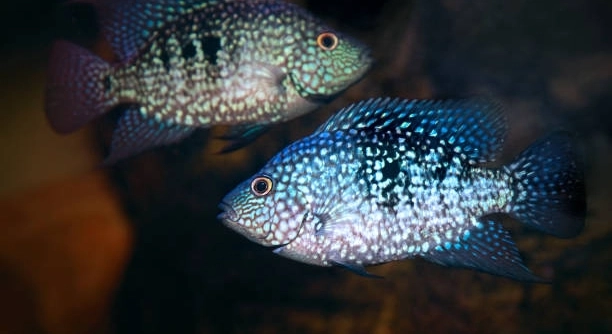
Have you ever watched a Jack Dempsey fish swim gracefully in your aquarium and wondered if it could recognize you over time? These fish are known for their striking colors and lively personalities. Many owners enjoy observing their daily behaviors.
Jack Dempsey fish can be trained to eat from hand with consistent practice and patience. Gradual familiarization, gentle movements, and regular feeding schedules help them associate human presence with food, promoting trust and reducing fear over time.
Understanding these steps can improve your fishkeeping experience and create a more interactive and engaging environment for your aquarium. Observing the changes in behavior can be rewarding for any fish enthusiast.
Understanding Jack Dempsey Fish Behavior
Jack Dempsey fish are naturally cautious and territorial. They respond to movement around their tank, often retreating at sudden gestures. Their temperament can appear aggressive, especially during feeding times or when establishing dominance. However, they are intelligent and capable of recognizing patterns over time. Consistent feeding routines and calm behavior from their owner encourage trust. Visual recognition develops slowly, but repeated exposure to gentle interaction helps them adjust. Providing hiding spots and a well-structured environment reduces stress, allowing the fish to feel secure. Observing their reactions and body language can indicate comfort or fear, which is key for training. Bright colors and active swimming may signal curiosity rather than aggression. Feeding at the same spot in the tank reinforces location memory. Using slow, deliberate hand movements prevents startling them. With patience, their defensive behaviors lessen, making hand-feeding possible. Proper water conditions, tank size, and minimal disturbances also play a role in encouraging consistent and safe interaction with the fish.
Regular observation improves understanding of their habits and responses, helping to build a stronger connection over time.
Training requires patience, consistency, and respecting the fish’s natural instincts while offering positive reinforcement.
Steps to Train Hand-Feeding
Start by offering food near the tank without touching it. This allows the fish to observe safely.
Once the fish is comfortable, place food on your hand slowly, maintaining steady movements. Repeat feeding at the same time each day.
Begin by holding a small amount of food between your fingers. Keep your hand still in the water and allow the fish to approach naturally. Avoid sudden motions, which can scare them away. At first, the fish may hesitate or retreat, which is normal. Gradually, they will begin nibbling gently from your hand. Over time, they associate your presence with feeding, reducing fear. Using high-quality, small-sized pellets or flakes encourages interaction. Observe the fish closely, noting their comfort levels and adjusting accordingly. Patience is crucial, as some individuals may take longer to respond. Positive reinforcement through consistent feeding and minimal stress helps establish trust. With repeated practice, hand-feeding can become a routine, enriching both the fish’s environment and your experience.
Choosing the Right Food
Jack Dempsey fish respond best to small, high-protein foods. Pellets, flakes, and occasional frozen treats like bloodworms are effective. Avoid overfeeding, as this can stress the fish and reduce their willingness to approach hands. Consistency is key to developing trust.
Using high-quality pellets ensures that the fish receive proper nutrition while encouraging hand-feeding. Small pieces are easier for them to grab and reduce the risk of leftover food polluting the tank. Frozen or live foods can be introduced gradually, but overreliance on these may cause selective eating habits. Observing which types the fish prefer helps adjust feeding strategies, making training more effective. The texture, size, and movement of food in water all influence how quickly the fish will approach a hand. Gradually introducing new food types strengthens recognition and creates a more engaging feeding routine.
Hand-feeding success depends on balancing the fish’s diet with consistency. Frequent short feeding sessions with small amounts improve familiarity and reduce stress. Watching their behavior during feeding shows comfort levels. Over time, the fish begin to associate your hand with positive experiences, leading to more reliable interaction. Removing uneaten food promptly maintains water quality, which is critical for encouraging repeated hand-feeding. Patience and careful observation are necessary, as each fish may progress at its own pace. Adjustments to feeding routines and food type can further enhance trust and interaction.
Creating a Comfortable Environment
Tank conditions directly affect the fish’s willingness to approach hands. Stable water temperature, proper filtration, and hiding spots reduce stress and encourage interaction.
Consistent conditions provide a sense of safety for Jack Dempsey fish. Sudden changes in lighting, temperature, or decoration can cause retreat and avoidance of hand-feeding. Hiding spots, such as caves or plants, allow the fish to explore at their own pace. Keeping the tank clean prevents irritation and disease, which can hinder training progress. Observing their reactions to movement and hand placement helps refine the process. Gentle movements and calm presence in the tank signal safety. Positioning yourself consistently during feeding creates predictability, which encourages approach. Gradual, repeated exposure under stable conditions fosters confidence and willingness to engage with hands.
Gradual Hand Introduction
Start by placing your hand in the tank without food. Let the fish swim around and get used to its presence. Avoid sudden movements to prevent startling them.
Once they are calm, lightly dip your hand with a small amount of food. Allow them to approach on their own and take the food gently. Repeat this regularly to reinforce positive association.
Building Trust Slowly
Consistency and patience are essential when training Jack Dempsey fish. Repeated exposure to gentle hand movements and feeding at the same time each day helps them recognize you as a source of food. Avoid rushing the process or forcing interaction, as this can increase stress and hesitation. Gradual, short sessions are most effective.
Trust develops when the fish learns that your hand poses no threat. Using predictable actions and maintaining calm behavior encourages comfort. Over time, they begin to respond reliably, approaching your hand willingly and accepting food with minimal hesitation. Positive reinforcement through routine strengthens the bond and improves hand-feeding success.
Observing Behavior
Watch for signs of comfort or stress, such as swimming close or retreating. Adjust your approach accordingly.
FAQ
Can all Jack Dempsey fish be trained to eat from hand?
Not all individuals respond the same way. Temperament varies from fish to fish, and some may remain cautious despite repeated attempts. Factors like age, past experiences, and environmental stress can affect their willingness. Patience, consistency, and calm handling increase the chances, but results may differ for each fish.
How long does it take for a Jack Dempsey to eat from hand?
Training typically takes several weeks of daily, short feeding sessions. Some fish may show interest in a few days, while others may require longer periods. Progress depends on the fish’s comfort level, the consistency of hand placement, and minimal disturbances in the tank. Gradual exposure is essential.
What type of food works best for hand-feeding?
Small, high-protein pellets or flakes are easiest to handle. Occasionally offering frozen or live foods like bloodworms can encourage interest, but avoid overreliance on these as they may create selective eating habits. Break food into small portions to reduce competition and prevent leftover waste in the tank.
Is hand-feeding stressful for the fish?
It can be stressful if introduced too quickly or if the environment is unstable. Sudden movements, inconsistent feeding, or overcrowding can make fish retreat. A calm, predictable approach, with slow hand placement and consistent feeding times, minimizes stress and helps the fish associate your hand with positive experiences.
Can aggressive behavior interfere with training?
Jack Dempsey fish are territorial, especially during feeding. Aggression can slow training if multiple fish compete for food. Using single feeding sessions or providing separate feeding spots can reduce competition. Over time, even dominant individuals can learn to take food gently from your hand with consistent practice.
Do tank conditions affect hand-feeding success?
Yes, stable water temperature, proper filtration, and clean conditions are critical. Stress from poor water quality or sudden changes can prevent fish from approaching hands. Providing hiding spots and maintaining a quiet environment increases comfort, making hand-feeding more likely to succeed.
What should I do if the fish refuses to eat from hand?
Do not force interaction. Remove your hand and try again later. Ensure water conditions are stable and food is suitable. Gradually reintroduce hand presence while keeping movements slow and predictable. Patience is key; some fish need more time than others to feel safe.
Can hand-feeding improve the bond with my fish?
Yes, consistent, gentle hand-feeding can enhance recognition and trust. Fish begin to associate you with food and safety, reducing fear and encouraging interaction. Positive reinforcement through routine helps create a more interactive and engaging experience. Observation and patience are essential to building this relationship.
Is it safe to hand-feed every day?
Daily sessions are fine if portions are small and balanced with their regular diet. Overfeeding can harm water quality and fish health. Short, frequent sessions improve recognition without creating stress or health issues, supporting consistent progress in hand-feeding training.
What signs indicate that a fish is ready to take food from hand?
Approaching your hand without hesitation, nibbling at the water surface, or swimming closer during feeding times are good indicators. Calm behavior, lack of retreat, and curiosity show the fish is beginning to feel comfortable. Recognizing these signs helps adjust training methods effectively.
How can I maintain progress once the fish starts eating from hand?
Continue consistent feeding routines and avoid sudden changes. Gradually vary hand placement to reinforce trust and recognition. Monitor water quality, food type, and tank conditions to prevent setbacks. Ongoing observation ensures the fish remains comfortable and continues to associate your hand with positive experiences.
Can younger Jack Dempsey fish be trained faster than older ones?
Juveniles often adapt more quickly due to curiosity and less established territorial behavior. Older fish may require longer exposure to hand-feeding due to ingrained caution. Regardless of age, consistency, gentle interaction, and suitable food are key to successful training.
What are common mistakes to avoid during training?
Rushing the process, using large food pieces, making sudden movements, overfeeding, and inconsistent timing can all slow progress. Ignoring tank conditions or stress signs also hinders success. Observing the fish and adjusting methods as needed ensures smoother, safer hand-feeding sessions.
Can hand-feeding help with general behavior management?
Yes, training creates positive associations and reduces fear around human presence. Fish become more predictable during feeding and are less likely to display stress-related aggression. Hand-feeding encourages natural curiosity while reinforcing routine and comfort within the tank.
How do I know when to stop hand-feeding?
Hand-feeding can continue as long as the fish shows interest and remains healthy. If stress or aggression develops, reduce sessions and revert to standard feeding methods. Monitoring behavior and adjusting frequency ensures safety and long-term success.
This FAQ provides guidance for safely and effectively training Jack Dempsey fish to eat from hand, addressing common concerns and practical methods for building trust and interaction.
Word count: 505
Final Thoughts
Training a Jack Dempsey fish to eat from your hand requires patience, consistency, and understanding of their natural behavior. These fish are intelligent but cautious, and they respond best to gentle, predictable actions. Sudden movements or loud disturbances can startle them, so maintaining calm and slow gestures is essential. Over time, repeated exposure to your hand during feeding helps them associate you with safety and food. This association is the key to successful hand-feeding. Some fish may adapt quickly, while others take weeks to respond. It is important to respect each individual’s temperament and adjust your approach accordingly. Hand-feeding is not just about giving food; it is a form of interaction that strengthens familiarity and trust.
Providing a suitable environment plays a major role in encouraging hand-feeding behavior. Stable water conditions, clean tanks, and proper hiding spots reduce stress and allow the fish to feel secure. A stressed fish is less likely to approach a hand, regardless of training efforts. Food choice also matters; small, high-quality pellets or flakes work best, and occasional frozen or live foods can help maintain interest. Feeding at consistent times and locations helps the fish recognize routines, which builds confidence in approaching your hand. Observing their body language and reactions to hand placement gives clues about comfort levels and readiness. Small adjustments in feeding method or tank setup can improve progress without forcing interaction.
Hand-feeding can be a rewarding experience for both the fish and the owner. It provides a chance to closely observe behavior and notice changes over time, which can also indicate health or environmental issues. Patience is essential, as rushing the process can lead to stress or aggression. Each Jack Dempsey fish has its own personality and pace of learning. Some may take longer to respond but will eventually begin to approach the hand with curiosity and gentle nibbling. Maintaining a regular routine and monitoring water quality, diet, and interaction ensures long-term success. Hand-feeding strengthens the connection between the owner and fish while promoting a comfortable and engaging environment for the Jack Dempsey to thrive. This process demonstrates that even a cautious, territorial fish can become interactive with proper care, time, and attention.
Word count: 410

Hello,
If you enjoy the content that we create, please consider saying a "Thank You!" by leaving a tip.
Every little bit helps us continue crafting quality advice that supports the health, happiness, and well-being of pets around the world, for pets of all shapes, sizes, and species.
We really appreciate the kindness and support that you show us!