
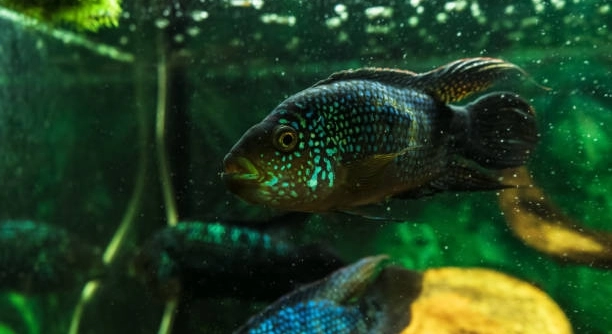
Jack Dempsey fish sometimes display behaviors that catch an owner’s attention, especially rubbing against rocks, glass, or decorations. This action can seem odd at first, yet it signals something important about their health or environment.
The primary reason Jack Dempsey fish rub against objects is to relieve physical irritation caused by parasites, poor water quality, or stress. This behavior represents a biological response aimed at reducing discomfort and restoring sensory balance within their aquatic environment.
Recognizing why this behavior occurs allows better care choices and helps create a calmer, healthier aquarium over time for them.
Parasites and Skin Irritation
Rubbing behavior often appears when Jack Dempsey fish experience irritation on their skin or gills. Microscopic organisms can attach themselves to the body, causing constant discomfort. The fish reacts by scraping against hard surfaces in an attempt to dislodge these irritants. This action may start subtly and become more frequent over time. Along with rubbing, you might notice clamped fins, faded coloration, or reduced appetite. These signs suggest the fish is under physical stress. Early attention is important because prolonged irritation can weaken the immune system. Once weakened, the fish becomes more vulnerable to additional problems. Observing daily behavior helps catch changes quickly. Addressing the underlying issue restores comfort and supports long term health. Consistent care routines play a meaningful role in preventing repeated irritation. Prompt adjustments reduce strain and allow natural healing, making the aquarium a safer space for steady growth and stable behavior over extended periods of time.
External parasites are not always visible, which makes rubbing easy to overlook. Regular tank checks, proper quarantine practices, and timely treatment reduce irritation. When managed early, most fish recover well and return to normal behavior without long lasting effects. Consistency remains essential during recovery periods to prevent relapse and stress.
Beyond parasites, simple physical irritation can develop from minor injuries or rough tank decor. Sharp rocks or damaged ornaments may scrape the fish during routine swimming. Over time, these small abrasions create discomfort that leads to rubbing. Observing how your fish interacts with its surroundings helps identify these problems. Smooth surfaces and thoughtful layout reduce unnecessary contact. Maintaining a balanced environment supports healing and lowers stress. Small changes often bring noticeable improvement. Paying attention to tank design protects delicate skin and encourages calmer, healthier behavior overall. This approach builds comfort and stability inside the aquarium for long term success consistently.
Water Quality and Stress Factors
Poor water conditions place constant strain on Jack Dempsey fish. Elevated ammonia, unstable temperature, or improper pH irritate skin and gills. Rubbing becomes a coping response. Testing water regularly and correcting imbalances reduces stress and supports steady, comfortable behavior within a controlled aquarium setting over extended care periods and routines.
Stress plays a significant role in rubbing behavior, especially when water quality fluctuates. Jack Dempsey fish are sensitive to sudden changes, even when they appear minor. Frequent water parameter shifts disrupt their internal balance and create discomfort. Crowded tanks, aggressive tank mates, or inadequate hiding spaces further increase stress levels. In response, the fish may rub against surfaces as a release behavior. Creating a stable environment helps reduce this reaction. Consistent water changes, proper filtration, and a reliable heating system maintain balance. Tank size also matters, as limited space intensifies tension. Observing social dynamics allows early adjustments. Separating incompatible fish often leads to calmer behavior. Feeding routines should remain predictable to avoid added strain. When stress is minimized, rubbing typically decreases. A stable aquarium supports natural behavior patterns and promotes overall well being. Long term stability encourages healthier coloration, stronger immunity, and a more relaxed presence within the tank. This stability also supports digestion, sleep cycles, and growth. Over time, consistent conditions allow the fish to settle, reducing visible stress behaviors. Careful monitoring builds confidence in daily care decisions. These practices create a calmer aquarium environment that benefits both fish health and owner peace of mind over long periods consistently.
Treatment and Observation
Rubbing should never be ignored, but panic is unnecessary. Close observation helps determine severity. Note frequency, visible marks, appetite changes, and breathing rate. These details guide next steps and prevent rushed decisions that may worsen stress or disrupt the tank balance during daily care routines and maintenance checks for consistency.
Isolating the cause is the most effective approach. Testing water parameters comes first, since poor quality affects everything. If results fall outside safe ranges, gradual correction is essential. Sudden changes increase stress. When water is stable, inspect the fish closely. Look for white spots, redness, excess mucus, or frayed fins. These signs often point toward external parasites or infections. Treatment should match the issue, using aquarium safe medication when needed. Follow dosing instructions precisely. Overmedicating can harm beneficial bacteria. During treatment, keep lighting low and feeding light. This reduces strain and supports recovery over the full recommended treatment period only.
Tank adjustments often speed improvement. Remove sharp decor and ensure hiding spaces are smooth and stable. Increase filtration efficiency without creating strong currents. Maintain a steady temperature within the species preferred range. Consistent water change schedules help dilute irritants naturally. I have found that slowing down maintenance routines keeps fish calmer. Avoid rearranging the tank during recovery. Stability matters more than perfection. With time and steady care, rubbing behavior usually fades. The fish regains confidence, swims more openly, and interacts with its environment without signs of discomfort or agitation. Patience supports healing and reduces repeated stress responses over time consistently.
When Rubbing Becomes a Concern
Occasional rubbing can occur during minor adjustments, but repeated scraping deserves attention. Frequency matters more than a single event. Daily rubbing paired with color loss or isolation suggests an ongoing problem. Trust patterns rather than moments. I pay close attention when behavior changes suddenly. Early response limits escalation. Waiting too long often complicates treatment and increases overall stress within the aquarium. Consistency in monitoring helps confirm whether intervention is required over longer observation periods calmly.
Some owners mistake rubbing for normal behavior, which delays care. Jack Dempsey fish are active, but persistent scraping is not typical. Comparing current behavior to past habits helps clarify concerns. Documenting changes, even briefly, provides useful insight. Video clips can reveal patterns missed in real time. If symptoms worsen despite adjustments, professional guidance is wise. Consulting aquatic specialists or experienced retailers can prevent incorrect treatment. I prefer acting sooner rather than later, especially with sensitive fish. Timely action protects gill function and skin integrity. Ignoring repeated signs risks secondary infections. Addressing issues early maintains long term health, reduces losses, and supports a more predictable, stable aquarium environment. This approach also lowers costs and improves overall care confidence through consistent observation and informed decision making habits.
Feeding and Tank Maintenance
Consistent feeding schedules reduce stress and prevent sudden behavior changes. Overfeeding leads to waste buildup, which irritates skin and gills. I stick to small portions given at the same times daily. This routine supports digestion, stable water conditions, and calmer fish behavior overall for better long term aquarium balance health.
Tank cleanliness plays a direct role in preventing irritation. Uneaten food and debris break down quickly. I clean substrates regularly and rinse filter media gently. This limits harmful buildup while protecting beneficial bacteria. A clean tank keeps the environment predictable and reduces physical stress on sensitive fish over long periods.
Long Term Stability and Prevention
Stable tank conditions reduce the likelihood of rubbing behavior returning. Consistent temperature, lighting cycles, and water parameters support natural rhythms. I avoid sudden changes, even during maintenance. Gradual adjustments protect internal balance. Monitoring weekly results builds confidence in care routines. When conditions remain steady, fish display stronger coloration, normal appetite, and relaxed movement. These signs indicate comfort. Long term stability also improves immunity. Fewer stress responses mean fewer health issues overall. This approach creates a calm aquarium that supports predictable behavior and easier care management over time. It also helps owners respond faster when subtle changes appear in daily observation.
The Value of Daily Observation
Regular observation builds familiarity with normal behavior. I watch swimming patterns, feeding response, and resting habits daily. Small changes stand out quickly. This awareness makes intervention timely and measured. Paying attention prevents minor issues from developing into larger health concerns over time within a controlled and calm aquarium environment consistently.
FAQ
Why does my Jack Dempsey fish rub against rocks and decorations?
Rubbing is usually a physical response to discomfort. In most cases, it happens when the skin or gills feel irritated. This irritation often comes from parasites, poor water quality, or stress. I have noticed that rubbing increases when something in the tank environment changes. It is not a playful habit. It is the fish trying to relieve an unpleasant sensation by scraping against solid surfaces.
Is rubbing always a sign of parasites?
No, rubbing does not always mean parasites are present. While parasites are common, water quality issues are just as frequent. High ammonia, nitrites, or unstable pH can irritate sensitive tissue. I always test the water first before assuming treatment is needed. Addressing water conditions alone often reduces the behavior without medication.
How often is rubbing considered abnormal?
Occasional rubbing can happen once in a while, especially after minor changes. Daily or repeated rubbing is more concerning. If I see it happening several times a day for multiple days, I treat it as a warning sign. Frequency and consistency matter more than a single instance.
Can stress alone cause rubbing behavior?
Yes, stress can be enough to trigger rubbing. Aggressive tank mates, overcrowding, lack of hiding spaces, or sudden changes can all raise stress levels. Jack Dempsey fish are sensitive to instability. When stress builds, rubbing becomes an outlet. Reducing stress often improves behavior without further intervention.
Should I medicate my fish as soon as I see rubbing?
I avoid immediate medication unless there are clear physical signs. Treating without identifying the cause can do more harm than good. Medications affect beneficial bacteria and add stress. I prefer observation, water testing, and gradual adjustments first. Medication should match a specific issue, not just a behavior.
What physical signs should I look for along with rubbing?
I look for white spots, cloudy eyes, red patches, excess slime, frayed fins, or rapid breathing. Changes in appetite and color also matter. These signs help narrow down the issue. Rubbing alone gives limited information, but combined signs create a clearer picture.
Can tank decor cause rubbing problems?
Yes, rough or sharp decor can irritate skin over time. Even minor abrasions cause discomfort. I use smooth rocks and carefully inspect ornaments. Rearranging decor less often also helps. A safer layout reduces accidental scraping and lowers stress during normal movement.
Does feeding affect rubbing behavior?
Feeding plays a bigger role than many expect. Overfeeding leads to waste buildup, which impacts water quality quickly. Poor digestion also increases stress. I follow a strict feeding routine with controlled portions. Stable feeding habits support both water balance and overall comfort.
How long does it take for rubbing to stop after fixing the issue?
It depends on the cause. Water quality related rubbing often improves within days once conditions stabilize. Parasite related issues take longer and depend on treatment duration. I usually see gradual improvement rather than instant change. Patience is important during recovery.
Is isolation ever necessary when rubbing occurs?
Isolation can help in certain cases. If aggression or crowding is involved, separation reduces stress quickly. When treating parasites, isolation prevents spread. I only isolate when necessary, since moving fish adds stress. The decision depends on the situation and overall tank dynamics.
Can rubbing lead to serious health problems if ignored?
Yes, prolonged rubbing can damage skin and open pathways for infection. What starts as irritation can turn into secondary issues. I have learned that early attention prevents escalation. Ignoring repeated behavior increases risk and complicates treatment later.
How can I prevent rubbing from returning long term?
Prevention comes down to stability. Consistent water parameters, regular maintenance, smooth decor, proper stocking, and predictable routines make a difference. I focus on small, steady actions rather than big changes. Long term balance reduces stress and keeps rubbing behavior from becoming a recurring problem.
Final Thoughts
Rubbing behavior in Jack Dempsey fish is rarely random, and it should always be viewed as communication rather than misbehavior. Over time, I have learned that these fish respond clearly to discomfort in their environment. Whether the issue is water quality, stress, or physical irritation, the behavior serves as an early signal. Ignoring it often leads to larger problems that take longer to correct. Paying attention early allows for smaller, safer adjustments that keep the aquarium balanced. Observation does not require constant intervention, only awareness. When patterns change, it is usually for a reason. Stable care routines make these changes easier to spot. This approach reduces guesswork and lowers the risk of unnecessary treatments. Consistency builds confidence, both for the fish and the person caring for it. When the environment feels predictable, the fish behaves more naturally and appears more relaxed overall.
Addressing rubbing behavior works best when handled methodically. Testing water, observing physical signs, and adjusting tank conditions should always come before medication. Quick fixes often create more stress than relief. I have found that slowing down leads to better outcomes. Gradual changes protect the fish from shock and preserve beneficial bacteria. Simple habits such as controlled feeding, routine cleaning, and steady lighting cycles support long term health. Tank layout also matters more than expected. Smooth surfaces, adequate space, and calm surroundings reduce irritation and tension. Each small improvement adds up over time. No single change solves everything, but combined efforts create a healthier system. This steady approach makes future issues easier to manage and reduces repeated stress behaviors.
Caring for Jack Dempsey fish becomes easier when their behavior is understood rather than questioned. Rubbing is not something to fear, but something to learn from. It offers insight into how the fish experiences its environment. Responding with patience instead of urgency leads to better results. Long term success comes from stability, observation, and informed choices. I believe that confidence grows through experience and consistency, not perfection. Mistakes happen, but they also teach valuable lessons. When the aquarium remains balanced, the fish thrives and behavior stays predictable. This balance benefits both the fish and the person caring for it. Over time, the tank becomes calmer, maintenance feels manageable, and trust builds through routine. That sense of stability is what supports lasting health and a more rewarding care experience overall.

Hello,
If you enjoy the content that we create, please consider saying a "Thank You!" by leaving a tip.
Every little bit helps us continue crafting quality advice that supports the health, happiness, and well-being of pets around the world, for pets of all shapes, sizes, and species.
We really appreciate the kindness and support that you show us!