
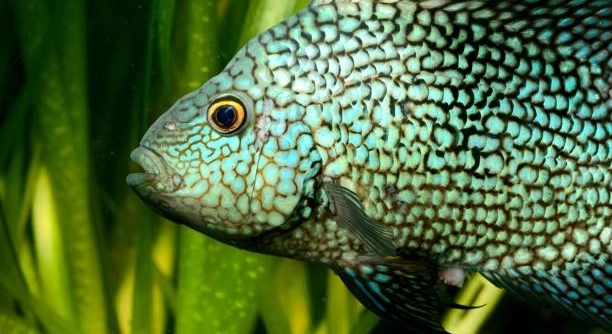
Jack Dempsey fish are known for their vibrant colors and active behavior, making them a popular choice for many home aquariums. Breeding these fish can be rewarding, yet sometimes they suddenly stop reproducing.
Several factors can cause Jack Dempsey fish to cease breeding, including water quality issues, inadequate diet, stress from tank mates, improper temperature, age, insufficient hiding spaces, or disease. Addressing these elements is crucial to restoring successful reproduction in captivity.
Understanding why your fish may have stopped breeding can help you create a healthier, more productive environment. Each factor plays an important role in encouraging natural behavior and long-term wellbeing.
Poor Water Quality
Jack Dempsey fish are highly sensitive to water conditions. If the water in your aquarium is dirty or has improper pH levels, ammonia, or nitrate buildup, it can prevent breeding. Even slight changes in hardness or temperature can stress the fish, making them less likely to spawn. Maintaining clean water is essential for their health and reproductive behavior. Regular water changes and consistent testing help ensure an environment where breeding can occur naturally. Over time, even minor neglect can accumulate, leading to long-term reproductive issues. Using a reliable water testing kit and adjusting filtration can make a significant difference. Fish that live in consistently poor water often exhibit decreased activity, faded colors, and a lack of interest in mating. Creating stable conditions mimics their natural habitat, which is crucial for encouraging breeding. Patience and careful monitoring are key to restoring their reproductive behavior effectively.
Keeping water clean and stable is the first step in improving breeding success.
Regular observation and prompt adjustments ensure your Jack Dempsey fish remain healthy and ready to reproduce.
Inadequate Diet
A diet lacking variety or essential nutrients can cause Jack Dempsey fish to stop breeding. Feeding only one type of food, such as flakes, may not provide the proteins and vitamins needed for reproduction. Including live foods, frozen options, and high-quality pellets supports their energy levels and encourages natural mating behavior. Fish with a poor diet often appear less vibrant and less active, both signs that breeding is unlikely to occur. Nutrient-rich meals improve overall health, boost immunity, and make the fish more inclined to spawn. Consistency in feeding, while avoiding overfeeding, helps maintain proper weight and vitality. Observing how your fish respond to dietary changes can indicate readiness to breed. Supplements like vitamins or occasional live treats can make a noticeable difference. Proper nutrition is a simple, yet powerful factor in restoring successful reproduction. Balanced feeding routines can also prevent aggressive behavior that might interfere with spawning.
Providing a varied diet is essential for reproductive health.
Ensuring your Jack Dempsey receives high-quality food supports breeding while improving their energy, color, and overall wellbeing.
Stress from Tank Mates
Aggressive or overly active tank mates can prevent Jack Dempsey fish from breeding. Constant chasing or competition for space makes them feel threatened, reducing their interest in spawning. Keeping compatible fish is crucial for a peaceful environment.
Stress affects hormones and reproductive behavior in Jack Dempsey fish. If they are constantly intimidated or disturbed, they may hide or refuse to engage in mating rituals. Providing sufficient hiding spaces, plants, and territories reduces tension and encourages natural behavior. Separating aggressive fish or choosing calm species for the tank ensures the Jack Dempsey feels safe. Overcrowding can also lead to stress, so monitoring the number of fish and tank size is important. Peaceful surroundings allow them to focus energy on courtship and caring for eggs.
Tank layout plays a role in reducing stress. Rocks, caves, and plants create private areas where fish feel secure, supporting breeding. A balanced setup with careful species selection ensures long-term reproductive success.
Improper Temperature
Jack Dempsey fish require stable, warm temperatures to breed successfully. Fluctuating or consistently low water temperatures can halt spawning, affecting their reproductive cycle.
Temperature influences metabolism and hormone levels. If the water is too cold, fish may become lethargic and uninterested in mating. Sudden spikes or drops in heat also create stress, which discourages courtship behavior. Maintaining a heater with a reliable thermostat ensures consistent warmth in the ideal range, typically between 78°F and 85°F. Seasonal changes or inadequate equipment can impact this balance, so monitoring is essential. Correct temperature supports egg development and overall activity, which are crucial for breeding. Gradual adjustments, rather than abrupt changes, help fish acclimate and maintain health.
Stable and appropriate temperatures create a natural environment that encourages mating. Regular monitoring and careful control of the aquarium heat prevent interruptions in reproductive behavior.
Age and Maturity
Older Jack Dempsey fish may stop breeding naturally. As they age, their energy and fertility decline, reducing interest in spawning. Monitoring age helps predict breeding patterns.
Young fish may also be too immature to reproduce. Breeding typically begins after they reach full maturity, usually around one year of age.
Insufficient Hiding Spaces
Jack Dempsey fish need private areas to feel secure during spawning. Lack of caves, plants, or rocks can discourage courtship and egg-laying. Providing multiple hiding spots allows them to establish territories and reduces stress, which directly impacts reproductive behavior.
Disease and Health Issues
Illness can stop Jack Dempsey fish from breeding. Parasites, bacterial infections, or fungal problems weaken their body and reduce energy, making mating unlikely. Regular health checks and prompt treatment are essential to restore reproductive activity.
FAQ
Why is my Jack Dempsey not spawning even though the water is clean?
Even if your water appears clean, subtle imbalances in pH, hardness, or temperature can prevent breeding. Jack Dempsey fish are sensitive to small changes. Ensuring consistent water parameters and providing hiding spaces can help encourage natural mating behavior.
Can diet alone trigger breeding in Jack Dempsey fish?
A proper diet is essential but not the only factor. High-protein foods, live or frozen meals, and occasional supplements improve energy and health, which can increase reproductive interest. However, stress, tank mates, or water conditions can still inhibit breeding even with perfect nutrition.
How do tank mates affect breeding success?
Aggressive or overly active fish can intimidate Jack Dempsey fish, making them hide or avoid courtship. Choosing compatible species, reducing overcrowding, and creating territories with plants or rocks reduces stress and improves the likelihood of spawning.
Does age matter for breeding?
Yes, both young and older fish can face reproductive challenges. Fish under one year may not be mature enough, while older fish may lose fertility or energy. Tracking age and pairing appropriately sized and mature fish helps achieve successful breeding.
What temperature is ideal for spawning?
Jack Dempsey fish breed best in stable, warm water, usually between 78°F and 85°F. Sudden temperature fluctuations cause stress and disrupt hormonal cycles. Using a reliable heater and thermometer ensures consistent conditions, which are crucial for courtship and egg-laying.
Can stress from the environment prevent spawning?
Stress is a major factor. Overcrowding, constant disturbance, bright lighting, or lack of privacy can prevent Jack Dempsey fish from breeding. Providing hiding spots, reducing tank activity, and maintaining a calm environment supports natural mating behavior.
How can I tell if my fish are ready to breed?
Look for increased activity, vibrant colors, and territorial behavior. Males often guard chosen areas, while females may appear fuller before laying eggs. If these behaviors are absent, check water quality, diet, and stress factors to improve breeding conditions.
What role does disease play in stopping breeding?
Illness weakens fish, reducing energy for courtship. Parasites, fungal infections, and bacterial problems can halt spawning entirely. Prompt diagnosis and treatment, along with proper quarantine practices, are critical to restoring reproductive capability.
Are there signs that indicate the environment is unsuitable?
Yes. Lethargy, faded colors, hiding, and refusal to eat can indicate poor water conditions, stress, or illness. Addressing these issues immediately helps create a suitable breeding environment.
Can modifying tank layout improve breeding?
Absolutely. Rocks, caves, and plants create private territories. These areas reduce stress, encourage courtship, and give females confidence to lay eggs. Rearranging the tank thoughtfully can increase the chance of successful spawning.
How long does it take for Jack Dempsey fish to start breeding once conditions improve?
It varies, but once water, diet, stress, and temperature are optimal, fish may start courtship within days to a few weeks. Patience is important, as forcing conditions too quickly can create additional stress.
Do I need a separate breeding tank?
While not always necessary, a dedicated breeding tank simplifies control over water conditions, reduces stress from other fish, and protects eggs. Many breeders find this approach increases survival rates and overall reproductive success.
How often can Jack Dempsey fish breed?
Healthy adults can breed multiple times a year if conditions remain ideal. However, overbreeding can stress fish, so it’s important to monitor recovery and maintain a stable environment between spawning events.
What should I do if eggs are not hatching?
Check water quality, temperature, and cleanliness. Eggs may fail due to fungal infections, poor water conditions, or predation. Removing adults temporarily or using a separate incubation setup can improve hatching success.
Can pairing affect breeding success?
Yes, compatible male and female pairs are more likely to breed successfully. Aggressive males or stressed females may refuse to spawn. Observing behavior and selecting healthy, mature pairs increases chances of reproductive success.
Is lighting important for breeding?
Moderate, consistent lighting helps simulate natural conditions and encourages normal behavior. Too bright or irregular lighting can stress fish and disrupt mating routines. Mimicking a natural day-night cycle supports courtship and egg-laying.
What if my fish stop breeding after a few successful spawns?
Repeated breeding can fatigue fish. Ensure they recover fully with proper nutrition, stable water, and minimal stress before attempting another spawn. Overbreeding without rest reduces fertility and overall health.
Can water flow affect breeding behavior?
Yes, strong currents can discourage spawning. Jack Dempsey fish prefer calm areas for courtship and egg-laying. Adjusting filtration or providing sheltered zones helps create suitable conditions.
How do I encourage a female to lay eggs?
Providing hiding spaces, stable temperature, proper diet, and minimal disturbance helps females feel secure. A healthy, confident female is more likely to lay eggs in a protected area without stress from tank mates or environmental changes.
Are there any signs that breeding is imminent?
Increased color intensity, territorial defense by males, and the female resting near potential egg-laying sites are strong indicators. Observing these behaviors can help you prepare to protect eggs and maintain ideal conditions for hatching.
This FAQ addresses the most common challenges and solutions for breeding Jack Dempsey fish, focusing on environmental, dietary, and behavioral factors to improve success rates.
Jack Dempsey fish are vibrant and fascinating creatures, but breeding them successfully requires attention to several key factors. Water quality is one of the most important elements to consider. Even small changes in pH, hardness, or temperature can stress these fish, making them less likely to spawn. Regular water changes, proper filtration, and consistent monitoring are essential to maintaining a healthy environment. Tank layout also plays a role in encouraging breeding. Providing hiding spaces like caves, plants, and rocks gives the fish privacy and reduces stress, which is necessary for courtship and egg-laying. Overcrowding or aggressive tank mates can interfere with this natural behavior, so choosing compatible species and keeping the tank appropriately stocked is equally important.
Diet and nutrition also have a direct impact on breeding success. Jack Dempsey fish require a balanced diet rich in protein and essential vitamins. Feeding a variety of foods, including high-quality pellets, frozen options, and occasional live treats, helps maintain their energy and overall health. Fish that are malnourished or eating only one type of food may appear lethargic or lose interest in mating. A proper diet can enhance color, vitality, and readiness to spawn. Age and maturity are additional considerations. Young fish may not be ready to reproduce, while older fish can experience a natural decline in fertility and energy. Pairing fish of appropriate age and health improves the likelihood of successful breeding and reduces stress for both individuals.
Monitoring health and preventing disease are also crucial for maintaining reproductive activity. Parasites, bacterial infections, and fungal issues can weaken fish and prevent spawning altogether. Prompt treatment and regular observation of behavior and appearance can help catch problems early. Stress management, including minimizing disturbances and maintaining stable water and temperature conditions, supports natural reproductive behavior. While breeding Jack Dempsey fish can require patience and careful attention, understanding these factors and creating a supportive environment significantly increases the chances of success. With consistent care and observation, fishkeepers can encourage natural breeding while keeping their fish healthy, vibrant, and thriving over the long term.

Hello,
If you enjoy the content that we create, please consider saying a "Thank You!" by leaving a tip.
Every little bit helps us continue crafting quality advice that supports the health, happiness, and well-being of pets around the world, for pets of all shapes, sizes, and species.
We really appreciate the kindness and support that you show us!