
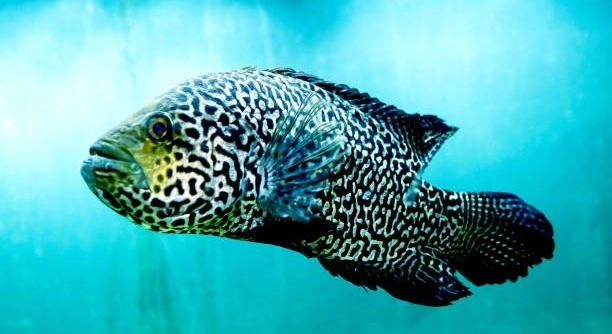
Many fish owners enjoy exploring different diets for their pets and wonder how to keep them healthy and active. Jack Dempsey fish are popular in home aquariums due to their striking colors and energetic behavior. Feeding them properly is important for growth and wellbeing.
Jack Dempsey fish can eat insects as part of a varied diet. Insects provide essential protein and nutrients that support their growth, coloration, and overall health. Incorporating insects should be done carefully to maintain a balanced and safe diet.
Understanding how insects fit into their feeding routine helps maintain a healthy and vibrant aquarium environment. Proper feeding ensures your Jack Dempsey fish thrive and remain lively companions.
Nutritional Benefits of Insects for Jack Dempsey Fish
Insects can be a great addition to a Jack Dempsey fish’s diet because they provide high-quality protein, fats, and vitamins essential for healthy growth. Live insects like crickets, mealworms, and small grasshoppers mimic what these fish would eat in their natural habitat. This variety helps maintain strong muscles, vibrant colors, and proper energy levels. Insects are also easier to digest than some processed foods, which reduces stress on the fish’s digestive system. Regularly including insects in their diet can improve immunity and reduce the risk of illness. Even frozen or dried insects retain much of their nutritional value, making them a convenient option for daily feeding. While pellets or flakes can serve as a staple, insects introduce movement and texture that stimulate natural hunting behaviors. Feeding insects in moderation alongside other protein sources ensures a balanced diet and promotes overall health, keeping the fish active and responsive in the aquarium.
Insects also help prevent dietary boredom for Jack Dempsey fish, offering different textures and flavors compared to standard pellets or flakes.
Providing a mix of insects, pellets, and occasional vegetables ensures your fish get a balanced diet. Observing how your fish respond to insects helps you adjust portions and types, ensuring they remain healthy without overeating. Rotating insects with other protein sources prevents nutritional gaps and supports sustained growth. Additionally, live insects encourage natural hunting instincts, keeping the fish mentally stimulated. Feeding insects too frequently can cause obesity or water quality issues, so moderation is key. Overall, insects are a highly beneficial supplement that complements a balanced feeding plan for Jack Dempsey fish, keeping them strong, colorful, and active.
Choosing the Right Insects
Not all insects are safe for Jack Dempsey fish, so selection matters. Avoid insects that may carry pesticides or are too large to swallow easily.
Popular safe options include crickets, mealworms, and small flies, which provide good protein without posing choking risks. Freezing or rinsing insects before feeding reduces bacteria and parasites. Live insects encourage hunting and movement, while dried or frozen options are convenient and safe when live feeding isn’t possible. Feeding a variety ensures nutritional balance and keeps the fish interested. Overfeeding one type can lead to deficiencies, so mix insects with pellets and occasional vegetables. Monitoring water quality is important, as leftover insects can decay and affect the tank. Choosing healthy, well-prepared insects ensures your Jack Dempsey fish benefits from added nutrition without compromising the aquarium’s cleanliness or safety.
How to Feed Insects Safely
Start by offering small amounts of insects to avoid overfeeding. Make sure they are the right size for your Jack Dempsey to swallow comfortably. Wash or freeze insects to reduce bacteria before feeding.
Feeding insects requires careful observation. Begin with a few insects at a time and watch how your fish respond. Remove any uneaten insects promptly to maintain water quality. Mixing live, frozen, or dried insects with pellets or flakes ensures a balanced diet. Rotating insect types provides variety, keeps the fish interested, and supports healthy growth. Avoid overfeeding, as too many insects can cause digestive issues or affect tank cleanliness.
Consistency is important for your fish’s health. Feeding insects two to three times a week, combined with a staple diet of high-quality pellets, helps maintain proper nutrition. Live insects stimulate natural hunting instincts, while frozen or dried options offer convenience without sacrificing nutrients. Adjust the amount based on activity and appetite, ensuring your fish stay healthy, vibrant, and active in the aquarium.
Monitoring Fish Health with an Insect Diet
Regular observation is key when adding insects to your fish’s diet. Look for changes in behavior, appetite, or color as signs of overall health.
An insect-rich diet can improve muscle development and coloration, but overfeeding may lead to bloating or digestive problems. Watch how your Jack Dempsey interacts with different insect types and adjust feeding routines accordingly. Combine insects with a staple pellet diet to cover all nutritional needs. Maintaining proper water quality is essential, as leftover insects can decay and affect health. Feeding insects responsibly ensures your fish remain lively, strong, and colorful while minimizing health risks.
Best Types of Insects for Jack Dempsey Fish
Crickets, mealworms, and small flies are safe and nutritious options. These insects provide protein and help stimulate natural hunting behavior in your fish.
Avoid insects that are too large or may carry pesticides. Stick to well-prepared insects to reduce health risks and maintain water quality.
Preparing Insects for Feeding
Rinse or freeze insects before feeding to remove dirt, bacteria, or parasites. This simple step ensures that your Jack Dempsey consumes safe and clean food. Feeding live insects occasionally encourages natural hunting instincts and keeps the fish active. Mixing prepared insects with pellets provides a balanced diet.
Feeding Frequency
Feeding insects two to three times a week is sufficient. Overfeeding can lead to digestive issues and water contamination.
FAQ
Can Jack Dempsey fish eat any type of insect?
Not all insects are safe for Jack Dempsey fish. Safe options include crickets, mealworms, and small flies. Avoid insects that are too large, have sharp parts, or may have been exposed to pesticides. Always prepare insects by rinsing, freezing, or lightly cooking them to reduce bacteria and parasites. Mixing insects with staple pellets or flakes ensures the fish gets a balanced diet while still enjoying variety.
How often should I feed insects to my Jack Dempsey?
Feeding insects two to three times a week is enough. Too many insects can cause bloating, digestive issues, or excess waste in the tank. On other days, feed high-quality pellets or flakes to provide essential vitamins and minerals. Rotating insects and pellet-based foods keeps the fish healthy and prevents nutritional imbalances. Observing your fish’s appetite and activity helps adjust feeding frequency.
Are live insects better than frozen or dried ones?
Live insects encourage natural hunting behaviors and provide stimulation, which can improve overall activity and mental health. Frozen or dried insects are safer and more convenient, especially if live insects are hard to source. A combination of live and prepared insects ensures nutrition, safety, and engagement for your fish without overcomplicating the feeding routine.
Can feeding too many insects harm my fish?
Yes, overfeeding insects can lead to digestive problems, bloating, and obesity. Uneaten insects can also pollute the water, causing poor water quality that stresses the fish. It’s best to feed small portions, remove leftovers, and keep a mix of insects and pellets for balanced nutrition. Monitoring behavior and adjusting portions prevents health issues.
Should I introduce insects gradually?
Introducing insects slowly helps the fish adjust to new foods without digestive upset. Start with small amounts and increase gradually while observing how your fish reacts. If they show interest and digest the insects well, you can continue feeding them as part of their regular diet. Gradual introduction reduces stress and ensures proper nutrient absorption.
Do insects provide all the nutrients my Jack Dempsey needs?
Insects are rich in protein and fats but do not provide all necessary vitamins and minerals. Pellets or flakes supply essential nutrients like vitamins, calcium, and fiber. Combining insects with staple foods ensures your fish receive complete nutrition while enjoying variety in their diet. Proper balance keeps the fish colorful, active, and healthy.
Can I feed insects to juvenile Jack Dempsey fish?
Yes, juvenile Jack Dempsey fish can eat insects, but they should be smaller and easier to swallow. Crushed or tiny insects are ideal for young fish. Feeding insects supports rapid growth, muscle development, and coloration. Keep portions small and observe digestion to avoid overfeeding or choking hazards.
How do I store insects safely?
Live insects should be kept in ventilated containers with food like grains or vegetables to sustain them. Frozen insects should stay in the freezer until feeding. Dried insects must be kept in airtight containers to prevent mold and spoilage. Proper storage ensures insects remain safe, nutritious, and ready to feed when needed.
Can I feed wild-caught insects?
Feeding wild-caught insects is risky because they may carry pesticides, parasites, or diseases. If you use them, make sure they are thoroughly cleaned and quarantined before feeding. It is generally safer to use store-bought insects that are specifically raised for feeding fish, ensuring consistent quality and safety.
Will insects improve my fish’s color?
Yes, insects rich in protein and fats can enhance coloration, especially when part of a varied diet. Healthy growth, muscle development, and proper nutrition from insects help Jack Dempsey fish display vibrant colors. Combined with a balanced diet of pellets or flakes, insects support overall appearance and vitality.
Can insects replace pellets entirely?
No, insects should not completely replace pellets or flakes. Pellets provide essential vitamins, minerals, and fiber that insects lack. Insects should be used as a supplement to stimulate natural hunting behaviors, provide protein, and add variety to the diet. Balanced feeding ensures long-term health and prevents deficiencies.
Are there risks of parasites from insects?
Yes, insects can carry parasites or bacteria if not prepared properly. Freezing, rinsing, or lightly cooking insects reduces the risk. Using reputable sources and storing insects safely further protects your Jack Dempsey fish from illness while maintaining a nutritious diet.
How can I tell if my fish is digesting insects well?
Observe your fish after feeding. Healthy digestion includes normal swimming, regular activity, and clear, firm feces. Signs of digestive issues include bloating, lethargy, or stringy waste. Adjust portion size or frequency if you notice any of these signs to maintain health.
Can I feed insects along with vegetables?
Yes, feeding small amounts of vegetables along with insects and pellets adds fiber and additional vitamins. Blanched spinach, peas, or zucchini can complement an insect-based diet, supporting digestion and overall health. This mix keeps Jack Dempsey fish nourished and active.
Is there a preferred time of day to feed insects?
Feeding in the morning or early evening works best because Jack Dempsey fish are most active during these times. Avoid feeding right before lights out to prevent uneaten insects from polluting the tank. Consistent timing helps maintain routine and digestion.
Do all Jack Dempsey fish enjoy insects?
Most Jack Dempsey fish accept insects, but individual preferences vary. Some may prefer specific types or textures. Offer different insects and monitor reactions to determine what your fish likes. Variety keeps feeding engaging and ensures nutritional balance.
How long can I leave uneaten insects in the tank?
Uneaten insects should be removed within 10–15 minutes to prevent water contamination. Decaying insects can increase ammonia levels and harm your fish. Prompt cleanup protects water quality and keeps your aquarium safe.
Are frozen or dried insects as nutritious as live ones?
Frozen and dried insects retain most protein and fat content, though some vitamins may decrease. They are safe, convenient, and still nutritious. Using a combination of live and prepared insects provides the benefits of both stimulation and reliable nutrition.
Can insects help with aggression in Jack Dempsey fish?
Feeding insects can reduce boredom and encourage natural hunting behavior, which may help redirect aggressive energy. While it won’t eliminate territorial behavior, providing stimulation through varied diets can make fish more engaged and less likely to focus aggression on tank mates.
What is the best way to introduce insects to a new tank?
Introduce insects gradually after the fish have settled into their new environment. Start with small portions and observe behavior and water quality. Gradual feeding prevents stress and ensures that your Jack Dempsey fish adapt safely to new food types while maintaining proper nutrition.
How do I balance insects with pellets for optimal health?
Feed insects two to three times per week while offering high-quality pellets daily. Alternate insect types and portion sizes to provide protein, fats, and vitamins without overfeeding. Consistent monitoring of fish behavior and tank conditions ensures a healthy balance that supports growth, color, and activity.
Can insects be used as treats instead of regular meals?
Yes, insects work well as occasional treats to add variety and stimulation. Use them alongside staple foods to avoid nutritional gaps. Treats should be small and given sparingly, allowing your Jack Dempsey fish to enjoy enrichment without compromising their health.
What should I avoid when feeding insects?
Avoid wild insects that may carry pesticides, large insects that could choke your fish, and overfeeding that can pollute water. Always prepare insects properly and mix with other staple foods to maintain a safe, balanced diet for your Jack Dempsey fish.
Do insects help with breeding behavior?
Insects can stimulate natural hunting and feeding instincts, which may support energy levels and overall health during breeding periods. Providing high-protein insects helps maintain vitality, encourages natural behaviors, and can contribute to successful spawning when combined with a complete diet.
Can insects cause water quality problems?
Yes, leftover insects can decay quickly, increasing ammonia and nitrate levels. Remove uneaten insects promptly and avoid overfeeding. Maintaining proper filtration and water testing helps prevent water quality issues while feeding insects safely.
How many different types of insects should I feed?
Offering two to three types of insects provides variety and nutrition without overwhelming the fish. Rotate crickets, mealworms, and small flies to maintain interest, stimulate hunting instincts, and cover essential nutrients not found in pellets alone.
Are there any signs my fish dislikes certain insects?
If a fish ignores certain insects, spits them out, or refuses to hunt, it may not prefer that type. Try smaller sizes or different species to find what works. Respecting preferences ensures feeding is effective and enjoyable for your fish.
Can insects improve growth in young Jack Dempsey fish?
Yes, insects provide high-quality protein needed for muscle development and overall growth. Feeding small, easily digestible insects alongside pellets supports strong bones, healthy coloration, and proper size in juvenile fish. Gradual introduction ensures safe digestion and steady development.
Is it necessary to vary insect types?
Yes, varying insect types prevents nutritional gaps and keeps fish engaged. Different insects provide different proteins, fats, and micronutrients, contributing to overall health and reducing the risk of deficiencies while promoting natural feeding behaviors.
Can insects replace occasional live food like shrimp or worms?
Insects can serve as an alternative to other live foods occasionally, but they should not fully replace them. Including a mix of insects, live worms, or shrimp offers diverse nutrients and encourages active feeding behaviors in Jack Dempsey fish.
Do insects attract bacteria to the tank?
Uneaten insects can increase bacteria if left too long in the tank. Proper feeding, prompt removal of leftovers, and good filtration reduce bacterial growth and maintain a healthy environment for the fish.
How do I know if my Jack Dempsey is getting enough insects?
Observe appetite, activity levels, and body condition. Healthy fish are energetic, maintain bright coloration, and show normal digestion. Adjust portions and frequency if you notice overfeeding or lack of interest. Feeding insects as part of a balanced diet ensures proper nutrition.
Can insects cause constipation in Jack Dempsey fish?
Feeding too many insects or large insects may lead to constipation or bloating. Feed small portions, ensure variety with pellets and vegetables, and monitor digestion. Balanced feeding prevents digestive issues while providing protein and stimulation.
Are insects suitable for older Jack Dempsey fish?
Yes, older fish can benefit from insects as a high-protein supplement. Offer smaller or softer insects if needed to accommodate slower digestion. Feeding insects in moderation supports health, color, and activity in adult fish.
Can insects replace frozen or live brine shrimp?
Insects can supplement or occasionally replace brine shrimp but should not be the only food source. Brine shrimp provide different nutrients, and combining both ensures balanced growth, color, and energy levels. Alternating foods keeps fish healthy and engaged.
Is it okay to feed insects along with frozen foods?
Yes, combining insects with frozen foods like bloodworms or shrimp adds protein variety and encourages natural hunting behavior. Rotate feeding types and remove leftovers to maintain water quality and nutritional balance.
Do all Jack Dempsey fish respond the same to insects?
Individual preferences vary. Some fish may immediately accept certain insects, while others may need gradual introduction or smaller portions. Observing reactions ensures proper feeding and keeps the diet enjoyable and effective.
How long can insects stay in the tank before feeding?
Live insects should not remain in the tank longer than 10–15 minutes to prevent decay. Remove uneaten insects promptly to avoid water contamination, which could harm the fish and affect tank balance.
Can insects help reduce aggression by keeping fish occupied?
Providing insects encourages hunting and foraging behaviors, which can distract from aggressive tendencies. While it won’t completely stop territorial behavior, offering live or moving insects helps keep fish engaged and reduces idle aggression.
Should I supplement insects with vitamins?
If insects are fed alongside a balanced pellet diet, additional vitamins are usually unnecessary. Pellets provide essential nutrients. Only consider supplements if the diet is limited or if the fish show signs of deficiencies.
Do frozen insects lose nutritional value?
Freezing insects preserves most protein and fats but may slightly reduce some vitamins. They remain a safe, nutritious option, especially when live insects are unavailable, and combining with pellets ensures full nutritional support.
How do I prevent insects from carrying disease?
Rinse, freeze, or lightly cook insects to kill bacteria and parasites. Buy from reputable sources and avoid wild insects. Proper preparation and storage prevent contamination and protect your Jack Dempsey fish’s health.
Can feeding insects improve energy levels in fish?
Yes, high-protein insects provide energy for activity, hunting, and overall vitality. Feeding insects alongside pellets ensures consistent nutrition, keeping Jack Dempsey fish active, alert, and healthy throughout the day.
Is it necessary to rotate insect types weekly?
Weekly rotation keeps feeding interesting and covers a broader range of nutrients. Alternating crickets, mealworms, and small flies prevents deficiencies and stimulates natural hunting instincts for healthier, more active fish.
Do insects support immune health?
Protein and fats in insects support overall health and immune function. Combined with a balanced diet, feeding insects helps prevent disease, maintain vitality, and improve recovery from stress or minor illness.
Can insects be used to train fish to eat new foods?
Yes, insects are enticing and can encourage fish to try new foods. Pairing insects with unfamiliar pellets or flakes can help transition picky eaters while ensuring a balanced diet.
Are there risks feeding insects every day?
Daily insect feeding can lead to overfeeding, digestive issues, and water quality problems. Limiting insects to a few times per week ensures proper nutrition while avoiding negative health impacts.
How do I balance insects with homemade fish foods?
Combine insects with homemade mixes of vegetables, proteins, and grains in moderation. Ensure the diet covers protein, fats, vitamins, and minerals. Monitoring portions prevents overfeeding while giving variety to support health and coloration.
What signs show my fish are enjoying insects?
Fish that actively chase, hunt, and consume insects quickly demonstrate interest. Alert, energetic behavior and eagerness during feeding indicate that insects are stimulating and suitable for their diet.
Can insects help with breeding readiness?
High-protein insects increase energy and vitality, supporting reproductive behavior. Combined with a complete diet, insects encourage healthier spawning, stronger offspring, and more active courtship in Jack Dempsey fish.
Should I crush insects for smaller fish?
Yes, smaller or juvenile Jack Dempsey fish benefit from crushed or tiny insects to prevent choking and ensure proper digestion. Gradually increase size as the fish grow.
Are commercially raised insects better than garden insects?
Yes, commercially raised insects are safer and more nutritious. They are usually free of pesticides and disease, providing reliable protein. Garden or wild insects carry higher risks and should be avoided unless properly prepared.
How do I tell if insects are improving my fish’s health?
Look for brighter coloration, increased activity, healthy growth, and good appetite. Consistent positive changes indicate that insects are contributing to a balanced, nutritious diet for Jack Dempsey fish.
Can insects help with aggression in juvenile fish?
Providing insects can occupy young fish, encouraging hunting rather than territorial fighting. While it doesn’t eliminate aggression, it reduces idle behaviors and promotes natural activity.
Is it okay to feed insects with live plants in the tank?
Yes, insects can be fed with live plants present. Remove leftover insects to prevent decay, which could affect plants and water quality. Live plants can also provide hiding spots for fish during feeding.
Do insects affect water clarity?
Leftover insects can cloud water if not removed promptly. Feeding in moderation, removing uneaten insects, and maintaining filtration prevents water discoloration and preserves aquarium clarity.
How can I prevent overfeeding insects?
Offer small portions, monitor fish behavior, and remove uneaten insects quickly. Limit feeding to two or three times per week, combined with pellets, to maintain a balanced diet and healthy water conditions.
Can insects cause allergies in fish?
Allergic reactions are rare, but some fish may be sensitive to certain insect types. Monitor for unusual behavior, skin changes, or digestive issues and adjust feeding accordingly.
Are insects suitable for all aquarium sizes?
Yes, insects can be fed in both small and large tanks, but portion control is essential. Overfeeding in smaller tanks can quickly affect water quality, so adjust amounts carefully.
Do insects help maintain muscle mass in older fish?
Yes, high-protein insects support muscle maintenance and activity levels in adult and older Jack Dempsey fish. Feeding moderately with other balanced foods ensures continued strength and vitality.
Can I feed insects at night?
Jack Dempsey fish are more active during light periods. Feeding at night may leave uneaten insects in the tank, increasing water contamination. Stick to morning or early evening for safer, more effective feeding.
How long should I observe my fish after introducing insects?
Watch for at least 15–30 minutes after feeding. Ensure they consume the insects, remain active, and show no signs of digestive upset. This observation helps adjust portions and prevent issues.
Do insects help with natural hunting instincts?
Yes, live insects encourage chasing and hunting behavior, providing mental stimulation and promoting healthy activity levels. Even frozen or dried insects can be used to simulate feeding behaviors.
Can insects help picky eaters?
Insects are appealing and can entice reluctant fish to eat. Pairing with new pellets or flakes helps picky Jack Dempsey fish accept a wider range of foods, ensuring proper nutrition.
Are there any insects to avoid completely?
Avoid insects with hard exoskeletons, sharp parts, or those treated with chemicals. Wild insects carry higher risks of disease. Stick to safe, prepared options to protect your fish.
Do insects contribute to faster growth?
Protein-rich insects support muscle development and growth, especially in juveniles. Combined with a balanced pellet diet, insects help Jack Dempsey fish reach healthy size and maintain vibrant coloration.
Can feeding insects affect aggression during feeding times?
Offering insects may temporarily increase competition, but it also provides stimulation that keeps fish active and engaged. Observing feeding behavior ensures portions and timing reduce conflicts while promoting natural activity.
How should I combine insects with other protein sources?
Mix insects with pellets, flakes, or occasional frozen foods. Rotate types to cover all nutrients and prevent overreliance on a single protein source. Balanced feeding ensures healthy growth and vibrant coloration.
Are dried insects convenient for daily feeding?
Yes, dried insects are easy to store and measure. They provide protein without the risks of live insects, making them suitable for occasional or supplemental feeding.
Can insects help during periods of stress?
Providing high-protein insects can support energy and immune health during stress, such as tank cleaning or changes in environment. Feed in moderation alongside staple foods to maintain overall wellbeing.
Do insects need to be cut for smaller fish?
Smaller fish may require chopped or crushed insects to prevent choking. Gradually increase size as the fish grow, ensuring safe and effective feeding
Feeding Jack Dempsey fish a diet that includes insects can be a highly beneficial choice. Insects provide protein, fats, and nutrients that support growth, coloration, and overall health. Including insects alongside pellets or flakes ensures your fish receive a balanced diet, covering vitamins and minerals that insects alone may not supply. Safe options like crickets, mealworms, and small flies are easy to prepare and digest, making them a practical addition to any aquarium. Both live and frozen insects can be used, each offering unique benefits. Live insects stimulate natural hunting instincts and provide enrichment, while frozen or dried insects offer convenience and safety, especially when live options are not readily available. Feeding insects in moderation ensures your Jack Dempsey fish remain healthy, active, and vibrant without risking overfeeding or water quality issues.
Introducing insects gradually is important, especially for fish that are new to this type of food. Start with small portions and observe how your fish respond. Some fish may take time to adjust, while others accept insects immediately. Removing uneaten insects promptly prevents decay and helps maintain a clean, healthy tank. Rotating insect types and combining them with staple foods prevents dietary gaps and keeps feeding engaging. For juvenile fish, smaller insects or crushed portions help prevent choking and ensure proper digestion. Adult fish can handle larger insects, but moderation is still necessary to avoid bloating or digestive stress. By carefully monitoring feeding habits and water quality, you can safely integrate insects into your Jack Dempsey’s diet while promoting overall wellbeing.
Overall, insects are a valuable supplement that can improve your Jack Dempsey fish’s health, energy, and coloration. When used alongside high-quality pellets and occasional vegetables, insects provide variety, stimulation, and essential nutrients. Feeding two to three times a week is sufficient, and consistent observation ensures your fish adapt well and stay active. Safe preparation and proper storage of insects prevent health risks, while moderation protects water quality and prevents overfeeding. By combining insects with other nutritious foods, your Jack Dempsey fish will thrive in the aquarium, displaying natural behaviors, strong growth, and vivid colors. Careful planning and attention to their diet make it possible to create a feeding routine that supports long-term health and keeps your fish lively and responsive in their home environment.

Hello,
If you enjoy the content that we create, please consider saying a "Thank You!" by leaving a tip.
Every little bit helps us continue crafting quality advice that supports the health, happiness, and well-being of pets around the world, for pets of all shapes, sizes, and species.
We really appreciate the kindness and support that you show us!