
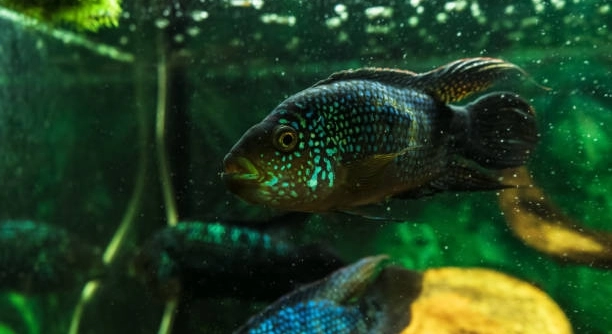
Jack Dempsey fish are striking and lively, but they can sometimes show subtle signs of discomfort that go unnoticed. Observing them carefully helps ensure their environment meets their needs and keeps them healthy and stress-free.
Common signs of Jack Dempsey fish discomfort include changes in color, reduced appetite, erratic swimming, hiding excessively, fin clamping, rapid gill movement, and unusual aggression. Monitoring these behaviors allows owners to address stressors promptly and maintain optimal tank conditions.
Recognizing these early indicators makes it easier to support your fish’s well-being and prevent minor issues from turning into serious problems.
Color Changes
Jack Dempsey fish can show discomfort through changes in their coloration. Normally, their skin is vibrant with deep blues, greens, and golds. When stressed or sick, these colors may fade or darken. Lighting, water quality, and diet can all affect their appearance, but sudden changes are often linked to stress. Watching your fish daily helps spot these shifts early. Sometimes, a stressed fish may develop blotches or uneven patches, signaling a need for attention. Minor changes might be temporary, but consistent color dullness often points to poor tank conditions or illness. Tank overcrowding, improper pH, or temperature fluctuations can all cause noticeable fading. Adjusting water parameters gradually and ensuring proper nutrition can restore their natural colors. Observation is key—if you notice persistent dullness, further investigation and possible consultation with a fish care specialist may be necessary. Color shifts can be subtle but are a reliable indicator of a fish’s comfort and health.
Regular monitoring of color changes ensures early detection of stress and prevents worsening conditions.
Paying attention to these signs helps maintain a stable, healthy environment. Adjusting lighting, temperature, and water quality can gradually improve your fish’s color and overall well-being, allowing them to thrive naturally.
Erratic Swimming
Erratic swimming is a clear indicator that your Jack Dempsey is uncomfortable. This includes sudden darting, circling, or crashing into objects. Such behaviors often signal stress, illness, or environmental issues. Observing movement patterns can reveal if the tank conditions are unsuitable.
Rapid or unusual swimming patterns often point to water quality problems or internal discomfort.
Erratic swimming can stem from multiple causes. Poor water parameters, such as improper pH, ammonia, nitrite, or nitrate levels, can irritate the fish and lead to frantic or uncoordinated movement. Sudden temperature changes may shock the fish, triggering panicked swimming. Illnesses like parasites or bacterial infections can also produce this behavior, often accompanied by lethargy or loss of appetite. Stress from tankmates, overcrowding, or aggressive interactions can further exacerbate this issue. Observing the fish closely, testing water regularly, and maintaining proper tank conditions are essential to prevent ongoing discomfort. Addressing these factors promptly helps restore calm swimming patterns. Providing hiding spots and gentle filtration can also reduce stress, making the fish feel secure and encouraging natural behavior over time.
Reduced Appetite
A Jack Dempsey that suddenly eats less may be under stress or facing illness. Appetite changes often indicate water quality issues, improper diet, or early signs of infection. Monitoring feeding habits helps catch problems before they escalate.
Reduced appetite can result from several factors. Water conditions that are off, including pH, temperature, or chemical imbalance, can make the fish hesitant to eat. Stress from aggressive tankmates or overcrowding also suppresses feeding. Illnesses, such as bacterial or parasitic infections, may cause discomfort that reduces hunger. Even minor environmental changes, like new decorations or relocation of the tank, can temporarily affect appetite. Ensuring consistent, high-quality food and maintaining a stable environment encourages regular feeding. Observation during feeding times helps determine if the issue is temporary or requires intervention. Small, gradual improvements in water parameters often restore appetite quickly.
Offering a varied diet, adjusting water conditions, and keeping the tank calm can help your Jack Dempsey regain a healthy appetite. Regular monitoring ensures long-term well-being and reduces stress-related issues.
Excessive Hiding
Excessive hiding signals discomfort in Jack Dempsey fish. Constantly staying behind decorations or in corners often reflects stress, illness, or fear.
Hiding behavior increases when fish feel threatened or unsafe. Aggressive tankmates can push a Jack Dempsey to remain out of sight, limiting movement and interaction. Poor water quality or sudden changes in temperature can also encourage hiding as a defensive response. Fish may retreat more if they are sick, conserving energy to fight infection or stress. Observing patterns over time helps identify if hiding is situational or chronic. Providing proper shelters and ensuring compatible tankmates can reduce anxiety. Gradual acclimation to environmental changes allows fish to explore more confidently. Monitoring water parameters and behavior ensures that hiding does not turn into a long-term problem affecting health.
By maintaining clean water, stable temperature, and safe spaces, your Jack Dempsey can feel secure, reducing excessive hiding and promoting natural activity. Creating a balanced environment encourages fish to engage with the tank and reduces stress-related behaviors.
Clamped Fins
Clamped fins are a clear sign that a Jack Dempsey is uncomfortable. When fins are held close to the body, it often indicates stress, poor water quality, or illness affecting the fish’s overall health.
This behavior reduces swimming efficiency and limits normal movement. Persistent fin clamping should be addressed quickly by checking water parameters, ensuring proper diet, and reducing stressors in the tank.
Rapid Gill Movement
Rapid gill movement signals that the fish may be struggling to breathe properly. It often indicates low oxygen levels, poor water quality, or an underlying health issue.
Unusual Aggression
Unusual aggression in Jack Dempsey fish can indicate stress, illness, or territorial discomfort. Aggressive behavior often appears suddenly and can disrupt tank harmony.
FAQ
What causes Jack Dempsey fish to change color suddenly?
Sudden color changes are usually a response to stress or poor tank conditions. Water temperature, pH levels, and chemical imbalances can all trigger this behavior. Illness, such as bacterial or parasitic infections, can also make colors fade or darken. Regular observation and maintaining stable water conditions are crucial for healthy coloration.
How can I tell if my fish is stressed or sick?
Stress and illness often show similar signs, including clamped fins, hiding, rapid gill movement, reduced appetite, and unusual swimming patterns. Paying attention to behavior patterns over several days helps determine if the cause is environmental stress or a medical issue. Testing water parameters is essential.
Why does my Jack Dempsey hide so much?
Excessive hiding is typically a response to fear, aggression from tankmates, or discomfort due to water conditions. Sick or stressed fish often conserve energy by staying in shelters. Providing adequate hiding spots and ensuring compatible tankmates reduces anxiety. Gradual acclimation to tank changes helps fish feel secure.
What should I do if my fish is clamping its fins?
Clamped fins indicate stress or health problems. First, check water quality, including ammonia, nitrite, nitrate, and pH levels. Ensure proper filtration and stable temperature. Stress from overcrowding or aggressive tankmates may also cause clamping. Adjusting the environment and monitoring the fish closely often resolves the issue.
Why is my Jack Dempsey swimming erratically?
Erratic swimming can result from poor water quality, temperature fluctuations, or illness. Aggressive tankmates or overcrowding may also provoke this behavior. Observing the fish during feeding and testing water parameters helps pinpoint the cause. Providing a stable, calm environment encourages normal swimming patterns.
How can I improve my fish’s appetite?
Offering high-quality, varied foods and maintaining stable water conditions are key. Reducing stress, providing hiding spots, and feeding in small, frequent portions can help encourage eating. If the fish continues to refuse food, it may indicate illness requiring treatment.
Can unusual aggression indicate health problems?
Yes, sudden aggression often points to stress, illness, or discomfort in their environment. Changes in water quality, tank layout, or new tankmates can trigger territorial behavior. Monitoring interactions and ensuring adequate space helps reduce aggressive episodes.
How often should I monitor my tank conditions?
Daily observation of your fish’s behavior, combined with weekly water tests, is recommended. Keeping parameters stable and spotting early signs of stress prevents serious health problems and ensures a comfortable environment for your Jack Dempsey.
Are there signs that indicate immediate medical attention is needed?
Yes. Persistent clamped fins, severe color fading, extreme hiding, rapid gill movement, or lethargy over multiple days are warning signs. Immediate action includes testing water quality, adjusting tank conditions, and consulting a veterinarian or fish care specialist if symptoms persist.
How long does it take for Jack Dempsey fish to recover from stress?
Recovery depends on the cause and severity. Minor stress from environmental changes may resolve in a few days once conditions stabilize. Illness-related stress requires treatment, which could take weeks. Consistent monitoring and proper care are essential for full recovery.
Can tankmates affect my fish’s comfort?
Absolutely. Aggressive or incompatible tankmates can stress Jack Dempsey fish, leading to hiding, clamped fins, or unusual aggression. Choosing compatible species, providing hiding spaces, and maintaining proper tank size reduces stress and promotes natural behavior.
Is it normal for Jack Dempsey to show subtle signs of discomfort?
Yes. Even healthy fish occasionally display minor stress behaviors due to environmental changes, mild temperature fluctuations, or brief social interactions. Consistent observation and proper tank maintenance help prevent these subtle issues from becoming serious health concerns.
How can I prevent discomfort in my Jack Dempsey fish?
Maintaining stable water parameters, providing adequate space, ensuring compatible tankmates, offering varied nutrition, and observing behavior daily are key preventive measures. Proper tank setup and gentle care help your fish remain active, healthy, and stress-free over time.
Final Thoughts
Jack Dempsey fish are beautiful and lively, but they can show signs of discomfort that are easy to miss. Paying attention to their behavior and appearance is important for keeping them healthy. Subtle changes like fading colors, clamped fins, or hiding too much can indicate that something in their environment is not right. These fish are sensitive to water quality, temperature, and stress from tankmates, so regular observation is essential. Monitoring how they swim, eat, and interact with their surroundings gives a clear picture of their well-being. Even small signs of stress should not be ignored because they can lead to more serious health problems if left untreated. By noticing changes early, you can adjust the environment or care routine to help your fish feel more comfortable and secure.
Maintaining stable water conditions is one of the most important steps for ensuring a Jack Dempsey’s comfort. They thrive in well-filtered water with the right pH, temperature, and minimal fluctuations. Even minor shifts in these parameters can cause stress, which may show through unusual behavior or changes in appearance. Feeding a consistent and balanced diet also plays a significant role. Fish that are stressed or sick may refuse food, which can worsen their condition. Providing proper hiding spots, a clean tank, and avoiding overcrowding reduces anxiety and encourages natural behavior. Observing your fish daily allows you to notice early signs of illness, stress, or aggression, which makes it easier to address problems before they become serious. Keeping a routine of testing water quality and monitoring behavior is key to long-term health.
Understanding the subtle signs of discomfort can improve the quality of life for your Jack Dempsey fish. It helps you create a stable, safe, and stress-free environment that allows them to thrive. Fish that are comfortable show vibrant colors, swim naturally, eat regularly, and interact with their surroundings. Even slight adjustments to tank conditions, diet, or social dynamics can make a big difference. Patience and consistent care are essential because fish respond gradually to changes. By noticing and addressing early signs of discomfort, you ensure your Jack Dempsey lives a healthy, active life. These practices make maintaining a tank easier and more rewarding, allowing you to enjoy the fish’s natural behavior while keeping them safe and comfortable. Regular care, attention, and observation are the foundation of responsible fishkeeping.

Hello,
If you enjoy the content that we create, please consider saying a "Thank You!" by leaving a tip.
Every little bit helps us continue crafting quality advice that supports the health, happiness, and well-being of pets around the world, for pets of all shapes, sizes, and species.
We really appreciate the kindness and support that you show us!