
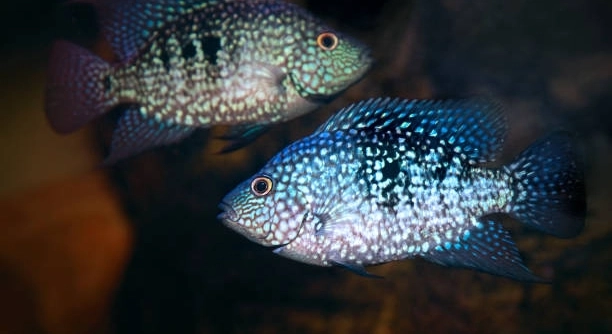
Have you ever noticed your Dempsey tank water becoming cloudy even after regular cleaning? Watching your fish swim through murky water can feel discouraging, and it can make maintaining a healthy tank seem more challenging than it needs to be.
Cloudy water in Dempsey tanks is usually caused by excess food, bacterial growth, or inadequate filtration. Implementing proper feeding habits, routine water changes, and efficient filtration systems can significantly improve water clarity and support a stable aquatic environment.
Maintaining clear water keeps your fish healthy and enhances the beauty of your tank. Small changes in care routines can make a noticeable difference over time.
Monitor and Control Feeding
Overfeeding is one of the main reasons Dempsey tank water turns cloudy. When fish are given more food than they can consume, leftovers sink to the bottom and begin decomposing. This decomposition increases waste in the water, encouraging bacterial growth that can turn the water milky. It’s important to provide only the amount your Dempsey cichlids can eat within a few minutes. Using smaller, frequent feedings rather than one large feeding can help maintain better water quality. Choosing high-quality food that produces less waste is also beneficial. Observing how much your fish eat and adjusting portions accordingly keeps the tank clean and reduces unnecessary buildup of organic matter. Over time, consistent portion control will lead to clearer water and healthier fish, making maintenance easier and more predictable.
Smaller, measured feedings prevent excess food from polluting the water and reduce bacterial blooms, keeping your tank cleaner and healthier.
Keeping a feeding schedule helps you avoid guesswork. By noting how much your fish consume each day, you can adjust portions to prevent leftover food. Combining this with routine observation ensures water stays clear. Using sinking pellets or high-protein flakes can reduce waste, and feeding in moderation prevents stress on fish, as they aren’t overwhelmed with excess food. Over time, less debris in the tank leads to fewer ammonia spikes, helping your filtration system work more efficiently. Proper feeding also supports your Dempseys’ health, as they receive balanced nutrition without the risk of overfeeding-related issues.
Maintain Proper Filtration
A good filter is essential for keeping tank water clear. It removes particles and supports a stable environment for Dempseys.
Filtration systems work in mechanical, chemical, and biological ways. Mechanical filtration captures debris, chemical filtration removes impurities, and biological filtration supports beneficial bacteria that break down waste. Choosing a filter rated for your tank size ensures adequate water turnover. Cleaning the filter regularly prevents clogging and maintains efficiency. Replacing filter media according to manufacturer guidelines avoids reduced performance. Avoid over-cleaning, as removing all bacteria can disrupt the tank balance. Combining proper filtration with consistent water changes strengthens overall water quality. A well-maintained filter reduces cloudiness, keeps ammonia and nitrite levels low, and provides a healthier habitat for your fish. Monitoring flow rate ensures that water circulates evenly, reaching all corners of the tank. This consistent filtration process prevents stagnant areas where waste can accumulate, helping to maintain the visual clarity and stability your Dempseys need. Over time, a properly maintained filtration system reduces maintenance needs and promotes long-term tank health.
Perform Regular Water Changes
Changing water regularly keeps your Dempsey tank clear and reduces harmful buildup. Removing a portion of the tank water and replacing it with fresh, dechlorinated water helps maintain chemical balance and prevents excessive cloudiness from developing.
Consistent water changes remove dissolved waste and reduce nutrients that fuel bacterial blooms. A 20–30% water change once a week is generally effective for most Dempsey tanks. This routine keeps ammonia, nitrite, and nitrate levels under control, preventing stress on the fish. Using a gravel vacuum during changes helps remove leftover food and debris from the substrate, further improving water clarity. Over time, regular water changes create a stable environment, reducing fluctuations in water quality.
In addition to improving water clarity, water changes support your fish’s health by providing fresh oxygenated water. The process also helps maintain a balanced pH level and encourages beneficial bacterial colonies to thrive. By combining water changes with proper feeding and filtration, the tank becomes easier to maintain. Observing water clarity after each change provides insight into overall tank health. This practice reduces the risk of sudden cloudiness and ensures that your Dempseys live in a comfortable and safe environment.
Avoid Overcrowding
Keeping fewer fish in your tank reduces waste and makes it easier to maintain clean water.
Overcrowding increases stress and produces more waste than the filtration system can handle efficiently. Each additional Dempsey contributes to ammonia, nitrite, and debris buildup, which can quickly cloud the water. Ensuring enough space per fish is crucial to maintain healthy behavior and reduce competition for food. A properly stocked tank supports natural swimming patterns and minimizes aggression. Overcrowded tanks are harder to clean, and the filtration system may struggle to keep up with high waste levels, leading to persistent cloudiness.
Balancing tank size with the number of Dempseys allows for better water circulation and filtration efficiency. More space per fish reduces the accumulation of uneaten food and detritus on the substrate. When combined with regular water changes and proper feeding, avoiding overcrowding ensures long-term water clarity. Providing sufficient hiding spots and decorations also helps fish feel secure, reducing stress-related behaviors that can contribute to waste. Maintaining a reasonable stocking level encourages healthy growth and vibrant colors, while preventing cloudy water and ensuring a stable environment for all tank inhabitants.
Clean the Substrate Regularly
Debris and uneaten food settle on the tank floor, contributing to cloudy water. Using a gravel vacuum or siphon helps remove these particles during water changes, keeping the substrate clean and minimizing waste buildup.
Regular substrate cleaning reduces harmful bacteria growth. A clean tank bottom improves overall water quality and prevents murkiness.
Limit Light Exposure
Too much light can promote algae growth, which adds to cloudy water. Keeping a consistent, moderate light schedule prevents excessive algae while still supporting your tank’s natural balance.
Introduce Live Plants
Live plants absorb excess nutrients in the water, helping to reduce bacterial blooms and maintain clarity. Their presence supports a healthier ecosystem and keeps the tank visually appealing.
Avoid Tap Water Chemicals
Chlorine and chloramine in tap water can disturb beneficial bacteria. Using a water conditioner before adding water ensures your Dempsey tank remains stable and clear.
FAQ
Why is my Dempsey tank water cloudy even after a water change?
Cloudy water after a water change is usually caused by bacterial blooms. When you remove some water, the balance of bacteria in the tank temporarily shifts. This can make the water appear milky for a short time. It usually clears within a day or two if the tank is stable and feeding is controlled.
How often should I change water to prevent cloudiness?
A weekly water change of 20–30% is generally sufficient for most Dempsey tanks. Frequent partial changes prevent waste buildup, reduce ammonia and nitrate levels, and maintain water clarity. Using a gravel vacuum during changes ensures leftover food and debris are removed efficiently.
Can overfeeding really cause cloudy water?
Yes, overfeeding is one of the main causes of cloudy water. Uneaten food sinks to the bottom and decomposes, creating excess nutrients for bacteria. Feeding only what your Dempseys can eat in a few minutes reduces waste and keeps water clearer.
Does filtration affect water clarity?
Filtration plays a major role in water clarity. Mechanical filtration removes particles, chemical filtration removes impurities, and biological filtration supports beneficial bacteria. Choosing a filter rated for your tank size and maintaining it properly ensures efficient waste removal and prevents cloudy water.
Will adding live plants help reduce cloudiness?
Live plants absorb excess nutrients in the water, which can reduce bacterial and algae growth. Plants also provide oxygen and improve tank stability. Healthy plants contribute to a cleaner environment and make maintaining clear water easier over time.
Is cloudy water harmful to my Dempseys?
Short-term cloudy water from bacterial blooms is generally not harmful, but persistent cloudiness can indicate high waste levels or poor water quality. Prolonged exposure to poor water conditions may stress fish and increase the risk of disease. Maintaining a clean tank prevents long-term problems.
Can tap water cause cloudy water?
Tap water treated with chlorine or chloramine can affect beneficial bacteria if added directly. Using a water conditioner before adding tap water protects bacteria colonies and prevents sudden cloudiness caused by chemical shocks.
How can I tell if my cloudy water is from algae or bacteria?
Bacterial blooms usually appear as milky or gray water and may clear naturally over time. Algae growth often gives a greenish tint and can attach to surfaces. Adjusting light, nutrient levels, and maintenance routines can address both issues effectively.
Does tank size matter for water clarity?
Yes, tank size affects how quickly water becomes cloudy. Smaller tanks are more sensitive to overfeeding, waste buildup, and filtration inefficiency. Maintaining proper stocking levels and consistent cleaning schedules is especially important in smaller Dempsey tanks.
Can adding more Dempseys cause cloudiness?
Adding too many fish increases waste production and stress, making it harder for filtration to keep water clear. Maintaining a reasonable number of Dempseys per tank size ensures water stays balanced and reduces the risk of cloudy conditions.
How long does it take for cloudy water to clear?
Cloudy water from bacterial blooms usually clears within 24–48 hours if feeding is controlled and filtration is working efficiently. Persistent cloudiness may require a review of tank maintenance, feeding, or filtration practices to restore clarity.
Are there any quick fixes for cloudy water?
Temporary fixes like water clarifiers can settle particles, but they do not solve the underlying problem. The most effective solution is controlling feeding, performing regular water changes, cleaning the substrate, and maintaining a good filtration system.
Does temperature affect water clarity?
Water temperature influences bacterial activity and fish metabolism. Higher temperatures can accelerate waste breakdown, sometimes leading to temporary cloudiness. Keeping a stable temperature appropriate for Dempseys helps maintain a balanced ecosystem and clearer water.
Can I prevent cloudiness entirely?
While occasional bacterial blooms may occur, consistent maintenance, controlled feeding, proper filtration, substrate cleaning, and avoiding overcrowding can minimize cloudiness. Preventative care ensures your tank stays as clear as possible and supports healthy, active fish.
Should I remove decorations or rocks when water is cloudy?
Removing decorations is usually unnecessary unless they are heavily coated with debris. Light cleaning of surfaces during water changes is enough. Decorations can host beneficial bacteria that help maintain the tank’s natural balance.
How do I balance clarity with a healthy ecosystem?
Balancing water clarity and ecosystem health requires routine water changes, substrate cleaning, controlled feeding, and adequate filtration. Live plants, reasonable stocking levels, and stable water parameters support a thriving environment while keeping water visually clear.
What signs indicate that cloudiness is a serious problem?
Persistent cloudiness, foul odors, excessive algae, or stressed fish are signs of poor water quality. These indicate high waste levels, inadequate filtration, or disease risk. Immediate maintenance and water testing are needed to prevent harm to your Dempseys.
Can I use chemicals to clear cloudy water?
Some chemical clarifiers can temporarily improve water clarity but do not address underlying causes. Relying on proper feeding, filtration, water changes, and plant care is more effective for long-term clarity and fish health.
Does substrate type affect cloudiness?
Yes, fine sand or poorly rinsed gravel can release particles that cloud water. Using washed substrate and vacuuming regularly prevents sediment buildup and maintains clearer water. Proper substrate choice supports both aesthetics and tank health.
Are there natural ways to maintain clarity?
Natural methods like adding live plants, controlling feeding, maintaining good filtration, and performing regular water changes help keep water clear. Encouraging beneficial bacteria growth also supports a balanced ecosystem without relying on chemicals.
How do I know if my filtration is working properly?
Signs of effective filtration include clear water, stable water parameters, and minimal debris buildup. Regular cleaning and monitoring flow rate ensure filters operate efficiently. Inadequate filtration often shows as persistent cloudiness or foul odors.
What is the best routine for preventing cloudy water?
A weekly water change, substrate cleaning, controlled feeding, proper filtration maintenance, and avoiding overcrowding form the best routine. Combining these practices supports long-term water clarity, reduces stress on fish, and creates a healthy, stable tank environment.
How do I recover from persistent cloudy water?
Persistent cloudiness requires reviewing feeding, filtration, water changes, and tank stocking levels. Removing excess waste, adjusting maintenance routines, and ensuring balanced bacterial colonies will restore water clarity over time, promoting a healthy environment for your Dempseys.
Can cloudy water affect breeding Dempseys?
Yes, poor water clarity can stress fish, affecting breeding behavior and egg survival. Maintaining clear, stable water conditions supports reproductive health and increases the likelihood of successful breeding outcomes.
Is cloudy water more common in new tanks?
Yes, new tanks often experience bacterial blooms, known as “new tank syndrome.” Beneficial bacteria are still establishing, leading to temporary cloudiness. This usually resolves naturally as the tank matures with proper feeding and filtration practices.
What tools help maintain water clarity?
Gravel vacuums, high-quality filters, water conditioners, and test kits are essential. Monitoring ammonia, nitrite, nitrate, and pH ensures early detection of issues and helps maintain consistent water clarity for Dempseys.
How can I monitor progress effectively?
Observe water color daily, track feeding habits, measure chemical levels, and note any changes in fish behavior. Regular monitoring helps identify patterns that contribute to cloudiness and ensures timely interventions.
Are there signs my Dempseys are stressed from cloudy water?
Signs include hiding, reduced activity, rapid gill movement, or loss of appetite. Addressing water clarity and overall tank health quickly prevents long-term stress or illness.
Can frequent partial water changes hurt my Dempseys?
Frequent small water changes are generally safe and help maintain stable water quality. Avoid complete water replacements, which can shock fish and disturb beneficial bacteria colonies.
Does feeding frequency matter?
Yes, feeding smaller amounts multiple times a day is better than one large meal. It reduces leftover food, prevents excessive waste, and helps maintain clearer water while keeping fish healthy.
How do I prevent future bacterial blooms?
Control feeding, maintain regular water changes, clean the substrate, and keep filtration in good condition. Adding live plants and monitoring water parameters also supports a stable environment that discourages bacterial overgrowth.
Is it normal for water to cloud after adding new fish?
Yes, introducing new fish can temporarily increase waste and disturb the tank balance. Monitor water closely, adjust feeding, and maintain filtration to help water clear quickly.
How long should I expect improvement after maintenance?
With consistent care, water clarity usually improves within a few days. Persistent cloudiness beyond this may require a review of tank conditions, feeding habits, or filtration efficiency to identify ongoing issues.
Can temperature fluctuations cause cloudy water?
Sudden temperature changes can stress fish and affect bacterial balance, sometimes leading to temporary cloudiness. Maintaining a stable temperature appropriate for Dempseys helps prevent these fluctuations.
Does cloudy water impact fish color?
Cloudy water does not directly change fish color but can stress Dempseys, which may dull their natural vibrancy. Clear, stable water helps fish display their best colors while staying healthy.
What is the most common mistake causing cloudiness?
Overfeeding and inadequate filtration are the most common mistakes. Controlling food portions, performing regular maintenance, and ensuring proper filtration prevents most cloudiness issues.
How do I keep my tank clear long-term?
Consistency is key. Regular water changes, substrate cleaning, moderate feeding, proper filtration, and reasonable stocking levels create a sustainable routine that maintains clarity and supports healthy fish over time.
Can cloudy water be prevented entirely in a Dempsey tank?
While occasional minor cloudiness may occur, following proper maintenance practices, monitoring feeding, and maintaining filtration effectively minimizes frequency and severity, keeping your tank as clear as possible.
What should I do if cloudiness persists despite proper care?
If cloudiness continues, test water parameters, inspect filter function, and check for overstocking. Addressing hidden issues like leftover food, substrate buildup, or chemical imbalances will restore clarity and stabilize the tank environment.
Are some foods better than others for preventing cloudiness?
High-quality, slow-sinking pellets or flakes produce less waste and are easier for fish to consume completely. Avoid overfeeding and remove uneaten portions promptly to minimize cloudiness and maintain water quality.
Do decorations affect cloudiness?
Decorations themselves usually do not cause cloudiness unless debris accumulates on them. Light cleaning and avoiding overcrowding decorations support clear water while still providing hiding spots for Dempseys.
Can beneficial bacteria supplements help?
Yes, adding bacteria supplements can stabilize the tank’s biological balance, accelerate the breakdown of waste, and help water clear faster after disturbances like water changes or new fish additions.
How does substrate depth impact water clarity?
Deeper substrate can trap more debris, making vacuuming important. Shallow, well-maintained substrate reduces trapped waste, preventing bacterial blooms and helping maintain long-term clarity.
Are live plants always necessary for clear water?
Not always, but they provide natural nutrient absorption, oxygenation, and stability. Combined with proper maintenance, live plants make it easier to sustain clear water consistently.
How does fish behavior impact water clarity?
Active fish stir up debris, but balanced feeding and sufficient space reduce excessive waste and substrate disturbance. Observing behaviors helps adjust tank care to maintain clarity.
Is it normal for water to appear cloudy during tank cycling?
Yes, new tanks often experience bacterial blooms during cycling. This is temporary and usually resolves as beneficial bacteria establish. Maintaining a careful feeding and filtration routine helps speed up the process.
Can cloudy water cause diseases?
Persistent poor water quality stresses fish, weakening immunity and increasing susceptibility to disease. Maintaining clarity is essential for healthy, active Dempseys.
Do filter types matter for cloudiness?
Yes, mechanical, chemical, and biological filtration all contribute to clarity. A properly sized filter ensures water is effectively cleaned, removing debris and maintaining a healthy balance.
What role does ammonia play in cloudy water?
High ammonia levels result from leftover food and waste, promoting bacterial growth that clouds water. Regular water changes, feeding control, and filtration reduce ammonia and maintain clarity.
Can cloudy water return after clearing?
Yes, if feeding, filtration, or maintenance routines slip. Consistency in tank care is essential to prevent cloudiness from recurring.
Are there signs of a bacterial bloom?
Milky or gray water without green algae, usually appearing suddenly, indicates a bacterial bloom. This often resolves naturally if feeding is controlled and filtration is adequate.
How important is observation for preventing cloudiness?
Daily observation helps detect early signs of waste buildup, overfeeding, or filtration issues. Timely adjustments prevent persistent cloudiness and support a healthy, balanced tank.
Can adding new fish repeatedly cause recurring cloudiness?
Yes, frequent introductions increase waste and disturb bacterial balance. Proper acclimation, controlled feeding, and monitoring water parameters minimize repeated cloudiness.
Is cloudy water linked to fish stress?
Yes, cloudy water can increase stress by reducing visibility and altering water chemistry. Clear, stable water helps Dempseys feel secure and thrive.
What is the fastest way to clear water safely?
The fastest safe method combines partial water changes, substrate cleaning, and monitoring feeding. Temporary clarifiers can assist, but routine care is more effective long-term.
Can cloudy water affect growth?
Poor water quality slows growth due to stress and reduced oxygen levels. Maintaining clean water supports healthy, consistent development in Dempseys.
Are chemical treatments necessary for cloudiness?
Usually not. Proper feeding, filtration, water changes, and live plants address the root causes. Chemicals are a temporary solution and should not replace good maintenance practices.
Does water hardness influence cloudiness?
Hard water can interact with debris and create minor cloudiness. Regular maintenance and filtration effectively manage this and keep clarity stable.
How do I educate myself to prevent future cloudiness?
Tracking feeding habits, water changes, water tests, and fish behavior over time helps build understanding. Adjusting care routines based on observation ensures a consistently clear and healthy tank.
Can cloudiness return after treatment?
Yes, if feeding, filtration, or cleaning routines are not maintained. Consistency in all aspects of tank care is necessary for lasting clarity and stability.
What’s the simplest long-term strategy to keep water clear?
Maintain a routine of controlled feeding, regular water changes, proper filtration, substrate cleaning, and adequate tank space. Adding live plants and monitoring water parameters completes an effective long-term strategy for clear water.
Does cloudy water affect fish appetite?
Yes, poor water conditions can reduce appetite and activity. Keeping the tank clear supports normal feeding behavior and overall health of Dempseys.
Can I combine methods for faster results?
Yes, combining water changes, substrate cleaning, filtration maintenance, and controlled feeding clears water faster and supports long-term stability while minimizing stress on fish.
Are certain decorations worse for cloudiness?
Porous decorations can trap debris. Smooth, easily cleaned decorations minimize waste accumulation and help maintain clear water while still providing hiding spots.
Is cloudy water more common in small tanks?
Yes, smaller tanks are more sensitive to feeding errors, waste buildup, and filtration limits. Careful monitoring and routine maintenance are essential in compact setups.
Do water conditioners help maintain clarity long-term?
Yes, conditioners neutralize chlorine and chloramine, protecting beneficial bacteria. This helps maintain the biological balance necessary for long-term clear water.
Can seasonal changes affect cloudiness?
Yes, temperature fluctuations and changes in light or feeding patterns during seasons can affect bacterial growth and algae, sometimes causing temporary cloudiness.
How do I know if my Dempseys are happy with water clarity?
Active swimming, normal feeding, vibrant colors, and calm behavior indicate your tank conditions, including water clarity, are suitable for your Dempseys.
Are there signs that tank maintenance is working?
Clear water, low debris levels, stable chemical readings, and healthy, active fish show that maintenance practices are effective.
How long should I monitor after resolving cloudiness?
Monitor daily for at least a week to ensure water clarity remains stable, feeding habits are appropriate, and filtration is functioning efficiently.
Can cloudy water damage filtration equipment?
Excess debris from persistent cloudiness can clog filters, reducing efficiency. Regular cleaning ensures the system continues to function effectively and maintain water clarity.
Do frequent water tests help prevent cloudiness?
Yes, monitoring ammonia, nitrite, nitrate, and pH helps catch problems early. Early intervention prevents bacterial blooms and maintains a stable, clear tank.
Can fish behavior indicate water quality issues?
Yes, stressed or lethargic fish often reflect poor water conditions. Observing behavior alongside water clarity provides a complete picture of tank health.
Are there natural bacterial solutions to clear water?
Yes, adding beneficial bacteria supplements supports biological filtration, accelerates waste breakdown, and helps prevent recurring cloudiness naturally without chemicals.
Is cloudy water a sign of overstocking?
Persistent cloudiness can indicate too many fish relative to tank size. Maintaining appropriate stocking levels supports filtration efficiency and water clarity.
Can improper cleaning cause more cloudiness?
Yes, over-cleaning can remove beneficial bacteria, while under-cleaning allows waste to accumulate. Finding a balanced routine ensures clarity without disturbing the ecosystem.
What is the safest approach to clear cloudy water?
Controlled feeding, partial water changes, substrate cleaning, and properly maintained filtration provide the safest and most effective way to clear cloudy water without harming fish.
Can adding more filtration fix persistent cloudiness?
Additional filtration can help if current systems are insufficient, but it should complement proper feeding, water changes, and substrate maintenance rather than replace them.
Does cloudy water affect fish interaction?
Yes, cloudiness can stress fish, reduce activity, and obscure normal social behaviors. Maintaining clarity promotes natural interaction and healthy fish behavior.
How do I know if water clarifiers are needed?
They may help temporarily settle particles, but consistent maintenance usually eliminates the need. Use them only as a short-term aid while addressing root causes.
Are Dempseys more prone to cloudiness than other fish?
Their messy feeding habits and territorial behavior can contribute, but any freshwater tank can experience cloudiness without proper care.
What is the best combination of methods for long-term clarity?
Controlled feeding, regular water changes, substrate cleaning, proper filtration, live plants, reasonable stocking, and monitoring water parameters provide the most effective long-term strategy for clear water.
Can diet influence cloudiness?
High-quality, easily consumed food reduces waste and prevents excess nutrients from promoting bacterial blooms, supporting clearer water and healthier fish.
How do I adjust care for a newly established tank?
Expect temporary cloudiness as bacteria establish. Feed sparingly, monitor water, and ensure filtration functions properly. Cloudiness usually clears as the tank matures.
Does cloudy water recover on its own?
Minor bacterial blooms often resolve naturally, but persistent cloudiness requires adjustments in feeding,
Maintaining clear water in a Dempsey tank requires consistent care and attention. Cloudy water often appears due to overfeeding, poor filtration, or excess waste, but these issues can be managed with proper routines. Small changes, like feeding the correct portion sizes and using high-quality food, make a noticeable difference in water clarity. Controlling feeding prevents leftover food from accumulating in the substrate, reducing bacterial growth and keeping the water visually clear. Observing how much your fish eat and adjusting accordingly not only helps maintain clean water but also supports the health of the Dempseys. Overfeeding can lead to stress, poor water quality, and even health problems for your fish, so keeping portions moderate is essential. Pairing proper feeding habits with regular cleaning ensures that debris does not build up and that your tank environment stays balanced over time.
Filtration is another key factor in maintaining a healthy, clear tank. A well-functioning filter removes suspended particles, controls ammonia and nitrite levels, and supports beneficial bacteria. Mechanical, chemical, and biological filtration all work together to keep water clear while creating a stable environment for your fish. Cleaning or replacing filter media according to manufacturer guidelines ensures the system continues to operate efficiently, without disturbing the bacteria that help break down waste. Combining effective filtration with regular water changes strengthens overall water quality. Partial water changes remove dissolved waste, maintain chemical balance, and replenish oxygen in the tank. Using a gravel vacuum during water changes helps remove uneaten food and debris from the substrate, further improving clarity. Over time, this combination of filtration and maintenance creates a stable environment where the water remains clear and the Dempseys thrive.
In addition to feeding and filtration, tank management practices play a significant role in preventing cloudy water. Avoiding overcrowding reduces stress and minimizes excess waste, allowing the filtration system to handle the load more effectively. Introducing live plants can also help, as they absorb nutrients that would otherwise feed bacteria or algae. Controlling light exposure prevents algae overgrowth, which can contribute to cloudy water. Even simple steps, like using a water conditioner to neutralize chlorine or chloramine before adding tap water, support a stable ecosystem. Regular observation of your fish and the tank’s condition helps identify potential problems early, allowing for timely adjustments. By combining feeding control, effective filtration, regular maintenance, live plants, and careful observation, you can maintain clear water while supporting a healthy environment. These consistent practices make caring for a Dempsey tank more manageable, ensuring your fish remain vibrant, active, and comfortable in a stable aquatic home.

Hello,
If you enjoy the content that we create, please consider saying a "Thank You!" by leaving a tip.
Every little bit helps us continue crafting quality advice that supports the health, happiness, and well-being of pets around the world, for pets of all shapes, sizes, and species.
We really appreciate the kindness and support that you show us!