
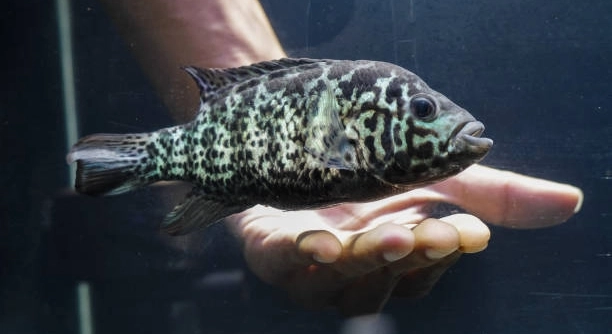
Jack Dempsey fish are known for their bright and changing colors. These freshwater fish often shift their appearance depending on mood, health, and surroundings, making them fascinating creatures to observe. Their colors can be vivid and eye-catching.
Jack Dempsey fish use color primarily to communicate social signals. Bright colors often indicate dominance or readiness to mate, while darker shades can signal submission or stress. Color changes help maintain hierarchy and interactions within their environment.
Observing these color patterns can reveal important insights into their behavior and interactions within their habitat. Understanding this makes keeping and caring for them more rewarding.
How Jack Dempsey Fish Signal Dominance
Jack Dempsey fish display dominance through vibrant colors that stand out against their tank environment. Males often show brighter blues and greens when asserting control, while females may adopt subtle shades to avoid conflict. This signaling helps establish hierarchy, reducing physical fights. Bright coloration is especially noticeable during feeding times or in the presence of other males. Dominant fish patrol their territory, using both posture and color to warn others. Subordinate fish respond by darkening their patterns or retreating to corners of the tank. Observing these changes can help you understand which fish hold control and which are more submissive. Color patterns can also shift based on mood and environmental conditions, so changes are not always related to dominance. Tank setup, lighting, and decorations influence how easily these signals are seen. By noting these behaviors, caretakers can better maintain peace and avoid unnecessary stress among the fish.
Bright coloration serves as an immediate visual cue for hierarchy, helping fish recognize dominant individuals without constant fighting.
The display of dominance in Jack Dempsey fish is a combination of bright coloration and body movements. Males flare their fins, swim assertively, and keep other fish at a distance. Females and less dominant males use muted colors and still movements to show submission. Understanding these patterns allows aquarists to predict interactions and prevent stress-related injuries. Tank size and hiding spots also impact dominance displays.
Color Changes During Mating
During mating, Jack Dempsey fish intensify their colors to attract partners.
Males brighten their blue and green hues, while females may adopt softer shades. These visual cues indicate readiness to spawn. Color changes often coincide with increased activity near nesting areas. The intensity of color helps the opposite sex recognize suitability for mating. Fish will also perform courtship behaviors, including circling and nudging. Observing these signs allows caretakers to identify the best time for breeding attempts.
Color changes during mating are critical for reproductive success. Males enhance their brightness to signal health and vitality, making them more appealing to females. Females respond by displaying specific markings that indicate receptiveness. Environmental factors such as lighting, water quality, and tank setup can influence how noticeable these changes are. A dim or cluttered tank can mask important signals, leading to missed mating opportunities. Careful observation of both males and females provides insights into their readiness and compatibility. Timing is crucial, as the fish’s natural cycles affect color intensity. Understanding these patterns allows for better management of breeding tanks. Monitoring subtle shifts in color can prevent aggression, as dominant males may otherwise misinterpret female signals. Tank caretakers who pay attention to these cues can facilitate successful spawning while maintaining harmony among all fish in the aquarium.
Stress and Color Changes
Stress in Jack Dempsey fish often shows through darkened or dull colors. Rapid changes can indicate poor water conditions, overcrowding, or aggressive tank mates.
When Jack Dempsey fish experience stress, their vibrant colors fade as a protective response. Darkened patterns signal submission or anxiety and help avoid unwanted attention from dominant fish. Common triggers include sudden changes in temperature, low oxygen levels, or lack of hiding spaces. Overcrowded tanks make these shifts more frequent, as fish constantly compete for territory. Observing their colors closely can help identify stressful conditions early, allowing adjustments to water quality, tank layout, or population to reduce tension. Stress also affects appetite and immune response, so noticing subtle changes in color is key to maintaining their health. By paying attention to these cues, caretakers can prevent long-term stress and ensure a stable environment for all tank inhabitants.
Color shifts caused by stress are not permanent and often reverse once conditions improve.
Stress-related color changes can also influence social interactions. Submissive fish may remain hidden or avoid dominant fish, while aggressive individuals might display exaggerated colors in reaction to threats. Tank lighting and background can make these changes more noticeable. Providing plants, rocks, and other hiding spaces allows stressed fish to recover more comfortably. Regular water checks, consistent feeding schedules, and limiting sudden disturbances reduce stress responses and help maintain their natural coloration. Recognizing these behavioral patterns alongside color shifts improves overall tank management and fish welfare, creating a calmer environment for both dominant and submissive individuals.
Territory and Communication
Jack Dempsey fish use bright colors to mark their territory and ward off rivals. Subdued colors indicate areas already claimed.
Territorial displays rely heavily on visual signals. Males expand fins and show vivid colors along tank edges or near nests to signal ownership. Subordinate fish react by darkening their shades and avoiding these zones. Color intensity can fluctuate depending on tank population and size. Recognizing these signs helps maintain peace and prevents aggressive encounters.
Territorial behavior is influenced by both environment and social structure. Large tanks with adequate hiding spaces reduce constant conflict, allowing fish to establish clear boundaries. Decorations, plants, and rocks provide reference points for claiming areas. Males frequently patrol their territory, using both color and posture to communicate with others. Subordinate fish observe and adapt, minimizing confrontation. Color changes act as a dynamic language, helping maintain hierarchy without excessive fighting. Understanding these patterns is essential for managing mixed groups and ensuring all fish coexist with minimal stress. Proper observation can guide adjustments to tank layout, population density, and interaction opportunities, improving overall harmony and reducing aggressive behavior.
Feeding and Color Signals
Jack Dempsey fish often intensify their colors during feeding times. Brighter shades indicate excitement and readiness to compete for food.
Submissive fish may darken or stay in the background to avoid confrontation. Observing these shifts helps understand social hierarchy and ensures all fish receive adequate nutrition.
Health and Color
Healthy Jack Dempsey fish show bright, consistent colors. Fading, dull, or blotchy patterns often indicate illness, parasites, or nutritional deficiencies. Regular monitoring of coloration provides early warnings, allowing caretakers to address health issues before they worsen.
Environmental Influence
Lighting, tank decorations, and water quality directly impact color expression. Poor lighting or murky water can make even healthy fish appear dull.
Providing clear water, natural-colored substrates, and balanced lighting helps Jack Dempsey fish display their true colors consistently, supporting both social communication and overall well-being.
FAQ
Why do Jack Dempsey fish change color so often?
Jack Dempsey fish change color in response to mood, health, social interactions, and environmental factors. Bright colors typically indicate dominance, mating readiness, or high energy, while darker or duller shades suggest stress, submission, or illness. Observing these changes helps understand their behavior and maintain a healthy tank.
Can color changes indicate illness in Jack Dempsey fish?
Yes. Sudden fading, blotchiness, or unusual dark patterns can signal disease, parasites, or poor nutrition. Coupled with lethargy, loss of appetite, or unusual swimming patterns, color shifts often serve as an early warning system. Prompt attention to water quality, diet, and potential infections can prevent serious health issues.
Do males and females show different color patterns?
Males are generally more vibrant, especially during dominance displays or mating periods. Females tend to have subtler shades but still exhibit color changes to communicate submission, readiness to spawn, or stress. Recognizing these differences allows better observation of social dynamics in the tank.
How does tank size affect color expression?
Smaller or overcrowded tanks often increase stress, leading to darker or muted colors. Larger tanks with sufficient hiding spaces allow fish to feel secure, maintain natural behaviors, and display brighter, more consistent colors. Tank layout directly impacts both communication and overall well-being.
Do Jack Dempsey fish use color to communicate with other species?
Primarily, color signals target conspecifics—other Jack Dempsey fish—to establish hierarchy, mating readiness, or territory. However, other species may react to these changes. Bright displays can intimidate potential rivals or signal a threat, while subdued colors reduce attention and aggression from other fish.
Can diet influence color intensity?
Absolutely. A balanced diet with proper nutrients, including carotenoids and proteins, supports vivid coloration. Poor diet can result in dull or faded colors, even in otherwise healthy fish. Monitoring feeding routines and providing variety ensures both visual vibrancy and long-term health.
How long does it take for colors to change?
Color shifts can occur rapidly, within minutes, in response to social interactions or stress. Gradual changes may also appear over days due to health, diet, or environmental adjustments. Consistent observation is key to understanding the triggers behind each shift.
Is it normal for Jack Dempsey fish to darken at night?
Yes. Natural circadian rhythms can cause colors to darken slightly in low light or at night. This temporary shift is normal and helps the fish conserve energy and reduce attention from others while resting.
Do color changes affect aggression levels?
Yes, brighter colors often correlate with assertive or dominant behavior, while darker shades signal submission. Recognizing these signals helps prevent unnecessary fighting, allowing for a calmer tank environment and better social balance.
Can stress-related color changes be reversed?
In most cases, yes. Improving water quality, adjusting tank mates, and providing hiding spaces allow stressed fish to regain their natural colors. Early detection of stress through color observation is critical for restoring health and maintaining harmony in the tank.
How does lighting impact color visibility?
Lighting enhances or masks natural colors. Proper tank lighting helps fish display true hues, while dim, uneven, or overly bright light can distort appearance. Using natural-spectrum lighting and avoiding sudden changes supports accurate color communication and reduces stress.
Are juveniles as colorful as adults?
Juvenile Jack Dempsey fish are generally duller, developing full coloration as they mature. Their social hierarchy and mating displays gradually influence color intensity over time. Patience is needed to observe their adult patterns fully emerge.
Can water temperature affect color?
Yes. Extreme temperatures, either too high or too low, can stress fish and cause fading. Maintaining a stable temperature within the ideal range for Jack Dempsey fish ensures vibrant coloration and supports normal behaviors, including feeding and mating.
Is color a reliable way to identify individual fish?
Partially. While patterns and shades can help distinguish individuals, changes due to mood, health, or environment mean color alone is not entirely reliable. Combining visual cues with behavior and physical markings provides a more accurate identification method.
How do Jack Dempsey fish communicate during breeding?
Males intensify colors to attract females and signal health, while females display receptive patterns. Color changes accompany specific courtship behaviors, including circling and nudging. Observing these signals helps identify readiness and compatibility, improving breeding success and reducing unnecessary aggression.
Can tank decorations influence color display?
Yes. Bright backgrounds or reflective surfaces may enhance color visibility, while dark or cluttered layouts can mask changes. Strategic placement of plants, rocks, and open swimming areas encourages natural displays, reduces stress, and supports effective communication between fish.
Do color patterns change as fish age?
Color intensity and patterning often evolve with age. Juveniles are duller, adults show full vibrancy, and older fish may experience slight fading. These shifts are normal and reflect both maturity and health, rather than behavioral issues.
Are all color changes intentional communication?
Not always. While many shifts indicate mood, social status, or health, some changes result from environmental factors like light, water quality, or diet. Observing context and behavior alongside coloration ensures accurate interpretation of their signals.
How can I encourage natural color displays?
Providing a stable, clean environment with proper lighting, a varied diet, and adequate space encourages bright, natural colors. Minimizing stress, offering hiding places, and observing social interactions support effective communication and overall well-being.
Can stress or illness permanently affect coloration?
Prolonged stress or untreated illness can lead to lasting dullness or pattern changes. Early intervention through proper care, medical treatment, and environmental adjustments is essential to preserve natural coloration and prevent long-term damage.
What should I look for to detect early color-related stress?
Notice subtle darkening, blotchy patterns, or fading during normal tank activity. Paired with behavior changes like hiding, reduced appetite, or lethargy, these signs indicate stress or discomfort that should be addressed promptly.
Is monitoring color enough for fish care?
Color is a helpful indicator but should be combined with behavioral observation, water quality checks, and diet monitoring. Together, these factors give a complete picture of health and social well-being, allowing for informed and effective tank management.
How do Jack Dempsey fish respond to new tank mates?
New introductions often trigger color-based displays. Dominant fish brighten to assert territory, while subordinates darken to show submission. Providing hiding spots and observing early interactions helps reduce conflict and allows fish to adjust safely.
Can seasonal changes affect coloration?
Yes. Changes in light, temperature, or diet associated with seasonal shifts can subtly alter coloration. Maintaining consistent environmental conditions mitigates drastic changes and helps fish retain their natural vibrancy throughout the year.
How do I distinguish stress from natural color shifts?
Stress-related changes usually occur alongside behavioral alterations, such as hiding, aggression, or appetite loss. Natural shifts relate to social interactions, breeding, or circadian rhythms. Observing the full context of behavior and environment ensures accurate interpretation.
Are there signs of permanent color changes?
Yes. Chronic illness, poor diet, or long-term stress can cause lasting dullness or pattern changes. Regular monitoring, early care, and optimal tank conditions reduce the risk of permanent alterations, preserving both visual appeal and health.
How important is observation for understanding color communication?
Observation is critical. Watching subtle shifts in shade, pattern, and intensity reveals social dynamics, health status, and environmental comfort. Regular, careful monitoring allows early intervention, improves care, and ensures harmonious interactions within the tank.
Can other fish misinterpret Jack Dempsey signals?
Yes. Non-conspecific fish may react unpredictably to bright or dark displays. Some may become intimidated, while others may provoke aggression. Awareness of how color affects different species helps manage multi-species tanks safely.
How does water clarity affect color communication?
Clear water enhances visibility, allowing fish to see and respond to color signals effectively. Murky or tinted water can mask these cues, increasing stress, miscommunication, and potential conflicts within the tank. Maintaining proper filtration is essential.
What is the role of background and substrate color?
Backgrounds and substrates influence how colors are perceived. Natural or contrasting colors highlight vibrant patterns, while dark or cluttered environments can conceal signals. Thoughtful tank design supports effective communication and reduces stress.
Do Jack Dempsey fish show individual color preferences?
Some fish may consistently display slightly different shades due to genetics, mood, or social standing. Recognizing these individual patterns aids in monitoring behavior, hierarchy, and health over time.
Can color patterns help prevent aggression?
Yes. Subordinate fish darkening signals submission, preventing unnecessary fighting. Understanding and observing these cues allows caretakers to arrange the tank to minimize conflict and maintain social balance.
Do environmental enrichments influence color displays?
Yes. Plants, rocks, and open swimming areas encourage natural behaviors and allow fish to display full colors. Enrichment reduces stress, supports social signaling, and enhances overall well-being.
How do stress, illness, and diet interact with color changes?
Stress, illness, and poor diet often compound, leading to pronounced dulling or blotchiness. Addressing water quality, nutrition, and social environment together is the most effective way to restore healthy coloration and maintain consistent communication signals.
Are some color changes reversible while others are permanent?
Short-term changes due to mood, social interactions, or minor stress are usually reversible. Long-term dullness caused by chronic illness, poor diet, or prolonged stress may be permanent. Early detection is key to preserving natural coloration.
How can I track color changes effectively?
Regular observation, photographing fish under consistent lighting, and noting behavioral context help track patterns over time. This method allows detection of gradual or sudden changes, ensuring timely interventions for health or social management.
Do Jack Dempsey fish communicate more with color than movement?
Both are important. Color signals convey mood, dominance, and readiness to mate, while movements reinforce the message. Observing color and behavior together provides a complete understanding of social dynamics and interaction outcomes.
Is monitoring color more important than monitoring behavior?
Both are equally important. Color provides immediate visual cues about mood, stress, and health, while behavior confirms context and intent. Combining both ensures accurate interpretation and effective tank management.
How quickly should I respond to negative color changes?
Promptly. Rapid fading, blotchiness, or darkening paired with abnormal behavior signals stress, illness, or environmental problems. Immediate action—checking water quality, diet, and social interactions—prevents escalation and supports recovery.
Can color changes predict breeding success?
Yes. Bright, consistent colors indicate healthy, ready-to-mate fish. Subtle cues from females show receptiveness. Observing these signals improves timing and increases the likelihood of successful spawning.
Are some individuals naturally duller than others?
Yes. Genetics and age can result in naturally subdued coloration. Understanding individual baselines helps differentiate between natural dullness and changes caused by stress, illness, or environmental factors.
Can lighting schedules affect color patterns?
Yes. Consistent lighting supports normal circadian rhythms and natural color displays. Sudden or irregular changes can stress fish, resulting in temporary fading or darkening. Maintaining predictable light cycles benefits health and communication.
Do Jack Dempsey fish communicate fear with color?
Yes. Darkening and rapid fin movements indicate fear or submission. These visual signals help avoid confrontation and maintain social harmony. Recognizing fear responses supports better tank management and reduces stress-related aggression.
How can I encourage natural social communication?
Provide a stable, well-structured environment, consistent diet, and sufficient space. Observing color and behavior ensures that fish can establish hierarchy, express dominance, and interact naturally without excessive stress.
What role do hiding spaces play in color expression?
Hiding spaces allow fish to feel secure, reducing stress-induced darkening. Subordinate fish use shelters to recover while dominant fish continue displays. Proper coverage supports natural behavior and maintains healthy coloration.
Can water additives or treatments affect color?
Yes. Certain chemicals or medications can temporarily alter appearance, sometimes dulling colors. Always monitor fish closely after treatments and use only recommended dosages to minimize negative effects on coloration.
Are color changes consistent across all Jack Dempsey fish?
No. Variations exist based on sex, age, social status, genetics, and environmental conditions. Observing individual baselines and patterns is important for accurate interpretation and effective care.
Does stress affect males and females differently?
Males may display exaggerated darkening or intense brightness when challenged, while females often adopt muted colors to signal submission. Recognizing these differences helps manage interactions and maintain harmony in mixed tanks.
Can color changes indicate readiness to spawn outside of mating behavior?
Yes. Even before active courtship, subtle brightening in males or receptive markings in females can signal reproductive readiness. Monitoring these early cues improves timing and success of breeding attempts.
Do seasonal tank maintenance changes impact color?
Yes. Water changes, substrate cleaning, and lighting adjustments can temporarily affect color. Gradual, consistent maintenance minimizes stress and helps fish retain natural vibrancy.
How does social rank influence daily color patterns?
Dominant fish often maintain brighter colors throughout the day, while subordinates may fluctuate between muted and normal shades depending on interactions. Understanding these daily patterns helps monitor social stability.
Are there long-term benefits to tracking color changes?
Yes. Consistent observation allows early detection of health issues, reduces stress, improves breeding success, and helps maintain a balanced, harmonious tank. Recording patterns over time supports proactive care.
Can I use color observation to predict aggression outbreaks?
Yes. Sudden brightening by dominant males or darkening of subordinates often precedes conflict. Recognizing these signs allows preemptive adjustments, such as adding hiding spots or rearranging tank layout.
How important is water chemistry in color expression?
Critical. Poor pH, hardness, or nitrate levels can stress fish and dull colors. Maintaining stable, appropriate water chemistry ensures vibrant coloration and supports normal communication and behavior.
Do Jack Dempsey fish ever revert to juvenile coloration?
Under stress, illness, or poor diet, adults may appear duller, resembling juvenile patterns. This temporary regression signals discomfort and requires immediate attention to restore health and normal coloration.
Can observing color improve overall tank management?
Yes. Color cues provide insight into health, mood, hierarchy, and environmental comfort. Combining observation with water monitoring, diet, and behavior tracking ensures a balanced, well-maintained tank.
How do I know if a color change is permanent?
Persistent dullness, blotchiness, or altered patterns despite improved conditions may indicate permanent changes due to chronic stress, illness, or genetics. Early detection and consistent care minimize long-term effects.
What is the best way to document color changes?
Photographs under consistent lighting, paired with notes on behavior, water parameters, and social interactions, provide a reliable record. Tracking patterns over time reveals trends and allows timely interventions.
Do Jack Dempsey fish communicate more visually than vocally?
Yes. Color changes are a primary method of communication, supplemented by body posture and fin movements. Visual cues convey dominance, submission, stress, and mating readiness more effectively than sound.
Can color observation prevent health problems?
Yes. Monitoring shifts in shade, brightness, or pattern helps detect stress, illness, and poor diet early. Timely action improves health outcomes, reduces mortality, and maintains natural behaviors and social balance.
Are there environmental conditions that exaggerate color displays?
Yes. Clean water, proper lighting, appropriate tank mates, and adequate space enhance color intensity. Stress-free environments allow fish to communicate effectively and express their full natural vibrancy.
Can repeated stress permanently dull colors?
Yes. Chronic stress over weeks or months can lead to long-term fading or blotchiness. Addressing underlying causes promptly is essential to preserve natural coloration.
Do Jack Dempsey fish recognize individual colors?
Partially. Fish can distinguish subtle variations in shade and pattern, helping them recognize dominant individuals or familiar tank mates. This recognition supports social hierarchy and reduces unnecessary aggression.
How do seasonal light changes affect color communication?
Seasonal variations in ambient light or aquarium lighting can influence brightness and visibility. Maintaining consistent lighting schedules helps fish communicate effectively and reduces stress-induced dulling.
Can tank mates influence color expression?
Yes. Aggressive or dominant species can stress Jack Dempsey fish, leading to muted colors. Compatible tank mates promote natural behavior, allowing full color expression.
Do Jack Dempsey fish communicate fear differently than submission?
Yes. Fear often involves rapid darting, darkened colors, and fin clamping, while submission is signaled by sustained darkening and stillness. Recognizing these distinctions helps interpret social interactions accurately.
Can color intensity predict mating success?
Bright, consistent colors in males indicate health and dominance, improving chances of attracting females. Subtle receptive markings in females signal readiness. Observing these cues enhances breeding outcomes.
Are certain water parameters better for maintaining color?
Stable pH, moderate hardness, low nitrates, and consistent temperature support vibrant coloration. Fluctuations can stress fish and lead to dull or blotchy patterns. Maintaining optimal conditions ensures effective communication and health.
Do Jack Dempsey fish adapt colors to tank background?
Yes. Subtle color adjustments help blend with surroundings for security, reduce stress, or communicate discreetly. Background colors influence visibility and effectiveness of social signaling.
Can prolonged poor diet permanently affect coloration?
Yes. Lack of essential nutrients over time can dull colors permanently. Providing a balanced, varied diet supports natural vibrancy and overall health.
How often should I check for color changes?
Daily observation is ideal. Noticing subtle shifts early allows timely interventions for stress, illness, or social conflicts, preserving natural coloration and behavior.
Does stress affect juveniles differently than adults?
Juveniles may show less pronounced color changes but are more sensitive to environmental stressors. Early intervention prevents long-term effects on growth, health, and future coloration.
Can color changes indicate aging?
Yes. Older fish may gradually show duller hues or altered patterns. This natural process is separate from stress or illness but still affects visual communication.
Do Jack Dempsey fish use color for hunting or feeding strategies?
Indirectly. Bright colors may intimidate competitors during feeding, while subtle shades help avoid confrontation. Color signaling reduces conflict and ensures efficient food access.
Can aggressive interactions permanently alter coloration?
Repeated attacks or dominance disputes can cause lasting damage, stress, or color fading. Proper tank management and observation reduce risks and maintain natural vibrancy.
Are some individuals naturally more vibrant than others?
Yes. Genetics, sex, and health status create variation in baseline coloration. Recognizing natural differences prevents misinterpretation of dullness or stress.
How important is consistency in lighting and environment?
Consistent conditions minimize stress, maintain normal behavior, and ensure accurate color communication. Sudden changes can trigger fading, aggression, or miscommunication.
**Do Jack
Final Thoughts
Jack Dempsey fish are fascinating because their colors tell so much about their mood, health, and social interactions. Watching these changes closely helps caretakers understand what the fish are experiencing. Bright colors often show confidence, dominance, or readiness to breed, while darker or duller shades can indicate stress, submission, or illness. Paying attention to these signals makes it easier to maintain a healthy tank environment. When the fish display their natural colors, it usually means they feel safe, are in good health, and have a well-balanced environment.
Color changes in Jack Dempsey fish are influenced by many factors. Social hierarchy is a major reason for shifts in coloration, with dominant fish showing brighter patterns to assert control and subordinates darkening to show submission. Stress from overcrowding, poor water quality, or aggressive tank mates can also cause rapid fading or blotchy colors. Diet plays an important role too, as a balanced diet with proper nutrients supports strong, vivid coloration. Even environmental factors, such as lighting, background, and tank decorations, can affect how easily these changes are seen. Observing and adjusting these conditions helps maintain a stable and visually vibrant aquarium.
Understanding color communication goes beyond simple observation. It can improve the health, breeding success, and overall well-being of Jack Dempsey fish. Noticing subtle shifts in hue, pattern, or intensity can help identify stress or illness early, allowing timely interventions. Tank layout, hiding spaces, and water quality are all important to support natural behaviors and color displays. By monitoring colors alongside behavior, caretakers can create an environment where fish feel secure, express themselves naturally, and interact harmoniously. Paying attention to these details ensures that Jack Dempsey fish thrive and maintain the striking, dynamic colors that make them such captivating aquarium inhabitants.

Hello,
If you enjoy the content that we create, please consider saying a "Thank You!" by leaving a tip.
Every little bit helps us continue crafting quality advice that supports the health, happiness, and well-being of pets around the world, for pets of all shapes, sizes, and species.
We really appreciate the kindness and support that you show us!