
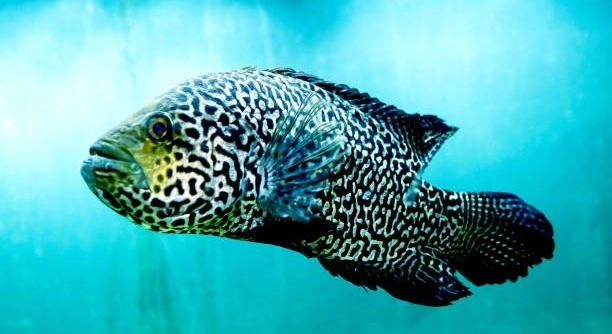
Jack Dempsey fish are known for their vibrant colors, which can shift depending on their surroundings and mood. Observing these changes can be fascinating, as their shades range from silvery gray to deep blue and green.
The color changes in Jack Dempsey fish are primarily influenced by stress, water conditions, diet, and social interactions. Adjustments in lighting, temperature, and tank environment can also trigger pigment shifts, affecting both intensity and pattern of their coloration.
Understanding these influences helps ensure the fish remain healthy and visually striking in their home environment. Proper care allows their natural colors to flourish consistently.
Environmental Factors That Affect Color
Water quality is one of the most important influences on a Jack Dempsey fish’s color. Poor water conditions, including high ammonia, nitrate, or fluctuating pH levels, can cause dull or faded shades. Temperature also plays a role; fish kept in too-cold or too-hot water may display stress colors rather than their natural vibrancy. Lighting affects how their pigments appear, with brighter lights often enhancing blues and greens. Tank decor and background color can also trigger subtle changes, as fish adjust their shades to blend in or feel secure. Stress from overcrowding or frequent handling can further influence their appearance, making them look paler. Even minor adjustments in water flow and hiding spots can affect their comfort level, indirectly impacting coloration. Observing these factors and maintaining stable conditions allows Jack Dempsey fish to show their healthiest and most vivid shades consistently. Proper tank management is key for both well-being and color display.
Maintaining consistent water temperature, pH balance, and clean conditions is crucial. Stability supports vibrant coloration and reduces stress for the fish.
Other environmental elements, such as tank lighting schedules and placement of plants or rocks, create subtle influences on fish color. Shadows, reflections, and open swimming areas allow fish to adjust their appearance naturally. Understanding these details can improve overall care and make color changes more predictable.
Diet and Nutrition Impact
The right diet directly affects pigment development in Jack Dempsey fish.
High-quality foods rich in carotenoids, proteins, and natural pigments help intensify reds, oranges, and blues. Poor nutrition or an unbalanced diet can lead to dulling or uneven coloration. Live foods, frozen options, and specialized pellets all provide essential nutrients. Feeding small portions regularly ensures digestion is optimal, preventing stress that could alter appearance. Supplements designed for color enhancement can also support pigment retention. Variety in diet encourages natural vibrancy and overall health. Fish with consistent access to nutrient-rich meals maintain brighter and more stable colors over time.
Regularly feeding nutrient-rich food encourages strong coloration, while occasional treats like live or frozen prey support natural behaviors and appearance. Balanced nutrition is key.
A diverse diet benefits Jack Dempsey fish in multiple ways. Proteins from live or frozen foods support growth, muscle development, and energy levels. Pigments from carotenoid-rich sources, such as shrimp or krill, strengthen natural coloration and prevent fading. Over time, consistent feeding habits create more predictable color patterns. Avoiding low-quality fillers and overfeeding reduces stress, which also protects vibrant shades. Combining staple pellets with occasional live treats mimics natural feeding behaviors and improves mental stimulation. Attention to portion sizes and nutrient variety ensures that colors develop fully without negative effects on health. By observing their response to diet changes, you can see which foods enhance their natural patterns and maintain vivid shades. This balance of nutrition and care produces fish that are both visually striking and robust.
Stress and Social Interaction
Stress and aggression can cause Jack Dempsey fish to darken or lose vibrancy. Overcrowding or constant territorial disputes create tension that directly affects their shades.
When Jack Dempsey fish experience stress from tankmates or sudden changes, their bodies produce hormones that influence pigment cells. Dominant fish may show brighter colors, while submissive ones appear duller. Frequent rearrangement of decorations, abrupt handling, or loud vibrations can also trigger temporary color shifts. Providing hiding spots, stable routines, and observing social hierarchies helps reduce tension, allowing their natural colors to return. Fish that feel secure and have predictable interactions display more consistent and vivid coloration, reflecting their overall well-being.
Social dynamics affect color beyond just stress. Pairing compatible fish, avoiding overcrowding, and maintaining a calm environment allow Jack Dempsey fish to express natural patterns. Observing interactions helps identify when changes in behavior or shades indicate underlying issues, ensuring both health and vibrant appearance.
Lighting and Tank Setup
Lighting intensity and placement influence how pigments appear in Jack Dempsey fish. Shadows and bright spots can subtly alter visible shades.
Full-spectrum lighting helps show natural blues, greens, and golds, while low or uneven lighting may dull their colors. Tank backgrounds, plants, and rocks can create contrast, making shades appear stronger or softer. Open swimming spaces and strategic décor placement allow fish to adjust positioning and display preferred colors. Simulating a natural day-night cycle supports routine pigment adjustment and reduces stress. Proper lighting combined with thoughtfully arranged tank elements enhances both comfort and visual appeal, allowing colors to flourish naturally.
Tank setup and lighting work together to shape appearance. A balanced combination of background color, decorations, and light intensity creates conditions that encourage bright, consistent coloration. Fish respond to both subtle and obvious environmental cues, making adjustments naturally. Observing these responses helps maintain a visually pleasing and healthy habitat. Adequate lighting and thoughtful tank design support long-term color stability, complementing nutrition and social balance to keep Jack Dempsey fish looking their best in all conditions.
Genetics and Age
Genetics determine the base coloration and pattern of Jack Dempsey fish. Some naturally display brighter or darker shades depending on lineage.
Age also affects color. Younger fish may have muted tones that intensify as they mature, while older fish can gradually lose vibrancy due to natural aging and slower pigment regeneration.
Health and Disease
Illness can cause noticeable changes in coloration. Parasites, bacterial infections, and internal issues often lead to fading or uneven shades. Regular observation for unusual behavior, spots, or lethargy helps detect problems early. Prompt treatment and proper care restore both health and natural coloration.
Seasonal Changes
Shifts in water temperature and daylight length can subtly influence pigment intensity in Jack Dempsey fish. Gradual adjustments help them adapt without stress.
FAQ
Why is my Jack Dempsey fish suddenly turning pale?
A sudden pale color usually signals stress or poor water conditions. High ammonia or nitrate levels, fluctuating pH, or improper temperature can all cause this change. Overcrowding, aggressive tankmates, or frequent handling may also trigger temporary dullness. Ensuring stable water parameters and a calm environment often restores natural coloration.
Can diet really change the colors of my fish?
Yes, diet has a strong impact on pigmentation. Foods rich in carotenoids, proteins, and natural pigments enhance reds, oranges, and blues. Live or frozen foods, such as shrimp or krill, supplement basic pellets. Consistent feeding with nutrient-rich meals allows colors to remain vibrant and patterns well-defined.
Do tank decorations affect their color?
Tank setup can subtly influence how colors appear. Darker backgrounds and shaded areas can make colors pop, while bright or reflective surfaces may soften shades. Fish often adjust their pigmentation to blend with surroundings. Providing hiding spots and natural-looking décor helps maintain comfort and supports optimal coloration.
Is it normal for color to fade at night or in low light?
Yes, color can temporarily appear duller in dim lighting. Jack Dempsey fish adjust their pigments in response to light intensity. This is a natural process and does not indicate a health problem. Maintaining a regular day-night lighting cycle supports stable coloration and reduces stress.
Why do some fish show brighter colors than others in the same tank?
Genetics and social hierarchy play key roles. Dominant fish often display more vivid colors, while submissive ones appear muted. Individual genetic traits determine the base intensity and pattern of pigmentation. Observing behavior alongside appearance helps understand these natural variations without unnecessary concern.
Can illness permanently change their color?
Severe or prolonged illness can affect pigment cells, causing lasting changes in shade or pattern. Parasites, bacterial infections, and internal health issues may lead to uneven or faded coloration. Prompt detection, proper treatment, and supportive care help restore colors, though older fish or chronic conditions might show partial changes.
How does stress impact their shades?
Stress triggers hormonal responses that directly influence pigmentation. Sudden changes in tankmates, water conditions, or handling can darken or pale fish temporarily. Reducing stress through stable conditions, proper tank size, and compatible social groupings helps fish maintain healthy, natural coloration over time.
Do Jack Dempsey fish change color as they age?
Yes, aging naturally affects color. Juveniles may start with muted or silver-gray tones, which intensify as they mature. Older fish may lose some vibrancy due to slower pigment regeneration and natural physiological changes. Consistent care and proper nutrition can slow this fading and maintain overall appearance.
Will changing water temperature affect their color?
Temperature influences metabolism and pigment expression. Sudden shifts can stress fish and cause temporary color changes. Gradual adjustments within the recommended range support natural color development. Stable water conditions ensure fish display their brightest shades consistently.
How can I encourage my fish to show their best colors?
Maintaining clean water, proper nutrition, stable temperature, and low-stress conditions are essential. Thoughtful tank design, including background, hiding spaces, and lighting, enhances color display. Observing social dynamics and providing appropriate diet variety supports both health and vibrant, consistent coloration naturally.
Can breeding affect coloration?
Yes, during breeding, males often intensify colors to attract mates, while females may show slightly muted shades. This temporary change is normal and indicates healthy reproductive behavior. Post-breeding, colors usually return to their regular pattern.
Are there any supplements that help with color?
Pigment-enhancing supplements with carotenoids or astaxanthin can improve red and orange tones. They are most effective when combined with a balanced diet and proper tank conditions. Overuse is unnecessary and may stress the fish, so moderation is important.
How long does it take for color changes to appear after improving conditions?
Color improvements may be visible within days to weeks, depending on the cause. Stress recovery, water stabilization, or dietary adjustments gradually restore pigment intensity. Continuous monitoring ensures changes are positive and sustainable.
Can two Jack Dempsey fish in the same tank look completely different?
Yes, differences in genetics, age, sex, diet, and stress exposure create variation in color and patterns. Even under identical conditions, each fish expresses unique shades, making individual appearance completely normal.
Is it normal for colors to shift slightly during the day?
Yes, subtle daily shifts in color are natural. Fish adjust pigment cells according to light, activity, and comfort levels. These changes are temporary and usually return to normal under stable, calm conditions.
How do I know if color changes are serious?
Sudden, persistent fading combined with lethargy, loss of appetite, or unusual behavior often indicates health issues. Immediate water testing, observation, and treatment are necessary to prevent long-term problems. Minor, temporary changes are usually environmental or stress-related.
Can water hardness influence pigmentation?
Water hardness affects overall health and indirectly impacts color. Extremely soft or hard water can stress fish, causing temporary dulling. Maintaining moderate, stable hardness within recommended ranges supports pigment expression and general well-being.
Do Jack Dempsey fish react to tankmates’ colors?
Yes, fish often adjust shades slightly in response to nearby tankmates. Dominance, submission, or mimicry can influence visible coloration. Observing social behavior helps ensure a balanced environment where all fish can display natural shades comfortably.
Can seasonal changes in lighting and temperature affect them?
Yes, longer or shorter daylight periods, combined with temperature shifts, can subtly influence pigmentation. Gradual adjustments reduce stress and allow fish to adapt naturally, maintaining steady color intensity over time.
Are there permanent ways to enhance coloration?
Permanent enhancement comes from genetics, proper long-term care, and optimal nutrition. While supplements and improved conditions help, natural variation sets the limits for maximum pigment intensity. Consistency in water quality, diet, and environment is the most reliable method for long-term color improvement.
How quickly do stress-induced color changes revert?
Temporary color changes due to stress often revert within hours to days once the fish is in a calm, stable environment. Persistent dulling may indicate ongoing stressors or health concerns requiring attention.
Can tank size influence coloration?
Yes, cramped or overcrowded tanks increase stress, leading to paler shades. Adequate space allows natural behaviors, reduces aggression, and supports optimal pigment expression. Observing fish in properly sized tanks usually shows brighter, more stable colors.
Is it normal for males to be more colorful than females?
Yes, males often display brighter colors for mating and dominance displays. Females usually show softer shades. This difference is natural and varies by age, health, and environmental conditions.
Do sudden changes in tank water cause color shifts?
Yes, abrupt water changes can stress fish, causing immediate pale or darkened shades. Gradual adjustments are safer and allow pigments to stabilize, preserving natural vibrancy.
Can frequent handling affect their color?
Yes, repeated handling causes stress and temporary dulling. Minimizing direct contact and using proper nets or tools helps maintain color and reduces overall stress.
Is it normal for colors to deepen during feeding?
Yes, excitement and increased activity can temporarily intensify pigment display. This response is natural and usually returns to normal once activity decreases.
Do Jack Dempsey fish change color while hiding?
Yes, fish often darken slightly when hiding or feeling threatened. This camouflage response is temporary and reverses once the fish feels secure again.
How important is consistent care for color stability?
Consistent water quality, feeding, temperature, and stress management are essential for maintaining bright and stable colors. Irregular care leads to dulling and uneven pigmentation over time.
Can lighting schedules alone improve coloration?
Proper lighting supports natural pigment expression but cannot replace diet, water quality, or stress management. Full-spectrum lighting with a regular cycle enhances visibility and overall shade vibrancy.
Are color changes reversible?
Most environmental or stress-induced changes are reversible. Illness-related changes require treatment, and age-related fading is gradual. Maintaining optimal conditions ensures recovery of most pigment intensity.
How do I monitor my fish for healthy color?
Regular observation of behavior, appetite, and shade patterns helps detect issues early. Taking note of stress signals, tank conditions, and social interactions ensures consistent care and supports vibrant, natural coloration.
Can breeding pairs show different color patterns than normal?
Yes, breeding behavior often intensifies male colors and can slightly alter female shades. These changes are temporary and return to normal after the reproductive period.
Is it normal for colors to change after relocation?
Yes, moving to a new tank or environment often causes temporary dulling. Allowing gradual acclimation helps fish regain natural vibrancy without stress.
Do tank mates of different species influence their shades?
Interactions with different species can trigger subtle color adjustments. Aggressive or dominant species may cause paler tones, while calm or compatible species allow natural pigmentation to remain visible.
Can water additives enhance coloration?
Some additives with carotenoids or vitamins may help, but they cannot replace proper diet and stable tank conditions. Overuse may stress fish, so moderation is key.
How long does it take for diet changes to affect color?
Visible improvements typically appear within a few weeks of consistent feeding with pigment-rich foods. Patience and regular observation are essential for long-lasting results.
Is it normal for stress colors to appear even in a well-maintained tank?
Yes, occasional stress responses are normal. Minor fluctuations in lighting, tankmates’ behavior, or human activity can temporarily influence shades.
Do Jack Dempsey fish prefer certain backgrounds for brighter colors?
Darker, neutral backgrounds often enhance visible shades. Fish adjust pigment cells to blend with surroundings, making appropriate tank decor important for displaying natural vibrancy.
Can supplements accelerate color recovery after stress?
They can support pigment regeneration, but stable water conditions, nutrition, and reduced stress are more effective for sustainable color recovery. Supplements work best as part of comprehensive care.
Is age the only factor in long-term color fading?
Age is significant but not the only factor. Poor nutrition, chronic stress, illness, and suboptimal tank conditions can accelerate fading, while proper care slows pigment decline.
Do seasonal water changes influence coloration?
Yes, temperature and light variations with seasons affect pigmentation. Gradual adaptation allows fish to adjust naturally without stress-induced dulling.
How can I tell if color changes are natural or a problem?
Temporary shifts due to light, activity, or mood are normal. Persistent dulling, uneven patterns, or behavioral changes often signal stress, illness, or poor conditions needing attention.
Are male Jack Dempsey fish more sensitive to environmental changes?
Males often show more vivid responses to temperature, lighting, or social changes. This sensitivity reflects their dominance and reproductive behavior, influencing shade intensity more noticeably.
Do Jack Dempsey fish respond to human presence in color changes?
Yes, excitement or anticipation of feeding may temporarily intensify colors. Stress from sudden movements may dull shades, showing a direct link between human activity and pigment expression.
How much does water clarity affect coloration?
Clear water allows natural shades to show fully. Cloudy or tinted water can obscure or dull visible colors, even if the fish is healthy. Regular maintenance ensures optimal clarity and color visibility.
Are there permanent patterns in Jack Dempsey fish?
Genetic patterns remain consistent, while shade intensity may fluctuate due to diet, light, stress, or age. Understanding this distinction helps set realistic expectations for color management.
Can social stress from one tankmate affect all fish?
Yes, aggressive or dominant individuals can cause others to pale. Maintaining compatible groups and adequate space prevents chronic stress and promotes healthy, vibrant coloration.
Do Jack Dempsey fish have natural camouflage abilities?
Yes, they can subtly adjust colors to blend with surroundings. This temporary change is a survival response and reverses when conditions feel safe.
How do I prevent color loss in my tank?
Stable water conditions, proper diet, reduced stress, appropriate tank mates, and consistent lighting schedules all contribute to maintaining bright and healthy colors. Monitoring daily ensures problems are caught early.
Can breeding cycles cause permanent color changes?
Temporary intensification occurs during breeding, but permanent changes are uncommon unless combined with stress, poor nutrition, or illness. Most fish return to normal shades afterward.
Do juvenile fish change color differently than adults?
Juveniles gradually develop more vivid colors as they mature. Adults may experience fading with age or health changes, making growth stage a key factor in pigment appearance.
Is it normal for their colors to darken in colder water?
Mild darkening may occur as metabolism slows in cooler temperatures. This response is usually temporary and reversible with stable, optimal conditions.
Can tank placement in the room affect color?
Yes, exposure to natural sunlight, artificial light, or shadows influences visible pigmentation. Consistent lighting and controlled placement maintain stable shades.
How often should I observe my fish for color changes?
Daily observation is ideal. Watching behavior, appetite, and pigment intensity helps detect stress, illness, or environmental issues early, keeping colors vibrant and fish healthy.
Are all color changes reversible?
Environmental and stress-related changes usually reverse. Illness or age-related fading may be permanent, though good care can minimize effects and support recovery when possible.
Do Jack Dempsey fish respond to seasonal feeding patterns in color?
Yes, natural variations in food availability and routine may influence pigment intensity. Consistent, nutrient-rich feeding maintains brightness year-round.
Can water chemistry fluctuations affect male and female fish differently?
Males often show more visible responses, intensifying or dulling faster than females. Both are affected, but dominant males’ pigments are more noticeable under stress or environmental shifts.
Does overfeeding impact coloration?
Yes, overfeeding can lead to stress, poor water quality, and uneven pigment development. Controlled, balanced meals are essential for maintaining bright and healthy shades.
Can changing tank water too quickly affect shades?
Yes, sudden water changes can stress fish and temporarily alter color. Gradual, partial changes are safer and preserve natural vibrancy.
Do Jack Dempsey fish retain color better in planted tanks?
Yes, plants provide shelter, reduce stress, and create contrast that enhances visible shades. A well-planted tank supports natural pigment expression and overall well-being.
Is it normal for older fish to lose brightness gradually?
Yes, natural aging slows pigment regeneration, leading to gradual fading. Maintaining good care and nutrition slows this process and supports overall health.
How do I know if supplements are helping?
Visible improvement in reds, oranges, or blues within weeks indicates effectiveness. Supplements work best alongside consistent diet, water quality, and low-stress conditions.
Can stress from frequent water testing affect color?
Excessive handling during testing can cause temporary dulling. Using careful techniques and minimizing disturbance helps preserve natural shades.
Do male Jack Dempsey fish darken during territorial disputes?
Yes, dominance displays often cause temporary darkening. This behavior is normal and reversible once the dispute ends.
How long does it take for a stressed fish to regain color?
Recovery varies from hours to days depending on the stressor. Stable conditions, proper nutrition, and calm tankmates speed the return of natural shades.
Can aggressive tankmates permanently dull a fish’s color?
Prolonged harassment can cause chronic stress and pigment fading. Separating aggressive individuals or adjusting tank layout helps restore color over time.
Does water hardness or mineral content influence shades?
Yes, moderate hardness supports pigment stability. Extremely soft or hard water can stress fish, leading to temporary dulling or uneven coloration.
Can Jack Dempsey fish change patterns as well as color?
Patterns are largely genetic and remain consistent. Color intensity may fluctuate, but major pattern changes are uncommon unless affected by disease or injury.
Is it normal for colors to intensify after feeding?
Yes, activity and excitement during feeding temporarily enhance pigment expression. Shades usually return to baseline once the fish relaxes.
Do tank reflections affect coloration?
Reflections can cause fish to adjust shades slightly, either brightening or darkening. This is a temporary, natural response to perceived environmental cues.
Can water temperature swings affect pattern visibility?
Sudden temperature changes can stress fish, making patterns less distinct. Gradual, stable temperatures preserve natural coloration and pattern clarity.
Are color changes permanent after illness?
Some changes may persist if pigment cells are damaged. Early treatment and good care improve chances of restoring normal shades.
Do Jack Dempsey fish show different colors in shallow versus deep areas?
Yes, depth and light intensity affect pigment visibility. Shaded or deeper areas may make colors appear darker or muted temporarily.
How important is consistent observation for maintaining color?
Daily attention helps catch stress, illness, or environmental issues early. Consistent monitoring ensures vibrant, healthy coloration and prevents long-term problems.
Do males and females respond differently to stress in color?
Males often show more vivid changes, while females may dull subtly. Both sexes are affected, but intensity and visibility vary naturally.
Can substrate color influence pigmentation?
Yes, fish may adjust shades to match tank bottom. Dark or neutral substrates often enhance visible colors, while bright or reflective substrates can soften appearance.
Does tank size influence how colors appear?
Yes, smaller or overcrowded tanks increase stress, leading to duller shades. Adequate space allows natural behaviors and better pigment expression.
Is it normal for colors to shift slightly throughout the day?
Yes, activity, light changes, and mood cause subtle daily variations. These are temporary and return to baseline under stable conditions.
Can stress from shipping or relocation affect shades?
Yes, transport stress can cause temporary fading or darkening. Gradual acclimation helps fish regain natural colors once settled.
Do Jack Dempsey fish need a specific pH for best color?
Maintaining stable pH within recommended ranges supports pigment expression. Sudden fluctuations can cause stress and temporary color changes.
Are there differences in color retention between captive-bred and wild fish?
Captive-bred fish often adapt better to tank conditions and maintain color consistently. Wild-caught fish may show more stress-related changes initially.
Can improper filtration affect coloration?
Yes, poor filtration can lead to water quality issues that stress fish, resulting in dull or uneven shades. Regular maintenance supports both health and color.
Do Jack Dempsey fish adjust colors to blend with neighbors?
Yes, social and environmental cues can trigger subtle adjustments. Dominant or colorful neighbors may influence pigment expression temporarily.
Is it normal for color to fluctuate during nighttime?
Yes, colors often appear muted at night due to reduced light. This is natural and reversible with daylight exposure.
Can breeding stress cause permanent fading in females?
Usually, changes are temporary. Permanent fading is rare unless combined with poor care, illness, or prolonged stress.
**Do Jack Dempsey fish show different
Jack Dempsey fish are remarkable for their vibrant colors and dynamic patterns, which change for a variety of reasons. Their shades reflect health, mood, and environmental conditions, making them both fascinating and sensitive to care. Observing their color shifts closely provides insight into their well-being and the state of their tank. Stress, water quality, diet, lighting, and social interactions all play a role, and even small changes in these areas can result in noticeable differences in appearance. Understanding these factors helps maintain their natural beauty while supporting their overall health. Over time, watching the subtle adjustments in their shades can become a reliable way to monitor whether conditions in the tank are optimal or if improvements are needed.
Proper care and attention are essential for encouraging consistent, vibrant coloration. Maintaining clean water with stable pH, temperature, and hardness prevents stress-related fading and ensures their pigment cells function properly. Providing a varied, nutrient-rich diet helps support natural pigment development and overall health, while supplements designed for color enhancement can further improve reds, blues, and other bright shades. The tank setup also influences how their colors appear, with carefully chosen decorations, background colors, and lighting enhancing their natural patterns. Social dynamics should be considered as well, as aggressive or dominant tankmates can suppress coloration in submissive fish. By paying attention to these details, it becomes possible to create an environment where Jack Dempsey fish can consistently display their full range of colors.
It is important to remember that some color changes are natural and not cause for concern. Juveniles will develop brighter tones as they mature, males may intensify shades during breeding, and slight daily or seasonal variations are normal. Aging can lead to gradual fading, which is part of the fish’s natural life cycle. The key is to distinguish between normal shifts and changes caused by stress, illness, or poor care. Regular observation, consistent maintenance, and a calm, stable tank environment are the most effective ways to keep these fish healthy and visually striking. By focusing on proper care and understanding the reasons behind color changes, it is possible to enjoy the full beauty of Jack Dempsey fish while ensuring their long-term well-being. Their dynamic colors are not only visually appealing but also a reflection of their overall health and comfort in the tank.

Hello,
If you enjoy the content that we create, please consider saying a "Thank You!" by leaving a tip.
Every little bit helps us continue crafting quality advice that supports the health, happiness, and well-being of pets around the world, for pets of all shapes, sizes, and species.
We really appreciate the kindness and support that you show us!